
 EN
EN



Ordering custom car mats for a mainstream vehicle is straightforward, but sourcing custom car mats for a discontinued or rare vehicle model presents a unique set of challenges. When a manufacturer stops producing a particular model, standard off-the-shelf floor mats quickly disappear from retail shelves, leaving owners with ill-fitting alternatives. Understanding how to navigate this process ensures your vehicle gets custom car mats that protect the interior properly and look exactly right.
The good news is that specialists who produce custom car mats can work from precise measurements and owner-supplied data rather than relying on manufacturer templates alone. This means custom car mats remain entirely achievable for rare, vintage, classic, or discontinued models. The key is knowing which information to gather, which material to choose, and how to communicate your requirements clearly so that the finished custom car mats fit perfectly and last for years.
Gathering the Right Vehicle Information
Why Accurate Measurements Matter for Custom Car Mats
Before you approach any supplier about custom car mats, you need to collect highly accurate floor cavity measurements from your vehicle. For a discontinued or rare model, suppliers cannot simply pull up a saved template, so they depend entirely on the data you provide. Custom car mats that are based on imprecise figures will not sit flat, will shift while driving, and may fail to protect the areas that matter most.
Start by removing your current floor mats, if any, and cleaning the floor surface thoroughly. Use a flexible measuring tape to capture the length and width of each foot well, including the driver, passenger, and rear positions. Sketch a rough outline of each cavity shape, noting any irregular contours, pedal cut-outs, or raised areas. This sketch, combined with your measurements, gives custom car mats manufacturers the detail they need to produce an accurate pattern. Taking photographs from directly above each floor well adds another layer of reference that experienced producers of custom car mats will appreciate.
Identifying Your Model Details for Custom Car Mats Orders
Beyond physical measurements, you should document your vehicle's full model name, production year, body style, and any trim or generation variants. Discontinued models sometimes had multiple trim levels with slightly different floor pan layouts, which affects how custom car mats are cut and shaped. Providing the full vehicle identification number can also help suppliers cross-reference any archived data they hold on older models when producing custom car mats.
Choosing Materials and Specifications
Material Options for Durable Custom Car Mats
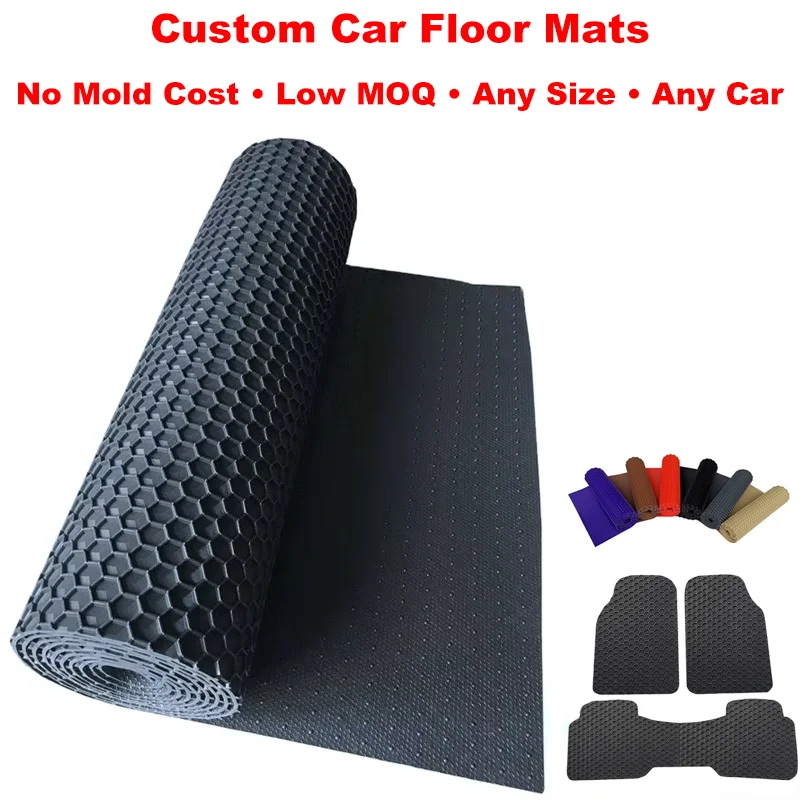
Once you have your measurements ready, selecting the right material is the next critical step in ordering custom car mats. PVC-based custom car mats are among the most popular choices for owners of rare or discontinued vehicles because they are waterproof, easy to clean, and highly resistant to the wear patterns that accumulate over years of use. A quality set of custom car mats made from thick PVC, typically 7mm or more, provides a firm structure that holds its shape even in older floor cavities that may have some unevenness.
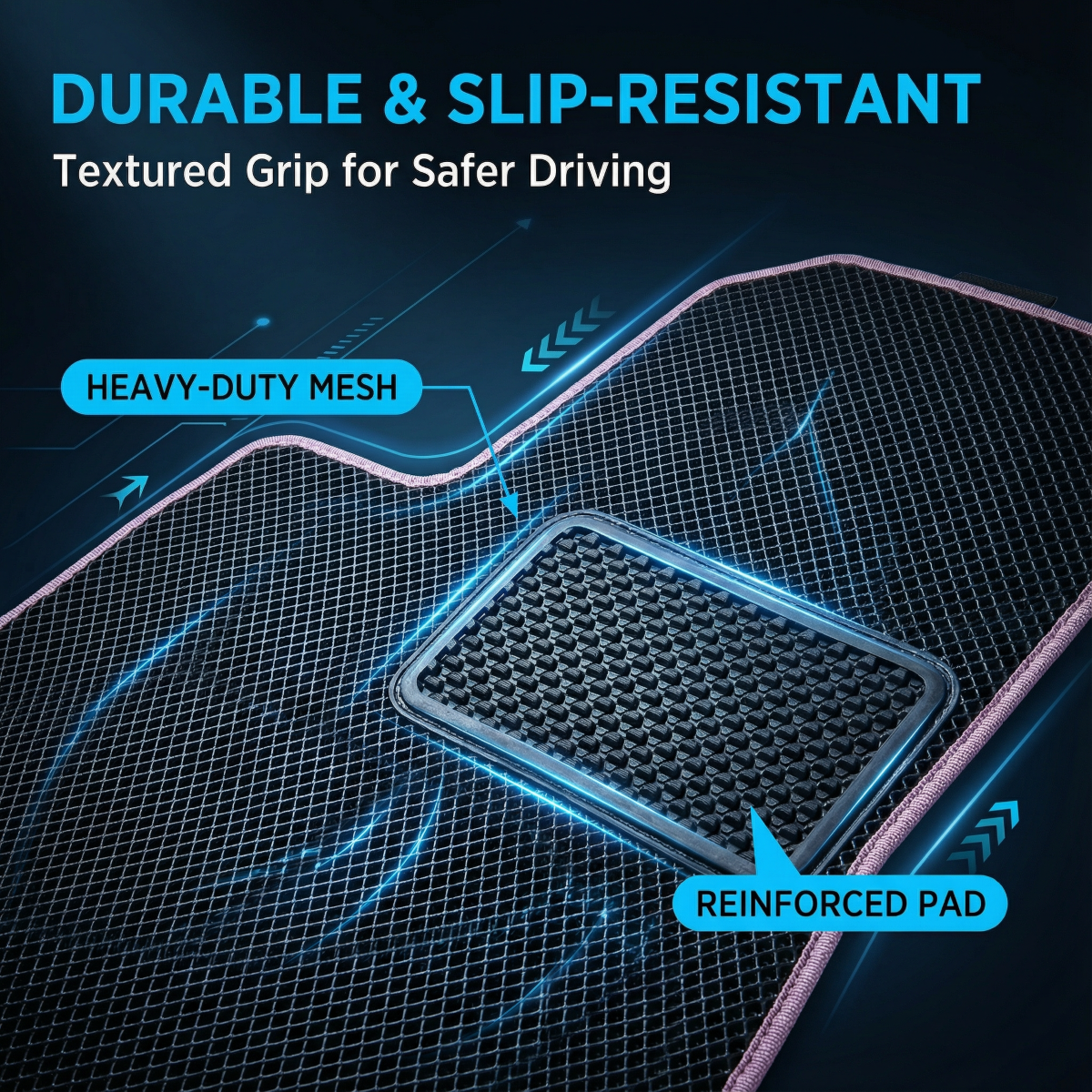
Rubber custom car mats offer similar waterproof benefits and are particularly valued in climates with heavy rain or snow. Carpet-style custom car mats deliver a more premium interior appearance and are often chosen when the owner wants to maintain the original aesthetic of a classic or rare vehicle. Whichever material you select, ensure the custom car mats include a non-slip backing layer to prevent movement during driving, which is especially important when factory anchor points may be worn or absent in older vehicles.
Thickness, Edge Finishing, and Anti-Slip Features
When specifying custom car mats, do not overlook thickness and edge treatment. Thicker custom car mats provide more cushioning and better sound dampening, contributing to a more refined driving experience. Edge binding on custom car mats prevents fraying and gives the mats a professional, finished appearance. Anti-slip nibs or textured backing are essential features for custom car mats placed in vehicles where the original retention clips may no longer be functional. Communicating these details clearly to your supplier ensures the custom car mats you receive are both safe and aesthetically pleasing.
Working with a Custom Car Mats Specialist
How to Communicate Your Requirements Effectively
Approaching a specialist who regularly produces custom car mats gives you far better results than working with a general accessory retailer. A dedicated custom car mats producer will have experience handling unusual vehicle profiles and will understand how to adapt their cutting and finishing processes accordingly. When you make contact, present your measurements, your vehicle documentation, your material choice, and your photographs together as a single complete brief. Suppliers of custom car mats who receive well-prepared briefs can turn around accurate samples or finished products much more efficiently.
Ask the supplier to confirm the pattern before cutting the full set of custom car mats. Many specialists offer a paper or thin-film template step, where they send you a test pattern to lay in your vehicle. Verifying this template against your actual floor cavities before the custom car mats are produced in the final material saves both time and cost. A trustworthy supplier of custom car mats will welcome this confirmation step rather than rushing straight to production.
Quality Checks Before Accepting Custom Car Mats
When your custom car mats arrive, inspect them immediately against your vehicle. Lay each mat in position and confirm that the edges follow the floor cavity contours without bunching, folding, or leaving gaps near the door sills. Check that the custom car mats sit flat and that the non-slip backing makes firm contact with the floor surface. Any heel pad reinforcements on the driver-side custom car mats should align exactly with the natural braking and accelerating foot position. A well-made set of custom car mats should require no adjustment and should feel as though they were designed specifically for your vehicle, because they were.
FAQ
Can custom car mats be made without the original manufacturer template?
Yes. Custom car mats specialists can produce accurate mats using owner-supplied measurements, photographs, and vehicle documentation. You do not need the original manufacturer template to order custom car mats for a discontinued or rare model.
How long does it take to receive custom car mats for a rare vehicle?
Production times for custom car mats vary by supplier, but most specialists complete custom car mats orders within one to three weeks once all measurements and specifications are confirmed. Suppliers who include a template verification step may require a few extra days before producing the final custom car mats.
What thickness is recommended for custom car mats in older vehicles?
A thickness of 7mm or more is generally recommended for custom car mats in older or rare vehicles. Thicker custom car mats compensate for minor floor irregularities and provide better protection and durability compared to thinner standard alternatives.