
 EN
EN



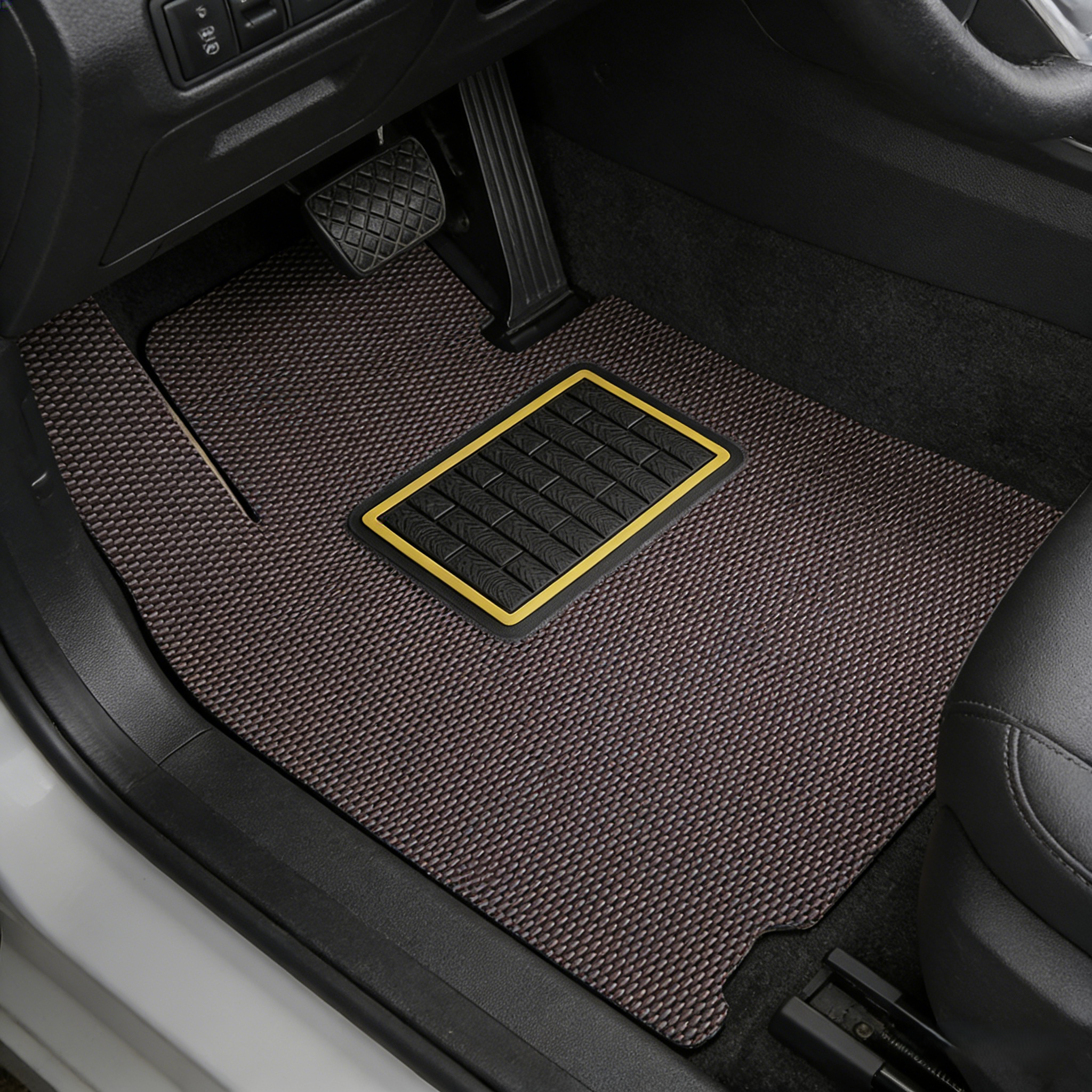
Understanding how a car mat factory's production capacity impacts your order lead times is essential for any business that relies on timely automotive floor mat delivery. A car mat factory's ability to manufacture and ship products on schedule depends heavily on its installed production equipment, workforce, and operational efficiency. When you place an order with a car mat factory, the lead time you receive is not arbitrary—it reflects the facility's current production schedule, capacity utilization, and inventory levels. By learning how a car mat factory manages its throughput, you can make better purchasing decisions and align your supply chain with realistic delivery windows.

Every car mat factory operates within defined production constraints shaped by machinery capacity, labor availability, and raw material supply. When a car mat factory receives multiple large orders simultaneously, its ability to meet all deadlines depends on whether additional production shifts can be activated or if orders must queue for available machine time. Lead times are not fixed; they fluctuate based on seasonal demand patterns, production bottlenecks, and how effectively the car mat factory schedules its manufacturing runs. Understanding these dynamics helps you negotiate realistic timelines and avoid costly delays in your automotive supply chain.
Production Capacity Constraints and Their Direct Effect on Lead Times
How a Car Mat Factory's Equipment Determines Output Speed
A car mat factory's production capacity is fundamentally limited by its machinery specification and utilization rate. Modern car mat factory equipment includes cutting machines, heat-sealing presses, embossing stations, and quality inspection systems, each operating at a specific throughput rate measured in units per hour. When a car mat factory runs at full capacity—typically 16 to 24 hours per day across multiple shifts—it can produce a maximum volume within a given timeframe. However, not every car mat factory operates at 100% utilization all year round. During peak seasons, a car mat factory may have extended lead times because machines are fully booked; during slower periods, a car mat factory may accelerate delivery. The relationship is direct: higher machine utilization at a car mat factory means longer wait times for new orders.
Queue Time and Scheduling Delays at Automotive Mat Facilities
When you submit an order to a car mat factory, your job enters a production queue. The car mat factory must schedule your order alongside existing commitments based on machine availability, order size, and priority status. A car mat factory with high current demand may place your order weeks into the future, even if the actual manufacturing only takes days. This queue time represents a significant portion of your total lead time. A high-capacity car mat factory with advanced scheduling software can minimize queue delays, while a smaller car mat factory may experience longer waits during peak periods. Understanding whether a car mat factory operates on a first-come, first-served basis or uses advanced planning systems can help you anticipate realistic timelines for your automotive mat orders.
Seasonal Demand Fluctuations and Their Impact on Lead Times
Peak Season Pressures and Reduced Availability
The automotive aftermarket follows seasonal patterns that directly influence a car mat factory's lead times. Typically, a car mat factory experiences peak demand in spring and early fall when customers prepare vehicles for seasonal transitions and weather changes. During these busy periods, a car mat factory often reaches capacity constraints, and lead times can extend from standard 2–3 weeks to 6–8 weeks or longer. A car mat factory may implement order-size minimums or restrict color options during peak seasons to manage flow. If your business depends on flexible, rapid reordering during peak demand, you should confirm with your car mat factory partner well in advance whether their production capacity can support your volume and timeline requirements during these high-pressure windows.
Off-Season Advantages and Negotiation Opportunities
Conversely, when demand softens, a car mat factory has more available capacity and flexibility. During off-peak months, a car mat factory can often accommodate shorter lead times, custom requests, and special production runs that might not be feasible during busy periods. Savvy procurement teams coordinate with their car mat factory to place large orders during these slower windows, building inventory ahead of anticipated demand surges. A car mat factory appreciates predictable, off-season orders because they keep equipment running and maintain workforce stability. If you can forecast demand patterns and communicate them to your car mat factory partner, you may unlock better pricing, faster delivery, and higher customization options compared to competitors who wait until peak season to order.
Production Efficiency Improvements and Modern Factory Capabilities
Investment in Automation and Its Impact on Lead Times
Progressive car mat factory operators invest in automation, robotic material handling, and computer-controlled manufacturing systems to increase output and reduce lead times. A modern car mat factory equipped with automated cutting, stitching, and packaging systems can complete production runs much faster than a facility relying on manual processes. These car mat factory improvements allow faster throughput without sacrificing quality or introducing errors. When evaluating a car mat factory partnership, inquire about their equipment age, automation level, and whether they've upgraded processes recently. A car mat factory with modern machinery can typically deliver faster lead times, accommodate rush orders more easily, and maintain consistent quality across high-volume production runs compared to competitors using older equipment.
Supply Chain Integration and Just-In-Time Capabilities
Advanced car mat factory operations integrate supply chain management software, predictive inventory systems, and vendor coordination to reduce lead times further. A car mat factory using just-in-time material delivery ensures raw materials arrive synchronized with production schedules, eliminating warehouse delays. Such a car mat factory can often accommodate tighter lead times and smaller order quantities than traditional facilities. Real-time production tracking at a car mat factory enables transparency, allowing customers to monitor order progress and anticipate delivery dates with accuracy. If your business requires frequent, flexible reordering and reliable short lead times, partner with a car mat factory that demonstrates advanced operational integration and can provide real-time production visibility.
FAQ
What is the typical lead time when ordering from a car mat factory?
Typical lead times from a car mat factory range from 2 to 8 weeks, depending on current production capacity, order size, and seasonal demand. Standard orders during off-peak periods may arrive in 2–3 weeks, while large orders during peak seasons can extend to 6–8 weeks or longer. Contact your specific car mat factory partner to confirm their current lead times based on your order specifications.
How can I reduce lead times when ordering from a car mat factory?
To reduce lead times from a car mat factory, place orders during off-peak seasons, avoid rushing during peak demand periods, provide accurate specifications upfront to prevent rework delays, and consider establishing a regular ordering schedule that allows the car mat factory to plan production runs more efficiently. Some car mat factory partners offer expedited services for rush orders at a premium cost.
Should I choose a larger car mat factory to guarantee faster lead times?
A larger car mat factory may have more total capacity but could also have longer queues if heavily booked. Instead, evaluate whether a car mat factory has modern automation, spare production capacity, and efficient scheduling systems. A mid-sized car mat factory with advanced technology and lower current demand may deliver faster lead times than a larger competitor operating at full capacity.