
 EN
EN



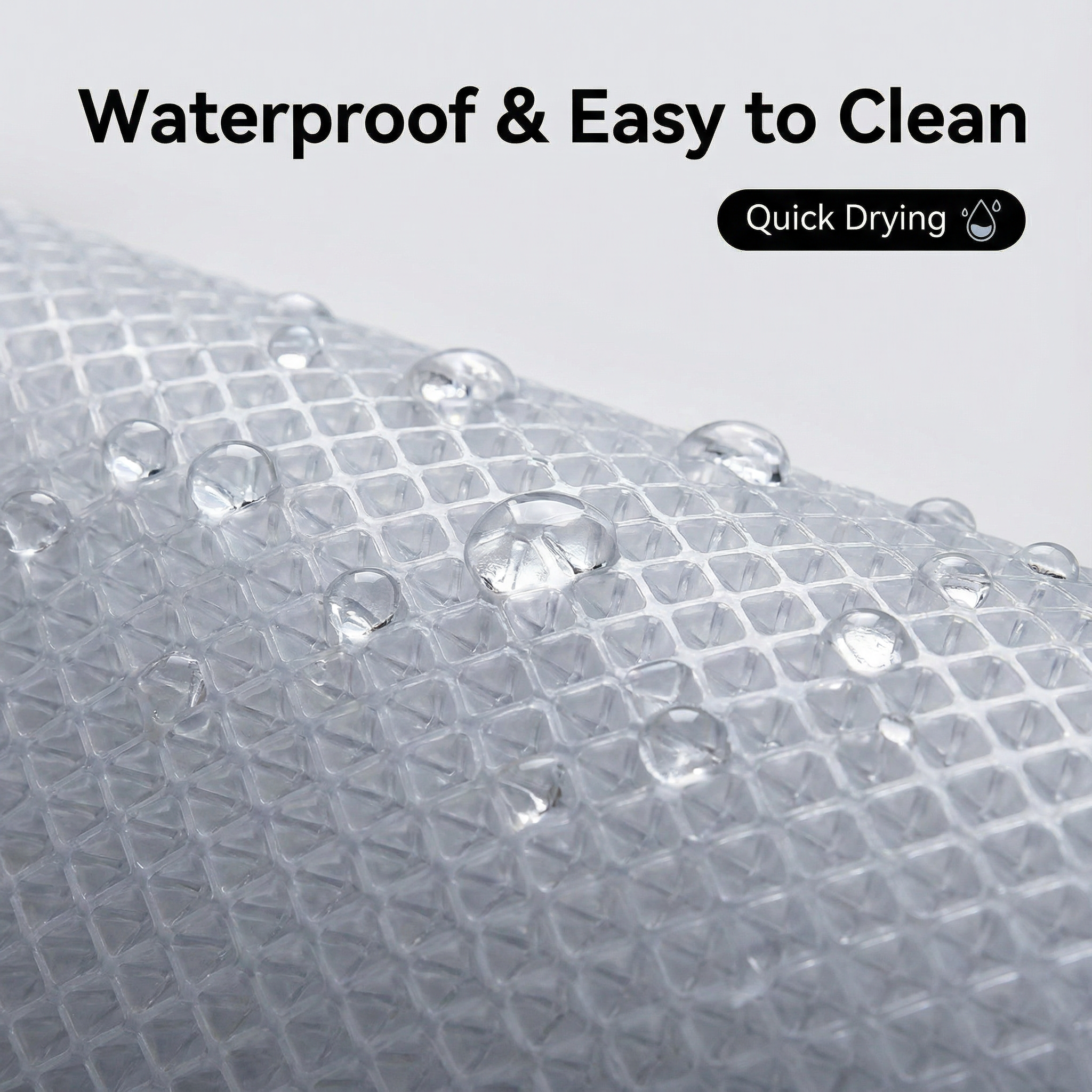
Comprendre les matériaux qui composent votre tapis pour litière pour chat influence directement son efficacité en matière de propreté et de maîtrise des odeurs dans votre domicile. La composition matérielle adéquate détermine si votre tapis pour litière pour chat retiendra efficacement les granulés éparpillés, résistera à la pénétration de l’humidité et conservera sa fraîcheur sur de longues périodes d’utilisation.
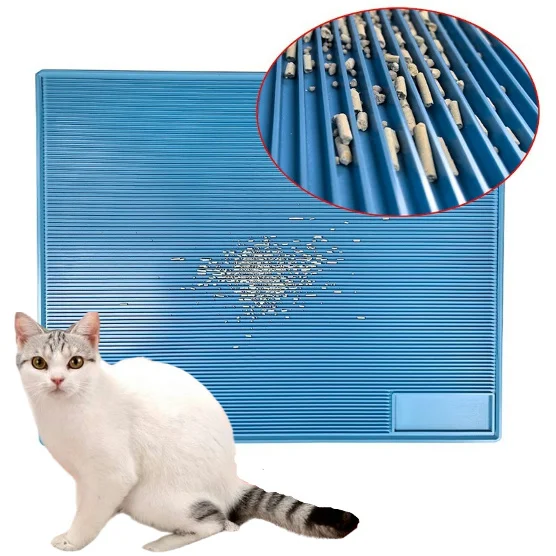
Les propriétaires d’animaux de compagnie rencontrent systématiquement des difficultés liées à la dispersion de la litière et aux odeurs persistantes autour de la litière, ce qui rend le choix du matériau essentiel pour une satisfaction durable. Les modèles modernes de tapis pour litière pour chat intègrent des technologies matérielles spécifiques qui répondent à la fois à la commodité immédiate du nettoyage et à la résistance continue aux odeurs, grâce à des structures innovantes de fibres et à des traitements de surface.
Propriétés fondamentales des matériaux pour un nettoyage facile
Caractéristiques de surface non poreuse
Les matériaux dotés de surfaces non poreuses empêchent les particules de litière et l’humidité de pénétrer en profondeur dans la structure du tapis, ce qui rend le nettoyage nettement plus facile. Des matériaux synthétiques tels que le PVC, le TPE (élastomère thermoplastique) et des composés de caoutchouc spécialisés créent des surfaces étanches qui résistent à l’absorption et permettent une élimination rapide des débris.
La structure moléculaire de ces matériaux forme des liaisons serrées qui laissent un espace minimal pour que les particules s’y incrustent de façon permanente. Cette caractéristique garantit que même les fines particules d’argile ou les fragments de litière cristalline peuvent être secoués ou essuyés sans nécessiter de frottement vigoureux ni de procédures de nettoyage approfondi.
Les surfaces non poreuses facilitent également les procédures de désinfection, car les solutions de nettoyage peuvent atteindre efficacement les bactéries et les éliminer sans devoir lutter contre l’absorption par le matériau. Cette propriété rend la routine d’entretien de votre tapis à litière pour chat plus efficace et plus complète à chaque séance de nettoyage.
Avantages de la texture lisse
Les matériaux à texture lisse réduisent les points de friction où les particules de litière s’accrochent et s’accumulent généralement avec le temps. Les matériaux traités pour obtenir une lissé uniforme éliminent les micro-reliefs et les micro-creux qui piègent les débris dans les approches textiles traditionnelles.
Les procédés de fabrication utilisés pour des matériaux tels que le caoutchouc moulé ou les plastiques extrudés créent des profils de surface constants qui empêchent la litière de s’adhérer par enchevêtrement mécanique. Cette douceur se traduit directement par une réduction du temps et des efforts de nettoyage requis par les propriétaires d’animaux qui entretiennent régulièrement leur tapis à litière pour chat.
Les surfaces lisses résistent également aux taches causées par l’humidité et la matière organique transportées, préservant plus longtemps l’apparence visuelle de votre tapis à litière pour chat par rapport aux alternatives texturées, qui offrent des recoins propices à la décoloration.
Avantages du matériau souple
Les matériaux souples permettent de soulever, secouer et manipuler le tapis à litière pour chat sans qu’il ne se fissure ni ne subisse de déformation permanente. Des matériaux tels que le PVC souple, le caoutchouc avec support en mousse et les polymères flexibles conservent leur forme d’origine tout en supportant la manipulation physique nécessaire à un entretien efficace.
Cette souplesse permet aux utilisateurs de créer temporairement des entonnoirs ou des canaux en relevant les bords du tapis, afin de diriger efficacement la litière collectée vers les zones d’élimination. La possibilité de plier ou de courber le tapis pendant le nettoyage facilite l’accès aux coins et aux bords, où les débris s’accumulent généralement.
Les matériaux souples épousent également mieux les irrégularités du sol, créant ainsi des joints plus étanches qui limitent efficacement la migration de la litière, tout en restant faciles à repositionner pour un nettoyage approfondi du sol situé en dessous.
Technologies de matériaux résistants aux odeurs
Intégration d’un traitement antimicrobien
Les matériaux avancés des tapis pour litière pour chats intègrent des agents antimicrobiens directement dans la matrice polymère lors de la fabrication, assurant ainsi une prévention durable des odeurs plutôt que des traitements superficiels uniquement.
Ces traitements intégrés agissent en continu pour inhiber la croissance bactérienne à l’origine de la formation des odeurs, conservant leur efficacité même après plusieurs lavages et usures. Contrairement aux applications topiques qui s’usent progressivement avec le temps, les propriétés antimicrobiennes intégrées restent actives tout au long de la durée de vie utile de votre tapis pour litière pour chats.
L’approche d’intégration moléculaire garantit que la protection antimicrobienne s’étend sur toute l’épaisseur du matériau, et non seulement sur les couches superficielles en contact direct avec la litière et l’humidité.
Capacités d’étanchéité à l’humidité
Les matériaux conçus avec des propriétés de barrière contre l’humidité empêchent la pénétration des liquides, qui favorise le développement d’odeurs dans les couches sous-jacentes ou sur les surfaces de sol. Les membranes imperméables, les structures en mousse étanches et les matériaux de support imperméables constituent des barrières efficaces contre l’infiltration de l’urine et des solutions de nettoyage.
Cette fonction de barrière protège à la fois l’intégrité structurelle de votre tapis pour litière pour chat et le revêtement de sol situé en dessous contre les dommages causés par l’humidité, qui peuvent favoriser le développement de bactéries responsables des odeurs. Cette protection prolonge la durée de vie utile du tapis tout en maintenant des conditions sanitaires adéquates dans la zone de litière.
Des barrières efficaces contre l’humidité empêchent également l’effet capillaire qui attire les liquides vers des matériaux absorbants, où ils deviennent difficiles à éliminer complètement et constituent des sources d’odeurs persistantes.
Propriétés de Résistance Chimique
Les matériaux dotés d'une résistance chimique intrinsèque conservent leurs propriétés anti-odeurs, même lorsqu'ils sont exposés à l'ammoniac présent dans l'urine de chat, aux produits de nettoyage et aux solutions désinfectantes. Le polyéthylène, le polypropylène et des composés caoutchouteux spécialement formulés résistent à la dégradation causée par ces agents d'exposition courants.
La résistance chimique empêche la dégradation du matériau qui entraîne la formation de surfaces rugueuses et de microfissures, où les substances responsables des odeurs peuvent s'accumuler. Cette stabilité préserve les caractéristiques lisses et non poreuses essentielles à un nettoyage aisé tout au long de la durée de service du tapis pour litière pour chat.
Cette résistance permet également d'adopter des méthodes de nettoyage plus agressives en cas de besoin, notamment l'utilisation de solutions à base d'eau de Javel ou de nettoyants enzymatiques, qui pourraient endommager des matériaux présentant une tolérance chimique moindre.
Catégories de matériaux spécifiques et performances
Applications des élastomères thermoplastiques
Les matériaux TPE allient la flexibilité du caoutchouc aux avantages de transformation des thermoplastiques, créant des surfaces de tapis pour litière féline qui excellent à la fois en termes de praticité de nettoyage et de résistance aux odeurs. Ce matériau peut être moulé avec précision afin de créer des surfaces texturées capables de retenir les granulés tout en conservant des propriétés de nettoyage facile.
La nature thermoplastique permet d’obtenir une densité uniforme dans tout le matériau, éliminant ainsi les zones faibles ou poreuses susceptibles de nuire à l’efficacité du nettoyage. Les formulations TPE peuvent intégrer des additifs antimicrobiens et des stabilisants UV lors du procédé de fabrication afin d’améliorer leurs performances.
Cette catégorie de matériaux offre une excellente capacité de récupération après compression, garantissant que votre tapis pour litière féline conserve sa forme et ses motifs de texture initiaux, même en cas d’utilisation intensive dans les zones à fort passage.
Structures en mousse à cellules fermées
Les matériaux en mousse à cellules fermées créent des structures cellulaires totalement étanches qui empêchent la pénétration de liquides et de particules, tout en offrant un confort amortissant pour les chats. L’architecture cellulaire piège l’air tout en bloquant la pénétration de l’humidité, alliant ainsi confort et avantages pratiques d’entretien.
Le procédé de fabrication produit des parois cellulaires uniformes, résistant à la rupture dans des conditions d’utilisation normales et préservant ainsi les caractéristiques imperméables essentielles à la prévention des odeurs. Cette structure permet de nettoyer intégralement le tapis à litière pour chat sans absorption d’eau, ce qui évite des temps de séchage prolongés.
Les mousses à cellules fermées peuvent être traitées en surface ou stratifiées avec des matériaux supplémentaires afin d’améliorer leur efficacité de piégeage de la litière, tout en conservant les propriétés fondamentales de barrière contre l’humidité.
Conceptions composites multicouches
Les designs avancés de tapis pour litière pour chats combinent plusieurs couches de matériaux afin d’optimiser simultanément la facilité de nettoyage et la résistance aux odeurs.
L’approche multicouche permet à chaque composant de se spécialiser dans des fonctions spécifiques tout en contribuant aux performances globales. La couche supérieure privilégie la facilité de nettoyage et la rétention des particules, tandis que les couches internes se concentrent sur les barrières contre l’humidité et l’intégrité structurelle.
Les technologies d’assemblage utilisées dans la construction composite garantissent que les couches restent définitivement fixées entre elles, sans créer de points faibles où une séparation pourrait permettre une infiltration d’humidité ou réduire l’efficacité du nettoyage.
Impact de la sélection des matériaux sur les performances à long terme
Durabilité lors du nettoyage régulier
Les matériaux choisis pour leur facilité de nettoyage doivent conserver leurs caractéristiques de surface et leur intégrité structurelle après des lavages, brossages et expositions chimiques répétés. Des polymères de haute qualité résistent à la dégradation de surface qui compromettrait, avec le temps, leurs propriétés lisses et non poreuses.
La stabilité moléculaire des matériaux haut de gamme utilisés pour les tapis à litière pour chats empêche l’abrasion de surface qui se produit lorsque des matériaux inférieurs se dégradent sous l’effet des procédures d’entretien courantes. Cette stabilité garantit que l’efficacité du nettoyage s’améliore plutôt que de diminuer grâce à un entretien approprié.
Les protocoles de tests de durabilité évaluent les performances des matériaux après une utilisation simulée sur plusieurs années, afin de garantir que la résistance aux odeurs et la facilité de nettoyage persistent tout au long de la durée de vie prévue du produit.
Caractéristiques de maintien de la forme
Les matériaux qui conservent leur forme initiale et leur texture de surface offrent des performances constantes tout au long de leur durée de vie utile. Les propriétés de mémoire intégrées dans des polymères de qualité permettent au tapis pour litière pour chat de se rétablir après une compression ou une manipulation, sans subir de déformation permanente.
La capacité de maintien de la forme influence à la fois les performances fonctionnelles et l’aspect esthétique, garantissant que les surfaces texturées continuent de retenir efficacement la litière tout en préservant l’attrait visuel de la zone d’installation. Les matériaux présentant une faible capacité de maintien de la forme développent des zones aplaties et usées qui réduisent leur efficacité.
Les propriétés élastiques qui permettent le maintien de la forme contribuent également à la capacité du matériau à s’adapter aux mouvements de nettoyage et aux contours du sol, sans développer de concentrations de contraintes entraînant une défaillance prématurée.
Facteurs de résistance environnementale
Les matériaux de tapis pour litière pour chats de qualité résistent à la dégradation causée par des facteurs environnementaux, notamment l’exposition aux UV, les variations de température et les changements d’humidité, qui pourraient nuire à leurs propriétés de nettoyage et de résistance aux odeurs. Des additifs stabilisants protègent contre la dégradation du polymère, qui entraîne des irrégularités de surface.
La stabilité environnementale garantit que les caractéristiques de performance restent constantes, quel que soit le lieu d’installation, qu’il s’agisse d’un emplacement près de fenêtres exposées à la lumière directe du soleil ou d’une zone de sous-sol soumise à des fluctuations thermiques. Cette fiabilité élimine la nécessité de remplacements fréquents dus à la dégradation environnementale.
La résistance aux UV est particulièrement bénéfique pour tapis à Litière pour Chat les installations dans des zones lumineuses, en empêchant la fragilisation du matériau et les modifications de couleur qui compromettent, avec le temps, aussi bien sa fonction que son apparence.
Questions fréquentes
Quel matériau offre la meilleure combinaison de facilité de nettoyage et de résistance aux odeurs ?
Le TPE (élastomère thermoplastique) avec traitement antimicrobien intégré offre l’équilibre optimal entre facilité de nettoyage et résistance aux odeurs. Ce matériau allie des caractéristiques de surface non poreuse à une technologie intégrée de lutte contre les odeurs, tout en conservant la souplesse nécessaire aux procédures d’entretien efficaces.
Comment les matériaux barrières à l’humidité empêchent-ils le développement des odeurs ?
Les matériaux barrières à l’humidité empêchent les liquides de pénétrer dans la structure du tapis ou d’atteindre le sol situé en dessous, éliminant ainsi les conditions humides dans lesquelles prolifèrent les bactéries responsables des odeurs. En retenant l’humidité à la surface, où elle peut être facilement éliminée par nettoyage, ces matériaux préviennent l’apparition de sources d’odeurs persistantes.
Les traitements antimicrobiens peuvent-ils perdre de leur efficacité avec le temps ?
Les traitements antimicrobiens appliqués en surface peuvent s’user avec un nettoyage répété, mais les matériaux dotés de propriétés antimicrobiennes intégrées conservent leur efficacité tout au long de leur durée de service. L’approche intégrée incorpore directement des composés luttant contre les odeurs dans la matrice polymère, assurant ainsi une protection continue qui ne diminue pas avec l’usage.
Pourquoi les surfaces lisses se nettoient-elles plus facilement que les surfaces texturées ?
Les surfaces lisses éliminent les micro-reliefs et les micro-valles où les particules de saleté et les débris s’accrochent et s’accumulent généralement. Ce profil de surface uniforme permet d’éliminer les particules par de simples gestes de secouage ou d’essuyage, sans nécessiter un frottement vigoureux pour déloger les matériaux incrustés dans les surfaces texturées.
Table des matières
- Propriétés fondamentales des matériaux pour un nettoyage facile
- Technologies de matériaux résistants aux odeurs
- Catégories de matériaux spécifiques et performances
- Impact de la sélection des matériaux sur les performances à long terme
-
Questions fréquentes
- Quel matériau offre la meilleure combinaison de facilité de nettoyage et de résistance aux odeurs ?
- Comment les matériaux barrières à l’humidité empêchent-ils le développement des odeurs ?
- Les traitements antimicrobiens peuvent-ils perdre de leur efficacité avec le temps ?
- Pourquoi les surfaces lisses se nettoient-elles plus facilement que les surfaces texturées ?