
 EN
EN



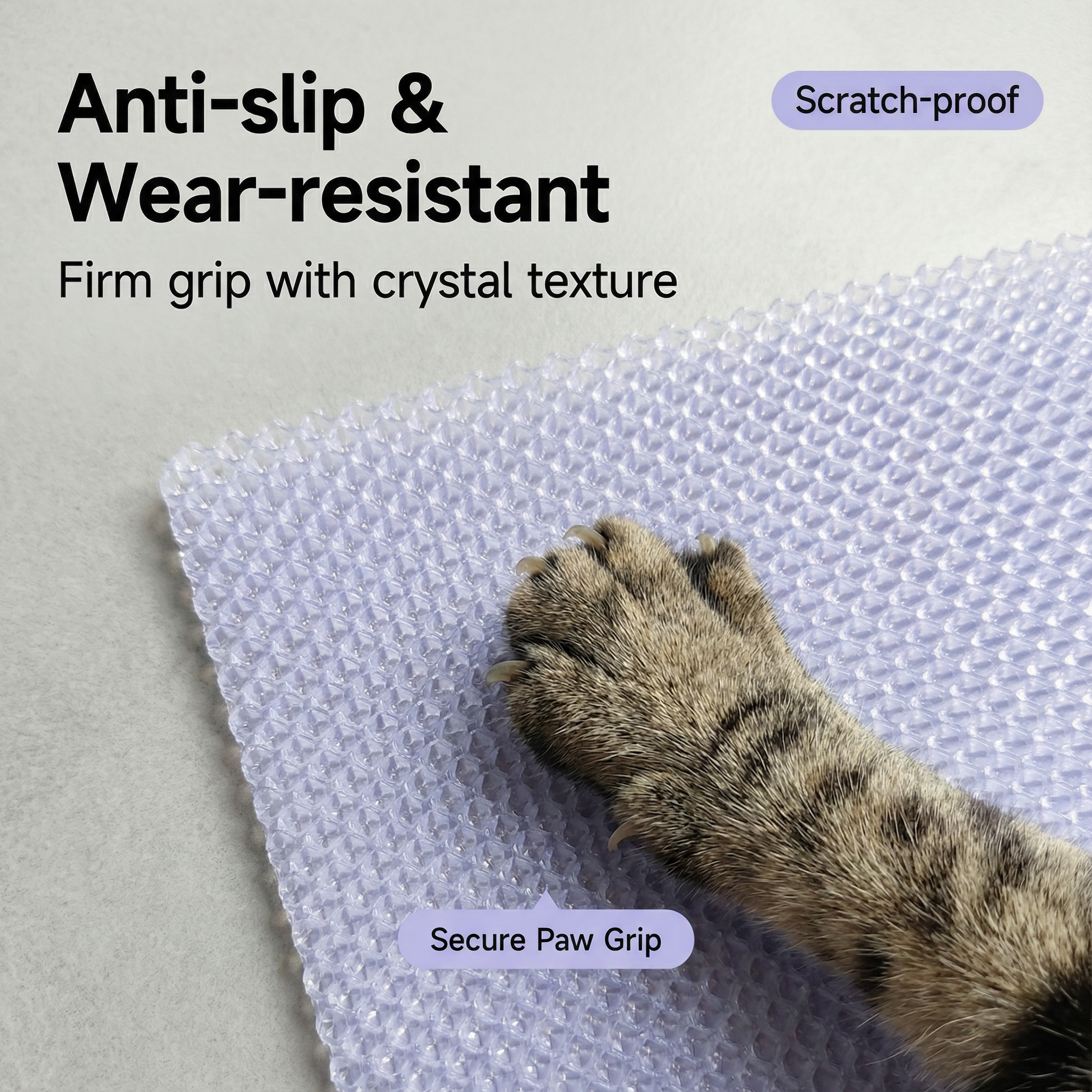
TPE ավտոմեքենայի հատակի գորգերի և ավանդական PVC տարբերակների ընտրությունը կարևոր որոշման կետ է հանդիսանում ավտոմեքենաների արտադրողների, ավտոմեքենայի հետադարձ շուկայի մատակարարների և խիստ պահանջկոտ ավտոմեքենայի սեփականատերերի համար: Չնայած երկու նյութերն էլ կատարում են մեքենայի ներքին մասերը կեղտից, խոնավությունից և մաշվելուց պաշտպանելու հիմնարար գործառույթը, դրանց շահագործման բնութագրերը զգալիորեն տարբերվում են, երբ ենթարկվում են իրական ավտոմոբիլային պայմանների: Այս տարբերությունների հասկացումը դառնում է անհրաժեշտ, քանի որ ավտոմոբիլային արդյունաբերությունը ավելի ու ավելի շատ է կենտրոնանում նյութերի տևականության վրա՝ միաժամանակ հաշվի առնելով նաև շրջակա միջավայրի վրա ազդեցության հարցերը:
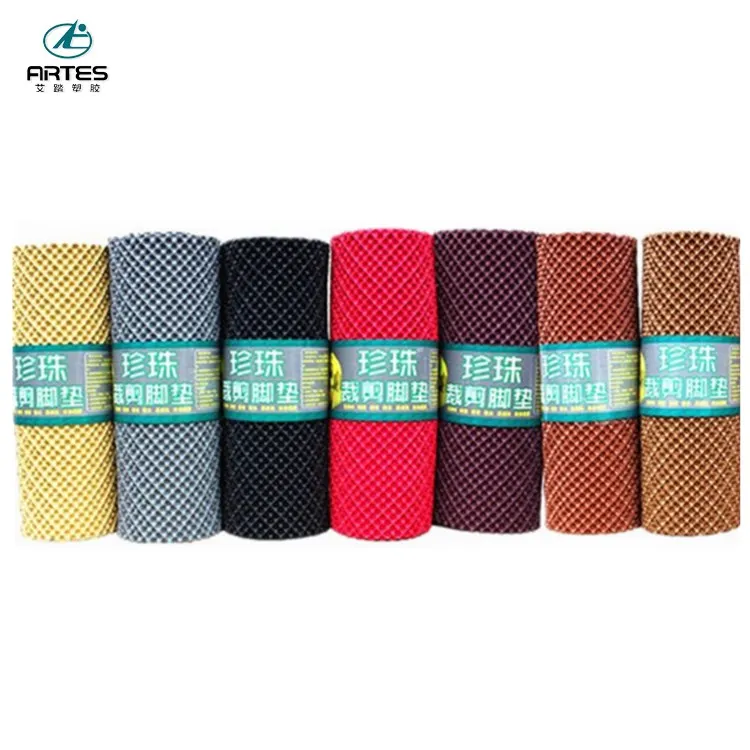
TPE-ի և PVC-ի ավտոմեքենայի հատակի մատերի մշակման տևականության համեմատությունը գերազանցում է պարզ մաշվածության դիմացկունությունը՝ ներառելով ջերմային կայունություն, քիմիական դիմացկունություն և երկարաժամկետ կառուցվածքային ամբողջականություն: Ժամանակակից ավտոմոբիլային կիրառումները պահանջում են նյութեր, որոնք պահպանում են իրենց պաշտպանիչ հատկությունները տարբեր կլիմայական պայմաններում, օգտագործման ձևերում և ազդեցության սցենարներում: Այս համապարփակ վերլուծությունը հետազոտում է, թե ինչպես են այս երկու նյութերը վարվում ավտոմոբիլային հատակի պաշտպանության կիրառումների համար բնորոշ ծանր պայմաններում:
Նյութի բաղադրություն և կառուցվածքային տևականություն
TPE-ի մոլեկուլային կառուցվածք և տևականության առավելություններ
Տերմոպլաստիկ էլաստոմերները, որոնք օգտագործվում են TPE ավտոմեքենայի հատակի մատնիկներում, ցուցադրում են եզակի մոլեկուլային ճարտարապետություն, որը միավորում է տերմոպլաստների մշակման առավելությունները և ռետինի էլաստիկ հատկությունները: Այս երկֆազ կառուցվածքը բաղկացած է կարծր տերմոպլաստիկ հատվածներից, որոնք ապահովում են կառուցվածքային ամրություն, և մեղմ էլաստոմերային հատվածներից, որոնք ապահովում են ճկունություն և հարվածային դիմացկունություն: Ստացված նյութը ցուցադրում է գերազանց վարժեցման դիմացկունություն՝ համեմատած սովորական PVC-ի հետ, պահպանելով իր ձևը և պաշտպանիչ հատկությունները՝ նույնիսկ ավտոմեքենայի հատակի մատնիկների օգտագործման ընթացքում բնորոշ կրկնվող սեղմման ցիկլերից հետո:
TPE նյութերում առկա խաչաձև կապված ցանցը ստեղծում է բացառիկ ճեղքման դիմացկունություն, որը թույլ է տալիս TPE ավտոմեքենայի հատակի մատնիկներին դիմանալ սուր առարկաներին, ծանր ոտքի շարժումներին և ագրեսիվ մաքրման ընթացակարգերին՝ առանց ճեղքվելու կամ մշտական ձևափոխության ենթարկվելու: Այս մոլեկուլային կայունությունը ուղղակիորեն թարգմանվում է երկարաձգված ծառայության ժամանակահատվածի մեջ, քանի որ նյութը դիմանում է բրիտտլությանը, որը հաճախ ազդում է PVC արտադրանքների վրա ժամանակի ընթացքում:
Ջերմաստիճանի շրջանային փոփոխությունները ներկայացնում են մեկ այլ ոլորտ, որտեղ TPE-ն ցուցադրում է գերազանց մշակման հատկանիշներ: TPE-ի ներսում գտնվող պոլիմերային շղթաները պահպանում են իրենց ճկունությունը ավելի լայն ջերմաստիճանային միջակայքում, ինչը կանխում է ջերմային շոկի վնասը, որը կարող է վնասել PVC հատակի մատնիկները ծայրահեղ ավտոմոբիլային միջավայրերում:
PVC-ի կառուցվածքային սահմանափակումները և մշակման մասին մարտահրավերները
Ավանդական PVC հատակի մատնիկները ճկունություն ձեռք բերելու համար կախված են պլաստիֆիկատորներից, ինչը ստեղծում է ներքին մշակման սահմանափակումներ, որոնք հստակ երևում են երկարատև օգտագործման ընթացքում: Այդ պլաստիֆիկատորները ժամանակի ընթացքում կարող են միգրացվել պոլիմերային մատրիցից, ինչը հանգեցնում է աստիճանաբար կոշտացման և հարվածային դիմացկունության նվազման: Պլաստիֆիկատորների միգրացիան արագանում է ավտոմեքենայի ներսում հաճախ հանդիպող բարձրացված ջերմաստիճանների պայմաններում, հատկապես այն մեքենաներում, որոնք ենթարկվում են ուղիղ արեւային լույսի կամ ծայրահեղ կլիմայական պայմանների:
ՊՎՔ-ի գծային պոլիմերային կառուցվածքը այն ավելի զգայուն է դարձնում լարվածության ճաքերի նկատմամբ՝ կրկնվող ծալման շարժումների ժամանակ: Ի տարբերություն TPE ավտոմեքենայի հատակի գորգերի, որոնք լարվածությունը բաշխում են իրենց առաձգական փուլերում, ՊՎՔ արտադրանքը կենտրոնացնում է լարվածությունը մոլեկուլային թույլ կետերում, ինչը հանգեցնում է ճաքերի առաջացմանը և տարածմանը ավտոմեքենաների սովորական օգտագործման պայմաններում:
Քիմիական քայքայումը մեկ այլ տևողականության հարց է PVC հատակի մատնիկների համար, քանի որ նյութը կարող է ենթարկվել շղթայի կտրման՝ երբ ենթարկվում է որոշ ավտոմոբիլային հեղուկների, մաքրման քիմիական միջոցների և ՈՒԼ ճառագայթման: Այս քայքայման գործընթացը աստիճանաբար նվազեցնում է նյութի մեխանիկական հատկությունները և պաշտպանիչ արդյունավետությունը:
Շրջակա միջավայրի լարման դիմացկունություն և աշխատանքային տևողականություն
Ջերմաստիճանի կայունություն և ջերմային ցիկլավորման կատարում
TPE-ից պատրաստված ավտոմեքենայի հատակի մատերը ցուցադրում են բացառիկ կատարում ավտոմոբիլային կիրառումներում հանդիպող ծայրահեղ ջերմաստիճանային շրջանակներում: Այս նյութերը պահպանում են իրենց ճկունությունը և պաշտպանիչ հատկությունները -40°C-ից սկսած մինչև 80°C-ից բարձր ջերմաստիճաններում, ինչը ընդգրկում է ավտոմեքենայի ներքին պայմանների ամբողջ սպեկտրը: TPE-ի թերմոպլաստիկ բնույթը թույլ է տալիս կատարել ջերմային ցիկլավորում՝ առանց հատկությունների մշտական փոփոխության, ինչը երաշխավորում է սեզոնային ջերմաստիճանային տատանումների ընթացքում հաստատուն պաշտպանություն:
Ջերմային ավարտական փորձարկումները ցույց են տալիս, որ TPE-ն իր սկզբնական մեխանիկական հատկությունները զգալիորեն երկար պահպանում է, քան PVC-ի այլընտրանքային տարատեսակները: Եթե սովորական PVC հատակի մատնիկները երկարատև բարձրացված ջերմաստիճանի ազդեցության տակ կարող են դառնալ փխրուն և ճեղքվելու հակված, ապա TPE ավտոմեքենայի հատակի մատնիկները պահպանում են իրենց էլաստիկությունը և հարվածային դիմացկունությունը: Այս ջերմային կայունությունը ուղղակիորեն հանգեցնում է փոխարինման հաճախականության նվազման և ավտոմոբիլային կիրառումների ընդհանուր սեփականատիրային ծախսերի իջեցման:
Ցածր ջերմաստիճաններում աշխատանքի հատկությունները լրացուցիչ տարբերակում են TPE-ն PVC նյութերից: TPE մեքենայի հատակի մատնիկները մնում են ճկուն և ֆունկցիոնալ սառցակալման ստորև գտնվող պայմաններում, մինչդեռ PVC արտադրանքները կարող են դառնալ կոշտ և վնասվել հարվածի ազդեցության տակ: Այս ցածր ջերմաստիճանում ճկունությունը երաշխավորում է տարեցային պաշտպանություն և օգտագործողների բավարարվածություն տարբեր աշխարհագրական շուկաներում:
Քիմիական դիմացկունություն և մաքրման կայունություն
TPE մեքենայի հատակի մատնիկների քիմիական դիմացկունությունը գերազանցում է ավանդական PVC արտադրանքների քիմիական դիմացկունությունը մեքենաների օգտագործման համար համապատասխան բազմաթիվ ազդեցության սցենարներում: TPE նյութերը ցուցաբերում են հիասքանչ դիմացկունություն մեքենայի հեղուկների նկատմամբ, այդ թվում՝ շարժիչի յուղի, արգելակային հեղուկի, սառեցման հեղուկի և ապակիների լվացման հեղուկի, պահպանելով իրենց կառուցվածքային ամբողջականությունը և տեսքը նույնիսկ երկարատև շփման դեպքում: Այս քիմիական կայունությունը կանխում է PVC հատակի մատնիկների փքվելը, մեղմանալը կամ գունային փոփոխությունը, երբ դրանք ենթարկվում են նմանատիպ նյութերի ազդեցության:
Մաքրման քիմիական նյութերի հետ համատեղելիությունը ներկայացնում է մեկ այլ տևողականության առավելություն TPE նյութերի համար: TPE մեքենայի հատակի մատնիկները դիմանում են ալկալիական մաքրիչների, ճարպահեռացնողների և դեզինֆեկտանտների բազմակի ազդեցության՝ առանց մակերևույթի վատացման կամ հատկությունների կորստի: Նյութի քիմիական ազդեցությունների նկատմամբ դիմացկունությունը ապահովում է, որ սովորական պահպանման գործողությունները մատնիկների պաշտպանիչ հատկությունները ուժեղացնեն, այլ ոչ թե վտանգեն:
Աղի դիմացկունությունը հատկապես կարևոր է ավտոմոբիլային կիրառումների համար այն շրջաններում, որտեղ ճանապարհային աղի օգտագործումը տարածված է: TPE նյութերը ցուցաբերում են ավելի բարձր դիմացկունություն քլորիդների առաջացրած կոռոզիայի և նյութի վատացման նկատմամբ՝ համեմատած PVC այլընտրանքների հետ, և պահպանում են իրենց պաշտպանիչ հատկությունները ձմեռային վարելաձևի ամբողջ շրջանում:
Մեխանիկական տևողականություն և մաշվելու դիմացկունություն
Մաշվելու դիմացկունություն և մակերևույթի տևողականություն
Լաբորատորիայում կատարված փորձարկումները ցույց են տալիս, որ TPE մեքենայի հատակի մատնիկները ստանդարտացված մաշվածության փորձարկումների ժամանակ ցուցաբերում են ավելի բարձր մաշվածության դիմացկունություն՝ համեմատած ավանդական PVC արտադրանքների հետ: TPE-ի մեջ պարունակվող էլաստոմերային բաղադրիչները ավելի արդյունավետ են բաշխում մեխանիկական լարվածությունը, ինչը նվազեցնում է մակերևույթի մաշվածության արագությունը և երկար շահագործման ժամանակահատվածում պահպանում է պաշտպանիչ արգելափակման հատկությունները: Այս բարելավված մաշվածության դիմացկունությունը ուղղակիորեն կապված է ավտոմեքենաների համար նախատեսված արտադրանքների ավելի երկար շահագործման ժամանակահատվածի և նվազած սպասարկման պահանջների հետ:
TPE մեքենայի հատակի մատնիկների մակերևույթի տեքստուրան պահպանվում է ամբողջ շահագործման ժամանակահատվածում, ապահովելով արդյունավետ ճկունություն և աղտոտության կանգնեցման հատկություններ նույնիսկ երկարատև օգտագործման դեպքում: Ի տարբերություն PVC նյութերի, որոնք կարող են ձեռք բերել հարթ մաշվածության նմուշներ, ինչը նվազեցնում է դրանց պաշտպանիչ արդյունավետությունը, TPE-ն պահպանում է իր սկզբնական մակերևույթի բնութագրերը հազարավոր մուտքի և ելքի ցիկլերի ընթացքում:
Հարվածային դիմացկունության փորձարկումները ցույց են տալիս, որ TPE նյութերը ավելի արդյունավետ են կլանում և рассеյան էներգիան՝ համեմատած PVC այլընտրանքների հետ: Այս բարձրակարգ հարվածային դիմացկունությունը կանխում է անցքերի, ճեղքերի և մշտական ձևափոխության առաջացումը, որոնք կարող են վնասել ավանդական հատակի մատների պաշտպանիչ ամբողջականությունը: Բարձր էներգիայով հարվածներին դիմանալու ունակությունը այս նյութը դարձնում է TPE Ավտոմեքենայի Սալիկներ հատկապես հարմար առևտրային և ծանր շահագործման համար նախատեսված ավտոմոբիլային կիրառումների համար:
Կարծրացման վարժանքի դիմացկունություն և չափային կայունություն
Կարծրացման վարժանքի փորձարկումները բացահայտում են կարևոր կատարողական տարբերություններ TPE-ի և PVC-ի նյութերի միջև՝ ավտոմեքենայի հատակի մատների կիրառման համար բնորոշ ցիկլային բեռնվածության պայմաններում: TPE ավտոմեքենայի հատակի մատները ցույց են տալիս, որ կարող են դիմանալ միլիոնավոր կարծրացման ցիկլերի՝ առանց ճեղքերի առաջացման կամ հատկությունների վատացման, մինչդեռ PVC արտադրանքները կարող են ցույց տալ վարժանքի վատացման նշաններ զգալիորեն ավելի քիչ ցիկլերից հետո: Այս բարելավված վարժանքի դիմացկունությունը երաշխավորում է համապատասխան պաշտպանությունը մեքենայի սպասվող շահագործման ժամանակաշրջանում:
Չափսերի կայունությունը ներկայացնում է մեկ այլ՝ կրիտիկական տևականության գործոն, որտեղ TPE նյութերը գերազանցում են: TPE մեքենայի հատակի մատները պահպանում են իրենց սկզբնական ձևը և համապատասխանելու բնութագրերը՝ նույնիսկ երկարատև բեռնվածության, ջերմաստիճանի շրջանառության և խոնավության ազդեցության դեպքում: Այս չափսերի կայունությունը երաշխավորում է ճիշտ ծածկույթ և պաշտպանություն ամբողջ արտադրանքի օգտագործման ժամանակաշրջանում՝ կանխելով բացվածքներ կամ ճշգրտության կորուստ, որոնք կարող են վտանգել ներքին տարածքի պաշտպանությունը:
Սահմանային ձևափոխման փորձարկումները ցույց են տալիս, որ TPE նյութերը դիմացկուն են երկարատև բեռնվածության պայմաններում մշտական ձևափոխման նկատմամբ: Այս հատկությունը երաշխավորում է, որ TPE մեքենայի հատակի մատները պահպանում են իրենց սկզբնական հաստությունը և պաշտպանական հնարավորությունները՝ նույնիսկ բարձր երթևեկությամբ տարածքներում, որտեղ ավանդական PVC արտադրանքները կարող են ձեռք բերել մշտական սեղմման սեթեր, որոնք նվազեցնում են դրանց արդյունավետությունը:
Երկարաժամկետ աշխատանքային ցուցանիշներ և ծառայության ժամկետի վերլուծություն
Արագացված ավարտապետում և հատկությունների պահպանում
Արագացված ծերացման ուսումնասիրությունները համոզիչ ապացույցներ են տրամադրում TPE ավտոմեքենայի հատակի մատերի երկարաժամկետ գերազանց մշակումային կայունության մասին՝ համեմատած ավանդական PVC այլընտրանքների հետ: Ստանդարտացված փորձարկման պայմաններում, որոնք նմանակում են տարիներ շարունակ ավտոմեքենայի շահագործումը, TPE նյութերը պահպանում են իրենց սկզբնական մեխանիկական հատկությունների ավելի մեծ տոկոսը, ներառյալ ձգման ամրությունը, երկարացումը և հարվածային դիմացկունությունը: Այս հատկությունների պահպանումը ուղղակիորեն նշանակում է շահագործման ժամկետի երկարացում և ապրանքի նախատեսված կյանքի ընթացքում պաշտպանիչ արդյունավետության պահպանում:
UV ճառագայթման փորձարկումները ցույց են տալիս, որ TPE ավտոմեքենայի հատակի մատերը ցուցաբերում են ավելի բարձր դիմացկունություն լուսային քայքայման նկատմամբ՝ համեմատած PVC ապրանքների հետ: Չնայած երկու նյութերն էլ կարող են որոշակի գունային փոփոխություն ապրել երկարատև UV ճառագայթման ազդեցության տակ, TPE-ն ավելի արդյունավետ է պահպանում իր կառուցվածքային ամբողջականությունը և մեխանիկական հատկությունները: Այս UV կայունությունը հատկապես կարևոր է կոնվերտիբլ մեքենաների կամ այն դեպքերում, երբ հատակի մատերը ենթարկվում է ուղիղ արեւային լուսավորման:
Օզոնի դիմադրության փորձարկումները եւս հաստատում են TPE նյութերի դիմացկունության առավելությունը: TPE ավտոմեքենայի հատակագծերը դիմացկուն են օզոնի ազդեցությամբ առաջացած ճեղքման եւ մակերեսի վատթարացմանը, որոնք կարող են ազդել բարձր օզոնի միջավայրում PVC արտադրանքի վրա: Այս դիմադրությունը ապահովում է պահպանվող պաշտպանական կատարողականը նույնիսկ բարձր օզոնի մակարդակով քաղաքային միջավայրերում:
Տնտեսական կայունության եւ ընդհանուր ծախսերի վերլուծություն
TPE ավտոմեքենայի հատակագծերի ամրացված ամրության հատկությունները, երբ գնահատվում են սեփականության ընդհանուր արժեքի հիման վրա, նշանակում են զգալի տնտեսական առավելություններ ավանդական PVC այլընտրանքների նկատմամբ: Ծառայության երկարատեւ տեւողությունը նվազեցնում է փոխարինման հաճախականությունը, իսկ վնասվածքների եւ դեգրադացիայի նկատմամբ գերազանց դիմադրությունը նվազեցնում է պահպանման պահանջները: Այս գործոնները համակցված են ավելի ցածր ընդհանուր ծախսերի ապահովման համար, չնայած TPE արտադրանքի համար հնարավորորեն ավելի բարձր սկզբնական նյութական ծախսերին:
Ավտոմոբիլային արտադրողների երաշխիքային պահանջների վերլուծությունը ցույց է տալիս, որ TPE մեքենայի հատակի մատների փոխարինման մակարդակը ցածր է PVC մատների համեմատությամբ: Այս նվազած փոխարինման հաճախականությունը արտացոլում է TPE նյութերի գերազանց մշակման կայունության բնութագրերը և դրանց պաշտպանիչ արդյունավետությունը պահպանելու կարողությունը երկարատև շահագործման ընթացքում: Այս երաշխիքային ծախսերի նվազումը լրացուցիչ տնտեսական հիմնավորում է տալիս TPE նյութի ընտրության համար:
Վերջնական օգտագործման հարցերը նույնպես նպաստում են TPE նյութերին՝ տնտեսական կայունության տեսանկյունից: TPE մեքենայի հատակի մատների վերամշակելիությունը հնարավորություն է տալիս վերականգնել և վերամշակել նյութը, ինչը ստեղծում է լրացուցիչ արժեք այն ապրանքներից, որոնք հասել են իրենց ավտոմոբիլային շահագործման վերջնական փուլին: Այս վերամշակելիությունը հակադրվում է ավանդական PVC ապրանքներին, որոնք կարող են ներկայացնել վերացման դժվարություններ և կապված ծախսեր:
Հաճախ տրամադրվող հարցեր
Ինչքա՞ն է TPE մեքենայի հատակի մատների սովորական ծառայության ժամկետը PVC մատների համեմատությամբ:
ՏՊԵ-ից պատրաստված մեքենայի հատակի մատները սովորաբար ունեն 25–40 % ավելի երկար ծառայության ժամկետ, քան ավանդական ՊՎԿ-ից պատրաստված մատները՝ նմանատիպ օգտագործման պայմաններում: Լաբորատորիայում կատարված փորձարկումները և գործնական փորձը ցույց են տալիս, որ ՏՊԵ նյութերը պահպանում են իրենց պաշտպանիչ հատկությունները 5–7 տարի շարունակ սովորական ավտոմոբիլային կիրառումներում, մինչդեռ ՊՎԿ-ից պատրաստված արտադրանքները կարող են պահանջել փոխարինում 3–5 տարի անց՝ ճեղքվելու, մեխանիկական ամրության կորստի կամ հատկությունների վատացման պատճառով:
Արդյո՞ք ՏՊԵ-ից պատրաստված մեքենայի հատակի մատները լավ են աշխատում ծայրահեղ ջերմաստիճանային պայմաններում:
Այո, ՏՊЕ-ից պատրաստված մեքենայի հատակի մատները զգալիորեն գերազանցում են ՊՎԿ-ից պատրաստված մատներին ծայրահեղ ջերմաստիճանային պայմաններում: ՏՊԵ նյութերը պահպանում են իրենց ճկունությունն ու հարվածային դիմացկունությունը −40°C-ից մինչև +80°C ջերմաստիճանային միջակայքում, մինչդեռ ՊՎԿ-ից պատրաստված արտադրանքները կարող են դառնալ փխրուն սառը պայմաններում և մեղմ կամ ձևափոխված՝ բարձր ջերմաստիճանների դեպքում: Այս ջերմաստիճանային կայունությունը ՏՊԵ-ն հատկապես հարմար է դարձնում ծայրահեղ կլիմայական պայմաններում աշխատող կամ տարվա ընթացքում զգալի ջերմաստիճանային տատանումներ ապրող մեքենաների համար:
Կա՞ն ՏՊԵ-ի համեմատությամբ ՊՎԿ-ի որևէ այլ առավելություններ մեքենայի հատակի մատների տեսանկյունից:
Չնայած TPE-ն ցուցադրում է գերազանց մշակվածություն շատ դեպքերում, այն կարող է ունենալ մի փոքր բարձր սկզբնական արժեք և հնարավոր է՝ տարբեր մակերեսային տեքստուրա, որը որոշ օգտագործողներ նախընտրում են PVC արտադրանքներում: Սակայն այս փոքր համարարկումները սովորաբար գերազանցվում են TPE-ի գերազանց քիմիական դիմացկունությամբ, ջերմաստիճանային կայունությամբ և երկարացված սպասարկման ժամանակահատվածով: TPE-ի բարելավված մշակվածության բնութագրերը ընդհանուր առմամբ ապահովում են լավագույն երկարաժամկետ արժեք՝ անկախ սկզբնական արժեքի տարբերությունից:
Ինչպե՞ս են մաքրման ընթացակարգերը ազդում TPE-ի և PVC-ի ավտոմեքենայի հատակի մատների մշակվածության վրա:
TPE-ից պատրաստված ավտոմեքենայի հատակի մատնիկները ցուցադրում են գերազանց մշակման կայունություն՝ համեմատած PVC մատնիկների հետ, երբ կիրառվում են խիստ մաքրման մեթոդներ: TPE նյութերը դիմացկուն են սովորական ավտոմեքենայային մաքրիչների, ճարպահեռացնողների և դեզինֆեկտանտների քիմիական ազդեցությանը, մինչդեռ PVC արտադրանքները նմանատիպ պայմաններում կարող են փափկել, փքվել կամ վառվել: Այս մաքրման քիմիական նյութերի նկատմամբ դիմացկունությունը թույլ է տալիս TPE մատնիկներին պահպանել իրենց պաշտպանիչ հատկությունները և արտաքին տեսքը երկարատև օգտագործման ընթացքում՝ սովորական սպասարկման պայմաններում:
Բովանդակության սեղան
- Նյութի բաղադրություն և կառուցվածքային տևականություն
- Շրջակա միջավայրի լարման դիմացկունություն և աշխատանքային տևողականություն
- Մեխանիկական տևողականություն և մաշվելու դիմացկունություն
- Երկարաժամկետ աշխատանքային ցուցանիշներ և ծառայության ժամկետի վերլուծություն
-
Հաճախ տրամադրվող հարցեր
- Ինչքա՞ն է TPE մեքենայի հատակի մատների սովորական ծառայության ժամկետը PVC մատների համեմատությամբ:
- Արդյո՞ք ՏՊԵ-ից պատրաստված մեքենայի հատակի մատները լավ են աշխատում ծայրահեղ ջերմաստիճանային պայմաններում:
- Կա՞ն ՏՊԵ-ի համեմատությամբ ՊՎԿ-ի որևէ այլ առավելություններ մեքենայի հատակի մատների տեսանկյունից:
- Ինչպե՞ս են մաքրման ընթացակարգերը ազդում TPE-ի և PVC-ի ավտոմեքենայի հատակի մատների մշակվածության վրա: