
 EN
EN


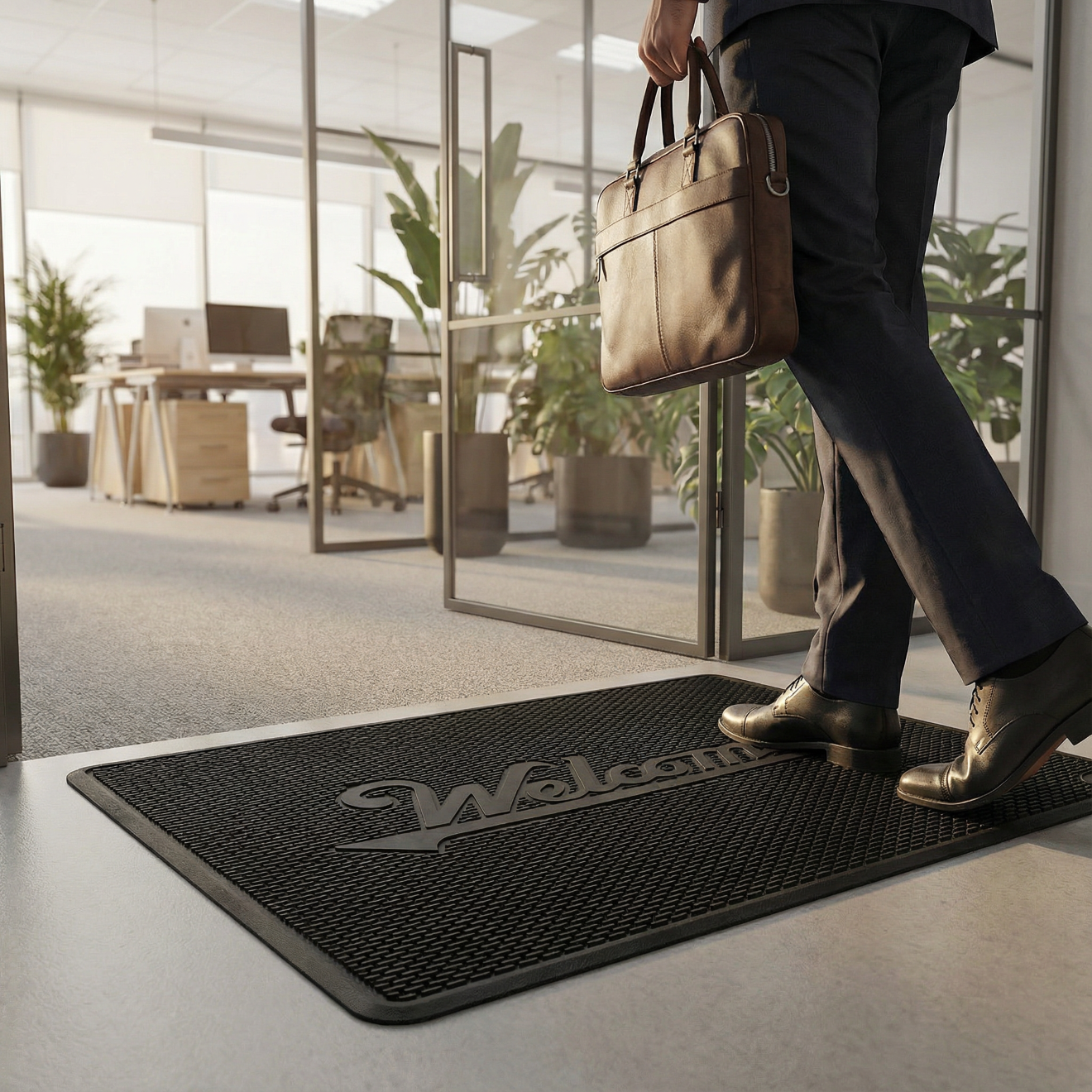
Zrozumienie, w jaki sposób różne materiały stosowane do wykładzin podłogowych wpływają na procedury czyszczenia i konserwacji, jest kluczowe dla menedżerów obiektów, operatorów flot samochodowych oraz właścicieli nieruchomości komercyjnych, którzy muszą znaleźć optymalny kompromis między trwałością, wyglądem a kosztami pracy. Skład materiału wykładzin podłogowych ma bezpośredni wpływ na łatwość usuwania brudu i zanieczyszczeń, częstotliwość konieczności przeprowadzania głębokiego czyszczenia oraz na to, jakie procedury konserwacyjne zapewniają optymalną wydajność przez cały okres użytkowania produktu. Każda kategoria materiałów charakteryzuje się własnymi zaletami i wyzwaniami, które wpływają na efektywność operacyjną, a jej właściwości obejmują m.in. pojemność absorpcyjną, odporność na plamy oraz integralność strukturalną przy wielokrotnym czyszczeniu.
Związek między materiałami podkładów podłogowych a łatwością ich konserwacji wykracza poza proste przetrzepanie powierzchni i obejmuje takie czynniki jak zdolność do zatrzymywania wilgoci, zgodność chemiczną, potencjał wzrostu mikroorganizmów oraz stabilność wymiarową po narażeniu na środki czyszczące. Syntetyczne polimery, naturalne włókna, mieszanki kauczukowe oraz konstrukcje hybrydowe różnią się wrażliwością na standardowe metody czyszczenia, co wymaga od operatorów obiektów dopasowania wyboru materiału do dostępnych zasobów konserwacyjnych oraz warunków środowiskowych. To dopasowanie właściwości materiału do protokołów czyszczenia decyduje nie tylko o wyglądzie wizualnym systemów podkładów, ale także o ich użytkowym okresie życia oraz całkowitych kosztach posiadania w zastosowaniach komercyjnych, przemysłowych i motocyklowych.
Charakterystyka absorpcji i uwalniania materiału-specyficznego
Zachowanie syntetycznych polimerów podczas narażenia na ciecze
Materiały do wykonywania mat podłogowych z termoplastycznego elastomeru i polipropylenu wykazują zasadniczo odmienne interakcje z cieczami w porównaniu do materiałów chłonących, co prowadzi do innych wzorców konserwacji. Te syntetyczne polimery charakteryzują się niską energią powierzchniową, która zapobiega przesiąkaniu cieczy do struktury materiału, powodując, że woda, oleje oraz roztwory chemiczne tworzą krople na powierzchni zamiast wchodzić w głąb matrycy. Ta cecha niemacierzowa umożliwia szybkie usuwanie cieczy poprzez proste przetrzymanie powierzchni lub zastosowanie gładzika, eliminując potrzebę użycia sprzętu do ekstrakcji lub długotrwałego okresu schnięcia, który jest wymagany w przypadku materiałów chłonących.
Hidrofobowa natura wysokiej klasy syntetycznych materiałów do mat do podłogi przekłada się bezpośrednio na mniejszą częstotliwość konieczności konserwacji oraz uproszczenie procedur czyszczenia. Zanieczyszczenia powierzchniowe pozostają łatwo dostępne do usunięcia, zamiast przenikać w głąb struktury włókien, gdzie konieczne staje się głębokie oczyszczanie. Taki wzór zanieczyszczeń ograniczonych do powierzchni pozwala personelowi konserwacyjnemu osiągnąć skuteczne czyszczenie przy użyciu podstawowych narzędzi i minimalnej ilości wody, co zmniejsza zarówno czas pracy, jak i zużycie zasobów. Stabilność wymiarowa tych polimerów w warunkach wilgotnych zapobiega również problemom związanych z wyginaniem i kurczeniem się, które utrudniają konserwację alternatywnych materiałów z naturalnych włókien.
Pomiary skuteczności czyszczenia wykazują, że szmaty z syntetycznego polimeru wymagają około czterdzieści procent mniej wody i pięćdziesiąt procent krótszego czasu schnięcia w porównaniu do alternatywnych wykładzin dywanowych o podobnej powierzchni. Ta wydajność wynika z niemożności materiału do utrzymywania wilgoci w swojej strukturze, co umożliwia szybkie przywrócenie ich do użytku po cyklach czyszczenia. W środowiskach komercyjnych o dużym natężeniu ruchu, gdzie przestoje bezpośrednio wpływają na przebieg operacji, cecha szybkiego schnięcia stanowi istotną zaletę operacyjną, zmniejszającą całkowitą liczbę zestawów szmat wymaganych do rotacji w okresach konserwacji.
Dynamika absorpcji przez włókna naturalne oraz złożoność czyszczenia
Materiały do wyrobów dywanowych z bawełny, juty oraz mieszanych włókien naturalnych działają dzięki działaniu kapilarnemu i porowatości struktury włókien, wchłaniając ciecze do swojej wewnętrznej matrycy zamiast odpychać zanieczyszczenia powierzchniowe. Ten mechanizm wchłaniania zapewnia doskonałe początkowe chwytywanie brudu, ale stwarza trudności w utrzymaniu czystości, ponieważ zanieczyszczenia wbijają się głęboko w wiązki włókien, gdzie czyszczenie powierzchniowe nie jest w stanie ich usunąć. Trójwymiarowe uwięzienie cząstek brudu, olejów i wilgoci w strukturach włókien naturalnych wymaga stosowania metod czyszczenia opartych na ekstrakcji, które wykorzystują siłę ssącą do usuwania głęboko zakorzenionych zanieczyszczeń.
Higroskopijna natura materiałów stosowanych w podkładkach podłogowych z włókien naturalnych oznacza, że stale wymieniają one wilgoć z powietrzem otaczającym, tworząc warunki sprzyjające rozwojowi mikroorganizmów w przypadku zanieczyszczenia zawierającego związki organiczne. Ryzyko związane z tą aktywnością biologiczną wymaga częstszych cykli głębokiego czyszczenia oraz potencjalnego zastosowania środków przeciwbakteryjnych w porównaniu do alternatyw syntetycznych. Procedury konserwacji podkładek z włókien naturalnych muszą uwzględniać dokładne suszenie, aby zapobiec powstawaniu pleśni; często wymaga to użycia specjalistycznego sprzętu do suszenia lub dłuższego narażenia na działanie powietrza – czynności, których nie wymagają materiały syntetyczne.
Trwałość przebarwień stanowi kolejny aspekt konserwacji charakterystyczny dla materiałów stosowanych w podkładkach podłogowych o właściwościach chłonnym, ponieważ barwniki i oleje przenikające w strukturę włókien często opierają się usuwaniu nawet przy zastosowaniu agresywnych środków czyszczących. Naturalne włókna szczególnie łatwo ulegają przebarwieniom pochodzącym z tanin, produktów naftowych oraz substancji kwasowych, które wiążą się chemicznie ze strukturą celulozy. Ta podatność na trwałe przebarwienia skraca rzeczywistą żywotność podkładki z naturalnych włókien w środowiskach, w których nieuniknione jest ich narażenie na te zanieczyszczenia, co wymaga częstszej wymiany i zwiększa całkowity koszt eksploatacji mimo potencjalnie niższych początkowych cen zakupu.
Tekstura powierzchniowa mieszanki gumowej i zatrzymywanie cząstek
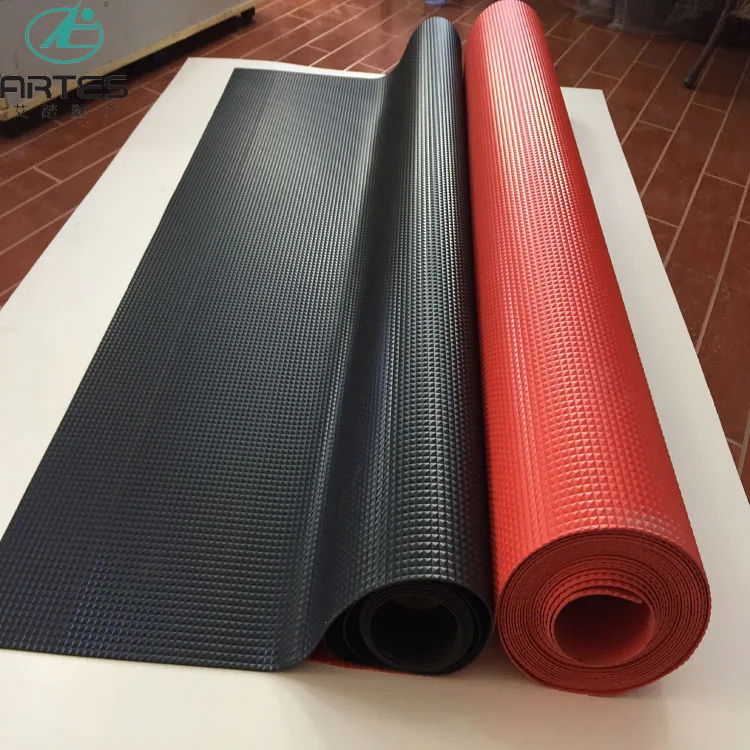
Wulkanizowane gumy i kompozyty z recyklingowej gumy stosowane w materiałach do wykładzin podłogowych stanowią kompromis między całkowicie syntetycznymi polimerami a naturalnymi włóknami, przy czym cechy związane z konserwacją zależą od faktury powierzchni oraz składu mieszanki. Wrodzona elastyczność i wzory faktur gumy tworzą strefy fizycznego uwięzienia zanieczyszczeń cząstkowych, w których cząstki brudu osadzają się w rowkach i wypukłych wzorach powierzchni, a nie pozostają luźno na gładkich powierzchniach. To mechaniczne uchwytanie poprawia wydajność zatrzymywania brudu, ale utrudnia jego usuwanie podczas czyszczenia.
Protokoły konserwacji materiałów stosowanych w gumowych podkładkach podłogowych zwykle wymagają działania mechanicznego, takiego jak szczotkowanie lub mycie pod wysokim ciśnieniem, w celu usunięcia cząstek z powierzchni o teksturze, co czyni zwykłe przetrzepanie niewystarczającym do dokładnego oczyszczenia. Trwałość związków gumowych pozwala na stosowanie intensywnych metod czyszczenia bez degradacji materiału, jednak wymagane wyposażenie oraz ilości wody przekraczają te potrzebne do czyszczenia gładkich powierzchni syntetycznych. Systemy mycia pod wysokim ciśnieniem działające w zakresie od tysiąca do dwóch tysięcy funtów na cal kwadratowy skutecznie usuwają cząstki zapadające się w strukturę materiału, choć taka intensywność wymaga dedykowanych stref czyszczenia wyposażonych w odpowiednią infrastrukturę odprowadzania wody.
Odporność chemiczna znacznie różni się w zależności od rodzaju mieszanki gumy: guma naturalna jest podatna na rozpuszczalniki oparte na ropie naftowej, podczas gdy mieszanki gumy syntetycznej wykazują większą odporność na szerszy zakres czynników chemicznych. Ta różnica wpływa na dobór środków czyszczących oraz ich zgodność z materiałem, co wymaga od personelu konserwacyjnego sprawdzenia specyfikacji materiałowych przed zastosowaniem środków do usuwania smaru lub specjalistycznych roztworów czyszczących. Niektóre materiały stosowane do wyrobu gumowych mat do podłogi ulegają degradacji powierzchniowej po narażeniu na środki odczyszczające o odczynie zasadowym powyżej pH 10, co przejawia się lepką powierzchnią lub przyspieszonym zużyciem, skracającym czas użytkowania i zwiększającym częstotliwość wymiany.
Wpływ temperatury na reakcję materiału podczas czyszczenia
Wpływ niskich temperatur na sztywność materiału
Warunki temperaturowe podczas operacji czyszczenia znacząco wpływają na sposób, w jaki materiały podkładki podłogowej reagują na procedury konserwacji; zimne środowisko stwarza szczególne trudności dla metod czyszczenia zależnych od elastyczności. Materiały termoplastyczne stają się bardziej sztywne w temperaturach poniżej 40 stopni Fahrenheita, co ogranicza ich zdolność do gięcia się i usuwania uwięzionych cząstek podczas mechanicznego czyszczenia. Ta spowodowana temperaturą sztywność oznacza, że operacje czyszczenia na zewnątrz w miesiącach zimowych wymagają dostosowanych technik lub środowisk o kontrolowanej temperaturze, aby osiągnąć skuteczne usunięcie brudu.
Materiały gumowe stosowane do wyrobów podłogowych wykazują jeszcze bardziej wyraźną wrażliwość na temperaturę, przy czym temperatury przejścia szklistego wpływają na zachowanie się materiału w zakresie temperatur roboczych. Poniżej swoich konkretnych punktów przejścia mieszanki gumowe stają się kruche i tracą właściwości odkształcenia sprężystego, które ułatwiają uwolnienie cząstek podczas gięcia i wstrząsania. Ryzyko kruchości wymaga ostrożnego postępowania podczas konserwacji w warunkach zimowych, aby zapobiec pęknięciom lub trwałemu odkształceniu, które pogarszają wydajność mat po cyklach czyszczenia.
Praktyczne strategie konserwacji w warunkach zimna obejmują wstępną podgrzewanie materiałów podkładów podłogowych przed intensywnym czyszczeniem lub wykonywanie czynności w ogrzewanych pomieszczeniach, gdzie elastyczność materiału pozostaje optymalna. Niektóre komercyjne operacje czyszczące wykorzystują systemy grzewcze podczerwieni, które podnoszą temperaturę powierzchni w celu zwiększenia skuteczności czyszczenia bez konieczności ogrzewania całego otoczenia. Takie podejścia do zarządzania temperaturą okazują się szczególnie wartościowe w przypadku operacji na dużą skalę, przetwarzających dziesiątki podkładów dziennie, gdzie zyski w zakresie efektywności uzasadniają inwestycję w sprzęt.
Narażenie na działanie ciepła i przyspieszenie działania środków czyszczących
Podwyższone temperatury podczas operacji czyszczenia zwiększają skuteczność środków chemicznych do czyszczenia, jednocześnie zwiększając ryzyko degradacji materiałów niektórych mat do podłogi. Metody ekstrakcji gorącą wodą działające w zakresie temperatur od 60 do 82 °C znacznie poprawiają zawieszenie i usuwanie brudu z materiałów pochłaniających, skracając czas czyszczenia oraz poprawiając efekt wizualny. Jednak te same podwyższone temperatury mogą naruszyć stabilność wymiarową elementów termoplastycznych oraz przyspieszać reakcje chemiczne prowadzące do degradacji struktur polimerowych.
Materiały stosowane do wyrobów z syntetycznych polimerów przeznaczonych na maty podłogowe zwykle wytrzymują umiarkowane działanie temperatury bez trwałej deformacji, jednak długotrwałe narażenie na temperatury powyżej 160 °F może spowodować rozmiękczenie struktury materiału w stopniu wystarczającym do wywołania skręcenia lub utraty precyzyjnie ukształtowanych cech konstrukcyjnych. Ten próg temperaturowy nabiera szczególnej istotności przy stosowaniu sprzętu do czyszczenia parą lub przechowywaniu świeżo oczyszczonych mat w ułożeniu warstwowym przed całkowitym ich ochłodzeniem. Procedury konserwacyjne muszą uwzględniać okresy chłodzenia oraz prawidłowe rozdzielenie mat podczas suszenia, aby zapobiec odkształceniom związанныm z ciepłem, które wpływają na dopasowanie i właściwości użytkowe.
Szybkość reakcji chemicznych podwaja się mniej więcej przy każdym wzroście temperatury o osiemnaście stopni Fahrenheita, co oznacza, że roztwory czyszczące stosowane w podwyższonej temperaturze działają bardziej intensywnie zarówno na brud, jak i na materiały tworzące podkład dywaników. Ta przyspieszona reaktywność wymaga skrócenia czasu działania środków czyszczących o odczynie zasadowym lub kwasowym stosowanych w połączeniu z gorącą wodą, aby zapobiec uszkodzeniom chemicznym materiałów dywaników przy jednoczesnym osiągnięciu skutecznego usuwania brudu. Dostosowany do temperatury czas działania („dwell time”) stanowi kluczowy parametr w specyfikacjach profesjonalnego czyszczenia, szczególnie w przypadku materiałów o ograniczonej odporności chemicznej.
Zgodność chemiczna i schematy degradacji materiałów
wrażliwość na pH w poszczególnych kategoriach materiałów
Stabilność chemiczna materiałów do wykładzin podłogowych różni się znacznie w zależności od zakresu pH; roztwory czyszczące o odczynie kwasowym i zasadowym powodują różne mechanizmy degradacji, które zależą od składu materiału. Materiały z naturalnych włókien są szczególnie wrażliwe na warunki kwasowe poniżej pH 4, gdzie przyspiesza się hydroliza łańcuchów celulozy, a wytrzymałość włókien maleje stopniowo przy wielokrotnym narażeniu. Ta wrażliwość na kwasy ogranicza wybór środków czyszczących przeznaczonych do wykładzin z naturalnych włókien, zwykle ograniczając konserwację do preparatów o odczynie obojętnym lub lekko zasadowym, które mogą okazać się mniej skuteczne wobec niektórych rodzajów zabrudzeń.
Materiały syntetyczne do wykładzin podłogowych ogólnie charakteryzują się szerszą odpornością na zmiany pH; wysokiej jakości elastomery termoplastyczne zachowują integralność strukturalną w zakresie pH od 3 do 11 bez istotnej degradacji. Ta odporność chemiczna umożliwia stosowanie specjalistycznych środków czyszczących zaprojektowanych do usuwania konkretnych zanieczyszczeń, w tym kwasowych środków do czyszczenia felg w zastosowaniach motocyklowych i samochodowych oraz zasadowych środków do usuwania smaru w środowiskach przemysłowych. Możliwość dopasowania chemii środka czyszczącego do rodzaju zabrudzenia bez obaw dotyczących zgodności materiału stanowi istotną zaletę eksploatacyjną, która pozwala zmniejszyć częstotliwość cykli czyszczenia oraz poprawia długotrwałe zachowanie atrakcyjnego wyglądu.
Protokoły testowania zgodności chemicznej powinny poprzedzać wdrożenie nowych środków czyszczących w skali przemysłowej, nawet w przypadku materiałów deklarujących szeroką odporność chemiczną. Testy niewielkiej skali, polegające na narażeniu małych fragmentów macierzy na działanie środka czyszczącego w miejscach niezauważalnych, pozwalają wykryć potencjalne problemy, takie jak przebarwienia, zmiany struktury powierzchni lub degradacja właściwości mechanicznych, zanim skutki te wpłyną negatywnie na całą zapasową ilość macierzy. Dokumentowanie środków czyszczących zgodnych z poszczególnymi typami materiałów stosowanych do produkcji macierzy podłogowych ułatwia operacje konserwacyjne i zapobiega kosztownym uszkodzeniom spowodowanym nieodpowiednim doborem środków chemicznych.
Oddziaływanie rozpuszczalników i migracja plastyczniaczy
Rozpuszczalniki organiczne stosowane w zastosowaniach związanych z odtłuszczaniem i usuwaniem plam oddziałują na materiały wykładzin podłogowych poprzez mechanizmy takie jak rozprężanie, ekstrakcja plastycznych dodatków oraz zakłócanie łańcuchów polimerowych – skutki tych procesów mogą nie ujawniać się od razu, ale gromadzą się w wyniku wielokrotnego narażenia. Rozpuszczalniki węglowodorowe, takie jak spirytus mineralny czy destylaty ropopochodne, przenikają do matryc polimerowych, powodując tymczasowe zmiany wymiarowe oraz potencjalnie ekstrahując związki plastyczne utrzymujące elastyczność materiału. Stopniowa utrata tych plastycznych dodatków prowadzi do postępującego zatwardzania i skrócenia czasu użytkowania, szczególnie w przypadku winylu oraz niższej jakości formuł termoplastycznych.
Premiowe materiały do mat do podłogi, opracowane z wykorzystaniem stabilizowanych systemów polimerowych, odpornościowe na przebijanie przez rozpuszczalniki dzięki skrzyżowanym strukturom cząsteczkowym ograniczającym ścieżki migracji chemicznej. Te zaawansowane formuły zachowują stabilność wymiarową oraz właściwości mechaniczne nawet po wielokrotnym narażeniu na agresywne środki czyszczące zawierające rozpuszczalniki, choć całkowita odporność nie jest osiągalna wobec wszystkich rodzajów narażeń chemicznych. Dobór materiału do środowisk wymagających częstego czyszczenia przy użyciu środków opartych na rozpuszczalnikach powinien uwzględniać formuły udokumentowanej odporności na konkretne chemikalia przewidywane w ramach operacji konserwacyjnych.
Alternatywne metody czyszczenia z wykorzystaniem wodnych systemów powierzchniowo czynnych zapewniają skuteczne usuwanie brudu w wielu zastosowaniach, bez ryzyka niezgodności materiałów związanych z użyciem rozpuszczalników organicznych. Nowoczesna technologia środków powierzchniowo czynnych zapewnia doskonałą skuteczność w usuwaniu olejów, smarów oraz zanieczyszczeń węglowodorowych, działając przy tym w wodnych systemach nośnych, które stanowią minimalne zagrożenie dla materiałów stosowanych do wyrobu gumowych mat podłogowych. Ten przesuw w kierunku chemicznie czyszczącej, ekologicznie odpowiedzialnej technologii jest zgodny z celami zachowania właściwości materiałów i przedłuża czas użytkowania mat, jednocześnie ograniczając wpływ na środowisko oraz narażenie pracowników na lotne związki organiczne.
Degradacja utleniająca spowodowana środkami czyszczącymi zawierającymi chlor lub nadtlenek
Środki czyszczące utleniające, w tym wybielacz zawierający hipochloran sodu oraz roztwory nadtlenku wodoru, atakują organiczne materiały stosowane w dywanikach podłogowych poprzez reakcje przenoszenia elektronów, które rozrywają wiązania molekularne i naruszają integralność strukturalną. Materiały z naturalnych włókien są szczególnie podatne na uszkodzenia utleniające: łańcuchy celulozy ulegają fragmentacji pod wpływem wybielacza, co powoduje szybkie osłabienie wytrzymałości — często niezauważalne aż do chwili, gdy obciążenia mechaniczne ujawnią ukrytą degradację. Nawet krótkotrwały kontakt z zagęszczonymi roztworami wybielacza może spowodować trwałe uszkodzenie dywaników z naturalnych włókien, przez co środki czyszczące zawierające utleniacze są nieodpowiednie do stosowania na te kategorie materiałów.
Materiały syntetyczne do wyrobów z podłogi polimerowej wykazują zmienną odporność na środki czyszczące utleniające w zależności od typu polimeru oraz stosowanych pakietów stabilizatorów w trakcie produkcji. Materiały oparte na polietylenu i polipropilenu ogólnie wytrzymują rozcieńczone roztwory wybielacza do celów dezynfekcyjnych, jednak długotrwałe lub wielokrotne narażenie przyspiesza utlenianie powierzchni, które przejawia się jako mącznienie, blaknięcie barw oraz stopniowe kruшение.
Zalecane praktyki stosowania utleniaczy do czyszczenia materiałów stosowanych w macierzykach podłogowych obejmują rozcieńczanie do stężeń roboczych określonych przez producentów środków czyszczących, minimalizację czasu kontaktu do niezbędnego dla skutecznego dezynfekowania oraz dokładne płukanie w celu zapobiegania gromadzeniu się pozostałości utleniacza, które mogłyby nadal powodować degradację materiału między cyklami czyszczenia. W przypadku zastosowań wymagających regularnej dezynfekcji wybór materiału powinien uwzględniać jego skład chemiczny charakteryzujący się udokumentowaną odpornością na działanie utleniaczy, co można potwierdzić np. za pomocą testów przyspieszonego starzenia symulujących skumulowane oddziaływanie utleniaczy w trakcie typowego okresu eksploatacji.
Przydatność metod czyszczenia mechanicznego w zależności od rodzaju materiału
Parametry mycia pod ciśnieniem oraz odporność materiałów
Czyszczenie podkładów podłogowych o dużej wytrzymałości za pomocą wody pod wysokim ciśnieniem stanowi skuteczną metodę konserwacji, jednak wartości ciśnienia oraz konfiguracje dysz muszą być dostosowane do właściwości mechanicznych materiału, aby zapobiec uszkodzeniom. Sztywne maty wykonane z syntetycznych polimerów wytrzymują mycie pod ciśnieniem o intensywności do trzech tysięcy funtów na cal kwadratowy przy użyciu odpowiednich dysz wentylatorowych, które rozprowadzają siłę na powierzchniach, skutecznie usuwając cząstki osadzone w materiale bez jego erozji. Jednak te same poziomy ciśnienia stosowane z użyciem skoncentrowanych dysz o kącie zerowym mogą przeciąć powierzchnię materiału, powodując trwałe uszkodzenia, które pogarszają zarówno wygląd, jak i funkcjonalność.
Materiały do wyrobów z gumy stosowane w podkładkach podłogowych zwykle wytrzymują czyszczenie podciśnieniowe w zakresie od 1500 do 2000 PSI; powierzchnie teksturowane korzystają z siły mechanicznej, która usuwa cząstki z formowanych wzorów i zagłębień. Właściwa odporność wulkanizowanej gumy na erozję spowodowaną strumieniem wody pozwala na skuteczne czyszczenie, jednak wielokrotne czyszczenie przy nadmiernym ciśnieniu stopniowo wyrównuje teksturę powierzchni i zmniejsza skuteczność zatrzymywania brudu – cechę, która stanowi główny wskaźnik ich wydajności. Procedury konserwacyjne powinny określać maksymalne wartości ciśnienia dla każdego typu materiału podkładki, a okresowe inspekcje powinny obejmować ocenę śladów zużycia wskazujących na nadmierne intensywność czyszczenia.
Miększe materiały do wykładzin podłogowych, w tym produkty z warstwą piankową i alternatywy w stylu dywanowym, wymagają znacznie niższych intensywności mycia pod ciśnieniem – poniżej tysiąca PSI – w celu zapobieżenia oddzieleniu się warstwy spodniej oraz uszkodzeniu włókien. Dla tych materiałów alternatywne metody czyszczenia, takie jak ekstrakcja obrotowa lub ręczne szorowanie, często okazują się bardziej odpowiednie, mimo że wiążą się one ze zwiększoną pracochłonnością. Wielofunkcyjność sprzętu niezbędnego do utrzymania różnorodnych zapasów wykładzin o zróżnicowanych specyfikacjach materiałowych komplikuje działania obiektów stosujących wiele typów wykładzin, co potencjalnie sprzyja standaryzacji na materiałach zgodnych z jedną metodą czyszczenia.
Systemy szczotek obrotowych oraz obawy związane z degradacją włókien
Zautomatyzowane systemy czyszczenia obrotowymi szczotkami zapewniają spójne działanie mechaniczne, które skutecznie usuwa zanieczyszczenia powierzchniowe z materiałów stosowanych w dywanikach o teksturze, choć twardość szczotek i prędkość obrotu muszą zostać odpowiednio skalibrowane, aby zapobiec nadmiernemu zużyciu włókien lub ścieraniu powierzchni. Dywaniki naturalne i syntetyczne w stylu dywanów korzystają z działania obrotowych szczotek, które unoszą zakute cząstki z wiązek włókien; para szczotek wirujących w przeciwnych kierunkach zapewnia optymalną skuteczność czyszczenia. Jednak agresywne konfiguracje szczotek lub zbyt długie czasy przebywania szczotek na powierzchni stopniowo uszkadzają strukturę włókien, zmniejszając wysokość gruczołu oraz powodując wzory zużycia, które wymagają wcześniejszej wymiany.
Gładkie materiały syntetyczne stosowane do wyrobów podłogowych zazwyczaj nie korzystają w znacznym stopniu z czyszczenia za pomocą obrotowej szczotki, ponieważ zanieczyszczenia pozostają łatwo dostępne na powierzchni, a nie są wbudowane w strukturę włókien. W przypadku tych materiałów systemy szczotkowe mogą wręcz powodować niepotrzebne zużycie powierzchni, przyspieszając zużycie bez odpowiadających korzyści czyszczących. Dobór protokołu konserwacji dostosowanego do danego materiału powinien uwzględniać te różnice w działaniu, zarezerwowawszy sprzęt ze szczotką obrotową wyłącznie do zastosowań, w których tekstura powierzchni lub budowa włókien uzasadnia zastosowanie mechanicznego pobudzania.
Monitorowanie zużycia szczotek to często pomijany aspekt konserwacji, który ma bezpośredni wpływ na rezultaty czyszczenia i ochronę materiału. Zużyte szczotki tracą efektywną sztywność włókien i nierównomiernie się zużywają, koncentrując siłę nacisku na ograniczonej powierzchni styku, co może potencjalnie uszkodzić materiał dywanika, a jednocześnie zapewnić niezadowalającą wydajność czyszczenia. Regularna wymiana szczotek, zgodnie ze specyfikacją producenta, zapewnia optymalną skuteczność czyszczenia, minimalizując jednocześnie uszkodzenia mat spowodowane zużyciem. Należy jednak uwzględnić ten czynnik kosztowy w kalkulacji całkowitych kosztów konserwacji.
Wydajność sprzętu do odprowadzania cieczy przy użyciu materiałów pochłaniających
Systemy ekstrakcji gorącą wodą przeznaczone do czyszczenia dywanów okazują się bardzo skuteczne przy czyszczeniu materiałów stosowanych w dywanikach podłogowych o właściwościach pochłaniających: nanoszą podgrzane roztwory czyszczące pod ciśnieniem, a następnie natychmiast usuwają rozpuszczone zanieczyszczenia i nadmiar wilgoci za pomocą ssania. Cykl iniekcji i ekstrakcji umożliwia dotarcie do zanieczyszczeń osadzonych w strukturze włókien, których nie można usunąć metodami czyszczenia powierzchniowego; dzięki temu uzyskuje się kompleksowe usunięcie brudu, co przywraca zarówno wygląd, jak i właściwości higieniczne materiału. Skuteczność czyszczenia metodą ekstrakcyjną w przypadku materiałów pochłaniających często uzasadnia wyższe koszty sprzętu oraz dłuższy czas przetwarzania w porównaniu do prostych metod czyszczenia powierzchniowego, które są odpowiednie dla materiałów niemieszczących porów.
Efektywność odzysku podciśnienia podczas czyszczenia ekstrakcyjnego ma bezpośredni wpływ na czas suszenia – systemy o wysokiej wydajności usuwają nawet do 95% naniesionej wilgoci, znacznie skracając okres, po którym macierze mogą zostać ponownie wpuszczone do użytku. Urządzenia ekstrakcyjne o niższej wydajności lub nieprawidłowa technika ich obsługi pozostawiają nadmiar wilgoci w strukturze macierzy, wydłużając czas suszenia i zwiększając ryzyko wzrostu mikroorganizmów. W przypadku operacji komercyjnych przetwarzających wiele macierzy pojemność urządzeń ekstrakcyjnych oraz siła tworzonego podciśnienia stanowią kluczowe parametry określające ogólną wydajność konserwacji oraz zdolność przetwarzania.
Materiały do mat do podłogi niechłonne uzyskują minimalną korzyść z czyszczenia ekstrakcyjnego, ponieważ wilgoć i zanieczyszczenia nie przenikają głębiej niż warstwy powierzchniowe, do których dostęp zapewniają prostsze metody czyszczenia. Inwestycja w sprzęt oraz złożoność operacyjna systemów ekstrakcyjnych trudno uzasadnić w obiektach, w których stosowane są wyłącznie maty wykonane z syntetycznych polimerów lub stałej gumy, co może sprzyjać wyborowi materiału zgodnego z istniejącą infrastrukturą konserwacyjną, a nie wymagającego zakupu specjalistycznego sprzętu.
Długoterminowe implikacje kosztów konserwacji wynikające z wyboru materiału
Efektywność pracy i zmienne czasu przetwarzania
Czas pracy bezpośredniej potrzebny do czyszczenia materiałów podkładki podłogowej różni się o czynnik od trzech do pięciu w zależności od rodzaju materiału oraz stopnia zanieczyszczenia, co powoduje znaczne różnice w kosztach operacyjnych w całym okresie użytkowania produktu. Sztuczne maty polimerowe, które wymagają jedynie przetrzepania powierzchni lub szybkich cykli płukania, potrzebują około pięciu do ośmiu minut pracy na jednostkę w ramach rutynowego konserwowania, podczas gdy pochłaniające naturalne maty włókniste, wymagające czyszczenia metodą ekstrakcyjną oraz dłuższego suszenia, mogą zużywać dwadzieścia do trzydziestu minut pracy na jednostkę. Ta różnica w nakładzie pracy narasta wraz z setkami lub tysiącami cykli czyszczenia w typowym okresie eksploatacji, generując istotne różnice w całkowitych kosztach między poszczególnymi kategoriami materiałów.
Wymagania dotyczące czasu przetwarzania wykraczają poza aktywną pracę czyszczącą i obejmują okresy suszenia, przygotowanie sprzętu oraz wymagania związane z rotacją zapasów. Materiały wymagające dłuższego czasu suszenia zmuszają obiekty do utrzymywania większych zapasów mat, aby zapewnić odpowiednią rotację w cyklach konserwacji, co zwiększa zarówno inwestycje kapitałowe, jak i zapotrzebowanie na powierzchnię magazynową. Szybko schnące syntetyczne materiały do mat podłogowych umożliwiają mniejszą rotację zapasów oraz bardziej elastyczne planowanie konserwacji, zmniejszając całkowitą liczbę jednostek potrzebnych do zapewnienia ciągłego pokrycia we wszystkich chronionych obszarach.
Standaryzacja typów materiałów o podobnych wymaganiach serwisowych upraszcza operacje i zmniejsza złożoność szkoleń dla personelu serwisowego, umożliwiając osiągnięcie korzyści w zakresie efektywności dzięki opracowywaniu specjalizowanych procedur oraz optymalizacji sprzętu. Obiekty zarządzające różnorodnymi zapasami mat o różnych specyfikacjach materiałowych napotykają zwiększoną złożoność w zakresie planowania, zarządzania środkami czyszczącymi oraz kontroli jakości, co potencjalnie niweluje początkowe oszczędności kosztowe wynikające ze strategii zakupu materiałów mieszanych. Modelowanie całkowitych kosztów powinno uwzględniać te czynniki efektywności operacyjnej obok cen zakupu jednostkowych artykułów przy ocenie alternatywnych materiałów.
Zużycie środków czyszczących i koszty chemiczne
Wymagania dotyczące środków chemicznych do czyszczenia różnią się znacznie w zależności od materiału, z którego wykonane są maty podłogowe; typy pochłaniające zużywają znacznie więcej środka na jedno czyszczenie ze względu na wchłanianie roztworu przez strukturę włókien. Czyszczenie mat pochłaniających metodą ekstrakcyjną może wymagać trzy do pięciu razy większej objętości roztworu czyszczącego niż czyszczenie powierzchni o tej samej wielkości wykonanej z syntetycznych, nieprzepuszczalnych materiałów, co bezpośrednio wpływa na koszty zaopatrzenia w środki chemiczne. Dodatkowo specjalistyczne formuły wymagane ze względu na ograniczenia związane z kompatybilnością materiałów często mają wyższą cenę w porównaniu ze środkami uniwersalnymi, które nadają się do czyszczenia chemicznie odpornych polimerów syntetycznych.
Sztuczne materiały do wykładzin podłogowych o szerokiej odporności chemicznej umożliwiają stosowanie stężonych, opłacalnych środków czyszczących, które zapewniają skuteczną wydajność przy minimalnym koszcie na jedno zastosowanie. Możliwość dobierania środków czyszczących wyłącznie na podstawie ich skuteczności w usuwaniu brudu, a nie ograniczeń związanych z kompatybilnością materiału, zapewnia elastyczność zakupową, która redukuje wydatki na środki chemiczne. W przypadku dużych operacji, w których codziennie czyszczonych jest kilkadziesiąt wykładzin, różnice w kosztach środków chemicznych przypadających na jednostkę gromadzą się w znaczne roczne różnice wydatków między poszczególnymi kategoriami materiałów.
Koszty związane z przestrzeganiem przepisów środowiskowych w zakresie usuwania środków czyszczących stanowią dodatkowy składnik całkowitych wydatków chemicznych, szczególnie w przypadku operacji wykorzystujących rozpuszczalniki lub agresywne środki czyszczące generujące odpady niebezpieczne. Wodne metody czyszczenia, odpowiednie do materiałów stosowanych w syntetycznych matach podłogowych, zwykle prowadzą do powstania odpadów, które można bezpiecznie odprowadzać do standardowego kanalizacyjnego systemu sanitarnego, unikając opłat za gospodarowanie odpadami niebezpiecznymi oraz obciążeń wynikających z konieczności spełniania wymogów regulacyjnych. Ta korzyść środowiskowa w zakresie kosztów wzmacnia korzyści ekonomiczne płynące z wykorzystywania materiałów zgodnych z ekologicznie odpowiedzialnymi praktykami konserwacji.
Częstotliwość wymiany i analiza wartości cyklu życia
Skuteczna żywotność materiałów do mat podłogowych w realistycznych warunkach konserwacji ma istotniejszy wpływ na całkowite koszty cyklu życia niż różnice w początkowej cenie zakupu, przy czym trwałe materiały uzasadniają wyższą cenę dzięki dłuższym odstępom między wymianami. Wysokiej jakości syntetyczne formuły polimerowe zachowują funkcjonalność i akceptowalny wygląd przez pięć do siedmiu lat w użytkowaniu komercyjnym przy odpowiedniej konserwacji, podczas gdy tańsze alternatywy pochłaniające mogą wymagać wymiany już po dwóch do trzech latach z powodu trwałych przebarwień, zużycia włókien lub degradacji strukturalnej. Różnica w czasie użytkowania wynosząca od dwóch do trzech razy fundamentalnie zmienia obliczenia kosztów rocznych, które ujawniają rzeczywistą wartość ekonomiczną.
Intensywność konserwacji ma bezpośredni wpływ na osiągalny okres użytkowania: agresywne metody czyszczenia przyspieszają zużycie, podczas gdy niewystarczająca konserwacja wymusza wcześniejszą wymianę z powodu pogorszenia się wyglądu. Materiały do mat do podłogi materiały do mat do podłogi zaprojektowane z myślą o łatwej konserwacji wspierają od początku dłuższy okres użytkowania, umożliwiając skuteczne czyszczenie bez postępującego zużycia spowodowanego koniecznością stosowania surowych środków czyszczących.
Koszty utylizacji stanowią często pomijany element całkowitych wydatków związanych z cyklem życia, szczególnie w przypadku dużych systemów macierzy podłogowych w obiektach komercyjnych. Materiały ulegające degradacji i tworzące odpady nierecyklingowe generują opłaty za utylizację, a jednocześnie mogą powodować odpowiedzialność środowiskową, podczas gdy syntetyczne polimery nadające się do recyklingu mogą zapewnić odzyskanie wartości na etapie końcowym ich życia użytkowego. Niektóre nowoczesne materiały do macierzy podłogowych zawierają surowce wtórne i zachowują możliwość recyklingu dzięki konstrukcji jednopolimerowej, co jest zgodne z celami korporacyjnej zrównoważoności oraz zmniejsza całkowite koszty cyklu życia poprzez uniknięcie opłat za utylizację oraz potencjalne odzyskanie kredytów materiałowych.
Często zadawane pytania
Jakie różnice występują w częstotliwości czyszczenia macierzy podłogowych wykonanych z kauczuku i syntetycznych polimerów?
Gumowe maty podłogowe zwykle wymagają czyszczenia co trzy do pięciu dni w środowiskach o umiarkowanym natężeniu ruchu ze względu na widoczną akumulację brudu na powierzchniach teksturanych, podczas gdy gładkie alternatywy z syntetycznych polimerów często zachowują akceptowalny wygląd przez siedem do dziesięciu dni między czyszczeniami w podobnych warunkach. Teksturowane powierzchnie gumy mechanicznie zatrzymują cząstki, które pozostają widoczne gołym okiem, co wymaga częstszych cykli konserwacji. Maty z syntetycznych polimerów o gładkiej lub minimalnie teksturowanej powierzchni pozwalają na przesunięcie luźnych cząstek zamiast ich zatrzymywania, wydłużając tym samym odstępy między niezbędnymi czyszczeniami i zmniejszając całkowitą roczną częstotliwość konserwacji o około czterydziesiąt procent w porównaniu do teksturanych gumowych alternatyw.
Czy mogę używać tego samego sprzętu do czyszczenia wszystkich typów materiałów stosowanych w matach podłogowych?
Uniwersalność sprzętu do czyszczenia w odniesieniu do różnych materiałów wykładzin podłogowych pozostaje ograniczona ze względu na podstawowe różnice w właściwościach materiałów oraz optymalnych metodach czyszczenia. Systemy mycia pod ciśnieniem, skuteczne w przypadku trwałych materiałów syntetycznych i gumowych, działają z natężeniem, które uszkadza pochłaniające wykładziny typu dywanowe, podczas gdy sprzęt ekstrakcyjny zaprojektowany do czyszczenia materiałów pochłaniających przynosi minimalną korzyść przy czyszczeniu niemieszczących się materiałów syntetycznych. Obiekty posiadające mieszane zapasy wykładzin wymagają albo zakupu wielu specjalistycznych rodzajów sprzętu, albo zaakceptowania nieoptymalnych rezultatów czyszczenia przy stosowaniu metod kompromisowych. Standaryzacja na zgodnych typach materiałów umożliwia zoptymalizowanie sprzętu i maksymalizuje efektywność konserwacji, choć takie podejście może pozbawić użytkownika korzyści wynikających z różnorodności materiałów dobranych do konkretnych wymagań aplikacyjnych.
W jaki sposób wybór materiału wpływa na czas schnięcia po czyszczeniu?
Skład materiału decyduje w sposób podstawowy o wymaganiach dotyczących suszenia po czyszczeniu: maty podłogowe z nieporowanych polimerów syntetycznych schną w powietrzu w ciągu trzydziestu do sześćdziesięciu minut, podczas gdy pochłaniające alternatywy z naturalnych włókien mogą wymagać od ośmiu do dwunastu godzin na całkowite usunięcie wilgoci. Ta znaczna różnica wynika z lokalizacji wilgoci po czyszczeniu: materiały syntetyczne zatrzymują jedynie wodę na powierzchni, którą łatwo jest odparować, natomiast materiały pochłaniające utrzymują wilgoć w całej strukturze wewnętrznych włókien, co wymaga stopniowej dyfuzji. Dłuższe czasy suszenia materiałów pochłaniających wiążą się z koniecznością większych obrotów zapasów, zwiększonej przestrzeni magazynowej do suszenia mat oraz starannej kontroli wilgotności w celu zapobiegania rozwojowi mikroorganizmów. Szybko schnące alternatywy syntetyczne umożliwiają szybkie przywrócenie mat do użytku oraz mniejsze zapasy operacyjne, co przekłada się na niższe wymagania kapitałowe i uproszczenie logistyki.
Jakie cechy chemiczne środków czyszczących powinienem priorytetowo uwzględnić przy stosowaniu ich do materiałów syntetycznych używanych w matkach podłogowych?
Optymalne środki czyszczące do materiałów stosowanych w dywanikach podłogowych syntetycznych łączą skuteczne systemy powierzchniowo czynne do zawieszenia brudu z obojętnym lub lekko zasadowym zakresem pH (od 7 do 9), zapewniającym zgodność z materiałami w warunkach długotrwałego użytkowania. Należy preferować formuły specjalnie zaprojektowane do czyszczenia powierzchni nieprzepuszczalnych, a nie środki do czyszczenia dywanów przeznaczone dla materiałów chłonących, ponieważ te pierwsze zapewniają optymalną skuteczność usuwania zanieczyszczeń powierzchniowych bez nadmiernego pianienia ani problemów z pozostałościami. Formuły o niskiej zawartości pozostałości są szczególnie wartościowe, ponieważ łatwo się płuczą, nie pozostawiając na powierzchni warstw filmowych przyciągających szybkie ponowne zabrudzenie, co wydłuża odstępy między cyklami czyszczenia. Biodegradowalne systemy powierzchniowo czynne zapewniają odpowiedzialność środowiskową, jednocześnie oferując wydajność porównywalną z tradycyjnymi chemikaliami, wspierając cele zrównoważonego rozwoju bez kompromisów w zakresie skuteczności konserwacji ani zachowania właściwości materiałów.
Spis treści
- Charakterystyka absorpcji i uwalniania materiału-specyficznego
- Wpływ temperatury na reakcję materiału podczas czyszczenia
- Zgodność chemiczna i schematy degradacji materiałów
- Przydatność metod czyszczenia mechanicznego w zależności od rodzaju materiału
- Długoterminowe implikacje kosztów konserwacji wynikające z wyboru materiału
-
Często zadawane pytania
- Jakie różnice występują w częstotliwości czyszczenia macierzy podłogowych wykonanych z kauczuku i syntetycznych polimerów?
- Czy mogę używać tego samego sprzętu do czyszczenia wszystkich typów materiałów stosowanych w matach podłogowych?
- W jaki sposób wybór materiału wpływa na czas schnięcia po czyszczeniu?
- Jakie cechy chemiczne środków czyszczących powinienem priorytetowo uwzględnić przy stosowaniu ich do materiałów syntetycznych używanych w matkach podłogowych?