Superior Hygiene and Easy Maintenance Properties
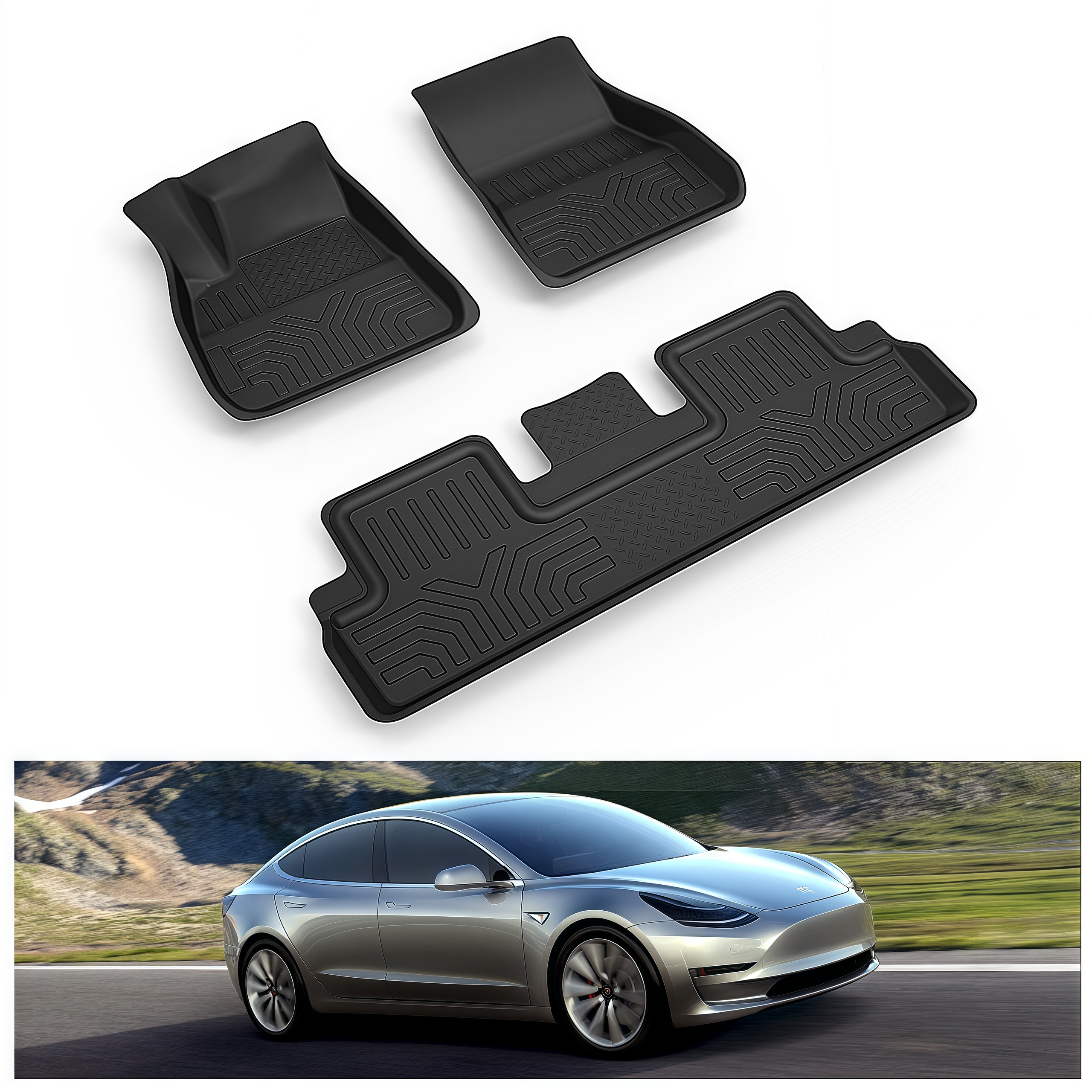
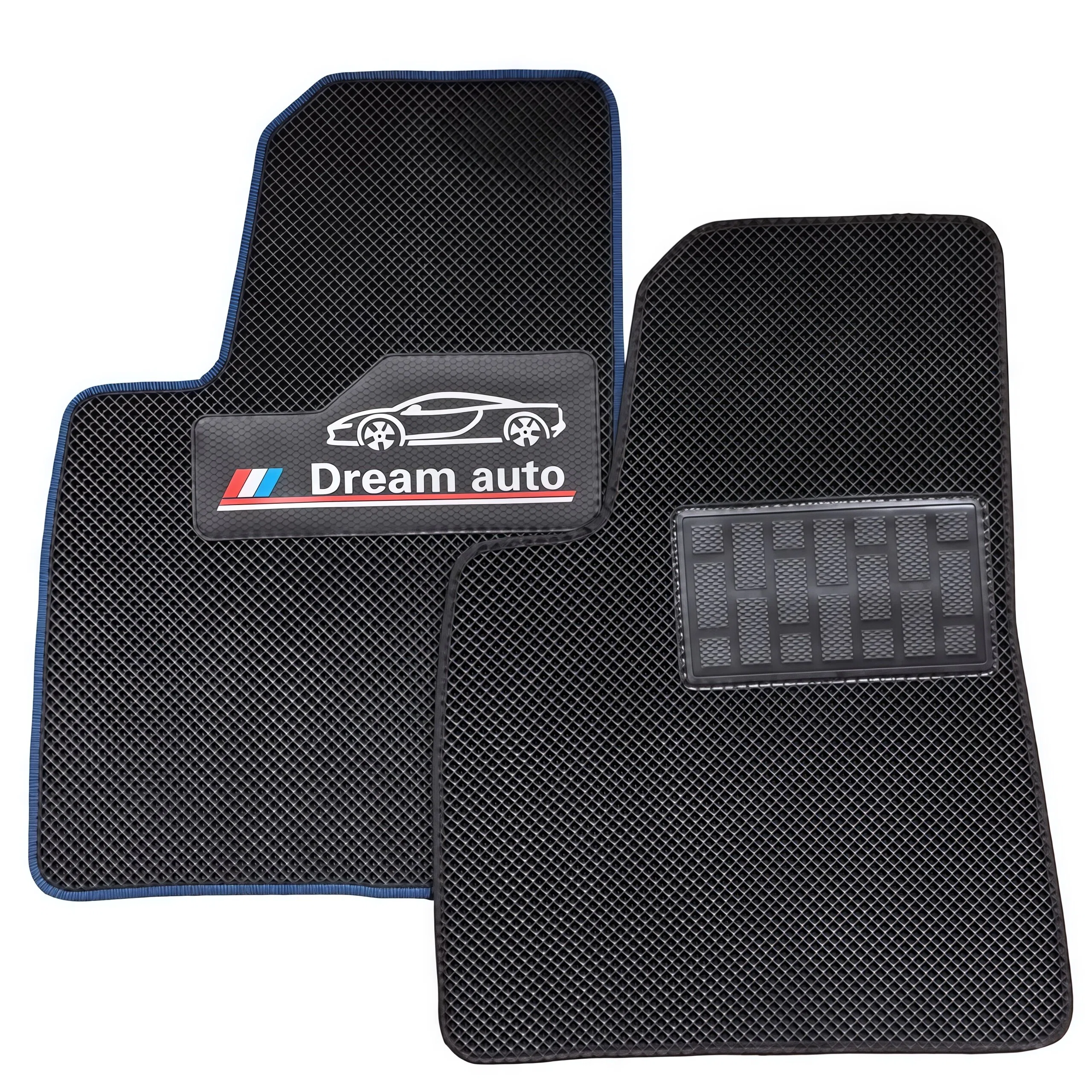
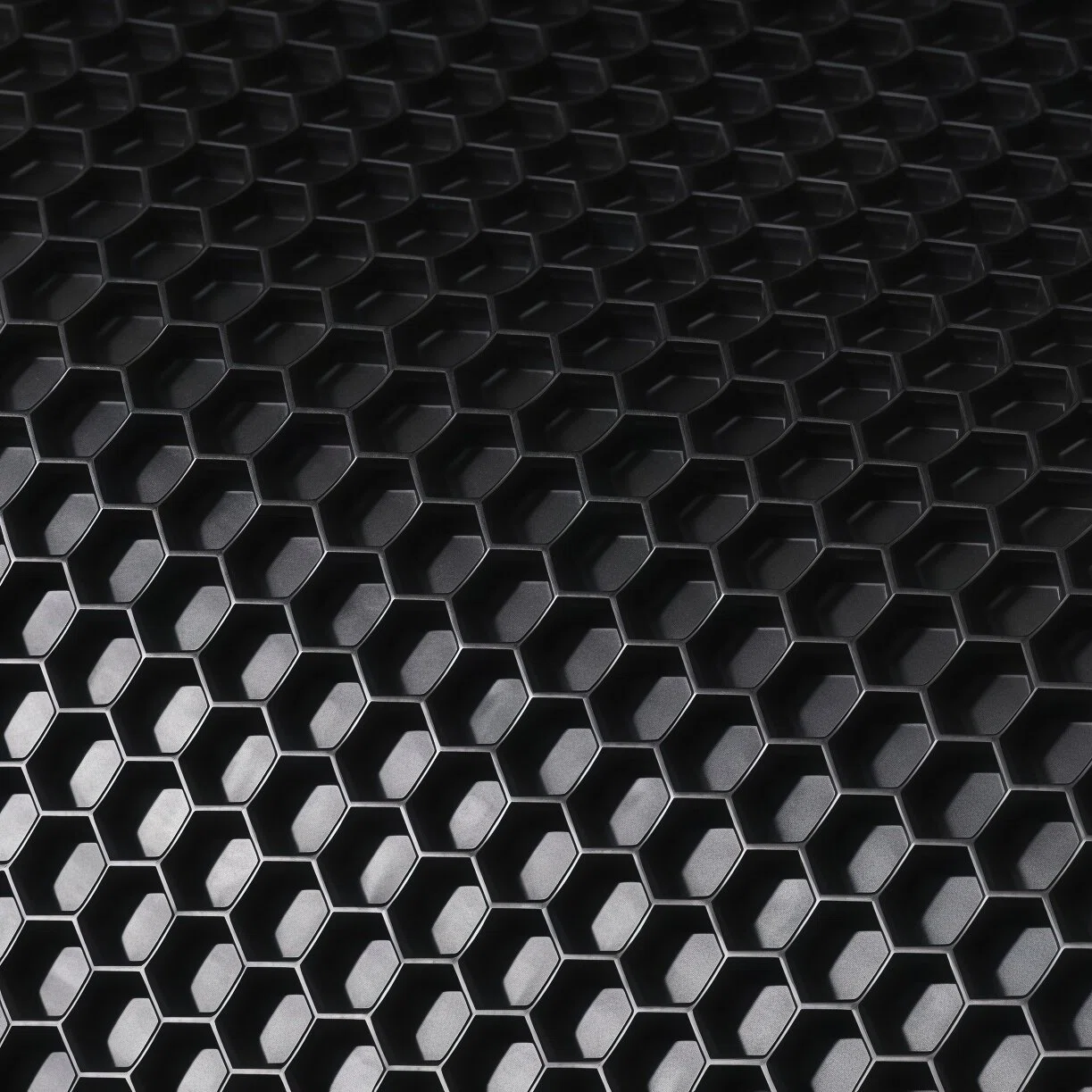
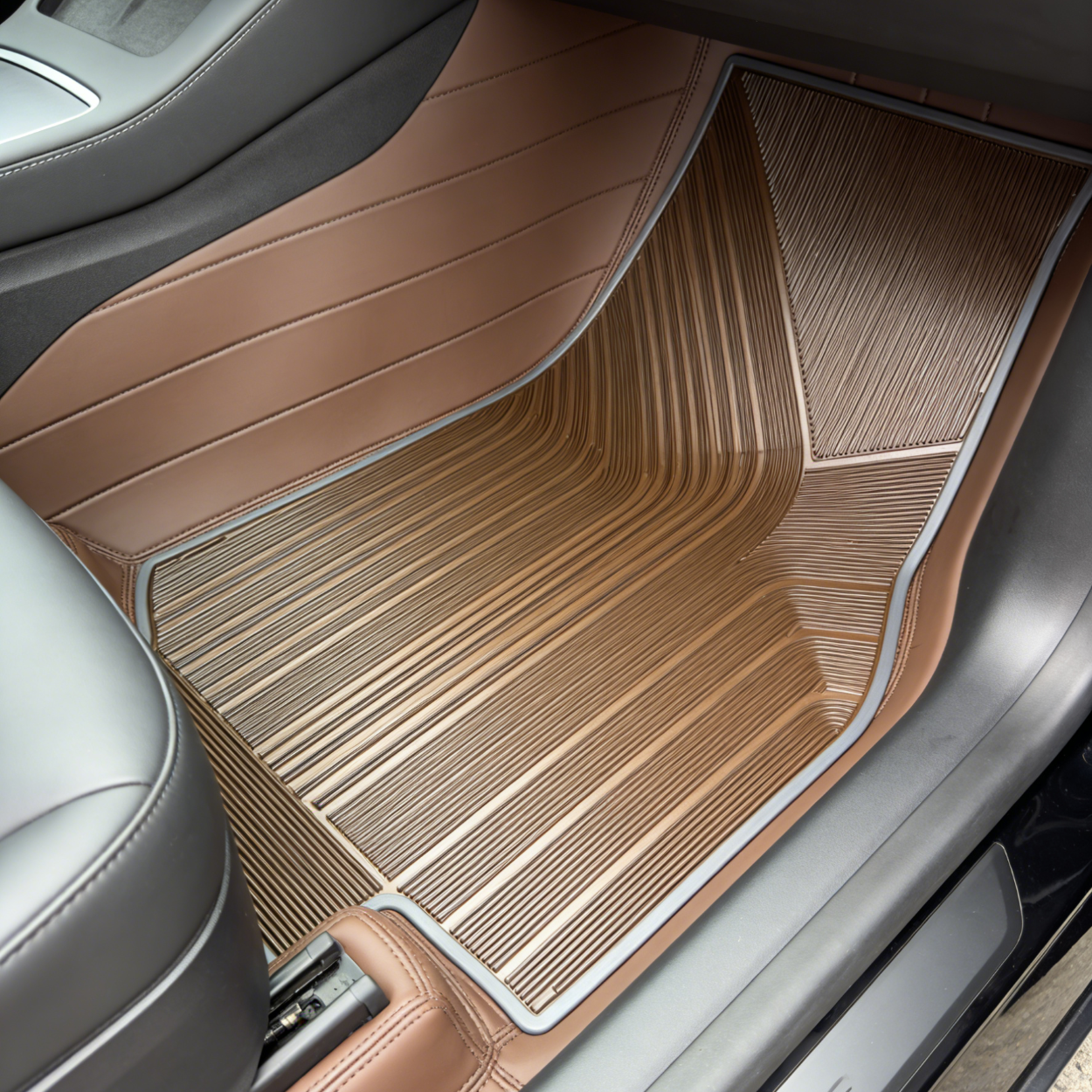
The superior hygiene and easy maintenance properties of TPE floor mats address critical health and cleanliness concerns while significantly reducing the time and effort required for ongoing care and maintenance. The non-porous surface structure of thermoplastic elastomer prevents the absorption of liquids, odors, and contaminants that commonly plague fabric-based floor protection options, creating an environment that resists bacterial growth, mold development, and unpleasant odor retention. This fundamental characteristic makes TPE floor mats particularly valuable in applications where cleanliness is paramount, including medical facilities, food service establishments, family vehicles with children, and homes with pets. The smooth, sealed surface allows for thorough cleaning and disinfection using standard household cleaners, automotive detailing products, or professional-grade sanitizing solutions without risk of material degradation or chemical interaction. Unlike traditional carpet mats that trap allergens, dust mites, and microscopic debris within their fibers, TPE floor mats provide a cleanable surface that can be completely sanitized, supporting healthier indoor air quality and reducing allergic reactions. The maintenance simplicity extends beyond basic cleaning to include resistance to staining from common substances such as coffee, soft drinks, food spills, automotive fluids, and mud. When spills occur, the liquid remains on the surface rather than penetrating the material, allowing for immediate cleanup before stains can set or odors develop. The raised edge design contains spills within the mat boundary, preventing damage to surrounding surfaces and simplifying cleanup procedures. Regular maintenance requires only basic tools and supplies: a hose or pressure washer for outdoor cleaning, mild soap and water for routine care, or specialized cleaners for deep sanitization. The durable construction withstands repeated washing, scrubbing, and exposure to cleaning chemicals without losing structural integrity, color fastness, or protective capabilities. This maintenance advantage translates into significant time savings for busy families and cost reductions for commercial operations that previously relied on professional cleaning services or frequent mat replacement to maintain hygiene standards.

 EN
EN


 ×
×