Advanced All-Weather Material Technology
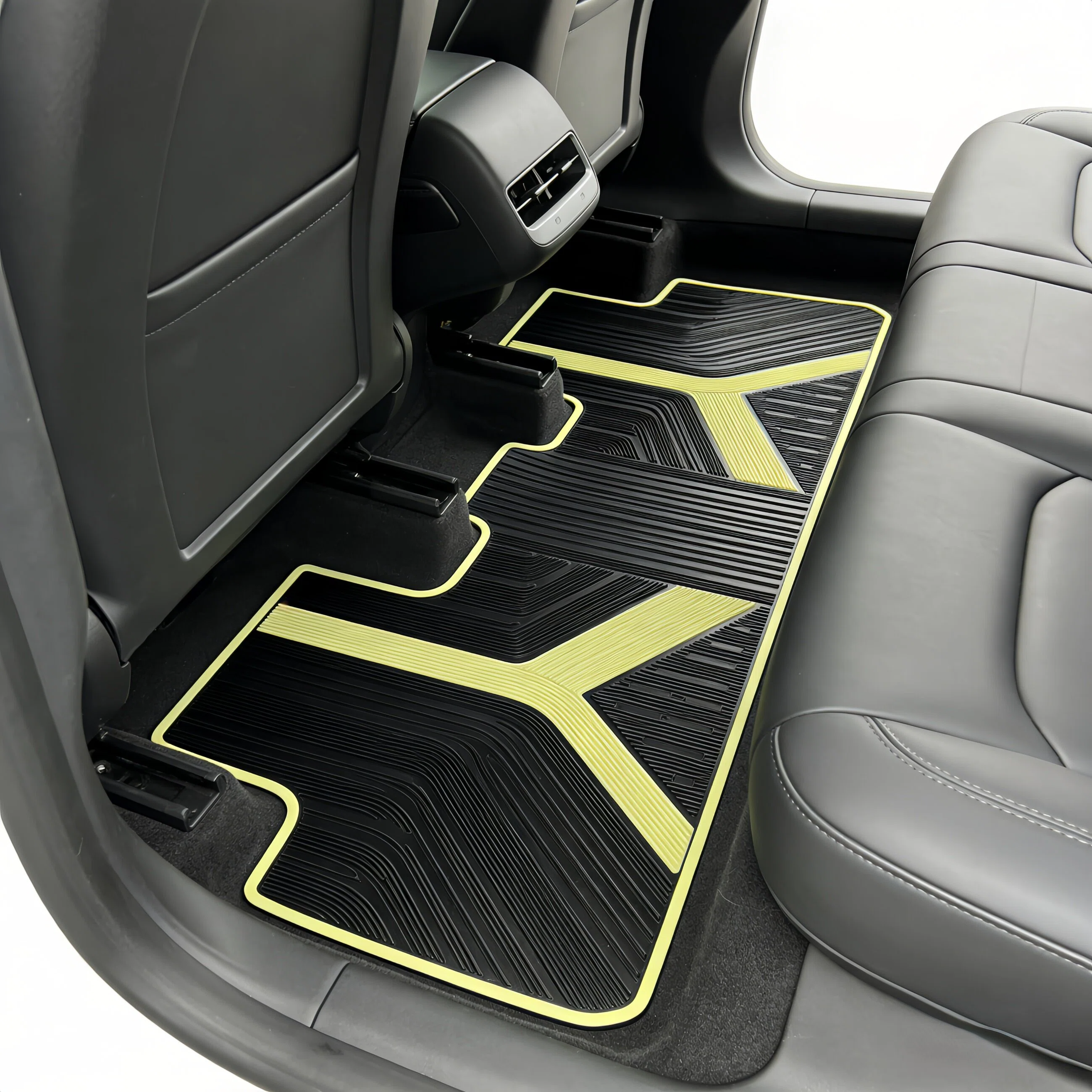
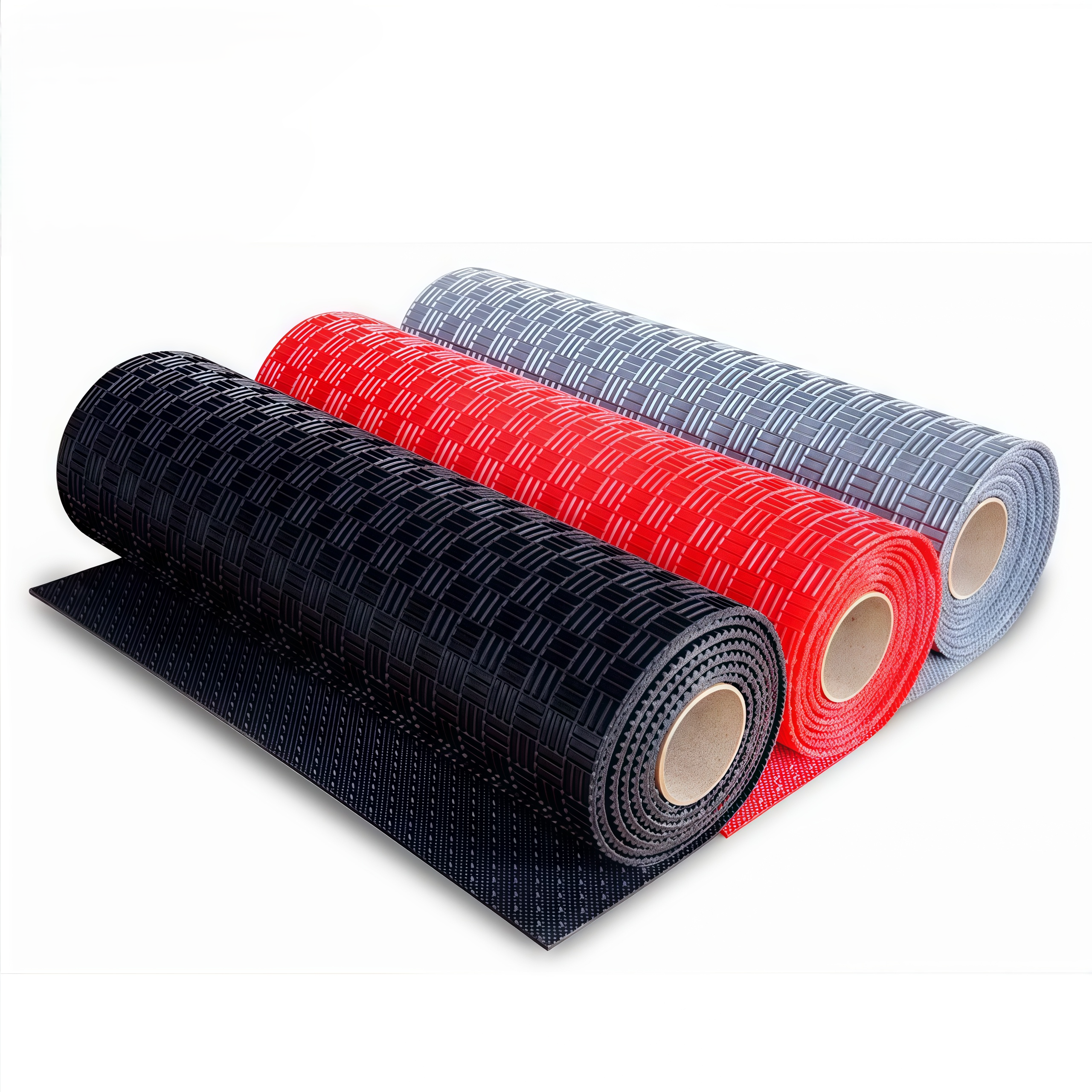
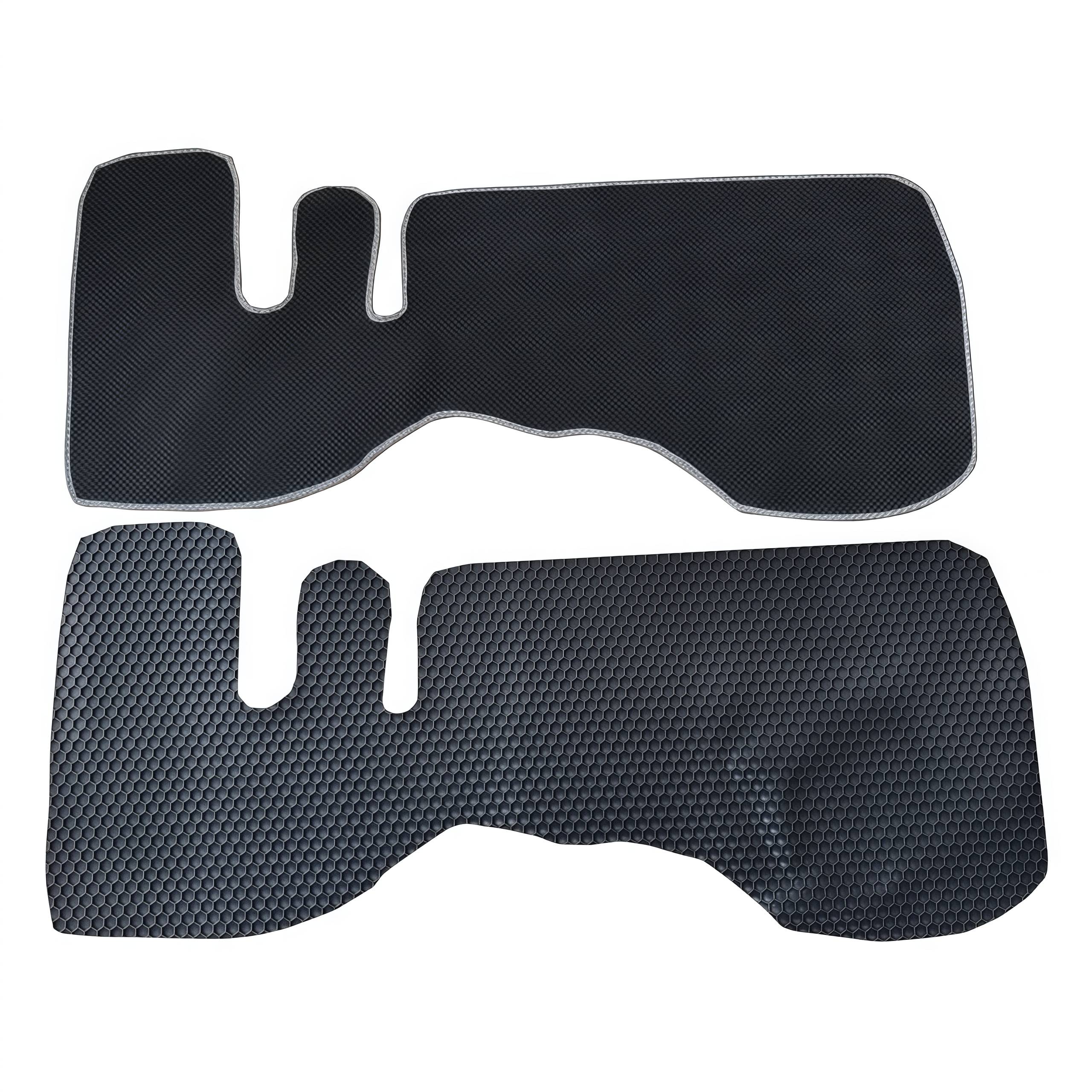
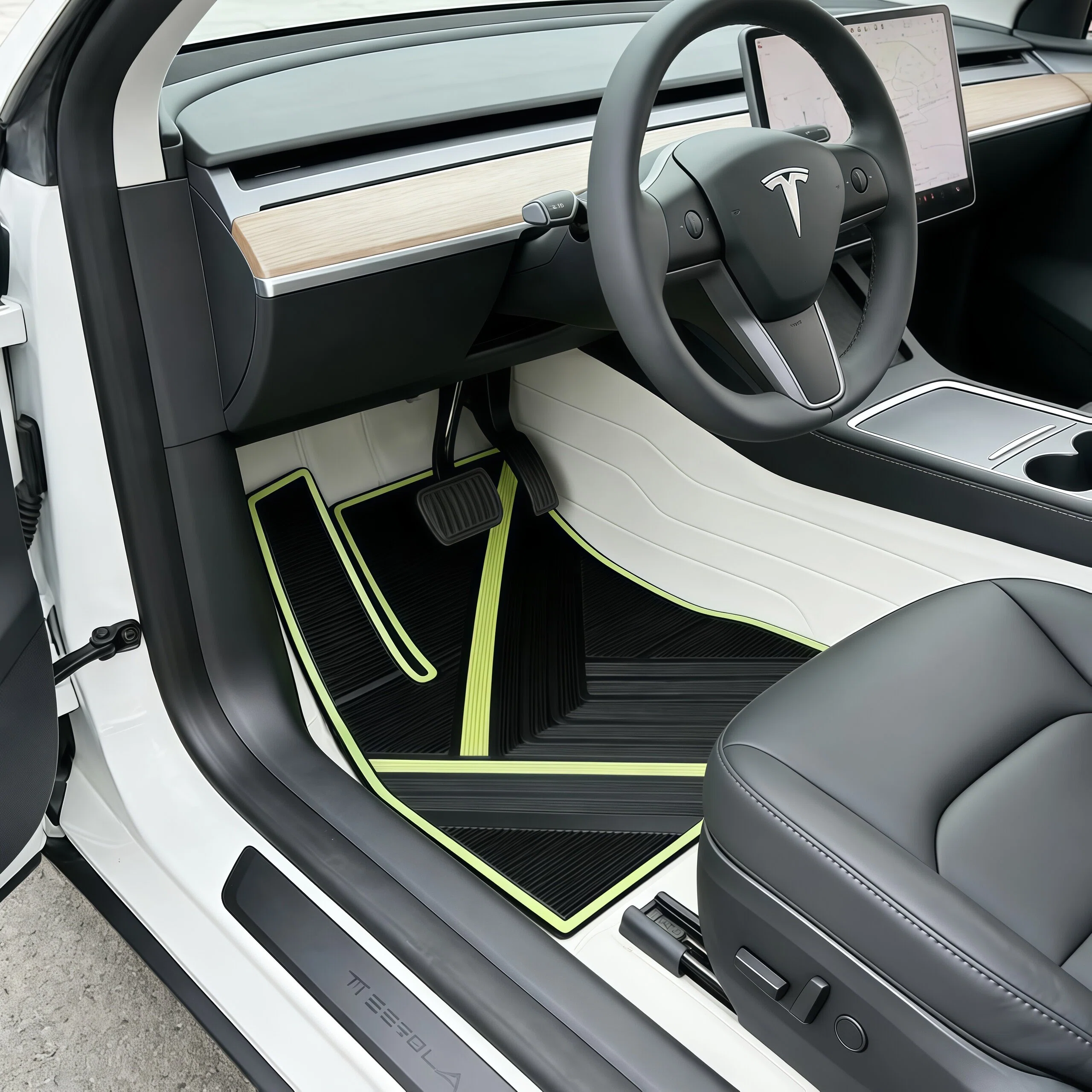
Weather proof floor mats utilize revolutionary thermoplastic elastomer compounds that represent the pinnacle of material science innovation in automotive protection products. This advanced material technology enables weather proof floor mats to maintain optimal performance across temperature ranges from negative forty degrees Fahrenheit to over one hundred fifty degrees Fahrenheit, ensuring reliable protection regardless of climate conditions or seasonal variations. The sophisticated polymer matrix used in weather proof floor mats incorporates specialized additives that prevent UV radiation damage, chemical degradation, and mechanical stress failure that plague conventional rubber or vinyl floor coverings. The molecular structure of weather proof floor mats creates a flexible yet incredibly durable barrier that resists cracking, splitting, and permanent deformation even under extreme mechanical stress from heavy boots, sharp objects, or repetitive flexing motions. Weather proof floor mats feature proprietary anti-microbial treatments embedded within the material composition that actively inhibit bacterial growth, fungal development, and odor formation, maintaining a fresh and hygienic interior environment even in high-moisture conditions. The advanced material technology of weather proof floor mats includes specialized plasticizers that maintain flexibility in cold temperatures while preventing softening and distortion in high heat, ensuring consistent fit and function throughout the product lifecycle. The non-porous surface structure of weather proof floor mats prevents liquid penetration at the molecular level while maintaining breathability that prevents condensation buildup underneath the mat, eliminating the moisture-related problems that cause rust, corrosion, and structural damage to vehicle flooring components. The chemical resistance properties of weather proof floor mats protect against damage from gasoline, oil, antifreeze, cleaning solvents, road salt, and other corrosive substances that frequently contact vehicle interiors, extending the protective capabilities far beyond simple moisture control to comprehensive chemical barrier protection.

 EN
EN


 ×
×