
 EN



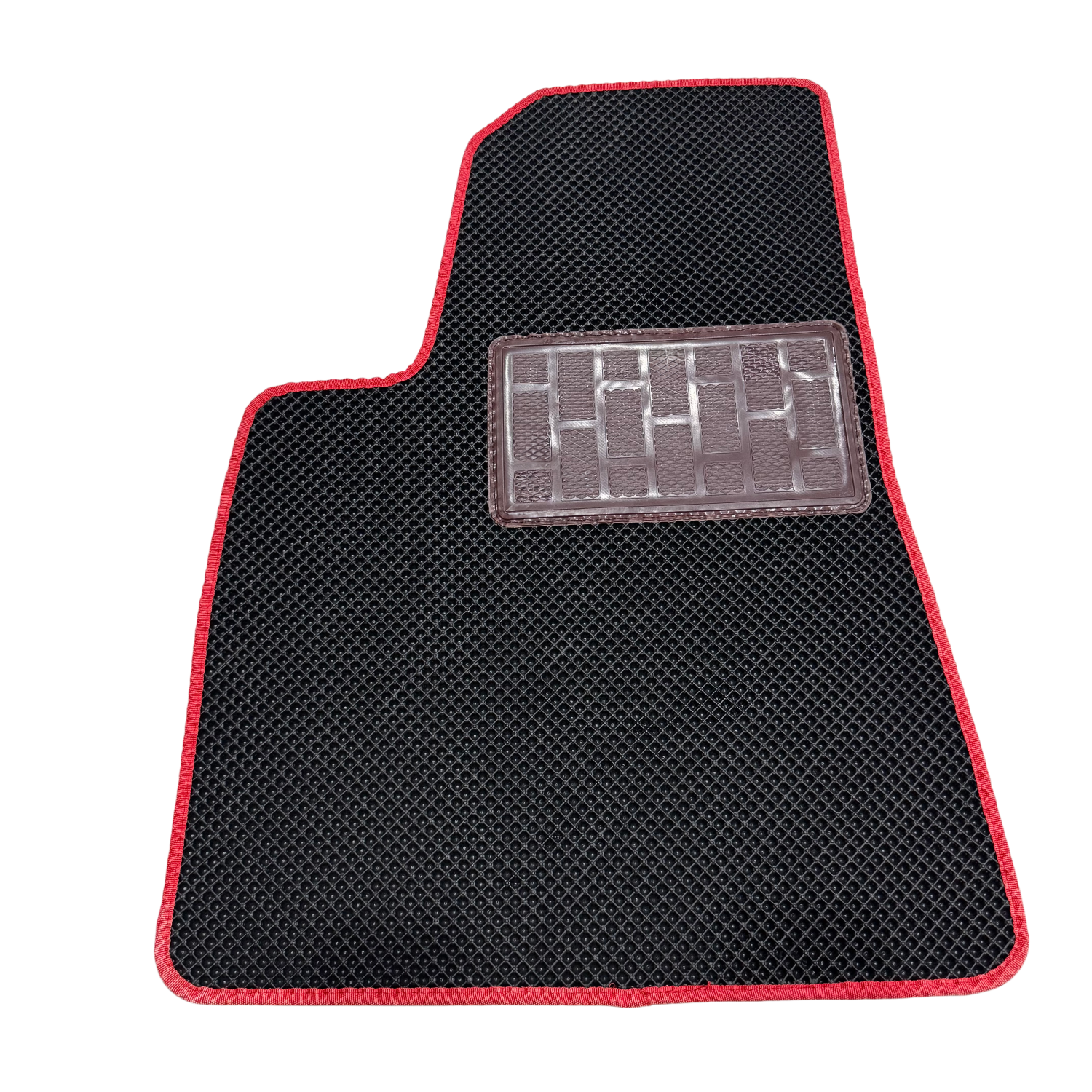
A tpe car floor mat can withstand a broad range of everyday cabin conditions, but no material is immune to temperature extremes. Whether it stays flexible or becomes brittle depends on its formulation, thickness, exposure time, and the way it is used. Evaluating these factors is more useful than relying on the material name alone.

In practical terms, a well-made tpe car floor mat is designed to remain serviceable through normal seasonal changes, while severe heat or cold can challenge any polymer. Buyers should consider the actual temperature range, storage and installation conditions, and product specifications. Understanding how these variables interact helps determine whether a tpe car floor mat suits a particular vehicle and operating environment.
How Temperature Affects TPE Flexibility
Cold exposure and temporary stiffness
As temperatures fall, polymer materials generally become less flexible. A tpe car floor mat may feel firmer after a vehicle has sat outside in freezing weather, especially before the cabin warms. That initial stiffness does not automatically mean the mat has become permanently brittle. A tpe car floor mat made for automotive use should be assessed for its intended service conditions and its ability to return to normal handling after warming.
The distinction between temporary stiffness and material damage matters to fleet operators and vehicle users. If a tpe car floor mat flexes again after gradual warming and shows no cracking, whitening, or splitting, cold exposure may have caused a reversible change. Avoid sharply folding a chilled mat during removal, because bending a tpe car floor mat while it is at its stiffest can create unnecessary stress at corners and raised edges.
Heat, softening, and dimensional stability
High cabin temperatures can produce a different set of concerns. A tpe car floor mat exposed to direct sun through glass may warm beyond the surrounding air temperature, potentially making it feel softer. Prolonged heat can also reveal weaknesses in a formulation or design, such as curling, loss of shape, or movement against the vehicle floor. Assess a tpe car floor mat for dimensional stability as well as flexibility.
Heat resistance is not simply a question of whether the surface feels hot. Buyers should ask how the material behaves during repeated heating and cooling, and whether the finished tpe car floor mat maintains its fit. A mat that remains pliable but warps may still interfere with coverage or retention. Conversely, a firm tpe car floor mat is not necessarily failing if it returns to its intended shape when conditions normalize.
What Determines Resistance to Brittleness
Material formulation and product construction
TPE describes a family of materials rather than one identical recipe. Different formulations can have different low-temperature flexibility, heat response, and resistance to aging. Therefore, a tpe car floor mat should be judged by documented specifications for the actual product, not assumptions about every TPE compound. Ask for the stated operating range and, when the application is demanding, request relevant test information for the finished mat.
Construction also contributes to performance. Thickness, surface geometry, edge design, and molded features affect how stress is distributed when the mat bends or sits against a contoured floor. A tpe car floor mat with abrupt corners may concentrate stress in those areas, while secure fit can limit shifting. The right design helps a tpe car floor mat withstand routine handling without confusing structural stress with temperature-driven brittleness.
Exposure time, aging, and repeated cycles
A brief temperature excursion is different from months of repeated exposure. Sunlight, heat, cold, and regular flexing can combine over time, so a tpe car floor mat used in an outdoor fleet may face a different duty cycle from one in a privately parked vehicle. Consider the full environment, including storage, cleaning, and how often the mat is removed, rather than focusing only on the coldest or hottest recorded day.
Repeated thermal cycling can reveal changes that a single inspection misses. Check whether a tpe car floor mat keeps its original shape, remains flexible at stress points, and continues to lie flat after seasonal transitions. A tpe car floor mat that develops persistent cracks, hard patches, or edge distortion warrants closer review. Record the conditions and timing, since those details help distinguish ordinary wear from a material or fit issue.
How to Assess Suitability for Extreme Conditions
Match specifications to the operating environment
Start by defining the conditions the product must handle: expected cabin temperatures, parked exposure, duration, and frequency of use. Then compare these needs with the manufacturer’s stated guidance for the specific tpe car floor mat. If the vehicle serves a commercial route or operates in a climate with severe seasonal variation, request written limits rather than relying on a general description such as flexible or durable.
A sample review can complement published data. Let the tpe car floor mat reach the temperature it is likely to experience, then inspect it for cracking, surface changes, curling, and loss of fit. Do not use a sample test as a substitute for standardized testing where safety or procurement rules require it. For a product specification reference, review the tpe car floor mat material information and confirm that it matches the intended application.
Installation, handling, and ongoing checks
Correct installation supports consistent performance. Allow a cold-stored tpe car floor mat to warm gradually before shaping or trimming it, and make sure it lies flat without obstructing pedals or vehicle controls. Avoid forcing a mat into place while rigid. In hot conditions, verify that the tpe car floor mat remains properly positioned and that its edges do not curl into areas where they could affect safe operation.
Routine inspection is especially useful when vehicles move between climates or remain parked outdoors. Clean the tpe car floor mat according to product guidance, examine high-stress areas, and note any persistent changes in flexibility or shape. Replace a damaged mat if it no longer fits securely or creates an obstruction. These practical checks help identify a developing issue without assuming that every temperature-related change means the material has failed.
FAQ
Can a TPE car floor mat crack in freezing weather?
It can if the material is unsuitable, damaged, or sharply flexed while very cold. A tpe car floor mat may also feel temporarily stiff without being cracked. Let it warm gradually and inspect for splits or lasting deformation before normal use.
Will extreme heat make a TPE mat brittle?
Heat more commonly raises concerns about softening or shape retention, while long-term aging can affect flexibility. The response depends on formulation and exposure. Check the tpe car floor mat specifications and inspect it after repeated hot and cold conditions.
What should buyers verify before choosing one?
Confirm the stated temperature range, fit, construction, and available testing for the intended environment. A tpe car floor mat should stay positioned and cover the required area under expected conditions. Ask for product-specific guidance when operating temperatures exceed ordinary cabin use.