
 EN
EN




Quick Answer: Car floor mats can be made from roll materials through a series of converting processes, including material selection, pattern development, cutting, edge finishing, and final assembly. Manufacturers choose the right roll material based on thickness, texture, color, and application requirements, then transform it into vehicle-specific or custom-fit floor mats using customer drawings, samples, or production data.
How to Make Car Floor Mats from Car Mat Roll Material
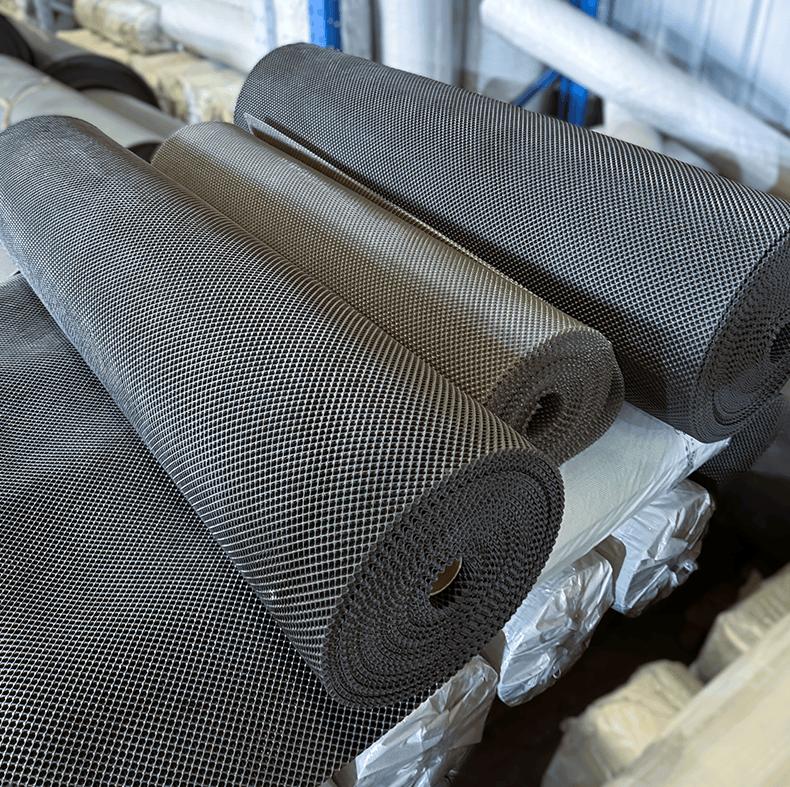
Car floor mats do not always begin as finished, vehicle-shaped products. For many automotive mat programs, production starts with car mat roll material that has already been manufactured with the required surface pattern, thickness, color, and material properties.
The roll material then goes through a series of converting and finishing processes to become a complete set of automotive floor mats.
For buyers developing custom car mats, the process normally starts with two important decisions: which roll material to use and what floor mat pattern is required for the target vehicle.
At ARTES, customers can purchase car mat roll material for their own production, or provide a vehicle-specific 2D drawing or physical floor mat sample so that the material can be further processed into finished car floor mats.
1. Choose the Right Car Mat Roll Material
The first step is selecting the material that will become the main body of the finished floor mat.
Different automotive programs may require different materials, thicknesses, surface patterns, colors, and levels of flexibility. The choice should therefore be based on both the intended appearance of the finished mat and the requirements of the target market.
When selecting a roll, buyers should consider factors such as:
- Material type
- Thickness
- Roll width and length
- Surface texture
- Color
- Flexibility
One advantage of roll material is that the same material design can be converted into different front, rear, or trunk mat shapes. Instead of developing a completely different material for every vehicle, manufacturers can change the cutting pattern according to the vehicle model.
2. Prepare the Car Floor Mat Pattern
Once the roll material has been selected, the next step is determining the exact shape of the floor mat.
For vehicle-specific car mats, accurate pattern data is important because different vehicle models have different floor layouts, seat rail positions, footwell shapes, and retention points.
There are generally two practical ways to begin a custom project.
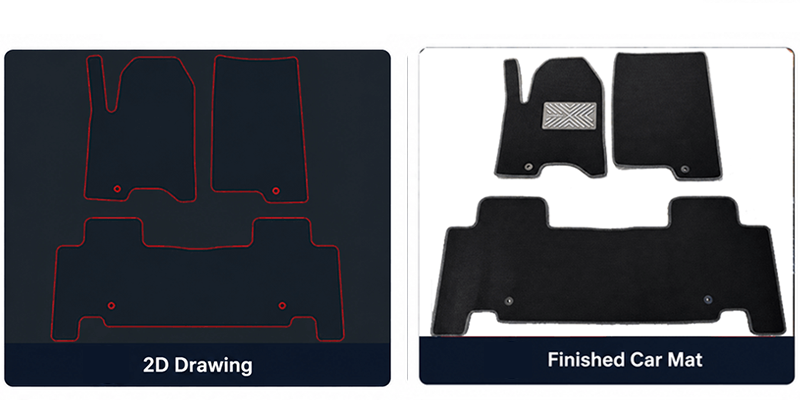
Option 1: Provide 2D CAD Drawing
If the customer already has vehicle-specific floor mat data, a 2D CAD file or dimensioned drawing can be provided directly.
The drawing defines the outer contour of the mat and other important details, such as clip positions or areas that require additional finishing.
This is particularly useful for buyers that already have their own vehicle database or existing car mat designs.
Option 2: Provide Floor Mat Sample
If a usable CAD drawing is not available, the customer can provide an existing physical floor mat as a reference.
The sample can then be used to evaluate the required shape and dimensions before the cutting file is prepared.
This gives importers, wholesalers, automotive accessory brands, and other buyers more flexibility when developing floor mats for specific vehicles.
3. Cut the Roll Material to the Required Shape
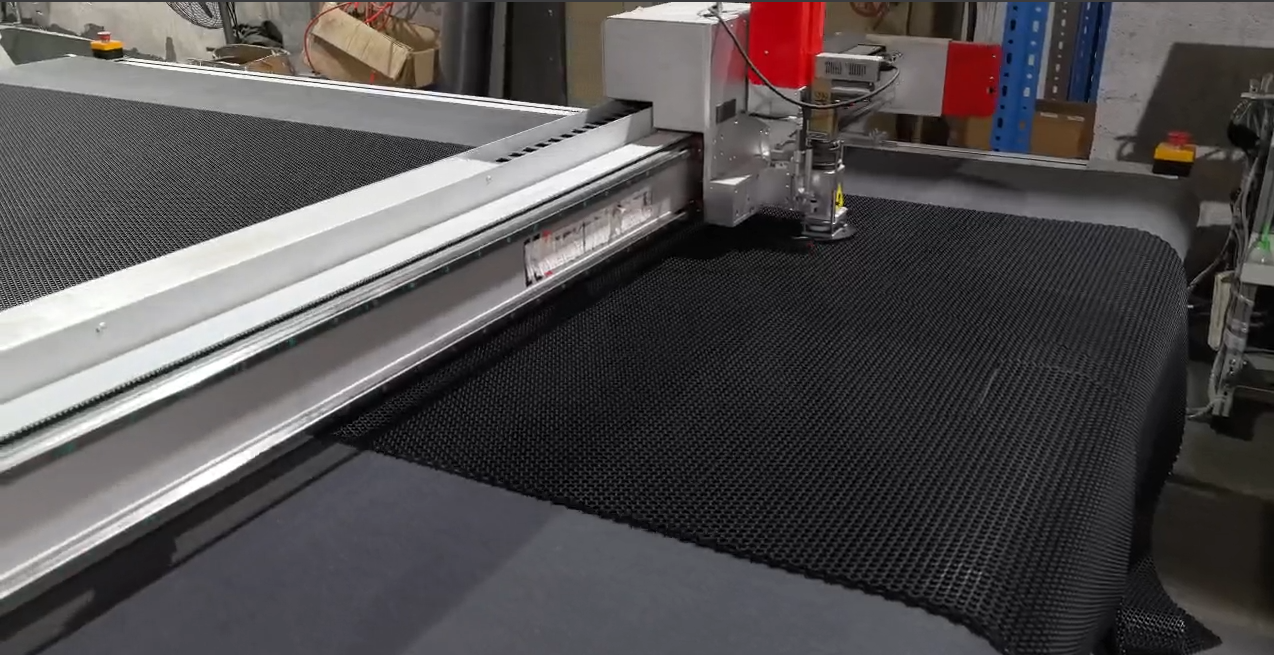
After the vehicle pattern has been confirmed, the roll material can be prepared for cutting.
The digital floor mat pattern is transferred to the cutting system, and the material is cut according to the required dimensions and contour.
This stage converts a large roll of material into individual pieces for:
- Driver-side mats
- Passenger-side mats
- Rear floor mats
- Other vehicle-specific floor sections
Accurate cutting is particularly important for custom-fit products. The shape should follow the approved pattern so that subsequent operations such as edge binding, heel pad installation, and retention clip installation can be completed in the correct positions.
Cutting layouts can also be arranged with material utilization in mind. When several floor mat pieces are produced from the same roll, an efficient layout can help reduce unnecessary material waste.
4. Add Edge Binding for a Finished Appearance
After cutting, the individual floor mat pieces already have their basic shape, but additional finishing is normally required.
One important step is edge binding.
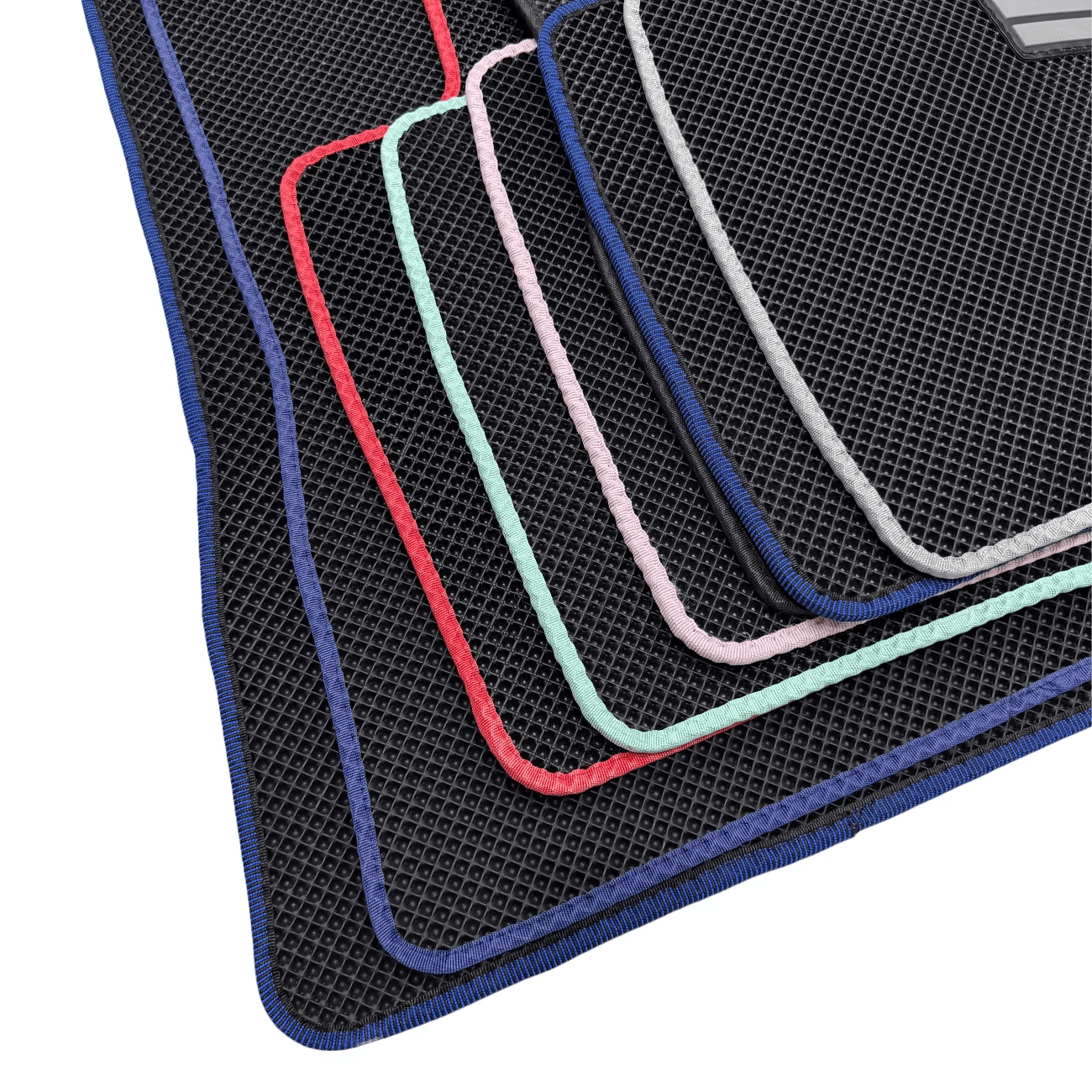
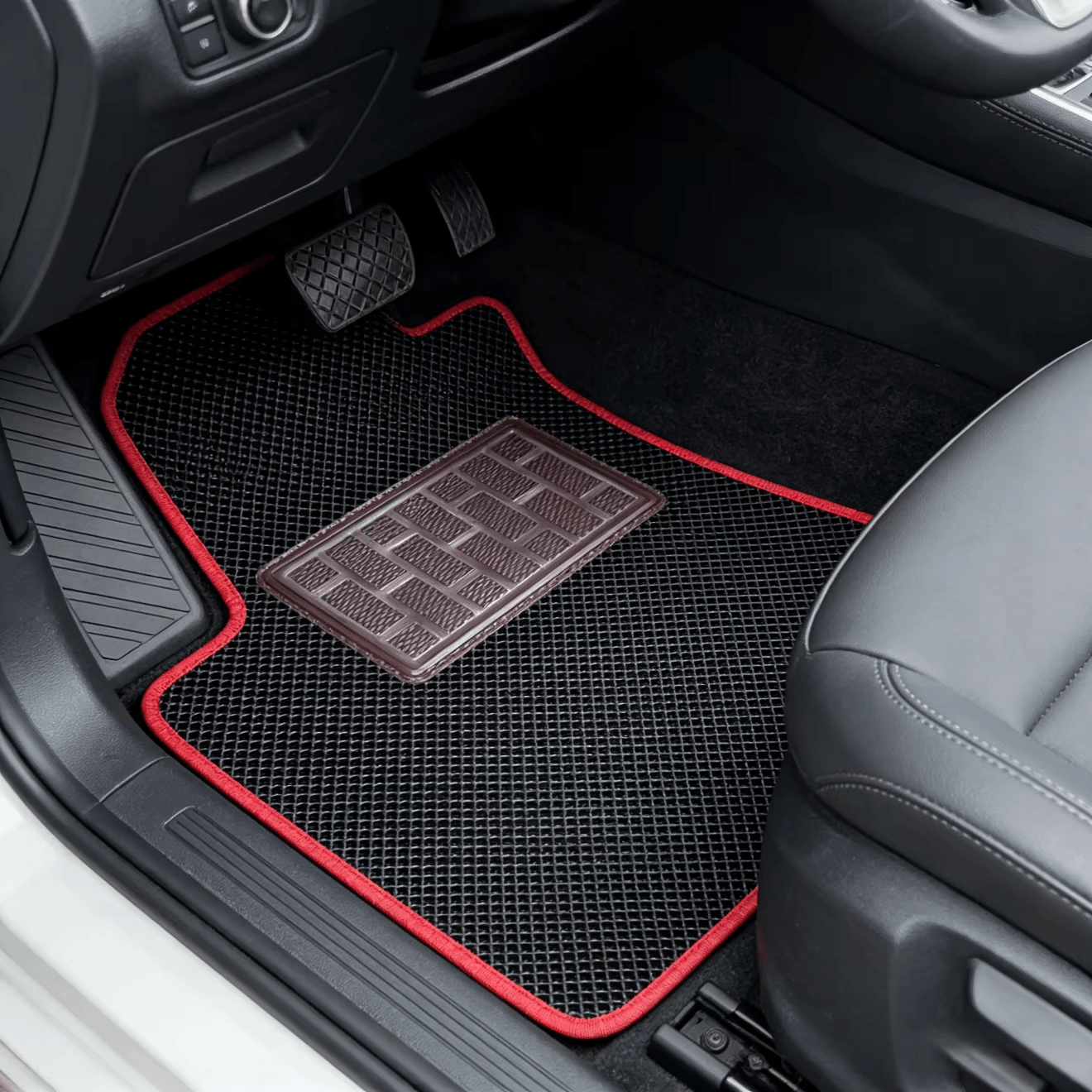
Binding the cut edge gives the floor mat a cleaner and more complete appearance. Depending on the product design, customers can also select different webbing styles or colors to coordinate with the mat surface or their product range.
For example, a buyer may choose:
- Black binding for a simple OEM-style appearance
- Red binding for a sportier design
- A contrasting color for stronger visual differentiation
- A specific webbing style according to the brand's product positioning
Edge binding therefore serves not only as a finishing operation but also as an opportunity to customize the appearance of the finished floor mat.
5. Install the Heel Pad
The next stage is adding the heel pad, when required by the product design.
The driver's mat normally receives the most concentrated wear in the area below the driver's heel. A heel pad can be added to this high-contact area as part of the finished mat design.
Its size, shape, position, and appearance can vary depending on the product specification.
For OEM and private-label projects, the heel pad can also form part of the visual identity of the finished product. Buyers should therefore confirm the required heel pad style before mass production.
6. Install the Car Mat Retention Clips
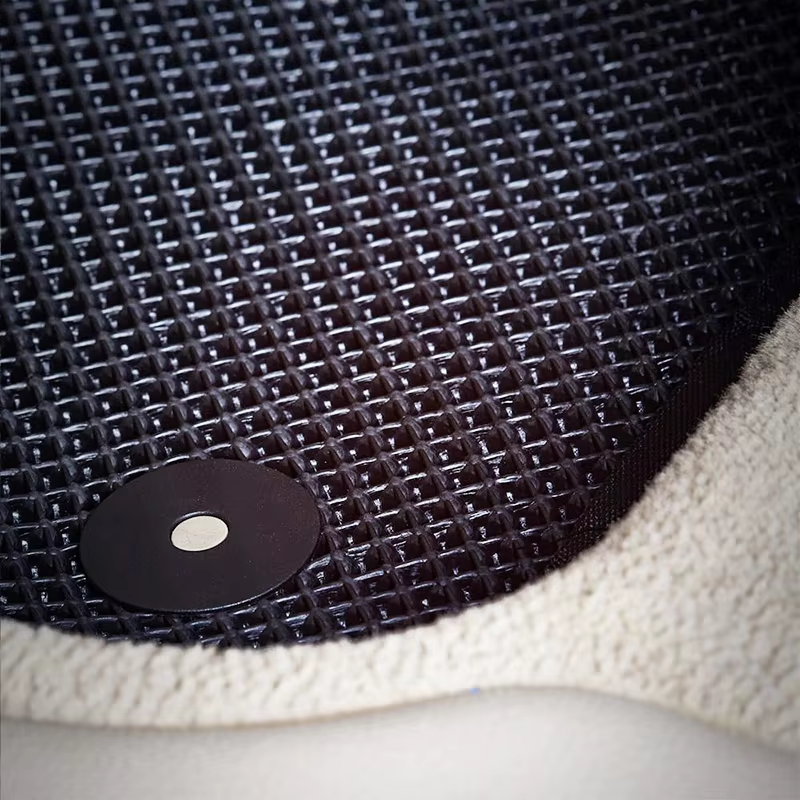
Depending on the vehicle and mat design, retention clips or fixing points may also need to be installed.
These components help connect the floor mat with the vehicle's corresponding retention system and are especially important for vehicle-specific designs where the clip positions must match the approved floor mat pattern.
The required clip type and installation position should therefore be confirmed during the product development stage.
Different vehicle programs may use different retention systems, so providing an original mat, accurate CAD data, or clear clip specifications can help ensure that the correct components are selected.
ARTES also supplies car mat accessories for car floor mat projects.
Conclusion
Turning car mat roll material into finished automotive floor mats requires a combination of suitable materials, accurate vehicle patterns, and professional manufacturing processes.
From selecting the right roll material to cutting, edge binding, adding heel pads, and installing retention clips, each step plays an important role in achieving a high-quality and vehicle-specific fit.
For buyers, importers, and automotive accessory brands, working with an experienced manufacturer can simplify the development process and ensure consistent product quality across different vehicle models.
At ARTES, we provide complete solutions for custom car floor mat production, including car mat roll materials, pattern development, cutting, and finished floor mat manufacturing. Whether you need bulk production or customized automotive mat solutions, we can support your project from concept to final product.
Contact ARTES today to discuss your car floor mat requirements and find the right production solution for your market.
FAQ
1.Can You Buy the Roll Material Without Finished Mat Processing?
Yes.
For manufacturers or distributors that already have cutting and sewing equipment, purchasing car mat rolls directly may be the more suitable option.
ARTES currently offers automotive floor mat material categories including PVC floor mat rolls, TPE floor mat rolls and EVA foam material, allowing buyers to select materials according to their own product and processing requirements.
2.Can I customize the texture and design of car mat roll material?
Yes. ARTES supports customized car mat roll material solutions for customers who need unique product designs.
Customers can customize different aspects of the material, including surface texture, pattern style, color, thickness, and overall appearance according to their target market requirements.
Whether you are developing a new automotive accessory brand or creating a private-label product line, customized roll material can help you build differentiated car floor mats instead of using standard designs available in the market.
Our team can evaluate your requirements and recommend a suitable material solution based on your product goals.
3.Can I set up my own car floor mat production line with equipment from ARTES?
Yes. ARTES can provide production solutions for customers who want to manufacture car floor mats independently.
Based on your expected production capacity and product requirements, we can help recommend suitable equipment for different manufacturing stages, including cutting, edge binding, and other finishing processes.
Before selecting equipment, we usually evaluate factors such as your target output, product types, factory space, and level of automation required.
This allows customers to build a production setup that matches their business scale and market needs.
4.What information do I need to provide for a custom car floor mat project?
To start a custom car floor mat project, customers can provide any available product information, such as:
- Vehicle model and year
- 2D CAD drawing
- Product dimensions
- Material requirements
If CAD data is not available, a physical floor mat sample can also be used as a reference for product development.