
 EN
EN



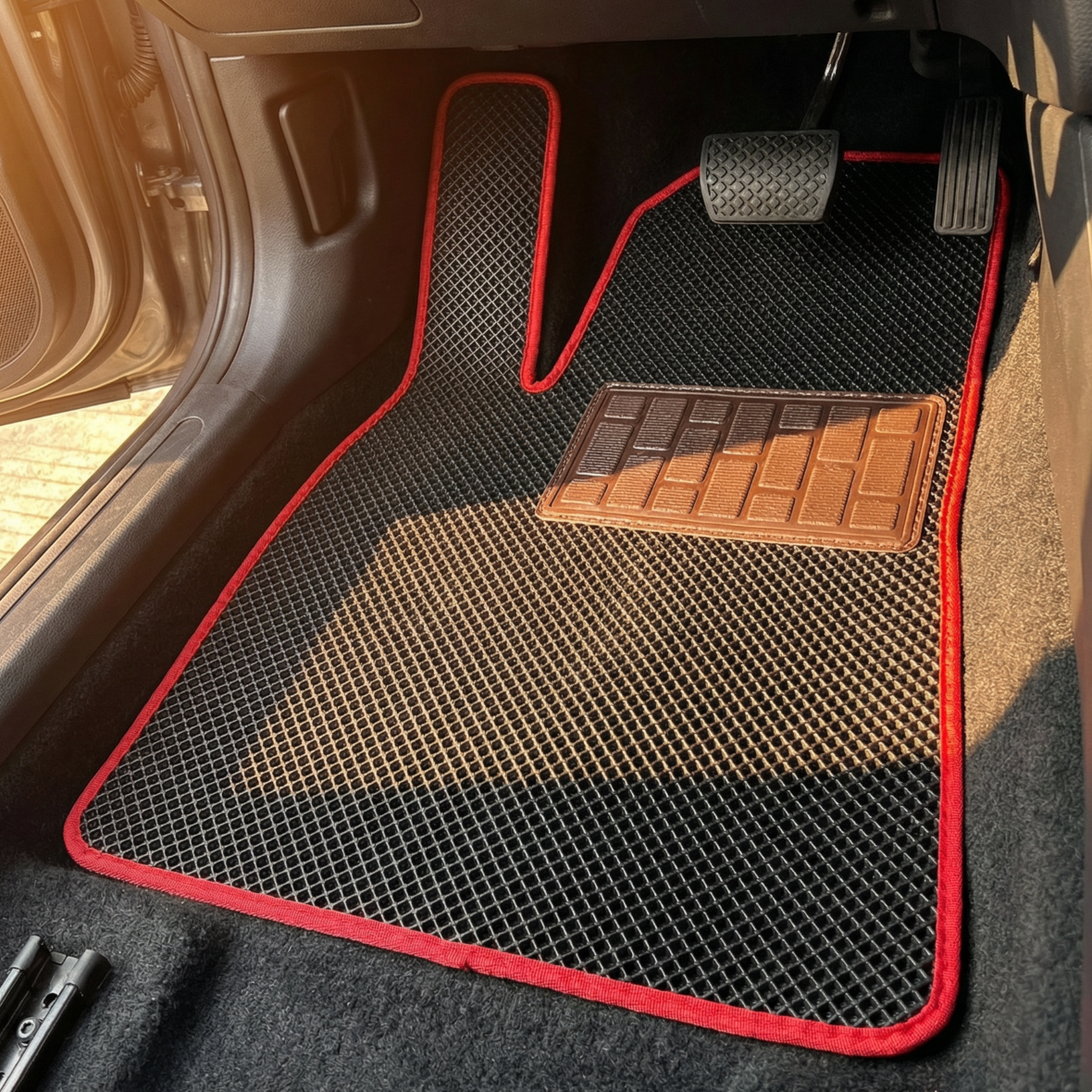
Work trucks and utility vehicles face demanding operational environments that expose their interiors to constant wear, moisture, dirt, and debris. Rubber car mats have become the industry standard for these vehicles because they provide superior protection, durability, and cost-effectiveness compared to fabric alternatives. Understanding why rubber car mats dominate the commercial vehicle market reveals important insights about fleet management, vehicle longevity, and operational efficiency that apply across construction, transportation, agriculture, and service industries.
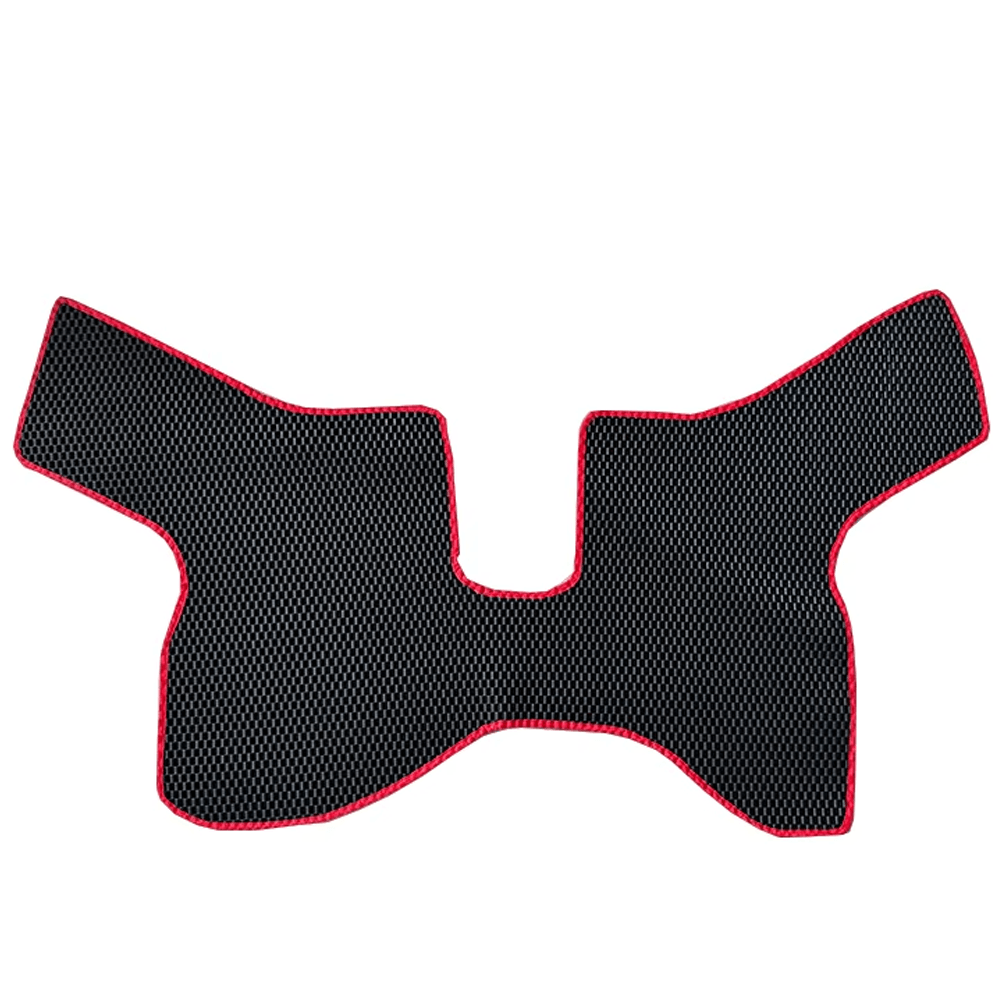
The prevalence of rubber car mats in the commercial trucking sector is not accidental. Fleet managers, vehicle owners, and maintenance professionals consistently choose rubber car mats because they directly address the core challenges of vehicle interior preservation in high-use environments. When exposed to rain, snow, mud, oil spills, and heavy foot traffic, rubber car mats outperform every alternative material by providing waterproof protection, easy maintenance, and exceptional longevity that translates into measurable cost savings over the vehicle's operational lifetime.
Superior Water and Moisture Protection
Why Waterproofing Matters for Commercial Vehicles
Moisture infiltration represents one of the most damaging threats to vehicle interiors, causing rust, mold, electrical corrosion, and structural deterioration that compromises safety and accelerates depreciation. Work trucks operating in wet climates, seasonal weather variations, or high-humidity environments accumulate water through door gaps, ventilation systems, and footwear tracked inside daily. Rubber car mats act as the first line of defense by capturing and containing this moisture on the floor surface rather than allowing it to penetrate upholstery, electrical components, and metal floor pans. Premium rubber car mats feature raised edges and drainage channels specifically engineered to channel water away from critical vehicle systems.
Comparative Durability Against Moisture
Unlike fabric floor mats that absorb water and retain moisture indefinitely, rubber car mats provide complete waterproof barriers that prevent any liquid absorption. Fabric materials suffer from mold growth, mildew odors, and decomposition when saturated repeatedly, requiring frequent replacement and creating sanitation concerns in commercial fleets. Rubber car mats eliminate these problems entirely through their inherently hydrophobic composition, which rejects water completely while remaining structurally intact through thousands of wet-environment exposures. Many commercial fleet operators report that rubber car mats prevent interior water damage that would otherwise cost hundreds to thousands of dollars per vehicle in restoration and repairs.
Cost-Effectiveness and Extended Vehicle Life
Long-Term Investment Value
The financial advantages of rubber car mats become increasingly apparent across fleet life-cycle analysis when accounting for replacement frequency, maintenance labor, and preservation of underlying vehicle infrastructure. A single set of quality rubber car mats typically lasts 5 to 10 years or more under heavy commercial use, whereas fabric alternatives require replacement every 1 to 2 years due to wear, staining, and deterioration. When calculated across a fleet of 20, 50, or 100 vehicles, the cumulative material and labor savings from rubber car mats justify their higher initial purchase price immediately. Additionally, rubber car mats protect the vehicle's original floor pans from damage, preserving resale value and enabling fleet vehicles to command premium prices at auction or trade-in when rotation cycles complete.
Maintenance Simplicity and Labor Efficiency
Cleaning and maintaining rubber car mats requires minimal time and expense compared to the specialized care demanded by fabric alternatives. Fleet maintenance personnel simply spray rubber car mats with water or mild detergent, wipe them clean, and return them to service in minutes, requiring no specialized equipment, drying time, or professional cleaning services. This straightforward maintenance routine reduces downtime, minimizes labor costs, and eliminates the inventory complications associated with fabric mats that must be rotated through cleaning cycles. Many fleet operators cite maintenance simplicity as a critical advantage that influences purchasing decisions, particularly for vehicle fleets operating 24/7 with tight maintenance schedules and limited service bay availability.
Enhanced Safety, Traction, and Operational Reliability
Safety Performance in Wet Conditions
Work truck operators and passengers frequently transition between outdoor environments and vehicle cabins throughout operational days, creating slip and fall hazards when wet footwear meets smooth factory flooring. Rubber car mats provide textured, high-friction surfaces that substantially reduce slip hazards compared to stock carpet or vinyl floor coverings that become extremely hazardous when wet. Commercial vehicle operators in construction, emergency services, and utility work especially appreciate the safety enhancement that rubber car mats provide, as accidents and injuries during vehicle entry and exit create liability exposure and operational disruptions that directly impact productivity and insurance costs. The engineering of rubber car mats specifically incorporates anti-slip compounds and surface texturing designed to maintain traction even when saturated or contaminated with oil and mud.
Durability Under Extreme Workplace Conditions
Work truck environments expose floor coverings to harsh chemicals, petroleum products, sharp metal fragments, heavy tools, and repeated thermal stress that quickly deteriorate inferior materials. Rubber car mats resist chemical attack from gasoline, diesel, solvents, and industrial cleaners that would dissolve or degrade fabric-based alternatives, making them essential for fleet vehicles operating in refineries, manufacturing facilities, and construction sites. The robust molecular structure of quality rubber car mats enables them to withstand temperature extremes ranging from arctic cold to desert heat without cracking, becoming brittle, or losing structural integrity. Mechanics, contractors, and equipment operators routinely place heavy tools and equipment on rubber car mats without concern for damage, whereas fabric mats would experience immediate permanent crushing and deterioration under identical conditions.
Industry Standards and Professional Recognition
Commercial Fleet Adoption Patterns
Major commercial fleets, municipality vehicle programs, and professional service companies standardize on rubber car mats as specification requirements for new vehicle procurement, reflecting institutional recognition of their superior performance characteristics. Fleet managers across industries consistently specify rubber car mats because the cumulative operational experience across thousands of vehicles has demonstrated unambiguous superiority over alternative flooring solutions in commercial applications. Insurance providers and fleet maintenance specialists often recommend rubber car mats as best practice for protecting vehicle investments, acknowledging the documented damage prevention and extended vehicle life that results from their installation. This professional convergence on rubber car mats as the industry standard reflects genuine performance advantages rather than habit or brand preference, making them the rational choice for any fleet operator prioritizing cost-effectiveness and operational reliability.
Customization and Application-Specific Design
Modern rubber car mats are available in custom configurations specifically engineered for different truck types, cabin layouts, and occupational requirements, enabling precise fit and maximum coverage compared to universal mats that leave gaps and inadequate protection. Custom-molded rubber car mats align perfectly with factory floor contours, preventing shifting and movement that allow moisture and debris to penetrate beneath mat surfaces during operation. rubber car mats designed for specific vehicle models incorporate integrated storage features, mounting systems, and drainage channels that generic products cannot match, delivering purpose-built solutions that address each application's unique operational demands. Truck operators appreciate the professional appearance and thoughtful engineering of custom rubber car mats, which reflect operational sophistication and long-term vehicle protection commitment.
FAQ
How long do rubber car mats typically last in commercial truck environments?
Quality rubber car mats designed for commercial use typically last 5 to 10 years or longer, even under heavy daily use in demanding work truck environments. The actual lifespan depends on usage intensity, climate conditions, maintenance practices, and the specific material quality of the mats. Many fleet operators report that durable rubber car mats survive the entire ownership cycle of commercial vehicles, outperforming every alternative flooring material by a substantial margin while requiring minimal maintenance compared to fabric or vinyl alternatives.
Can rubber car mats be easily removed and reinstalled in different vehicles?
Custom-molded rubber car mats are engineered specifically for individual vehicle models and cannot be transferred between different truck types without potentially damaging both the mats and the new vehicle's flooring. However, universal rubber car mats are available for situations requiring flexibility, though they provide inferior fit and protection compared to vehicle-specific designs. Fleet managers typically maintain dedicated rubber car mats for each vehicle in rotation, as the cost of custom mats represents such excellent long-term value that transferring them between vehicles would sacrifice the protection advantages that make them valuable investments in the first place.
Are rubber car mats suitable for all truck types and utility vehicles?
Rubber car mats are appropriate and recommended for virtually all work trucks, utility vehicles, commercial vans, and service vehicles that operate in demanding environments, ranging from light-duty pickup trucks to heavy-duty commercial vehicles used in construction, transportation, and industrial applications. Different truck models require custom-fitted rubber car mats designed for their specific floor layouts, cab sizes, and occupancy configurations, making vehicle-specific selection essential for optimal protection and fit. Whether operating pickup trucks, service vans, heavy equipment transporters, or specialized commercial vehicles, fleet operators consistently specify rubber car mats as the standard flooring solution that delivers unmatched performance, durability, and cost-effectiveness across all vehicle categories.