
 EN
EN



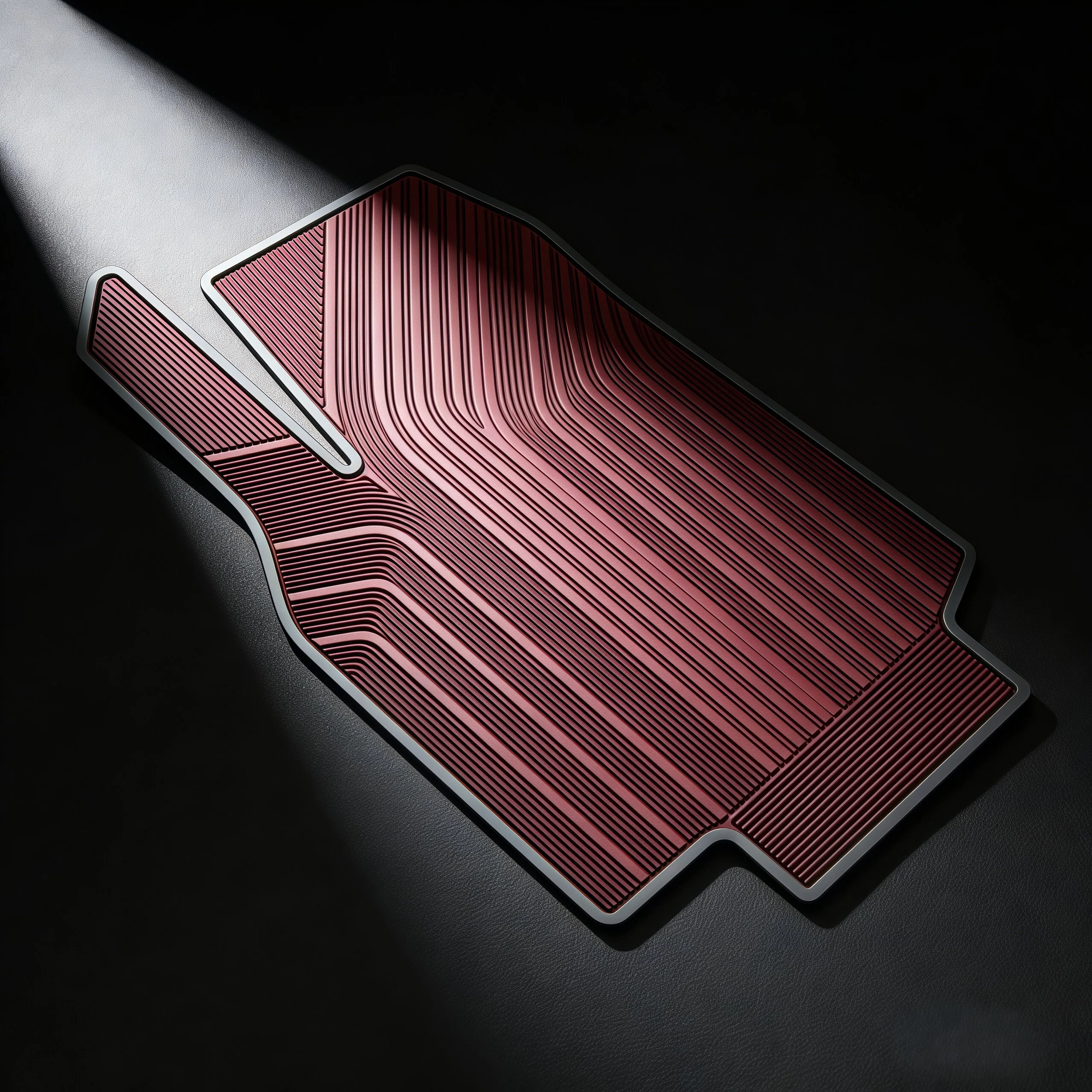
For drivers managing allergies and sensitivities, selecting the right car interior accessories can significantly impact daily comfort and health. Among the various materials available for automotive floor protection, latex car mats have emerged as a preferred choice for allergy-conscious consumers seeking hypoallergenic solutions without compromising durability or functionality. Understanding why latex car mats offer distinct advantages over synthetic alternatives, rubber compounds, and fabric-based options requires examining their inherent material properties, manufacturing processes, and interaction with common allergens that affect millions of drivers worldwide.
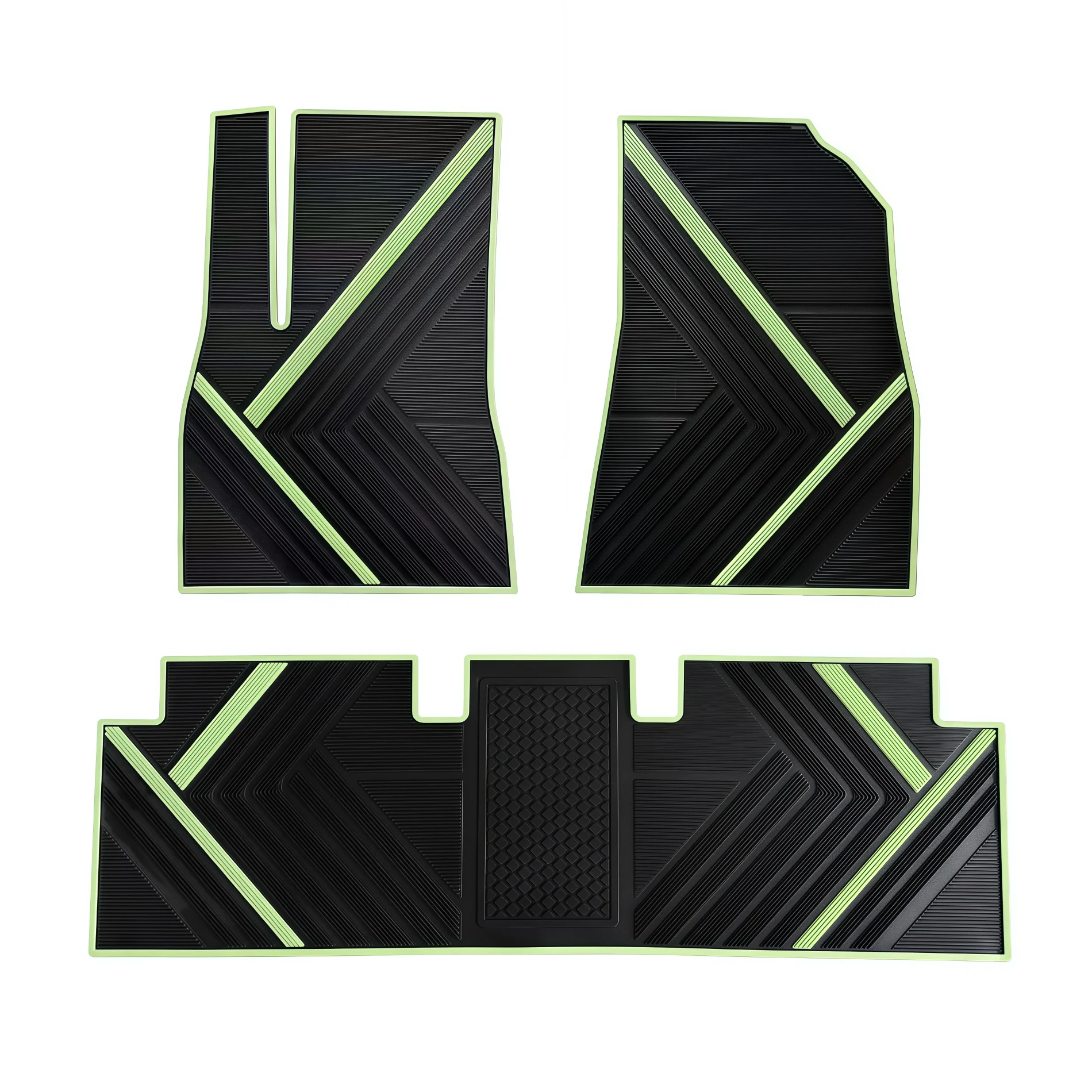
The choice of floor mat material extends beyond simple aesthetic preferences or price considerations—it directly influences the air quality within vehicle cabins and the potential for triggering allergic reactions during daily commutes. Natural latex possesses unique characteristics that address multiple concerns simultaneously: resistance to biological growth, minimal chemical off-gassing, easy maintenance protocols, and structural integrity that prevents allergen accumulation. This comprehensive exploration examines the scientific basis, practical benefits, and real-world applications that make latex car mats particularly suitable for drivers with respiratory sensitivities, skin allergies, and chemical sensitivities who require reliable protection from environmental triggers.
Understanding Material Composition and Allergen Interaction
Natural Latex Properties and Hypoallergenic Characteristics
Natural latex derived from rubber tree sap exhibits inherently antimicrobial properties that resist the growth of mold, mildew, and dust mites—three primary allergen sources within vehicle interiors. Unlike synthetic materials that may harbor these organisms within porous structures, latex car mats create an inhospitable environment for biological colonization due to their natural protein composition and density. The material's molecular structure prevents moisture penetration that typically supports fungal growth, making these mats particularly beneficial for drivers in humid climates or those transporting wet equipment regularly. This biological resistance occurs without chemical treatments or antimicrobial additives that might themselves trigger sensitivities in chemically reactive individuals.
The manufacturing process for quality latex car mats involves vulcanization and stabilization techniques that lock the material's cellular structure, creating a non-porous surface that allergens cannot penetrate or become embedded within. This contrasts sharply with carpet-style mats that trap pollen, pet dander, and particulate matter deep within fiber layers where standard cleaning cannot reach them. When drivers with allergies use latex car mats, surface allergens remain accessible to simple cleaning methods rather than accumulating over time as occurs with absorbent materials. The smooth, seamless surface prevents the creation of microenvironments where allergens concentrate and become aerosolized with normal vehicle vibration and climate control airflow.
Chemical Emissions and Off-Gassing Concerns
Many synthetic car mat materials—particularly those manufactured from PVC, vinyl compounds, and petroleum-based thermoplastics—release volatile organic compounds during their initial break-in period and throughout their service life. These emissions include plasticizers, stabilizers, and residual manufacturing chemicals that can trigger respiratory irritation, headaches, and chemical sensitivity symptoms in susceptible individuals. Natural latex car mats exhibit significantly lower VOC emission profiles, especially when manufactured using environmentally conscious processes that minimize synthetic additives and chemical accelerators. The absence of strong petrochemical odors that characterize many conventional floor mats makes latex options immediately more tolerable for drivers with heightened chemical sensitivities.
The curing process used in producing high-quality latex car mats allows residual processing chemicals to dissipate before product distribution, resulting in minimal detectable odor upon installation. This stands in contrast to synthetic alternatives that may require weeks of airing out before becoming comfortable for allergy-prone drivers. Furthermore, natural latex maintains its structural integrity without requiring plasticizer migration, meaning it does not contribute to the gradual accumulation of airborne particulates and chemical residues that coat dashboard surfaces and ventilation systems in vehicles equipped with heavily treated synthetic materials. For drivers managing multiple chemical sensitivities, this reduced chemical burden within the confined vehicle cabin environment represents a meaningful health consideration.
Comparison with Common Alternative Materials
Rubber car mats manufactured from synthetic compounds often contain accelerators, antioxidants, and processing oils that can cause contact dermatitis and respiratory irritation in sensitive individuals. While these materials offer durability and weather resistance, they frequently produce pronounced odors and surface residues that transfer to footwear and can be tracked into homes. Latex car mats provide comparable protective functionality without these problematic chemical signatures. The natural rubber base requires fewer synthetic additives to achieve desired performance characteristics, resulting in a cleaner material profile from an allergen perspective. Drivers transitioning from synthetic rubber to natural latex frequently report noticeable improvements in cabin air quality and reduction in allergy symptom frequency.
Fabric and carpet-based floor mats present different challenges for allergy sufferers despite their aesthetic appeal and initial comfort. These materials actively trap allergens including pollen grains, mold spores, dust mite waste, and pet dander within their fiber matrix, creating persistent allergen reservoirs that release particles whenever the material is compressed or disturbed. Standard vacuuming removes only surface contamination, leaving deeply embedded allergens intact. Latex car mats eliminate this accumulation problem entirely through their non-absorbent surface characteristics. Any allergens that contact the mat surface remain accessible to wet-wipe cleaning and can be completely removed rather than becoming permanent residents of the vehicle interior. This fundamental difference in allergen interaction explains why drivers with moderate to severe allergies often experience dramatic symptom reduction after switching to latex alternatives.
Practical Maintenance Advantages for Allergy Management
Simplified Cleaning Protocols and Allergen Removal
The seamless, non-porous surface of latex car mats enables thorough allergen removal using simple cleaning methods that prove ineffective with fabric or textured synthetic alternatives. A damp cloth or mild cleaning solution can remove essentially 100% of surface allergens from latex materials, whereas fabric mats require professional deep cleaning or replacement to achieve comparable allergen reduction. This ease of maintenance translates directly to improved allergy control for drivers who can quickly address pollen accumulation during high-count seasons or remove pet dander after transporting animals. The ability to perform effective cleaning in minutes rather than hours or requiring professional services makes consistent allergen management practical for busy individuals.
Unlike materials that degrade or lose their protective properties with repeated washing, quality latex car mats maintain their structural integrity and hypoallergenic characteristics through thousands of cleaning cycles. The material does not absorb cleaning solutions, preventing the introduction of fragrances, surfactant residues, or antimicrobial agents that might themselves trigger sensitivities. This chemical neutrality after cleaning ensures the mat surface remains free from potential irritants while providing confirmed allergen removal. Drivers with allergies can establish simple maintenance routines—weekly wipe-downs during allergy season, monthly deep cleans otherwise—that keep allergen loads at minimal levels without requiring specialized equipment or harsh chemical treatments that complicate rather than solve sensitivity issues.
Moisture Management and Mold Prevention
Moisture accumulation within vehicle floor areas creates ideal conditions for mold and mildew development, particularly in climates with high humidity or during seasons when wet footwear and melting snow introduce water regularly. Fabric and porous synthetic mats absorb this moisture, holding it against vehicle carpeting where fungal colonies establish and release allergenic spores into cabin air. Latex car mats resist moisture absorption while allowing proper drainage around their perimeter, preventing the standing water conditions that support mold growth. The material's natural antimicrobial properties provide additional protection even when moisture is present, as fungal organisms cannot effectively colonize the latex surface or utilize it as a nutrient source.
The dimensional stability of latex materials when exposed to moisture cycles prevents the warping, shrinkage, and surface degradation that compromise the protective function of lesser materials. Repeated wet-dry cycling does not create cracks, texture changes, or surface roughness that might trap allergens or harbor biological growth. This durability ensures that the hypoallergenic advantages of latex car mats persist throughout their extended service life rather than diminishing after initial use. For drivers in wet climates or those who regularly encounter challenging weather conditions, this moisture management capability directly translates to sustained allergy symptom control and reduced need for frequent mat replacement due to mold contamination or structural failure.
Long-Term Performance and Allergen Accumulation Resistance
The closed-cell structure inherent to properly manufactured latex car mats prevents the gradual allergen accumulation that inevitably affects open-cell and fibrous materials regardless of cleaning frequency. Over months and years of use, conventional mats develop deeply embedded allergen reservoirs that cannot be fully remediated short of complete replacement. Latex alternatives maintain essentially new-condition allergen resistance throughout their service life because surface cleaning removes all contamination rather than leaving residual particles embedded within material structure. This long-term performance consistency provides reliable allergy protection without the declining effectiveness characteristic of materials that progressively trap more allergens with age.
Quality latex car mats resist the surface texture changes—wear patterns, cracking, and material breakdown—that create allergen trap sites in deteriorating products. The material's inherent elasticity and tear resistance maintain smooth surface continuity even in high-wear zones around pedals and entry points where foot traffic concentrates. This sustained surface integrity ensures cleaning effectiveness remains constant rather than declining as mats age. Drivers investing in latex car mats for allergy management can expect multi-year service life without compromising the hypoallergenic properties that motivated the initial purchase decision. The cost-per-year calculation becomes highly favorable when accounting for both the extended lifespan and the consistent allergen control that eliminates need for mid-service replacement due to contamination concerns.
Health Considerations and Scientific Basis
Respiratory Health Protection and Indoor Air Quality
Vehicle cabin air quality directly impacts respiratory health for drivers spending significant time in their cars, with allergen levels in enclosed automotive environments often exceeding outdoor concentrations due to particle accumulation from HVAC systems and occupant activities. Latex car mats contribute meaningfully to improved air quality by eliminating a major allergen reservoir that continuously releases particles into breathing zones. Studies examining automotive allergen loads consistently identify floor coverings as primary contamination sources, with material selection proving more influential than cleaning frequency for overall allergen control. Natural latex's inability to harbor embedded allergens removes this constant particle source from the vehicle environment.
For drivers with asthma or reactive airway conditions, reducing baseline allergen exposure provides tangible health benefits including decreased rescue medication use, fewer symptom episodes, and improved overall respiratory function. The connection between floor mat material selection and respiratory outcomes becomes particularly evident during seasonal allergy peaks when pollen counts overwhelm inadequate filtration systems. Latex car mats prevent pollen tracked into vehicles from becoming embedded where it undergoes repeated aerosolization with every vehicle entry, climate control activation, and road vibration. This prevention of allergen cycling within the closed cabin environment substantially reduces total respiratory exposure compared to conditions with conventional absorbent floor coverings that actively retain and redistribute allergenic particles.
Contact Dermatitis Prevention and Skin Sensitivity
Chemical additives in synthetic automotive materials frequently cause or exacerbate contact dermatitis conditions, particularly in individuals with existing skin sensitivities or compromised barrier function. The plasticizers, UV stabilizers, and processing residues present in many conventional car mats can transfer to skin through direct contact or indirect exposure via contaminated clothing and footwear. Natural latex car mats minimize these chemical exposures through their reduced additive requirements and thoroughly cured manufacturing processes that eliminate residual reactive compounds. Drivers with diagnosed contact sensitivities or those who have experienced unexplained dermatological reactions often trace symptom resolution to elimination of problematic floor mat materials.
The smooth, chemically stable surface of quality latex car mats prevents the skin irritation sometimes associated with textured synthetic materials that mechanically abrade skin or retain irritating particles within surface patterns. Unlike materials requiring topical treatments for stain resistance or appearance maintenance—treatments that themselves may trigger allergic responses—latex surfaces remain functional without ongoing chemical applications. This chemical simplicity proves particularly important for individuals managing multiple sensitivities who must minimize cumulative exposure burdens from all environmental sources. The confirmation that floor mat materials do not contribute to total allergen or chemical load provides peace of mind alongside measurable symptom improvement.
Latex Allergy Considerations and Material Alternatives
While natural latex car mats offer substantial advantages for most allergy sufferers, individuals with diagnosed latex protein allergy require careful material evaluation or alternative selection. True latex allergy—distinct from general chemical sensitivities or other allergic conditions—involves immune reaction to specific proteins present in natural rubber products. For this population, highly processed latex materials with reduced protein content or synthetic alternatives manufactured without latex-derived components may prove necessary. However, latex allergy represents a relatively uncommon condition affecting approximately 1-2% of the general population, far fewer than the number experiencing benefits from latex's hypoallergenic properties relative to synthetic alternatives.
Manufacturing advances have produced low-protein latex formulations that dramatically reduce allergic potential while maintaining the material's beneficial characteristics for other allergy types. Drivers uncertain about latex sensitivity can consult allergists for specific testing before committing to latex car mats, ensuring material selection aligns with individual sensitivity profiles. For the vast majority of drivers managing environmental allergies, chemical sensitivities, or respiratory conditions, latex materials provide net health benefits substantially outweighing any theoretical concerns. The key distinction involves understanding that latex protein sensitivity differs fundamentally from the allergies that make latex car mats advantageous—specifically environmental allergen accumulation, mold growth, dust mite colonization, and synthetic chemical off-gassing that latex materials actively resist.
Selection Criteria and Product Quality Considerations
Manufacturing Standards and Material Purity
Not all products marketed as latex car mats deliver equivalent hypoallergenic performance, as manufacturing quality and material purity significantly influence allergen resistance and chemical emission profiles. Premium latex floor mats utilize high-grade natural rubber with minimal synthetic fillers or petroleum-based extenders that compromise the material's inherent advantages. Production processes emphasizing complete vulcanization and extended curing periods ensure residual processing chemicals fully dissipate before product distribution, eliminating the pronounced chemical odors that characterize low-quality alternatives. Drivers prioritizing allergy management should seek latex car mats from manufacturers transparently disclosing material composition and demonstrating commitment to environmental and health standards.
Third-party certifications and testing for VOC emissions, antimicrobial properties, and material purity provide objective validation of manufacturer claims regarding hypoallergenic characteristics. Products meeting rigorous environmental and health standards demonstrate measurably lower chemical emissions and superior resistance to biological contamination compared to minimally regulated alternatives. The investment in certified latex car mats delivers meaningful health protection rather than mere marketing claims, particularly important for drivers with severe sensitivities requiring reliable material performance. Quality indicators include detailed material specifications, transparent sourcing information, and willingness to provide technical documentation supporting hypoallergenic assertions rather than vague allergy-friendly marketing language lacking substantive backing.
Design Features Supporting Allergen Control
Beyond base material selection, specific design elements enhance the allergen control capabilities of latex car mats. Raised edge profiles contain spills and moisture while preventing contaminants from reaching vehicle carpeting, creating an effective barrier between exterior allergen sources and interior surfaces. Custom-fitted latex car mats provide complete floor coverage without gaps where allergens accumulate in unreachable areas, ensuring comprehensive protection rather than partial coverage leaving vulnerable zones. Deep channeling patterns facilitate drainage and debris collection while maintaining smooth surfaces amenable to thorough cleaning, balancing functional performance with maintenance simplicity critical for consistent allergen management.
Seamless construction without adhesive joints or multi-material interfaces eliminates the crevices and transition zones where allergens concentrate and cleaning effectiveness diminishes. Single-piece latex car mats manufactured through molding processes rather than assembled from separate components provide superior allergen resistance by preventing contamination in joining areas. Surface textures designed for traction and debris retention should maintain cleanability rather than creating microscopic trap sites where particles become inaccessible to standard cleaning methods. The optimal balance involves sufficient surface variation for functional performance—water channeling, dirt containment, slip resistance—while preserving the smooth, non-porous characteristics that enable complete allergen removal with simple maintenance protocols.
Cost-Benefit Analysis for Allergy Management Investment
While quality latex car mats typically command premium pricing compared to basic synthetic alternatives, the comprehensive cost analysis for allergy sufferers reveals favorable economics when accounting for health outcomes, longevity, and maintenance requirements. The extended service life of durable latex materials—often five to seven years with proper care—substantially reduces annualized cost compared to frequently replaced lower-grade products. More significantly, the health benefits of reduced allergen exposure translate to measurable economic value through decreased medication expenses, fewer medical visits, reduced sick time, and improved quality of life that defies simple monetary quantification but represents genuine value for affected individuals.
The maintenance cost differential further favors latex car mats for allergy-conscious drivers, as simple cleaning protocols eliminate expenses for professional deep cleaning services, specialized allergen removal products, or frequent replacement due to irremediable contamination. A latex car mats investment pays dividends throughout its service life through consistent allergy symptom reduction that conventional alternatives cannot match regardless of cleaning frequency or care diligence. For drivers managing significant allergy burdens affecting daily comfort and productivity, the incremental cost premium for latex materials represents sound health investment rather than discretionary luxury spending.
Real-World Applications and User Experience
Seasonal Allergy Management and Pollen Control
Drivers contending with seasonal allergies face particularly acute challenges during spring and fall pollen peaks when outdoor exposure proves unavoidable and pollen grains attach to clothing and footwear, entering vehicles with every trip. Conventional floor mats trap these pollen particles, creating persistent allergen sources that trigger symptoms long after outdoor exposure ends. Latex car mats address this seasonal challenge through their non-retentive surfaces that prevent pollen embedding, allowing complete removal through simple post-drive cleaning. This capability enables drivers to maintain low-allergen vehicle environments even during high pollen count periods when outdoor avoidance proves impossible.
The rapid cleaning cycle possible with latex materials—typically under five minutes for thorough allergen removal—makes consistent pollen management practical within daily routines rather than requiring weekend deep cleaning sessions. Drivers can wipe down mats after returning from outdoor activities, immediately eliminating pollen loads before they disperse throughout the cabin environment. This proactive allergen removal contrasts sharply with the reactive approach necessary for absorbent materials where cleaning occurs only after symptoms indicate excessive allergen accumulation. The empowerment to control vehicle allergen levels through simple, effective actions provides both physical symptom relief and psychological benefit for individuals accustomed to environmental allergens dictating their comfort and wellbeing.
Pet Transportation and Dander Management
Vehicle occupants with pet allergies face complicated situations when transportation of animals becomes necessary despite sensitivity concerns. Pet dander, consisting of microscopic skin flakes and attached proteins, becomes deeply embedded in fabric floor coverings where it remains allergenic for months even after animal removal. Latex car mats provide practical solutions for occasional pet transportation by preventing dander embedding and enabling complete allergen removal after animal transport concludes. The non-absorbent surface characteristics that resist moisture and biological contamination equally prevent pet allergen integration into material structure, maintaining the mat as a protective barrier rather than becoming part of the allergen problem.
Post-transport cleaning protocols for latex materials achieve allergen removal effectiveness that fabric alternatives cannot match even with professional treatment. Simple washing with appropriate cleaning solutions removes essentially all pet dander from latex surfaces, restoring vehicles to pre-transport allergen levels within hours rather than requiring weeks of ventilation and repeated vacuuming. This rapid recovery capability proves invaluable for drivers who must occasionally transport pets despite allergies or who share vehicles with pet owners, enabling allergen control without permanent environmental compromise. The material's resistance to odor absorption further enhances suitability for intermittent pet transport situations where animal scent retention would create ongoing discomfort beyond direct allergic response.
Climate-Specific Performance and Regional Suitability
Environmental conditions significantly influence floor mat material performance, with climate factors affecting allergen control capabilities and material longevity. Latex car mats demonstrate particular advantages in humid environments where mold and mildew pose constant threats to conventional materials. The natural antimicrobial properties and moisture resistance inherent to quality latex products prevent the fungal colonization that plagues absorbent materials in coastal regions, tropical climates, and areas experiencing pronounced seasonal humidity variation. Drivers in these regions benefit disproportionately from latex material selection as alternative options require frequent replacement due to biological contamination that cleaning cannot reverse.
Cold climate applications present different challenges including freeze-thaw cycling, salt exposure, and extreme temperature variation that degrade lesser materials. Natural latex maintains flexibility and structural integrity across temperature extremes that cause synthetic alternatives to crack or stiffen, preserving both functional performance and allergen control capabilities regardless of seasonal conditions. The chemical stability of properly formulated latex materials resists degradation from road salt and de-icing chemical exposure that accelerates deterioration and increases surface roughness in materials lacking equivalent chemical resistance. This climate-independent performance reliability ensures consistent allergen management benefits year-round rather than seasonal effectiveness variation requiring material rotation or climate-specific product selection.
FAQ
Are latex car mats completely hypoallergenic for all allergy types?
Natural latex car mats offer hypoallergenic advantages for the vast majority of environmental allergies, chemical sensitivities, and respiratory conditions by resisting mold growth, dust mite colonization, allergen embedding, and chemical off-gassing. However, individuals with specific latex protein allergy—affecting approximately 1-2% of the population—require alternative materials or specially processed low-protein latex formulations. For common allergies involving pollen, pet dander, mold, and synthetic chemical sensitivities, latex materials provide superior allergen resistance compared to synthetic rubber, vinyl, and fabric alternatives. Drivers should distinguish between latex protein allergy and the environmental allergies that latex materials help manage, consulting allergists for specific sensitivity testing if uncertainty exists regarding individual latex reactivity.
How frequently should latex car mats be cleaned for optimal allergy control?
Cleaning frequency for latex car mats depends on allergen exposure patterns, seasonal conditions, and individual sensitivity levels. During high pollen seasons or when regularly transporting pets, weekly surface cleaning with damp cloths effectively removes accumulated allergens before significant cabin air contamination occurs. In low-allergen periods or for drivers with moderate sensitivities, monthly thorough cleaning typically maintains adequate allergen control. The non-porous surface of latex materials makes frequent cleaning practical and effective, with each cleaning cycle removing essentially all surface allergens rather than partial removal achieved with absorbent materials. Post-exposure spot cleaning after specific high-allergen events—such as muddy hiking trips or beach visits—provides additional protection by addressing concentrated allergen loads before they disperse throughout the vehicle interior.
Do latex car mats require special cleaning products or techniques?
Quality latex car mats require only mild soap solutions or all-purpose cleaners for effective allergen removal, avoiding harsh chemicals, petroleum solvents, or abrasive treatments that might damage material surfaces. Simple protocols involving warm water and neutral pH cleaners achieve complete allergen removal while preserving latex integrity and hypoallergenic properties. Avoid products containing strong fragrances, antimicrobial additives, or chemical residues that might trigger sensitivities in chemically reactive individuals. The material's chemical resistance allows use of stronger cleaning agents when necessary for stubborn contamination, though routine maintenance typically requires minimal cleaning product strength. After washing, air drying or simple towel wiping proves sufficient, as latex materials do not retain moisture requiring extended drying periods or specialized drying equipment.
How long do latex car mats maintain their allergen-resistant properties?
Premium latex car mats manufactured to high quality standards maintain their allergen-resistant characteristics throughout service lives typically spanning five to seven years or longer with appropriate care. Unlike absorbent materials that progressively accumulate embedded allergens regardless of cleaning diligence, latex surfaces resist the structural changes and contamination buildup that compromise allergen control over time. The material's inherent antimicrobial properties, closed-cell structure, and chemical stability persist throughout the product lifespan rather than degrading with use and exposure. Regular cleaning prevents surface residue accumulation without requiring special treatments to restore hypoallergenic functionality. Visible wear indicators such as surface cracking, permanent staining, or dimensional changes signal replacement needs, but properly maintained latex materials typically reach end-of-service due to aesthetic considerations rather than loss of allergen control capabilities that motivated their selection.