
 EN
EN


অফিস চেয়ারের কারণে ফ্লোরিং-এর ক্ষতি হল পেশাদার ও গৃহ অফিস পরিবেশে সবচেয়ে উপেক্ষিত কিন্তু খরচসাপেক্ষ রক্ষণাবেক্ষণ সমস্যাগুলির মধ্যে একটি। অফিস চেয়ারগুলির ধ্রুব রোলিং, পিভটিং এবং চাপ হার্ডউড ও কার্পেটযুক্ত উভয় পৃষ্ঠেরই স্থায়ী ক্ষতি করতে পারে এমন ক্ষয়ের প্যাটার্ন তৈরি করে। একটি চেয়ার ম্যাট একটি সুরক্ষামূলক বাধা হিসাবে কাজ করে যা এই ব্যয়বহুল ফ্লোর মেরামত রোধ করে এবং আধুনিক অফিস কাজের জন্য প্রয়োজনীয় মসৃণ গতিশীলতা বজায় রাখে।
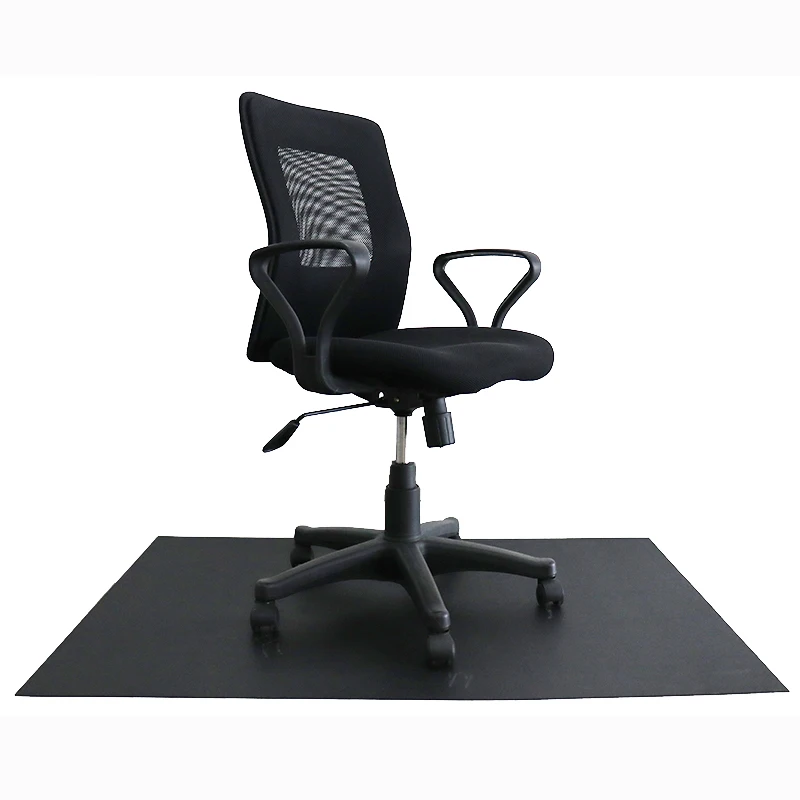
একটি চেয়ার ম্যাট কীভাবে ব্যাপক ফ্লোর সুরক্ষা প্রদান করে তা বোঝার জন্য চেয়ার-জনিত ক্ষতির নির্দিষ্ট যান্ত্রিক প্রক্রিয়া এবং গুণগত ম্যাটগুলি যে সুরক্ষামূলক সমাধানগুলি প্রদান করে তা পরীক্ষা করা প্রয়োজন। কার্পেট ফাইবার চাপ ও চূর্ণীভূত হওয়া রোধ করা থেকে শুরু করে হার্ডউডের আঁচড় দূর করা— সঠিক চেয়ার ম্যাট সম্ভাব্য ধ্বংসাত্মক চেয়ার গতিকে মসৃণ, ফ্লোর-নিরাপদ গতিশীলতায় রূপান্তরিত করে যা আপনার গুণগত ফ্লোরিং উপকরণে বিনিয়োগকে রক্ষা করে।
চেয়ার-জনিত ফ্লোর ক্ষতির যান্ত্রিক প্রক্রিয়া বোঝা
কার্পেট ফাইবার সংকোচন ও চূর্ণীভূত হওয়া
অফিস চেয়ারগুলি কার্পেটের তন্তুগুলিকে ধীরে ধীরে তাদের প্রাকৃতিক পুনরুদ্ধার ক্ষমতার বাইরে চাপ দিয়ে সংকুচিত করে, যা সংকুচিত চাপের বিন্দুগুলি তৈরি করে। চেয়ারের চাকাগুলির পুনরাবৃত্তিমূলক গড়ানোর গতি ঘর্ষণ বল উৎপন্ন করে যা কার্পেটের পৃথক তন্তুগুলিকে বাঁকিয়ে ও ভেঙে দেয়, ফলে স্থায়ী গর্ত এবং ক্ষয় হওয়ার নমুনা তৈরি হয়। সময়ের সাথে সাথে এই ক্ষতিগ্রস্ত অঞ্চলগুলি দৃশ্যমান ট্রাফিক লেনে পরিণত হয় যা পরিষ্কার করা বা পেশাদার রক্ষণাবেক্ষণের মাধ্যমে পুনরুদ্ধার করা সম্ভব হয় না।
অধিষ্ঠিত অফিস চেয়ারগুলির ওজন বণ্টন কার্পেটের উপরিতলে ছোট চাকা-সংস্পর্শ বিন্দুগুলির মাধ্যমে বিশাল চাপ কেন্দ্রীভূত করে, যা প্রায়শই কার্পেট পৃষ্ঠে ২০০ পাউন্ড প্রতি বর্গ ইঞ্চির বেশি হয়। এই কেন্দ্রীভূত চাপ কার্পেটের ব্যাকিং চূর্ণ করে দেয় এবং তন্তু গঠনকে স্থায়ীভাবে বিকৃত করে, ফলে ময়লা জমা হওয়ার জন্য উপযুক্ত গর্ত তৈরি হয় এবং গভীর পরিষ্কারের পরেও এগুলি অন্ধকার ও চাপা অঞ্চল হিসাবে দৃশ্যমান হয়।
উচ্চ-গুণবত্তার কার্পেটগুলি বিশেষভাবে গুরুতর ক্ষতির শিকার হয়, কারণ এদের দীর্ঘতর তন্তুগুলি চেয়ারের চাকার সাথে জড়িয়ে যায়, যার ফলে টানাটানি ও ছিঁড়ে যাওয়া ঘটে এবং অপ্রীতিকর মাথার মতো মাথার মতো বেসিক স্পট তৈরি হয়। চাপ, ঘর্ষণ এবং জটিলতার সমন্বয়ে কার্পেটযুক্ত অফিসগুলি চেয়ার-সম্পর্কিত ক্ষতির প্রতি বিশেষভাবে সংবেদনশীল হয়ে ওঠে, যদি উপযুক্ত চেয়ার ম্যাট সুরক্ষা না থাকে।
কাঠের মেঝেতে আঁচড় এবং পৃষ্ঠের ক্ষতি
অফিস চেয়ার ব্যবহারের কারণে কাঠের মেঝেগুলি ভিন্ন ধরনের কিন্তু সমানভাবে গুরুতর হুমকির মুখোমুখি হয়, যেখানে চাকা-জনিত আঁচড় প্রধান উদ্বেগের বিষয়। চেয়ারের চাকা ধূলিকণা, ছোট পাথর এবং ঘর্ষণকারী কণা সংগ্রহ করে যা সাধারণ গড়িয়ে যাওয়ার সময় কাঠের মেঝের উপর স্যান্ডপেপারের মতো কাজ করে। এই সূক্ষ্ম ঘর্ষণকারী কণাগুলি সময়ের সাথে সাথে দৃশ্যমান ক্ষতির প্যাটার্নে জমা হওয়া সূক্ষ্ম আঁচড় তৈরি করে।
চেয়ারের গতির দিকনির্দেশক প্রকৃতির কারণে ডেস্ক থেকে ফাইলিং ক্যাবিনেট, প্রিন্টার এবং বৈঠক এলাকা পর্যন্ত ভবিষ্যদ্বাণীযোগ্য পথ অনুসরণ করে বৈশিষ্ট্যপূর্ণ আঁচড় চিহ্ন সৃষ্টি হয়। এই উচ্চ-ট্রাফিক অঞ্চলগুলিতে গভীর খাঁজ এবং পৃষ্ঠের আঁচড় চিহ্ন তৈরি হয় যা সুরক্ষামূলক ফিনিশগুলির মাধ্যমে কাঠের মধ্যে প্রবেশ করে, যার ফলে পুনরুদ্ধারের জন্য ব্যয়বহুল রিফিনিশিং বা বোর্ড প্রতিস্থাপন প্রয়োজন হয়।
তাপমাত্রা ও আর্দ্রতার পরিবর্তনের কারণে কঠিন কাঠের মেঝেগুলি সামান্য প্রসারিত ও সংকুচিত হয়, যার ফলে ছোট ছোট ফাঁক এবং উঠে আসা প্রান্ত সৃষ্টি হয় যেখানে চেয়ারের চাকা আটকে যেতে পারে এবং ক্ষতি করতে পারে। চাকার চাপ এবং কাঠের গতির সংমিশ্রণে প্রান্তগুলি চিপ হয়ে যেতে পারে এবং স্প্লিন্টার তৈরি হয়, যা চেয়ারের চলাচল অব্যাহত থাকলে আরও খারাপ হয়ে যায় এবং দ্রুত ক্ষয় ঘটে।
কার্পেটযুক্ত পৃষ্ঠের জন্য চেয়ার ম্যাট সুরক্ষা ব্যবস্থা
চাপ বণ্টন এবং ভার বিস্তার
একটি উচ্চমানের চেয়ার ম্যাট চাপ কমিয়ে দেয় এবং চাপকে অনেক বড় পৃষ্ঠতলের উপর সমানভাবে বণ্টন করে। চেয়ার ও বসবাসকারীর সম্পূর্ণ ওজনকে ছোট ছোট চাকার সংস্পর্শ বিন্দুর মাধ্যমে কেন্দ্রীভূত করার পরিবর্তে, চেয়ার ম্যাট এই ভারকে এর সম্পূর্ণ আকারের উপর ছড়িয়ে দেয়, যার ফলে নীচের কার্পেটের তন্তুগুলোর উপর প্রতি বর্গ ইঞ্চিতে চাপ উল্লেখযোগ্যভাবে কমে যায়।
এই চাপ বণ্টন কার্পেটের চেহারা ও গঠনকে ধ্বংস করে দেওয়া চূর্ণীভূত ক্ষতি প্রতিরোধ করে। চেয়ার ম্যাট একটি কঠিন প্ল্যাটফর্ম হিসেবে কাজ করে যা কার্পেটের পৃষ্ঠের উপর স্থির উচ্চতা বজায় রাখে, ফলে উচ্চ-ব্যবহারকৃত অঞ্চলগুলোতে স্থায়ী গর্ত সৃষ্টি করে এমন ডুবে যাওয়া ও সংকোচন রোধ করা হয়।
আধুনিক চেয়ার ম্যাট ডিজাইনগুলোতে উন্নত উপকরণ ব্যবহার করা হয়েছে যা চমৎকার ওজন বণ্টন প্রদান করে এবং একইসাথে ব্যবহারকালীন কার্পেটের সঙ্গে উপযুক্ত ঘর্ষণ ও স্থিতিশীলতা বজায় রাখার জন্য নমনীয়তা বজায় রাখে।
ঘর্ষণ দূরীকরণ ও মসৃণ গতি
চেয়ার ম্যাটগুলি চেয়ার সরানোর সময় চাকার এবং কার্পেটের তন্তুগুলির মধ্যে ঘর্ষণ দূর করে, যা টানা, ছিঁড়ে ফেলা এবং তন্তু ক্ষতির কারণ হয়। উপযুক্তভাবে নির্বাচিত চেয়ার ম্যাটের মসৃণ পৃষ্ঠটি চাকাগুলিকে কার্পেটের তন্তুগুলিকে আটকে ধরা বা টানা ছাড়াই স্বাধীনভাবে ঘুরতে দেয়, যার ফলে কার্পেটের গঠনের অখণ্ডতা বজায় থাকে।
এই ঘর্ষণ হ্রাস চেয়ার স্থাপনকে সহজ করে তোলে, যা মানবদেহের জন্য আরও আরামদায়ক (ইরগোনমিক) করে তোলে; এছাড়া চেয়ার সরানোর জন্য প্রয়োজনীয় বল কমিয়ে দেয় এবং কার্পেট ক্ষতির কারণ হয় এমন ঝাঁকুনি সহ হঠাৎ থামা ও শুরু হওয়া রোধ করে। ব্যবহারকারীরা কার্পেটের তন্তুগুলি ছিঁড়ে ফেলার জন্য অতিরিক্ত বল প্রয়োগ না করেই কাজের বিভিন্ন অবস্থানের মধ্যে মসৃণভাবে সরে যেতে পারেন।
চাকা ও কার্পেটের মধ্যে যোগাযোগ দূর করা চাকার যান্ত্রিক অংশগুলিতে কার্পেটের তন্তু জমা হওয়া রোধ করে, যার ফলে চেয়ারের গতিশীলতা বজায় থাকে এবং ব্লক হওয়া চাকাগুলির কারণে কার্পেটের পৃষ্ঠে অতিরিক্ত ক্ষতি থেকে মেঝের পৃষ্ঠকে রক্ষা করা হয়।
চেয়ার ম্যাট ব্যবহারের মাধ্যমে কাঠের মেঝে রক্ষা
দাগ ও আঁচড় রোধ এবং পৃষ্ঠের সংরক্ষণ
চেয়ার ম্যাটগুলি চেয়ারের চাকার এবং হার্ডউড পৃষ্ঠের মধ্যে একটি সুরক্ষামূলক বাধা তৈরি করে, যা আঁচড় এবং পৃষ্ঠ ক্ষতির কারণ হওয়া সরাসরি যোগাযোগকে প্রতিরোধ করে। ম্যাটের পৃষ্ঠ ধূলিকণা-সমৃদ্ধ চাকার ক্ষয়কারী ক্রিয়াকে শোষণ করে, যার ফলে হার্ডউডের ফিনিশ এবং অন্তর্গত কাঠকে ক্ষতি থেকে রক্ষা করা হয়।
গুণগত চেয়ার ম্যাটগুলি দীর্ঘ সময় ব্যবহারের পরেও তাদের মসৃণ পৃষ্ঠের বৈশিষ্ট্য বজায় রাখে, যার ফলে তারা তাদের সেবা জীবন জুড়ে আঁচড় থেকে সুরক্ষা প্রদান করতে থাকে। ফার্নিচার প্যাড বা এরিয়া রাগ এর মতো অস্থায়ী সমাধানের বিপরীতে, একটি বিশেষায়িত চেয়ার ম্যাট চেয়ারের সমস্ত সম্ভাব্য চলাচল প্যাটার্ন কভার করে এমন সুস্পষ্ট সুরক্ষা প্রদান করে।
চেয়ার ম্যাটটি এছাড়াও চাকা দ্বারা হার্ডউড পৃষ্ঠের উপর জল বা ছিটকে পড়ার ফলে হওয়া আর্দ্রতা-সম্পর্কিত ক্ষতি প্রতিরোধ করে। অপরিবাহী ম্যাট পৃষ্ঠটি ছোটখাটো ছিটকে পড়া তরলকে ধরে রাখে এবং তা কাঠের উপর পৌঁছানো থেকে রোধ করে, যার ফলে দাগ এবং জল-ক্ষতি রোধ করা হয়—যা ব্যয়বহুল মেরামত বা পুনর্নির্মাণের প্রয়োজন হয়।
প্রান্ত সুরক্ষা এবং ফাঁক ব্যবস্থাপনা
কাঠের মেঝেতে প্রাকৃতিক প্রসারণ ও সংকোচনের চক্রের কারণে প্রায়শই ছোটো ফাঁক এবং উঁচু প্রান্ত তৈরি হয়। চেয়ারের চাকা এই প্রান্তগুলোতে আটকে যেতে পারে এবং সময়ের সাথে সাথে খারাপ হওয়া শুরু করে এমন ফাটল বা চিপিং সৃষ্টি করতে পারে। একটি চেয়ার ম্যাট এই ফাঁক এবং অনিয়মিততা পূরণ করে, চাকার গতির জন্য একটি মসৃণ ও সমতল পৃষ্ঠ প্রদান করে।
ম্যাটের কঠিন গঠন চাকাগুলোকে তক্তাগুলোর মধ্যবর্তী ফাঁকে পড়তে বাধা দেয়, যা প্রান্তগুলোকে তুলে দেওয়ার জন্য প্রয়োজনীয় লিভার বলগুলো দূর করে এবং কাঠের মেঝের গঠনগত ক্ষতি রোধ করে। এই ফাঁক ব্যবস্থাপনা মেঝের গঠনগত অখণ্ডতা রক্ষা করে যার সাথে চেয়ারের মসৃণ গতিশীলতাও বজায় রাখে।
প্রাচীন কাঠের মেঝেতে যেখানে বসে যাওয়া এবং বয়স বৃদ্ধির কারণে আরও স্পষ্ট ফাঁক ও অনিয়মিততা তৈরি হয়েছে, সেখানে প্রান্ত সুরক্ষার গুরুত্ব বিশেষভাবে বৃদ্ধি পায়। চেয়ার ম্যাট একটি স্থিতিশীল প্ল্যাটফর্ম প্রদান করে যা এই প্রাকৃতিক মেঝের পরিবর্তনগুলোকে গ্রহণ করে কিন্তু সুরক্ষা বা ব্যবহারযোগ্যতা কমায় না।
উপাদান নির্বাচন এবং কর্মদক্ষতার বৈশিষ্ট্য
PVC এবং পলিকার্বোনেট বিকল্প
আধুনিক চেয়ার ম্যাটগুলি উন্নত পলিমার উপকরণ ব্যবহার করে যা চমৎকার টেকসইতা এবং মেঝে সুরক্ষা বৈশিষ্ট্য প্রদান করে। পিভিসি (PVC) চেয়ার ম্যাটগুলি চমৎকার নমনীয়তা এবং আকৃতি অনুসারে ঢালাইযোগ্যতা প্রদান করে, যা কার্পেটযুক্ত পৃষ্ঠের জন্য আদর্শ—যেখানে ম্যাটটি অন্তর্নিহিত কার্পেটের সংকোচনের মাধ্যমে আঁকড়ে ধরা এবং স্থিতিশীলতা বজায় রাখতে হয়।
পলিকার্বোনেট চেয়ার ম্যাটগুলি উৎকৃষ্ট কঠোরতা এবং আঁচড় প্রতিরোধ ক্ষমতা প্রদান করে, যা কাঠের মেঝে সুরক্ষার জন্য আদর্শ বিকল্প—যেখানে পৃষ্ঠের টেকসইতা সর্বোচ্চ গুরুত্বপূর্ণ। এই উপকরণগুলি ভারী ব্যবহারের অবস্থায়ও তাদের সুরক্ষামূলক বৈশিষ্ট্য বজায় রাখে, যা দীর্ঘমেয়াদী মেঝে সুরক্ষা মূল্য প্রদান করে।
উপকরণ নির্বাচন চেয়ার ম্যাটের ওজন বণ্টন, ক্ষয় প্রতিরোধ এবং সময়ের সাথে সুরক্ষামূলক বৈশিষ্ট্য বজায় রাখার ক্ষমতাকে উল্লেখযোগ্যভাবে প্রভাবিত করে। উচ্চমানের উপকরণ নিশ্চিত করে যে চেয়ার ম্যাটটি তার প্রত্যাশিত সেবা জীবন জুড়ে মেঝে সুরক্ষা প্রদান করতে থাকবে, যেখানে কোনো ক্ষয় বা অবক্ষয় ঘটবে না যা কার্যকারিতা কমিয়ে দেবে।
পুরুত্ব এবং গঠনগত বিবেচনা
চেয়ার ম্যাটের পুরুত্ব সরাসরি এটির ওজন বণ্টন করার ক্ষমতা এবং চেয়ারের গতিশীলতার জন্য স্থিতিশীল সমর্থন প্রদানের ক্ষমতাকে প্রভাবিত করে। পুরু ম্যাটগুলি ভালো ওজন বণ্টন এবং গঠনগত দৃঢ়তা প্রদান করে, কিন্তু এগুলি উচ্চতা-স্থানান্তর সৃষ্টি করতে পারে যা চেয়ারের স্থিতিশীলতা এবং ব্যবহারকারীর আরামদায়কতাকে প্রভাবিত করে।
অপটিমাল পুরুত্ব হলো সুরক্ষা প্রয়োজনীয়তা এবং ব্যবহারিক ব্যবহারযোগ্যতার মধ্যে ভারসাম্য বজায় রাখে, যাতে যথেষ্ট ফ্লোর সুরক্ষা নিশ্চিত হয় কিন্তু মানবদেহের অ্যানাটমি অনুযায়ী সমস্যা (ergonomic issues) বা স্থিতিশীলতা সংক্রান্ত সমস্যা সৃষ্টি না হয়। পেশাদার-মানের চেয়ার ম্যাটগুলি সাধারণত ২ মিমি থেকে ৪ মিমি পুরুত্বের মধ্যে থাকে, যার নির্দিষ্ট সুপারিশগুলি ফ্লোরের ধরন এবং ব্যবহারের তীব্রতার উপর ভিত্তি করে করা হয়।
গঠনগত বিবেচনার মধ্যে প্রান্ত ডিজাইনও অন্তর্ভুক্ত থাকে, যা চেয়ার ম্যাটটি বিদ্যমান ফ্লোরিং এবং ফার্নিচার বিন্যাসের সাথে কীভাবে একীভূত হয় তা নির্ধারণ করে। বিভাগীয় (beveled) প্রান্তগুলি চড়ানো-নামানোর ঝুঁকি প্রতিরোধ করে এমন মসৃণ স্থানান্তর প্রদান করে এবং সম্পূর্ণ ফ্লোর সুরক্ষা কভারেজ বজায় রাখে।
দীর্ঘমেয়াদী ফ্লোর সংরক্ষণ এবং খরচ-সংক্রান্ত সুবিধা
রক্ষণাবেক্ষণের ব্যয় কমানো
চেয়ার ম্যাট ব্যবহার করে কার্পেট পরিষ্কার করা, মেরামত করা এবং উচ্চ-ব্যবহৃত অফিস এলাকায় পুনরায় স্থাপন করার পুনরাবৃত্তিমূলক খরচ নিরুৎসাহিত করা হয়। চেয়ার ম্যাট কার্পেটের যে ক্ষতি ঘটায় তার ফলে পেশাদার কার্পেট পুনরুদ্ধার বা অংশগুলি প্রতিস্থাপন করা প্রয়োজন হয়, সেই ক্ষতি রোধ করে, যা দীর্ঘমেয়াদী উল্লেখযোগ্য অর্থসাশ্রয় নিশ্চিত করে।
চেয়ার ম্যাট ব্যবহারের মাধ্যমে কাঠের মেঝের সুরক্ষা করলে গভীর আঁচড় ও পৃষ্ঠের ক্ষয় জনিত সমস্যার ফলে হওয়া ব্যয়বহুল পুনর্নির্মাণ ও মেরামতের খরচ এড়ানো যায়। উচ্চমানের চেয়ার ম্যাট প্রয়োগের খরচ কাঠের মেঝে পুনরুদ্ধারের খরচের তুলনায় অত্যন্ত ক্ষুদ্র।
চেয়ার ম্যাট নিয়মিত প্রতিস্থাপনের খরচ মেঝের ক্ষতি মেরামত করার চেয়ে অনেক কম, ফলে মেঝে সংরক্ষণে চেয়ার ম্যাট একটি চমৎকার বিনিয়োগ। পূর্বনির্ধারিত প্রতিস্থাপন চক্রটি বাজেট পরিকল্পনা করতে সাহায্য করে এবং অবিচ্ছিন্ন মেঝে সুরক্ষা নিশ্চিত করে।
সম্পত্তির মূল্য সংরক্ষণ
ভালোভাবে রক্ষণাবেক্ষণ করা ফ্লোরিং সম্পত্তির মূল্য এবং পেশাদার চেহারা বজায় রাখতে উল্লেখযোগ্য ভূমিকা পালন করে। চেয়ার ম্যাটের সুরক্ষা উচ্চমানের ফ্লোরিং উপকরণগুলির মূল অবস্থা বজায় রাখে, যা সম্পত্তির মূল্যায়ন এবং দৃষ্টিনন্দন আকর্ষণে এদের অবদান বজায় রাখে।
সুরক্ষিত ফ্লোরগুলির পেশাদার চেহারা সামগ্রিক অফিস পরিবেশকে উন্নত করে, যা ক্লায়েন্ট এবং কর্মচারীদের কাছে ইতিবাচক ধারণা গড়ে তোলে। ক্ষতিগ্রস্ত বা পরিধানযুক্ত ফ্লোরিং পেশাদার ছবিকে ক্ষুণ্ণ করে এবং ব্যবসায়িক সম্পর্কের উপর নেতিবাচক প্রভাব ফেলতে পারে।
চেয়ার ম্যাট বাস্তবায়ন করা হলে দীর্ঘমেয়াদী সম্পত্তির মূল্য বজায় রাখার জন্য সক্রিয় সুবিধা ব্যবস্থাপনার প্রমাণ দেয়। ফ্লোর সুরক্ষার এই ভবিষ্যৎ-দৃষ্টিসম্পন্ন পদ্ধতি তাত্ক্ষণিক কার্যক্রমের প্রয়োজনীয়তা এবং দীর্ঘমেয়াদী সম্পত্তি বিনিয়োগের লক্ষ্য উভয়কেই সমর্থন করে।
প্রায়শই জিজ্ঞাসিত প্রশ্ন
ঘন কার্পেটের জন্য কোন ধরনের চেয়ার ম্যাট সবচেয়ে ভালো কাজ করে?
ঘন কার্পেটগুলির জন্য গভীর ক্লিট বা স্পাইকযুক্ত চেয়ার ম্যাট প্রয়োজন যা কার্পেটের ফাইবারের মধ্য দিয়ে প্রবেশ করে স্থিতিশীলতার জন্য এর ব্যাকিং-এ পৌঁছায়। আক্রমণাত্মক ক্লিট প্যাটার্নযুক্ত পিভিসি চেয়ার ম্যাটগুলি ঘন কার্পেট স্থাপনের ক্ষেত্রে চমৎকার গ্রিপ প্রদান করে এবং ওজন কার্যকরভাবে বণ্টন করে কার্পেট চূর্ণীভূত হওয়ার ক্ষতি রোধ করে। সর্বোত্তম কার্যকারিতার জন্য ক্লিটের দৈর্ঘ্য কার্পেটের ফাইবারের উচ্চতার সমান বা তার থেকে সামান্য বেশি হওয়া উচিত।
চেয়ার ম্যাটগুলি কত ঘন ঘন প্রতিস্থাপন করা উচিত?
গুণগত চেয়ার ম্যাটগুলি সাধারণ অফিস ব্যবহারের শর্তে সাধারণত ৩-৫ বছর স্থায়ী হয়, যখন দৃশ্যমান ক্ষয়, ফাটল বা গঠনগত অখণ্ডতা হারানোর লক্ষণ দেখা দেয় তখন এগুলি প্রতিস্থাপন করা উচিত। ভারী ব্যবহারের পরিবেশে আরও ঘন ঘন প্রতিস্থাপনের প্রয়োজন হতে পারে, অন্যদিকে হালকা ব্যবহারের ক্ষেত্রে ম্যাটের আয়ু সাধারণ পরিসরের বাইরে বাড়তে পারে। নিয়মিত পরিদর্শন করে মেঝে সুরক্ষা বজায় রাখতে প্রয়োজনীয় সময়ে প্রতিস্থাপন করা যায়।
চেয়ার ম্যাটগুলি কি কাঠের মেঝেকে ক্ষতিগ্রস্ত করতে পারে?
সঠিকভাবে নির্বাচিত ও স্থাপন করা চেয়ার ম্যাটগুলি যখন উদ্দেশ্যমতো ব্যবহার করা হয়, তখন এগুলি কাঠের মেঝেকে ক্ষতিগ্রস্ত করে না। তবে, কার্পেটের জন্য ডিজাইন করা আক্রমণাত্মক ক্লিট সহ ম্যাটগুলি কখনও কাঠের মেঝেতে ব্যবহার করা উচিত নয়, কারণ সেগুলির শিং কাঠের পৃষ্ঠটিকে ভেদ করে এবং ক্ষতি করতে পারে। কঠিন মেঝের জন্য বিশেষভাবে ডিজাইন করা মসৃণ-তলবিশিষ্ট চেয়ার ম্যাটগুলি কোনো ক্ষতি ছাড়াই রক্ষণাবেক্ষণ প্রদান করে।
চেয়ার ম্যাটগুলি সমস্ত ধরনের কার্পেটে কাজ করে?
চেয়ার ম্যাটগুলি অধিকাংশ কার্পেটের ধরনে কার্যকরভাবে কাজ করে, কিন্তু ম্যাট নির্বাচন অবশ্যই নির্দিষ্ট কার্পেটের বৈশিষ্ট্যের সাথে মেল রাখতে হবে। কম পাইলের বাণিজ্যিক কার্পেটগুলি স্ট্যান্ডার্ড ক্লিট প্যাটার্নের সাথে ভালোভাবে কাজ করে, অন্যদিকে উচ্চ-পাইল বা মখমলের মতো কার্পেটগুলির জন্য স্থিতিশীলতা নিশ্চিত করতে গভীর ক্লিট প্রয়োজন। লুপ পাইল কার্পেটগুলি আক্রমণাত্মক ক্লিট দ্বারা ক্ষতিগ্রস্ত হতে পারে, ফলে কার্পেটের তন্তুগুলিকে আটকে ধরা ও টানা এড়াতে ম্যাট নির্বাচনে সতর্কতা অবলম্বন করা আবশ্যিক।