
 EN
EN



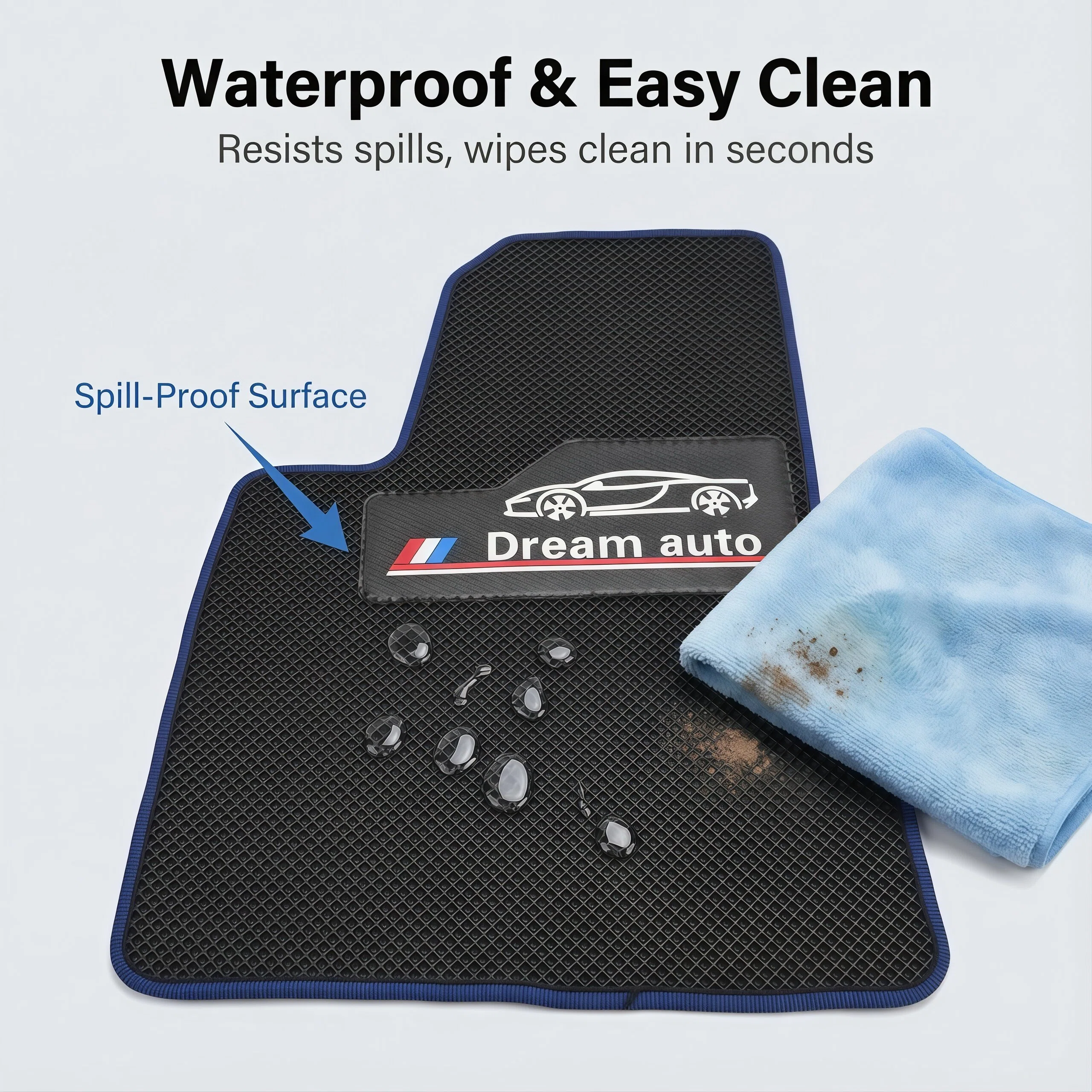
Wybór odpowiedniego materiału na matę podłogową to kluczowa decyzja, która bezpośrednio wpływa na bezpieczeństwo, trwałość i opłacalność, zarówno w zastosowaniach domowych, jak i komercyjnych. Wybór materiału na matę podłogową decyduje o jej skuteczności w określonych warunkach, wpływa na wymagania konserwacyjne oraz wpływa na długoterminowy zwrot z inwestycji. Zrozumienie właściwości i zastosowań różnych materiałów na matę podłogową umożliwia świadome podejmowanie decyzji, dostosowanych do konkretnych wymagań środowiskowych i funkcjonalnych.
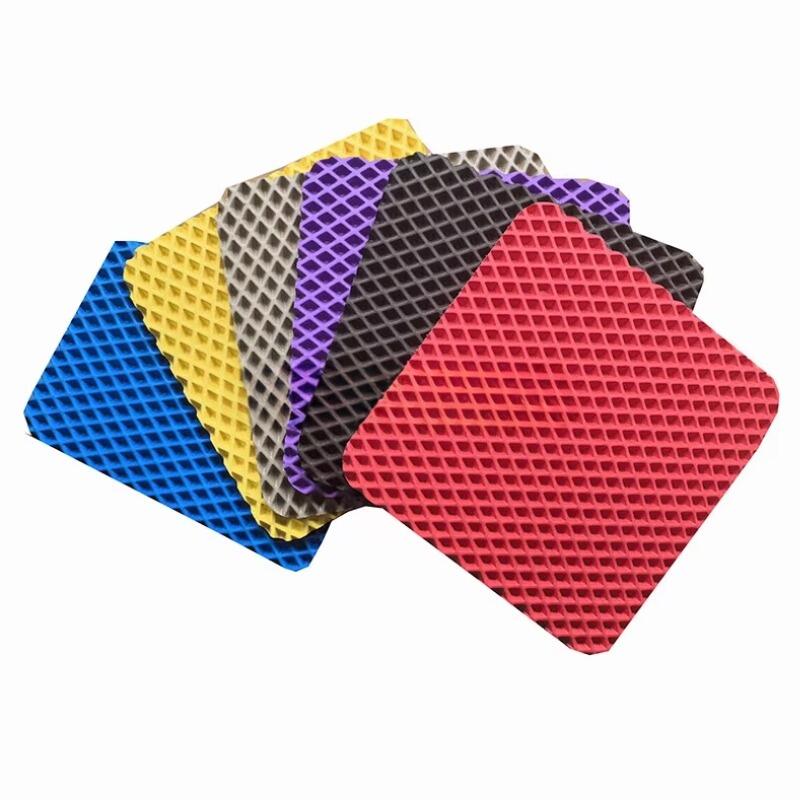
Zrozumienie różnych rodzajów materiałów stosowanych do wyrobu mat podłogowych
Materiały naturalne
Do naturalnych materiałów stosowanych do wyrobu mat podłogowych należą kokosowy włókienko (coir), juta oraz bawełna, z których każdy charakteryzuje się unikalnymi właściwościami odpowiednimi do konkretnych zastosowań. Kokosowe włókienko (coir) szczególnie dobrze sprawdza się w zastosowaniach zewnętrznych dzięki naturalnej odporności na wilgoć oraz wyjątkowej skuteczności w usuwaniu brudu z obuwia. Ten materiał do wyrobu mat podłogowych zapewnia doskonałą trwałość w obszarach o dużym natężeniu ruchu, zachowując przy tym integralność strukturalną w różnorodnych warunkach pogodowych. Gruba tekstura włókienka kokosowego skutecznie zatrzymuje brud i wilgoć, czyniąc je idealnym wyborem do zastosowań przy wejściach, gdzie wymagana jest wysoka wydajność czyszcząca.
Materiały do macierzy podłogowych z juty zapewniają bardziej wyrafinowany wygląd, zachowując przy tym dobrą pochłanialność i umiarkowaną trwałość. Materiały te sprawdzają się w środowiskach wewnętrznych, gdzie estetyka łączy się z funkcjonalnością. Materiały do macierzy podłogowych na bazie bawełny charakteryzują się doskonałą pochłanialnością oraz komfortem przy chodzeniu, co czyni je odpowiednimi do zastosowania w łazienkach oraz w miejscach, gdzie kluczowe jest kontrolowanie wilgoci. Naturalne właściwości tych materiałów przyczyniają się do zrównoważonego rozwoju środowiskowego, zapewniając przy tym niezawodną wydajność w odpowiednich warunkach.
Opcje materiałów syntetycznych
Sztuczne materiały do wykładzin podłogowych obejmują szeroki zakres opcji opartych na polimerach, w tym polipropylen, nylon oraz kompozycje winylowe. Materiały do wykładzin podłogowych z polipropylenu charakteryzują się wyjątkową odpornością chemiczną i zachowują swój wygląd nawet po długotrwałym narażeniu na środki czyszczące oraz czynniki środowiskowe powodujące obciążenie. Te materiały są odporne na blaknięcie, przebarwienia i degradację, co czyni je idealnym wyborem w zastosowaniach przemysłowych, gdzie powszechne są surowe warunki eksploatacji. Niskie pochłanianie wilgoci przez polipropylen zapobiega rozwojowi pleśni i grzybów, zapewniając higieniczne warunki w środowiskach gastronomicznych i opieki zdrowotnej.
Materiały do wykonywania mat podłogowych z nylonu zapewniają wyjątkową trwałość i odporność, szybko odzyskując pierwotny kształt po ucisku i zachowując oryginalny wygląd. Ten rodzaj materiału do mat podłogowych charakteryzuje się doskonałą odpornością barwników oraz wytrzymuje intensywne obciążenie ruchem pieszym bez wyraźnych śladów zużycia. Wielofunkcyjność nylonu umożliwia tworzenie różnorodnych faktur i wzorów, spełniając jednocześnie wymagania funkcjonalne i estetyczne w środowiskach komercyjnych. Materiały do mat podłogowych oparte na winylu wyróżniają się w wilgotnych środowiskach dzięki swoim właściwościom wodoszczelnym oraz łatwej czyszczalności.
Charakterystyka eksploatacyjna materiałów do mat podłogowych
Czynniki trwałości i długowieczności
Trwałość materiałów do mat do podłogi zależy od wytrzymałości włókien, metody wykonania oraz właściwości odporności na czynniki środowiskowe. Wysokiej jakości materiały do mat do podłogi zachowują swoją integralność strukturalną przy wielokrotnym użytkowaniu, cyklach czyszczenia oraz ekspozycji na czynniki środowiskowe. Takie czynniki jak odporność na promieniowanie UV, zgodność chemiczna i stabilność termiczna decydują o tym, jak długo dany materiał do maty podłogowej będzie skutecznie spełniać swoje funkcje w zamierzonym zastosowaniu. Zrozumienie tych cech trwałości pozwala przewidywać harmonogram wymiany oraz całkowity koszt posiadania.
Techniki produkcji znacząco wpływają na trwałość materiałów stosowanych w dywanikach podłogowych; opcje takie jak wykonywane metodą szycia, tkane i formowane zapewniają różne profile wydajności. Materiały do dywaników podłogowych wykonane metodą szycia zapewniają doskonałą zdolność zatrzymywania brudu dzięki swojej strukturze gruczołowej, podczas gdy materiały tkane oferują lepszą stabilność wymiarową. Formowane syntetyczne materiały do dywaników podłogowych eliminują ryzyko odwarstwiania się i zapewniają spójną wydajność przez cały okres ich użytkowania. Materiał podkładu również odgrywa kluczową rolę w ogólnej trwałości – podkład z gumy oraz z winylu oferują różne zalety w zależności od konkretnego zastosowania.
Właściwości bezpieczeństwa i odporności na poślizg
Ważne kwestie bezpieczeństwa sprawiają, że dobór materiału do dywaników podłogowych jest kluczowy dla zapobiegania wypadkom spowodowanym poślizgnięciem się i upadkiem w różnych środowiskach. Tekstura powierzchni oraz konstrukcja spodu dywaników podłogowych decydują o ich właściwościach zapobiegających poślizgowi na różnych typach podłóg. Powierzchnie teksturowane zapewniają lepsze przyczepność w warunkach wilgotnych, podczas gdy powierzchnie gładkie mogą być bardziej odpowiednie w miejscach, gdzie istotne jest zapewnienie dostępu osobom poruszającym się na wózku inwalidzkim. Współczynnik tarcia pomiędzy materiałem dywanika podłogowego a podłożem wpływa na stabilność i bezpieczeństwo użytkowania.
Postrzępione krawędzie i odpowiedni dobór grubości przyczyniają się do zmniejszenia ryzyka potknięcia, zachowując przy tym funkcjonalne zalety materiału podkładki podłogowej. Właściwości przeciwzmęczeniowe niektórych materiałów stosowanych w podkładkach podłogowych zapewniają korzyści ergonomiczne dla pracowników stojących przez dłuższy czas, zmniejszając obciążenie stawów i mięśni. Przewodność elektryczna materiałów podkładek podłogowych nabiera znaczenia w środowiskach, w których konieczna jest kontrola elektryczności statycznej, wymagając zastosowania specjalistycznych materiałów przewodzących lub rozpraszających w obszarach produkcji elektronicznej.
Uwagi środowiskowe dotyczące doboru materiału podkładek podłogowych
Wpływ na jakość powietrza w pomieszczeniach
Wybór materiału do wykładzin podłogowych znacząco wpływa na jakość powietrza w pomieszczeniach poprzez poziom emisji oraz zdolność zatrzymywania pyłu. Materiały do wykładzin podłogowych o niskiej emisji przyczyniają się do zdrowszego środowiska wewnętrznego, minimalizując uwalnianie lotnych związków organicznych i zapewniając zachowanie dobrych standardów jakości powietrza. Naturalne materiały włókniste do wykładzin podłogowych zazwyczaj generują mniejszą emisję niż niektóre alternatywy syntetyczne, co czyni je odpowiednimi dla środowisk wrażliwych, takich jak placówki opieki zdrowotnej i szkoły. Zdolność materiałów do wykładzin podłogowych do chwytania i zatrzymywania cząstek unoszących się w powietrzu pomaga ograniczyć cyrkulację pyłu i poprawia ogólną jakość powietrza.
Leczenie antymikrobowe niektórych materiałów do wykładzin podłogowych zapewnia dodatkowe korzyści zdrowotne poprzez hamowanie wzrostu bakterii i grzybów. Takie leczenie jest szczególnie wartościowe w obszarach obsługi gastronomicznej, placówkach opieki zdrowotnej oraz innych środowiskach, w których higiena ma kluczowe znaczenie. Wymagania dotyczące konserwacji różnych materiałów do wykładzin podłogowych wpływają również na jakość powietrza w pomieszczeniach, ponieważ niektóre materiały wymagają stosowania agresywnych środków czyszczących, podczas gdy inne można utrzymywać przy użyciu produktów przyjaznych dla środowiska. Poprawna wentylacja staje się istotna przy montażu dużych powierzchni syntetycznych wykładzin podłogowych w zamkniętych przestrzeniach.
Regularne procedury konserwacji i czyszczenia dla materiał do mat podłogowych systemy wspomagają utrzymanie optymalnych warunków jakości powietrza w pomieszczeniach. Częstotliwość cykli czyszczenia oraz rodzaj używanych środków czyszczących zależą od konkretnych cech wybranego materiału podkładki podłogowej. Zrozumienie tych wymagań w trakcie procesu doboru zapewnia, że wybrany materiał wspiera ogólne cele zdrowia środowiskowego, jednocześnie spełniając wymagania dotyczące funkcjonalności i wydajności.
Zrównoważony rozwój i wpływ na środowisko
Kwestie zrównoważoności środowiskowej coraz bardziej wpływają na decyzje dotyczące wyboru materiałów do mat do podłogi, ponieważ organizacje stawiają sobie za cel wdrażanie rozwiązań przyjaznych dla środowiska. Materiały do mat do podłogi nadające się do recyklingu i biodegradowalne wspierają zasady gospodarki obiegu zamkniętego i zmniejszają wpływ na środowisko w końcowej fazie cyklu życia produktu. Naturalne materiały włókniste do mat do podłogi charakteryzują się zazwyczaj lepszym profilem środowiskowym niż syntetyczne alternatywy oparte na ropie naftowej, choć materiały syntetyczne mogą zapewniać dłuższą żywotność użytkową i mniejszą częstotliwość wymiany. Oceny cyklu życia pomagają ocenić całkowity wpływ środowiskowy różnych materiałów do mat do podłogi, w tym etapy produkcji, transportu, użytkowania oraz utylizacji.
Zawartość surowców wtórnych w materiałach do wykładzin podłogowych stanowi kolejny ważny czynnik zrównoważonego rozwoju; wiele producentów oferuje produkty zawierające znaczne procenty materiałów wtórnych pochodzących z gospodarstw domowych lub przemysłu. Te materiały wtórne do wykładzin podłogowych często charakteryzują się właściwościami porównywalnymi do materiałów pierwotnych, jednocześnie ograniczając zapotrzebowanie na nowe surowce pierwotne. Lokalne pozyskiwanie materiałów do wykładzin podłogowych pozwala zmniejszyć oddziaływanie środowiskowe związane z transportem oraz wspiera regionalny rozwój gospodarczy. Programy certyfikacji budynków zielonych często uznają stosowanie zrównoważonych materiałów do wykładzin podłogowych jako czynniki przyczyniające się do osiągnięcia ogólnych celów certyfikacji.
Wymagania dotyczące materiałów do wykładzin podłogowych zależne od zastosowania
Zastosowania komercyjne i przemysłowe
Środowiska komercyjne wymagają materiałów do macierzy podłogowych, które wytrzymują intensywne użytkowanie, zachowując przy tym profesjonalny wygląd przez cały okres eksploatacji. Lokalizacje handlowe o dużym natężeniu ruchu wymagają materiałów do macierzy podłogowych o wyjątkowej zdolności zatrzymywania brudu oraz doskonałych właściwościach utrzymywania atrakcyjnego wyglądu. Materiał do macierzy podłogowych musi skutecznie chwytać i zatrzymywać zabrudzenia wprowadzane od zewnątrz, jednocześnie prezentując klientom czysty i gościnny wygląd. Dobór kolorów i wzorów materiałów do macierzy podłogowych w środowisku komercyjnym wspiera elementy identyfikacji wizualnej firmy, zapewniając przy tym korzyści funkcjonalne.
Zastosowania przemysłowe często wymagają specjalistycznych materiałów do mat podłogowych, które odporność na chemikalia, oleje i skrajne temperatury, zapewniając jednocześnie korzyści związane z bezpieczeństwem pracowników. Materiały do mat podłogowych zapobiegających zmęczeniu zmniejszają stres pracowników i poprawiają wydajność w środowiskach produkcyjnych, gdzie wymagane jest długotrwałe stańe. Odporność chemiczna staje się kluczowa przy doborze materiałów do mat podłogowych w laboratoriach, zakładach produkcyjnych oraz innych środowiskach przemysłowych, w których mogą wystąpić wylania. Łatwość czyszczenia i dezynfekcji materiałów do mat podłogowych wpływa na efektywność operacyjną w środowiskach przetwórstwa spożywczego oraz produkcji farmaceutycznej.
Zastosowania mieszkalne i lekkie zastosowania komercyjne
Zastosowania mieszkalne kładą nacisk na materiały do macierzy podłogowych, które zapewniają równowagę między funkcjonalnością a atrakcyjnością estetyczną oraz dostosowują się do wymagań stylu życia rodzinnego. Materiały do macierzy podłogowych przyjazne dla zwierząt domowych odporność na zapachy i przebarwienia, zapewniając przy tym łatwe opcje czyszczenia w gospodarstwach domowych z udziałem zwierząt. Cechy komfortu materiałów do macierzy podłogowych stosowanych w budynkach mieszkalnych nabierają znaczenia w obszarach, w których członkowie rodziny chodzą boso lub w miejscach przeznaczonych do zabaw dzieci.
Lekkie zastosowania komercyjne, takie jak małe biura i sklepy detaliczne, wymagają materiałów na maty podłogowe zapewniających profesjonalny wygląd przy umiarkowanych wymaganiach dotyczących trwałości. W tych środowiskach często korzysta się z materiałów na maty podłogowe, które zapewniają dobrą wydajność w rozsądnych przedziałach cenowych, zachowując przy tym akceptowalne standardy wyglądu. Oferowane w różnych materiałach na maty podłogowe opcje wielkości i konfiguracji wpływają na ich odpowiedniość do różnych układów komercyjnych oraz wzorców ruchu pieszych. Możliwość tworzenia projektów niestandardowych w przypadku niektórych materiałów na maty podłogowe pozwala przedsiębiorstwom na włączenie logo i elementów brandingowych, jednocześnie spełniając wymagania funkcjonalne.
Wymagania dotyczące konserwacji i pielęgnacji różnych materiałów
Protokoły czyszczenia i dezynfekcji
Skuteczne protokoły konserwacji różnią się znacznie w zależności od materiału, z którego wykonano maty podłogowe, co wymaga zrozumienia specyficznych wymagań dotyczących ich pielęgnacji w celu zoptymalizowania wydajności i trwałości. Materiały naturalne stosowane do produkcji mat podłogowych zwykle wymagają delikatnych metod czyszczenia, aby zapobiec uszkodzeniu włókien i zachować ich integralność strukturalną. Materiały syntetyczne stosowane do produkcji mat podłogowych często pozwalają na bardziej intensywne metody czyszczenia, w tym czyszczenie parą oraz procedury dezynfekcji chemicznej. Porowatość i właściwości pochłaniania materiałów stosowanych do produkcji mat podłogowych decydują o odpowiedniej częstotliwości i metodach czyszczenia, niezbędnych do utrzymania warunków higienicznych.
Wymagania dotyczące suszenia po czyszczeniu różnią się w zależności od materiału wykorzystanego do produkcji mat do podłogi; naturalne włókna wymagają zazwyczaj dłuższego czasu suszenia niż ich syntetyczne odpowiedniki. Prawidłowa wentylacja w trakcie suszenia zapobiega powstawaniu pleśni i grzybów, a jednocześnie zachowuje integralność strukturalną materiału maty do podłogi. Niektóre materiały stosowane do produkcji mat do podłogi korzystają z usług profesjonalnego czyszczenia, które wykorzystują specjalistyczne urządzenia oraz środki czyszczące zaprojektowane specjalnie dla konkretnych typów materiałów. Zrozumienie tych wymagań dotyczących konserwacji już na etapie doboru pomaga w ustaleniu realistycznych budżetów operacyjnych oraz potrzeb kadrowych.
Cykle wymiany i rozważania związane z kosztami
Częstotliwość wymiany materiałów do mat do podłogi zależy od intensywności użytkowania, warunków środowiskowych oraz jakości konserwacji, co bezpośrednio wpływa na długoterminowe rozważania dotyczące kosztów. Materiały wysokiej jakości do mat do podłogi mogą być droższe w początkowym zakupie, ale zapewniają lepszą wartość dzięki dłuższemu okresowi użytkowania i spójnej wydajności. Analiza natężenia ruchu pozwala przewidywać harmonogramy wymiany różnych materiałów do mat do podłogi w różnych zastosowaniach. Czynniki środowiskowe, takie jak ekspozycja na promieniowanie UV, wahania temperatury oraz narażenie na substancje chemiczne, przyspieszają zużycie niektórych materiałów do mat do podłogi, podczas gdy inne materiały pozostają na nie istotnie niewrażliwe.
Analiza kosztów powinna obejmować cenę zakupu początkowego, koszty instalacji, wydatki na konserwację oraz częstotliwość wymiany, aby określić całkowity koszt posiadania różnych materiałów do mat do podłogi. Dla niektórych materiałów do mat do podłogi może być wymagana profesjonalna instalacja, aby zapewnić prawidłową ich funkcjonalność oraz zgodność z warunkami gwarancji. Dostępność usług profesjonalnego czyszczenia i regeneracji różni się w zależności od materiału stosowanego do mat do podłogi, co wpływa na długoterminowe strategie konserwacji oraz koszty. Możliwości zakupu hurtowego oraz opcje cen umownych mogą wpływać na wybór materiału do mat do podłogi w przypadku dużych instalacji komercyjnych.
Często zadawane pytania
Jak określić, który materiał do mat do podłogi jest najlepszy dla obszarów o dużym natężeniu ruchu?
Dla obszarów o dużym natężeniu ruchu należy wybrać materiały do macierzy podłogowych o gęstej konstrukcji włosia, wytrzymałych systemach podkładki oraz sprawdzonych ocenach trwałości. Materiały syntetyczne, takie jak nylon i polipropylen, zapewniają zazwyczaj lepszą odporność na zużycie niż włókna naturalne. Przy ocenie różnych materiałów do macierzy podłogowych w zastosowaniach wymagających należy uwzględnić konkretny rodzaj ruchu, warunki środowiskowe oraz możliwości utrzymania.
Jakie materiały do macierzy podłogowych najlepiej sprawdzają się w wilgotnych środowiskach
Materiały syntetyczne do macierzy podłogowych z zamkniętymi systemami podkładki najlepiej sprawdzają się w wilgotnych środowiskach dzięki swojej odporności na wodę oraz szybkiemu schnięciu. Opcje z podkładką z gumy lub winylu zapobiegają przesączeniu się wody, zachowując jednocześnie odporność na poślizg. Materiały naturalne do macierzy podłogowych mogą wydzielać nieprzyjemne zapachy lub ulec uszkodzeniu w warunkach ciągłej wilgoci, przez co alternatywy syntetyczne są bardziej odpowiednie dla łazienek, kuchni oraz zastosowań zewnętrznych.
Czy materiały do macierzy podłogowych mogą przyczynić się do uzyskania punktów certyfikacji LEED
Tak, zrównoważone materiały do wykładzin podłogowych mogą przyczynić się do uzyskania certyfikatu LEED dzięki zawartości surowców wtórnych, niskim emisjom oraz kryteriom lokalnego pozyskiwania. Materiały naturalne i materiały zawierające surowce wtórne stosowane w wykładzinach podłogowych często spełniają wymagania dotyczące kredytów w zakresie materiałów i zasobów. Konkretny wkład zależy od wymagań certyfikacji oraz od procentowej zawartości surowców wtórnych lub stopnia zrównoważonego pozyskiwania w wybranym materiale na wykładziny podłogowe.
Jak często należy wymieniać różne materiały na wykładziny podłogowe
Częstotliwość wymiany zależy od rodzaju materiału wykładziny podłogowej, intensywności jej użytkowania oraz jakości konserwacji. Komercyjne wykładziny podłogowe z materiałów syntetycznych zwykle trwają 2–5 lat w obszarach o umiarkowanym ruchu, podczas gdy opcje z włókien naturalnych mogą wymagać wymiany co 1–3 lata. W miejscach o dużym natężeniu ruchu wymiana może być konieczna częściej, niezależnie od rodzaju materiału wykładziny podłogowej. Regularne inspekcje oraz monitorowanie wydajności pomagają określić optymalny moment wymiany dla konkretnych zastosowań.
Spis treści
- Zrozumienie różnych rodzajów materiałów stosowanych do wyrobu mat podłogowych
- Charakterystyka eksploatacyjna materiałów do mat podłogowych
- Uwagi środowiskowe dotyczące doboru materiału podkładek podłogowych
- Wymagania dotyczące materiałów do wykładzin podłogowych zależne od zastosowania
- Wymagania dotyczące konserwacji i pielęgnacji różnych materiałów
-
Często zadawane pytania
- Jak określić, który materiał do mat do podłogi jest najlepszy dla obszarów o dużym natężeniu ruchu?
- Jakie materiały do macierzy podłogowych najlepiej sprawdzają się w wilgotnych środowiskach
- Czy materiały do macierzy podłogowych mogą przyczynić się do uzyskania punktów certyfikacji LEED
- Jak często należy wymieniać różne materiały na wykładziny podłogowe