
 EN
EN



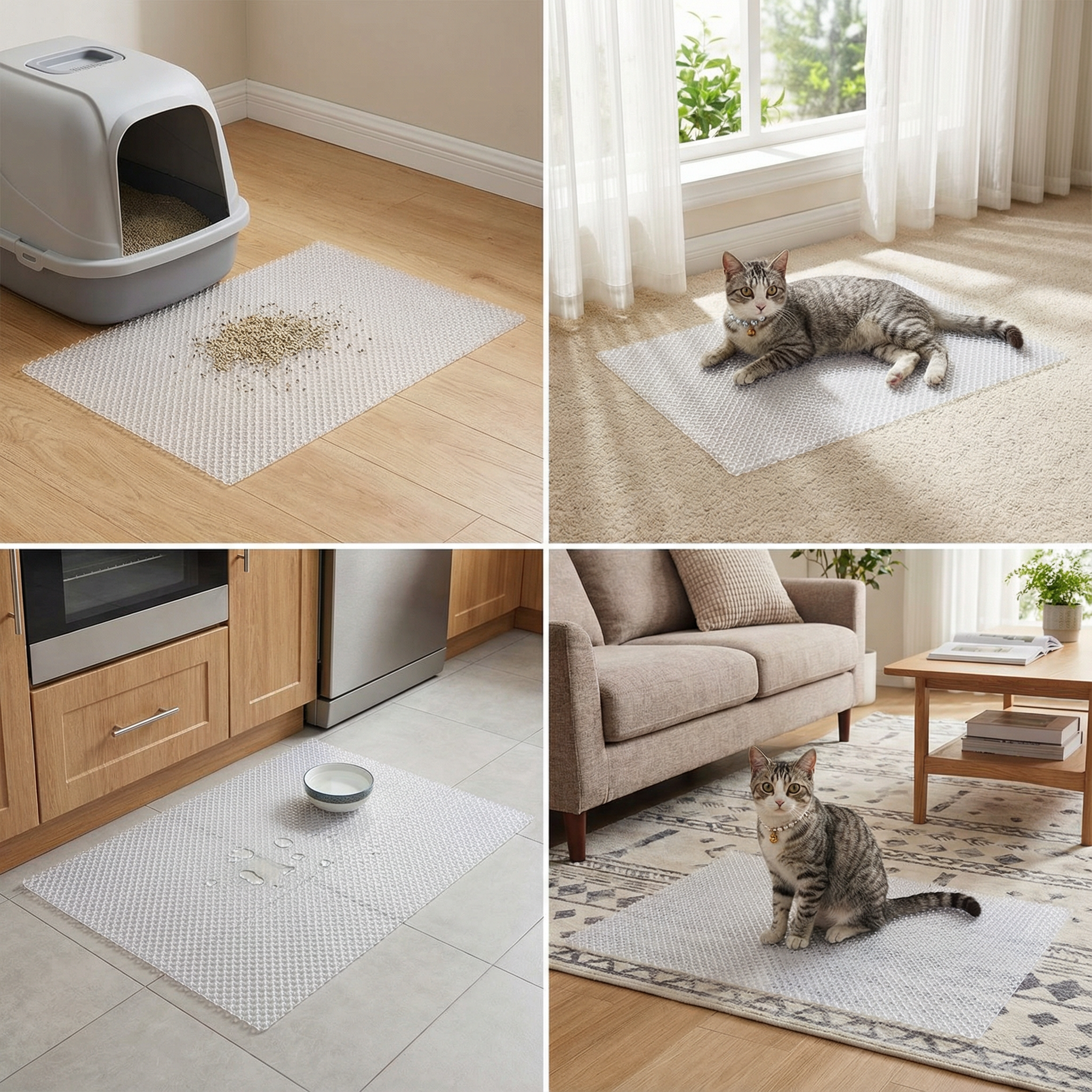
Modern otomotiv iç mekân koruması, araba yer döşemeleri malzemesi teknolojisindeki çığır açan yeniliklerle büyük ölçüde gelişmiştir. Bugün sürücüler, temel zemin kaplamasından daha fazlasını talep ederler—döküntüler, çamur ve sürekli ayak trafiği karşısında bile günlük aşınmaya dayanıklı ve kusursuz görünümünü koruyan ileri düzey malzemeleri ihtiyaç duyarlar. Araba yer döşemeleri malzeme bilimindeki en son gelişmeler, özellikle leke direncini artırma odaklıdır ve sıvıları aktif olarak iten ve kalıcı renk değişikliklerini önleyen mühendislikle geliştirilmiş polimer kompozisyonları ile yüzey işlemlerine dayalı eşsiz bir koruma sunar.
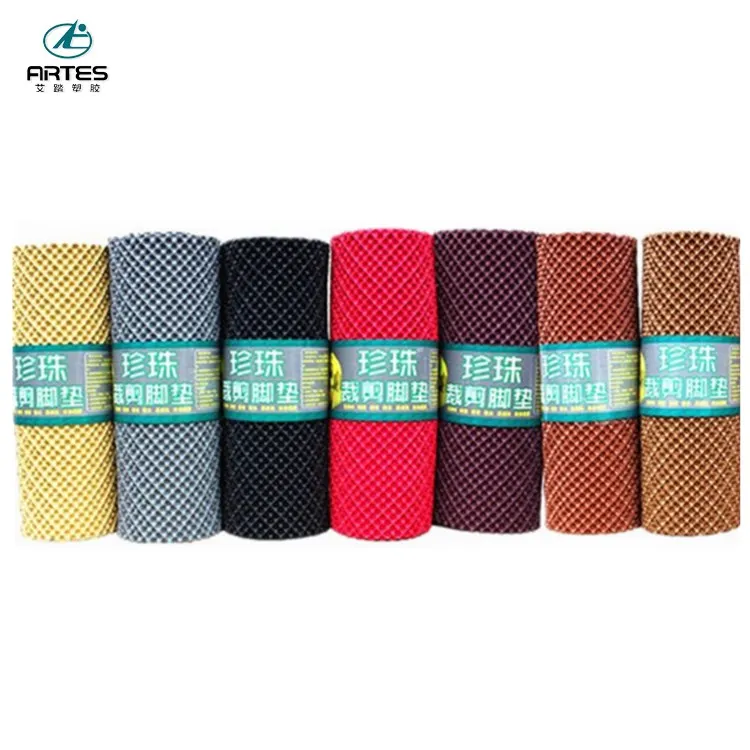
Araba iç mekânı paspaslarının malzeme alanında yaşanan dönüşüm, lekeleyici maddelere karşı moleküler düzeyde bariyerler oluşturmak üzere gelişmiş polimer kimyası ve nanoteknoloji uygulamalarından kaynaklanmaktadır. Bu devrim niteliğindeki malzemeler, hidrofobik ve oleofobik özelliklerini doğrudan yapılarına entegre ederek kahvaltı kahvaltısı, yağ, çamur ve gıda döküntüleri gibi yaygın otomotiv lekelerinin yüzeye nüfuz etmesini engeller. Bu malzeme yeniliklerini anlamak, araç sahiplerinin iç mekân koruması konusunda bilinçli kararlar almasına yardımcı olurken aynı zamanda modern paspasların performansının arkasındaki karmaşık mühendisliği takdir etmelerini sağlar.
Leke Dirençli Malzemelerde Devrim Niteliğinde Polimer Teknolojileri
Termoplastik Elastomer (TPE) Gelişimi
Termoplastik elastomer, araba iç mekânı halıları malzeme mühendisliğinde bir devrim niteliğinde bir gelişmedir ve kauçuğun esnekliğini plastik işleme avantajlarıyla birleştirir. Bu yenilikçi araba iç mekânı halıları malzemesi, sıvı emilimini önleyen kapalı hücreli bir yapıya sahiptir; bu nedenle doğası gereği leke dirençlidir. TPE’nin moleküler yapısı, dökülen sıvıların malzemenin içine nüfuz etmeksizin yüzeyde kalmasını sağlayan gözeneksiz bir yüzey oluşturur; böylece kalıcı lekelenme olmadan kolay temizlik sağlanır.
Modern TPE formülleri, malzemenin leke dirençli özelliklerini uzun süre boyunca koruyan gelişmiş stabilizatörler ve UV inhibitörleri içerir. Araç içi paspasların malzemesi, olağanüstü kimyasal direnç gösterir ve otomotiv sıvılarına, temizlik ürünlerine ve çevresel kirleticilere maruz kalmasına rağmen bozulmadan dayanır. Bu dayanıklılık, leke dirençli özelliklerin ürünün ömrü boyunca etkili kalmasını sağlar ve renk değişikliği ile kalıcı izlenimlere karşı tutarlı koruma sunar.
Nanoteknolojiyle Geliştirilmiş Yüzey İşlemeleri
Nanoteknoloji entegrasyonu, leke direncini artıran mikroskobik yüzey modifikasyonları aracılığıyla otomobil koltuk altı paspaslarının malzeme performansını kökten değiştirmiştir. Bu işlemler, moleküler düzeyde görünmez bir koruyucu tabaka oluşturarak hem su bazlı hem de yağ bazlı lekeleyici maddelere karşı bir bariyer meydana getirir. Nanoteknoloji ile güçlendirilmiş otomobil koltuk altı paspası malzemesi, doğal dokusu ve görünümünü korurken aynı zamanda yaygın otomotiv lekelerine ve dökülmelere karşı üstün koruma sağlar.
Otomobil koltuk altı paspası malzemesi üretiminde nanopartiküllerin uygulanması, leke yapışmasını aktif olarak önleyen kendini temizleyen özellikler yaratır. Bu mikroskobik yapılar, lekeleyici maddeler ile paspas yüzeyi arasındaki moleküler bağlanmayı bozar ve sıvıların emilmeden damla halinde toplanıp kayarak yüzeyden ayrılmalarına neden olur. Bu yenilikçi yaklaşım, kırmızı şarap, kahve veya otomotiv sıvıları gibi inatçı lekelerin malzeme yüzeyiyle kalıcı bağlar kurmasını engeller.
Gelişmiş Kimyasal Dayanım Özellikleri
Moleküler Yapı Modifikasyonları
Araba iç mekânı paspaslarının en yeni malzeme yenilikleri, kimyasal direnç ve leke önleme özelliklerini artıran moleküler yapıya yönelik temel değişiklikler içerir. Üreticiler artık leke oluşturan molekülleri doğal olarak iten belirli kimyasal gruplara sahip polimer zincirlerini mühendislik yöntemleriyle tasarlamaktadır; bu da renk kaybına karşı doğasında bir bariyer oluşturur. Bu araba iç mekânı paspası malzemesi yeniliği, kimyasal direncin yüzey kaplaması olarak değil, zamanla aşınarak kaybolabilen bir tabaka olarak değil, temel malzemenin iç yapısına entegre edilmesini sağlar.
Modern araba iç mekânı paspası malzemesinde kullanılan çapraz bağlama teknolojisi, leke oluşturan maddelerin nüfuz etmesini engelleyen üç boyutlu bir polimer ağı oluşturur. Birbirine bağlı moleküler yapı, sıvı emilimini engelleyen mikroskobik bariyerler oluştururken malzemenin esnekliğini ve konforunu korur. Bu gelişmiş araba iç mekânı paspası malzemesi tasarımı, kimyasal direncin paspasın tam kalınlığı boyunca tutarlı kalmasını sağlayarak derin lekelere karşı kapsamlı koruma sunar.
pH-Nötr Direnç Sistemleri
Devrim niteliğindeki araç içi paspas malzeme formülleri artık, hem asidik hem de alkali lekeleyici maddelere karşı koruma sağlayan pH-nötr direnç sistemlerini içeriyor. Bu yenilik, araç içi ortamlarının paspaslara, asidik içeceklerden alkali temizlik ürünleri kadar geniş bir kimyasal koşul yelpazesiyle maruz kaldığını kabul eder. Gelişmiş araç içi paspas malzemesi, tüm pH aralığında bütünlüğünü ve leke direncini korur; bu sayede lekeleyici maddenin kimyasal yapısı ne olursa olsun tutarlı bir performans sağlar.
Araba yer döşemelerinin malzeme bileşimlerine entegre edilen tampon sistemleri, temas ettikleri anda agresif kimyasalları nötralize ederek kalıcı renk değişikliklerine veya malzeme bozulmasına neden olmalarını engeller. Bu koruyucu mekanizmalar, potansiyel olarak zarar verici maddelere maruz kalınmasıyla birlikte hemen devreye girer ve malzemenin hem görünüşünü hem de yapısal bütünlüğünü koruyan kimyasal bir kalkan oluşturur. Leke direncine yönelik bu proaktif yaklaşım, otomotiv yer döşemeleri koruma teknolojisinde önemli bir ilerleme temsil eder.
Yüzey Mühendisliği Yenilikleri
Mikro-Doku Geliştirme
Hassas mikro-doku uygulaması, araba yer döşemeleri malzeme tasarımı alanında son teknoloji bir yeniliktir ve lekelerin yapışmasını aktif olarak önleyen, aynı zamanda rahat ayak temasını koruyan yüzey desenleri oluşturur. Bu mikroskopik yüzey özellikleri, lekelenmeye neden olan sıvılar ile paspas arasındaki temas alanını bozar ve kalıcı bağlanma olasılığını azaltır. Bu alandaki mühendislikle tasarlanan doku araç içi TABANLIK malzemesi yüzeyden sıvıların akmasını sağlayan kanallar oluşturur ve bu sayede temizlik kolaylaşır; leke oluşumu engellenir.
Gelişmiş üretim teknikleri, araba koltuk altı paspaslarının malzemesindeki mikro-doku desenlerinin hassas kontrolünü sağlar; böylece leke direnci ve dokunsal konfor birlikte optimize edilir. Yüzey mühendisliği, sıvının viskozitesi, temas açısı ve tahliye verimliliği gibi faktörleri dikkate alarak leke oluşumunu en aza indirmeye yönelik dokular yaratır. Bu karmaşık yaklaşım, araba koltuk altı paspaslarının malzeme tasarımı açısından yüzey işlevselliğinin hem koruma hem de kullanıcı deneyimini artırmasını sağlar; bu iki yönün hiçbirinde ödün verilmez.
Hidrofob Kaplama Entegrasyonu
Kalıcı hidrofob kaplamalar, araba yer döşemelerinin malzeme üretim sürecinde entegre edilerek yüzeye sıvı bazlı lekelerin temas etmesini önleyen uzun süreli su itici özellik sağlar. Kullanım ile aşınan geçici tedavilerin aksine, bu entegre kaplamalar malzemenin yapısının bir parçası haline gelir ve ürünün yaşam döngüsü boyunca tutarlı leke direnci sağlar. Hidrofob özellikler, su bazlı dökülmelerin yüzeyde kolayca temizlenebilecek şekilde damla oluşturmasını sağlar ve geriye leke bırakmaz.
Gelişmiş araba iç mekânı paspaslarının malzemesindeki çok katmanlı kaplama sistemleri, farklı türde lekeleyici maddelere karşı kademeli koruma sağlar. Dış katman, su bazlı sıvıları iterek koruma sağlarken, ara katmanlar yağ bazlı maddelere direnç gösterir ve daha derin katmanlar agresif kimyasalların nüfuz etmesini engeller. Bu kapsamlı leke direnci yaklaşımı, araba iç mekânı paspaslarının malzemesinin otomotiv ortamlarında karşılaşılabilen tüm olası lekeleme senaryolarına karşı etkili bir şekilde performans göstermesini sağlar.
Akıllı Malzeme Teknolojileri
Kendini Onaran Polimer Sistemleri
Otomobil iç döşeme halılarının malzemesindeki kendini onarma özellikleri, leke direnci alanında yeniliklerin ön saflarını oluşturur ve yüzeyde küçük hasarlara neden olabilecek, aksi takdirde leke birikim noktalarına dönüşebilecek zararları onaran polimerleri içerir. Bu akıllı malzemeler, yüzey çizildiğinde veya aşındığında aktive olan kapsüllenmiş onarım maddeleriyle donatılmıştır; böylece koruyucu bariyer yenilenir ve leke direnci korunur. Bu otomobil iç döşeme halıları malzemesi yeniliği, korumanın uzun süreli kullanım ve sert koşullara maruz kalma sonrasında bile etkili kalmasını sağlar.
Gelişmiş araba yer döşemeleri malzemesindeki kendini onarma mekanizması, yüzey bozukluklarını yeniden hizalayarak ve kapatarak çalışan sıcaklıkla aktive olan polimer zincirleri aracılığıyla çalışır. Bu süreç, kullanıcı müdahalesi olmadan otomatik olarak gerçekleşir ve malzemenin leke direnci özelliklerini zaman içinde korur. Sürekli kendini tamir etme yeteneği, araba yer döşemeleri malzemesinin, geleneksel malzemelerin zayıf noktalar oluşturabileceği yüksek aşınma bölgelerinde bile lekelere karşı tutarlı bir koruma sağlamasını sağlar.
Antimikrobiyal Entegrasyon
Araba iç mekânı paspaslarının malzemesine entegre edilen antimikrobiyal teknoloji, kalıcı renk değişikliklerine neden olabilen mikrobiyal büyümenin önlenmesiyle biyolojik lekelenme ve kokuya karşı koruma sağlar. Gümüş iyonu teknolojisi ve bakır bazlı antimikrobiyal ajanlar, malzeme matrisi içine yerleştirilerek bakteri ve mantar gibi leke veya koku oluşturabilecek mikroorganizmalara karşı uzun süreli koruma sağlar. Bu yenilik, araba iç mekânı paspaslarının malzemesinin nemli ortamlarda bile hijyenik ve lekesiz kalmasını garanti eder.
Modern araba koltuk altı paspaslarının antimikrobiyal özellikleri, leke direnci teknolojileriyle sinerjik olarak çalışır ve hem anlık dökülmelere hem de uzun vadeli biyolojik kontaminasyona yönelik kapsamlı bir koruma sistemi oluşturur. Entegre edilen antimikrobiyal maddeler, malzemenin kullanım ömrü boyunca etkin kalır ve biyofilm oluşumunu ile organik lekelenmeyi sürekli olarak engeller; bu durum geleneksel malzemelerin direnç gösteremediği bir durumdur. Bu çift yönlü yaklaşım, otomotiv iç mekân koruma teknolojisinde önemli bir ilerleme temsil eder.
Çevresel Dayanıklılık Geliştirmeleri
UV-stabil formülasyonlar
Araba iç mekânı paspaslarının malzemesindeki UV kararlılığı yenilikleri, leke direnci özelliklerinin uzun süreli güneş ışığı ve yapay aydınlatmaya maruz kalmasına rağmen etkili kalmasını sağlar. Gelişmiş UV stabilizatörleri ve ışık emici bileşikler, malzemenin yapısına entegre edilerek leke direncini zayıflatabilecek fotodegradasyonu önler. Bu araba iç mekânı paspası malzeme formülasyonları, büyük camlara veya cam tavanlara sahip ve önemli ölçüde ışık maruziyetine neden olan araçlarda bile koruyucu özelliklerini ve görünüşlerini korur.
Modern otomobil iç mekânı paspaslarının malzemesindeki kromofor koruma sistemleri, leke nüfuzuna karşı zayıf noktalar oluşturabilecek renk solması ve kimyasal bozulmayı önler. UV kararlı formülasyon, malzemenin moleküler yapısının bütünlüğünü korur ve böylece lekelere karşı fiziksel bariyeri ile kimyasal direnç özelliklerini aynı anda muhafaza eder. Bu, ömür boyu performans odaklı yaklaşım, otomobil iç mekânı paspasları malzemesinin tasarımında uzun süreli kullanım süresince tutarlı bir performans sağlamayı garanti eder.
Sıcaklık Direnci Teknolojisi
Otomobil iç mekânı paspaslarının malzemesindeki aşırı sıcaklık direnci, leke korumasını, eksi derecelerden yaz aylarında 140°F'yi (yaklaşık 60°C) aşan sıcaklıklara kadar tüm otomotiv çalışma koşulları boyunca korur. Gelişmiş polimer formülasyonları, sıcaklık uç değerlerinde bile esnekliğini ve bariyer özelliklerini korur; bu sayede termal stres nedeniyle leke direnci azalmaz. Bu otomobil iç mekânı paspasları malzemesi yeniliği, iklim veya mevsimsel koşullar ne olursa olsun güvenilir koruma sağlar.
Modern otomobil koltuk altı paspaslarının malzemesindeki termal kararlılık, sıcaklık değişimleri altında leke direncini tehlikeye atan moleküler değişiklikleri önler. Mühendislikle geliştirilen polimer yapısı, tekrarlayan ısıtma ve soğutma döngüleri boyunca koruyucu özelliklerini korur ve bu sayede malzemenin otomotiv kullanımında yıllar boyunca tutarlı performans göstermesini sağlar. Bu sıcaklık direnci teknolojisi, araç iç mekânları için dayanıklı ve uzun ömürlü leke koruması oluşturmakta önemli bir ilerleme temsil eder.
SSS
Nano ile güçlendirilmiş malzemeler, geleneksel koltuk altı paspası malzemelerine kıyasla leke direncini nasıl artırır?
Nano-enhanced araba iç döşeme halısı malzemesi, leke oluşturan maddelerin yüzeyle bağ kurmasını önleyen moleküler düzeyde bariyerler oluşturur; bu, yalnızca yüzey tedavilerine dayanan geleneksel malzemelerden farklıdır. Nanoteknoloji entegrasyonu, hem su hem de yağ bazlı maddelere karşı itici etki yaratan görünmez bir koruyucu katman oluşturur; böylece sıvı dökülmeleri emilmeden damla halinde toplanır ve yüzeyden kayarak düşer. Bu ileri düzey yaklaşım, malzemenin kullanım ömrü boyunca etkili kalan üstün leke direnci sağlar ve otomotiv sıvı dökülmeleri ile kirleticilere karşı tutarlı koruma sunar.
TPE tabanlı iç döşeme halılarının, kauçuk veya kumaş alternatiflerine kıyasla neden daha fazla leke direnci gösterdiği nedir?
TPE otomobil iç döşeme halısı malzemesi, sıvı emilimini önleyen kapalı hücreli bir yapıya sahiptir; bu da onu gözenekli kauçuk veya kumaş malzemelere kıyasla doğal olarak leke dirençli hale getirir. Termoplastik elastomer bileşimi, döküntülerin nüfuz etmeden üstünde kalmasına olanak tanıyan gözeneksiz bir yüzey oluşturur ve böylece temizliği kolaylaştırır. Ayrıca TPE, otomotiv sıvıları ve temizlik ürünleri karşısında koruma sağlayan kimyasal direnç özelliklerini de içerir; bu sayede malzeme, agresif maddelere maruz kaldığında bile leke direnci özelliklerini korur.
İç döşeme halılarında kendini onaran polimer sistemleri, yüzeyde hasar oluştuğunda leke direncini koruyabilir mi?
Kendini onaran otomobil iç mekânı paspaslarının malzemesi, yüzeyde çizikler veya aşınmalar oluştuğunda aktive olan kapsüllenmiş onarım ajanları içerir ve lekeler karşı koruyucu bariyeri otomatik olarak yeniler. Polimer zincirleri, sıcaklıkla aktive olan mekanizmalar aracılığıyla yüzey bozukluklarını yeniden hizalayarak ve kapatarak leke direncini korur; bu da aksi takdirde lekenin nüfuz etmesine açık hale gelebilecek alanlarda direnci sağlar. Bu akıllı malzeme teknolojisi, yüksek aşınma bölgelerinde bile sürekli koruma sağlar ve hasar görmüş alanların leke birikim noktalarına dönüşmesini önler.
Antimikrobiyal özellikler, modern paspaslarda genel leke direncine nasıl katkı sağlar?
Araba halılarının malzemesine entegre edilen antimikrobiyal bileşenler, bakteri ve mantarların büyümesi nedeniyle oluşan biyolojik lekelenmeyi önler; bu durum zamanla kalıcı renk değişikliklerine ve kokulara neden olabilir. Malzeme matrisi içine yerleştirilmiş gümüş iyonu ve bakır bazlı antimikrobiyal maddeler, biyofilm ve organik lekeler oluşturabilecek mikroorganizmaları sürekli olarak yok eder. Bu biyolojik koruma, kimyasal leke direnciyle sinerjik bir şekilde çalışarak hem anlık dökülmelere hem de geleneksel malzemelerin ele alamadığı uzun vadeli kirlenmelere karşı kapsamlı bir koruma sağlar.
İçindekiler
- Leke Dirençli Malzemelerde Devrim Niteliğinde Polimer Teknolojileri
- Gelişmiş Kimyasal Dayanım Özellikleri
- Yüzey Mühendisliği Yenilikleri
- Akıllı Malzeme Teknolojileri
- Çevresel Dayanıklılık Geliştirmeleri
-
SSS
- Nano ile güçlendirilmiş malzemeler, geleneksel koltuk altı paspası malzemelerine kıyasla leke direncini nasıl artırır?
- TPE tabanlı iç döşeme halılarının, kauçuk veya kumaş alternatiflerine kıyasla neden daha fazla leke direnci gösterdiği nedir?
- İç döşeme halılarında kendini onaran polimer sistemleri, yüzeyde hasar oluştuğunda leke direncini koruyabilir mi?
- Antimikrobiyal özellikler, modern paspaslarda genel leke direncine nasıl katkı sağlar?