
 EN



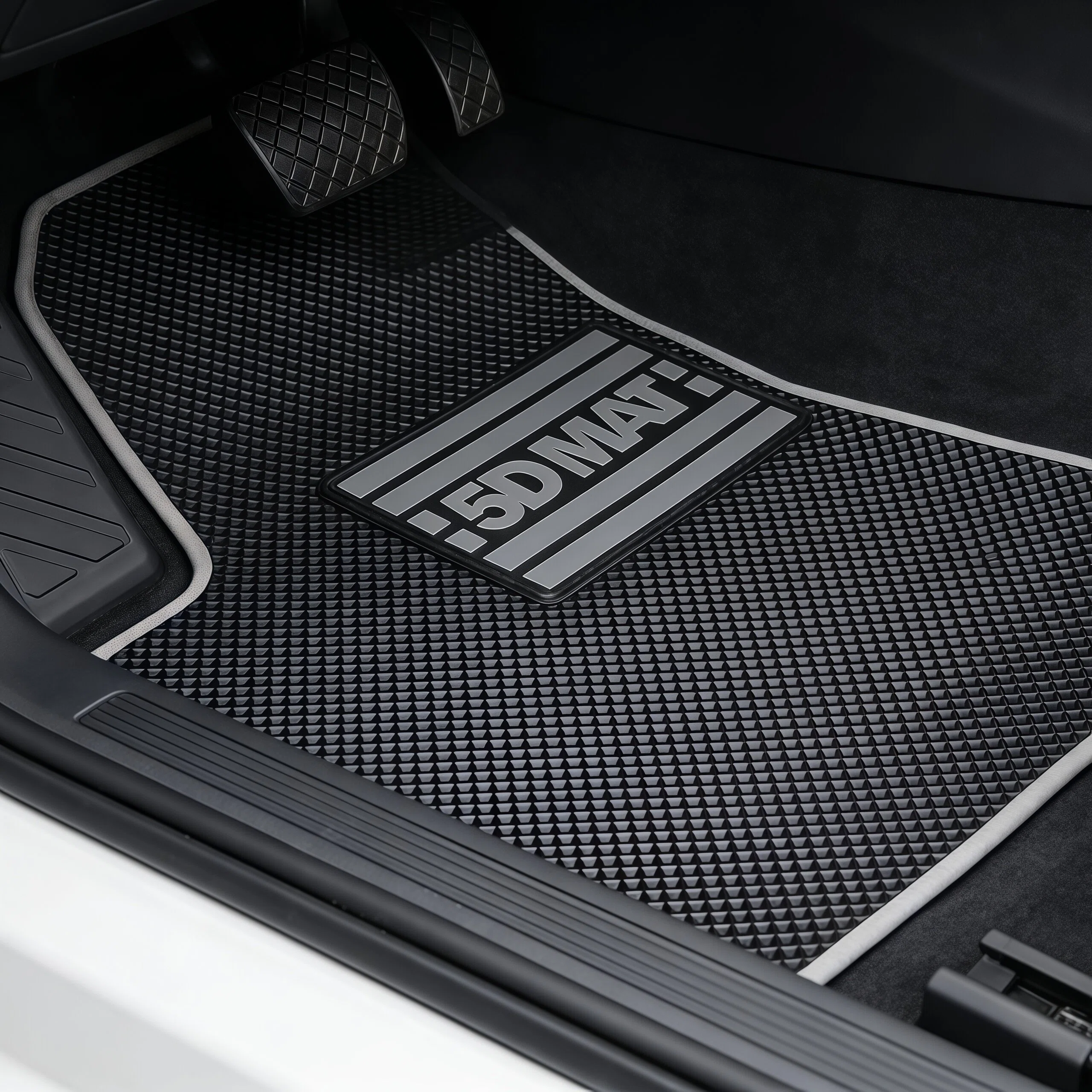
Working with a car mat factory that maintains an in-house design team transforms how original equipment manufacturers approach production timelines and quality control. Traditional outsourced manufacturing models often introduce delays, miscommunications, and costly revisions that compound as projects progress. A car mat factory equipped with dedicated design professionals embedded directly into the production workflow eliminates these friction points and accelerates your OEM projects from concept through mass production.
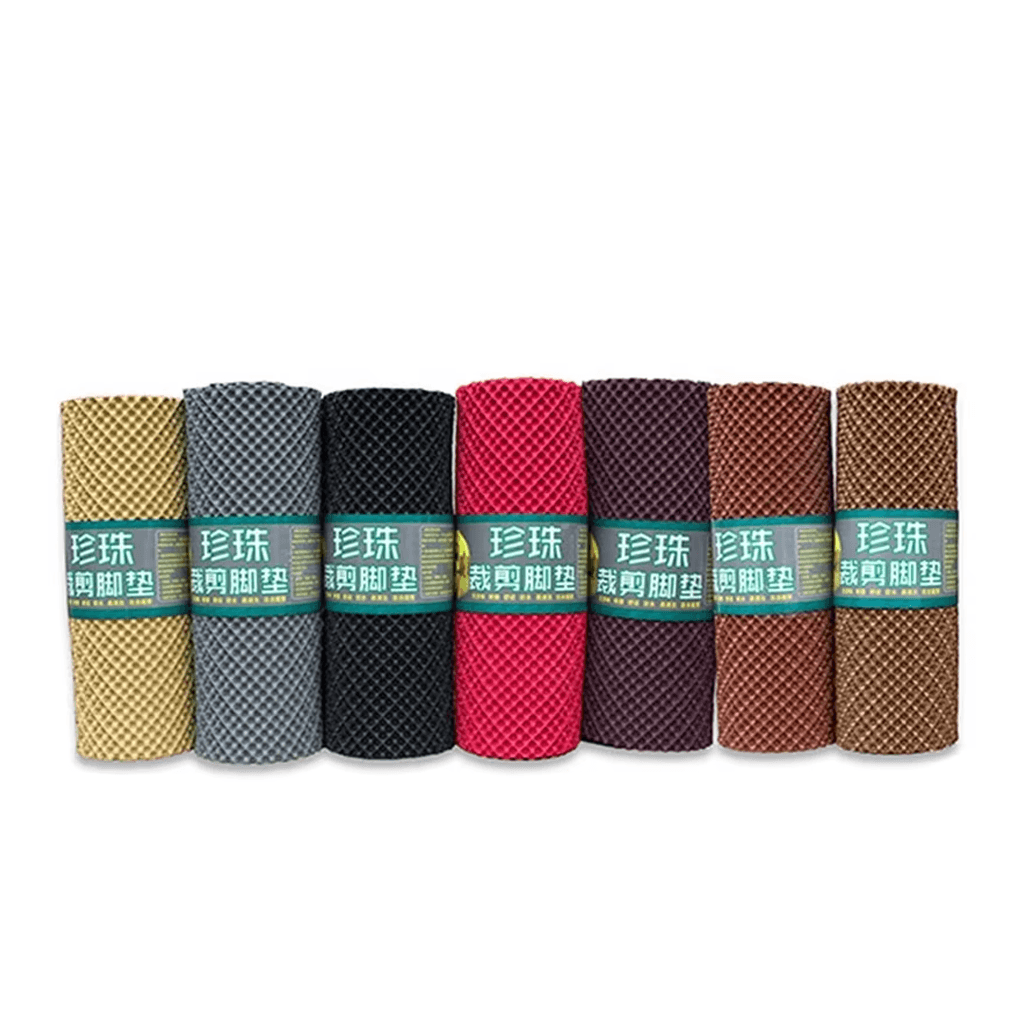
The competitive advantage of selecting a car mat factory with in-house capabilities extends beyond speed. When design, engineering, and manufacturing operate under one roof, cross-functional collaboration becomes seamless. Your specifications are interpreted accurately from the start, prototypes are refined rapidly, and production adjustments happen in real time. This integrated approach reduces the number of approval cycles, minimizes rework, and ensures that your automotive floor mat projects meet exact performance and aesthetic standards on the first production run.
Direct Design Collaboration and Rapid Prototyping
Embedded Design Teams Streamline Project Execution
A car mat factory with in-house designers removes the intermediary communication layer that typically slows OEM projects. When your engineering team shares specifications with the factory, the design team interprets them immediately, asks clarifying questions on the spot, and begins prototyping within days rather than weeks. This direct collaboration model means your project requirements are understood in their full context, not filtered through email chains or translation processes.
The design team at a professional car mat factory brings deep automotive knowledge to every project. They understand OEM compliance requirements, material performance standards, aesthetic expectations, and production constraints simultaneously. This expertise allows them to suggest material alternatives, design refinements, or manufacturing optimizations that reduce costs without compromising quality. Your timeline accelerates because the factory proactively prevents design-to-production conflicts before they occur.
Prototype Iteration and Testing Efficiency
A car mat factory capable of rapid prototyping compresses the validation phase dramatically. Rather than waiting weeks between revision cycles, in-house design and production capabilities allow the factory to produce multiple prototypes in parallel. Your team evaluates samples, provides feedback, and the factory adjusts designs immediately. This parallel workflow is impossible when design and manufacturing are geographically separated or operate independently.
Testing and quality validation also accelerate when a car mat factory maintains its own design and production infrastructure. Performance testing can begin on prototypes while subsequent versions are still being refined. Material compatibility checks, durability assessments, and aesthetic approvals happen continuously rather than sequentially. By the time you approve final specifications, the car mat factory has already resolved potential manufacturing issues and optimized production parameters.
Cost Reduction and Supply Chain Control
Vertical Integration Minimizes Hidden Expenses
Choosing a car mat factory with in-house design eliminates markup layers and reduces unexpected costs associated with outsourced design services. When design and manufacturing are separated, you typically pay design fees, then pay the manufacturing partner to interpret those designs, then manage revisions when interpretations miss the mark. A vertically integrated car mat factory consolidates these costs into a single transparent manufacturing fee, improving budget predictability and reducing total project expenses.
Material sourcing optimization also drives cost savings at a car mat factory with established design expertise. The in-house team knows which material suppliers deliver consistent quality, which alternative compounds meet your performance specs, and which sourcing strategies reduce per-unit costs at scale. They negotiate directly with suppliers and adjust specifications to leverage bulk discounts without degrading product quality. This supply chain control is unavailable when your car mat factory relies on external design specifications it must source materials to fulfill.
Reduced Rework and Production Delays
A car mat factory operating with integrated design and production minimizes costly production halts caused by specification misalignment. When designers work adjacent to the production floor, issues are caught immediately and corrected before full-scale manufacturing begins. This real-time feedback loop prevents the scenario where 10,000 units are produced before someone discovers a material thickness deviation or a color shade discrepancy. The financial and schedule impact of such delays becomes catastrophic in OEM environments where your timeline is locked into assembly line schedules.
Rework costs drop significantly when a car mat factory catches design-to-production gaps early. Rather than scrapping finished goods or halting assembly lines while corrections are made, the car mat factory adjusts parameters on the next production batch or modifies tooling before mass production begins. This proactive approach protects your margin and ensures you meet delivery commitments to your own customers.
Quality Assurance and Compliance Standardization
In-House Quality Control Throughout Production
A car mat factory with embedded design teams maintains consistent quality standards because the same professionals who conceived the design oversee its production execution. They understand the original intent behind each specification and can distinguish between acceptable production variation and genuine defects. This continuity of expertise ensures that quality standards remain stable from first sample through final delivery, not subject to interpreter inconsistency when manufacturing is managed by separate teams unfamiliar with design intentions.
Quality documentation is also more rigorous at a car mat factory with comprehensive in-house capabilities. The factory maintains detailed records linking design specifications to production parameters to finished goods inspection, creating a transparent audit trail. For OEM applications where traceability is mandatory, this integrated documentation system simplifies compliance verification and reduces the administrative burden of managing supplier quality records across multiple external parties.
Compliance and Standard Adherence
Automotive compliance requirements are complex, evolving, and region-specific. A car mat factory with experienced in-house design teams stays current with applicable standards including material safety regulations, fire ratings, chemical composition restrictions, and environmental compliance. They build these requirements into designs from conception rather than retrofitting them during production, which is both slower and more expensive. This proactive compliance approach ensures your OEM projects avoid regulatory delays that could derail your launch schedule.
A professional car mat factory also maintains relationships with testing laboratories and regulatory bodies, so they understand which specifications present compliance risks early. They advise you on material choices, construction methods, and finish options that optimize your cost structure while remaining fully compliant. This guidance accelerates your project timeline and protects against compliance-related rejections that would force expensive production restarts.
FAQ
What specific advantages does an in-house design team provide compared to outsourced design services?
An in-house design team at a car mat factory eliminates communication delays, reduces costs by combining design and manufacturing functions, ensures design specifications align with production capabilities, and enables rapid iteration without external coordination. The design team has direct access to production equipment and manufacturing expertise, allowing them to suggest optimizations that improve both quality and efficiency. This integration also prevents the common scenario where external designers create specifications that are theoretically sound but practically difficult to manufacture.
How does a car mat factory with in-house design reduce overall project costs for OEM manufacturers?
A car mat factory with in-house design consolidates multiple service layers into one transparent fee, eliminating design markup layers and external consultant costs. Direct material sourcing, optimized production parameters, and early defect prevention reduce per-unit manufacturing costs significantly. The factory negotiates with suppliers, leverages bulk purchasing power, and implements manufacturing efficiencies that external suppliers cannot access. Fewer revision cycles and production delays translate to lower total project cost, making your OEM timeline more predictable and your budget more stable.
Can a car mat factory with in-house design handle urgent timeline changes or accelerated production schedules?
Yes, a car mat factory equipped with in-house design and production capacity can respond to timeline changes more effectively than fragmented suppliers. Because design, prototyping, tooling, and manufacturing all operate under one management structure, the factory can reallocate resources, adjust production scheduling, and prioritize your project within its workflow. External design and manufacturing providers cannot coordinate such changes quickly. The factory's ability to make real-time decisions about production parameters, material sourcing, and labor allocation gives your OEM projects the scheduling flexibility that competitive automotive markets demand.
Table of Contents
- Direct Design Collaboration and Rapid Prototyping
- Cost Reduction and Supply Chain Control
- Quality Assurance and Compliance Standardization
-
FAQ
- What specific advantages does an in-house design team provide compared to outsourced design services?
- How does a car mat factory with in-house design reduce overall project costs for OEM manufacturers?
- Can a car mat factory with in-house design handle urgent timeline changes or accelerated production schedules?