
 EN



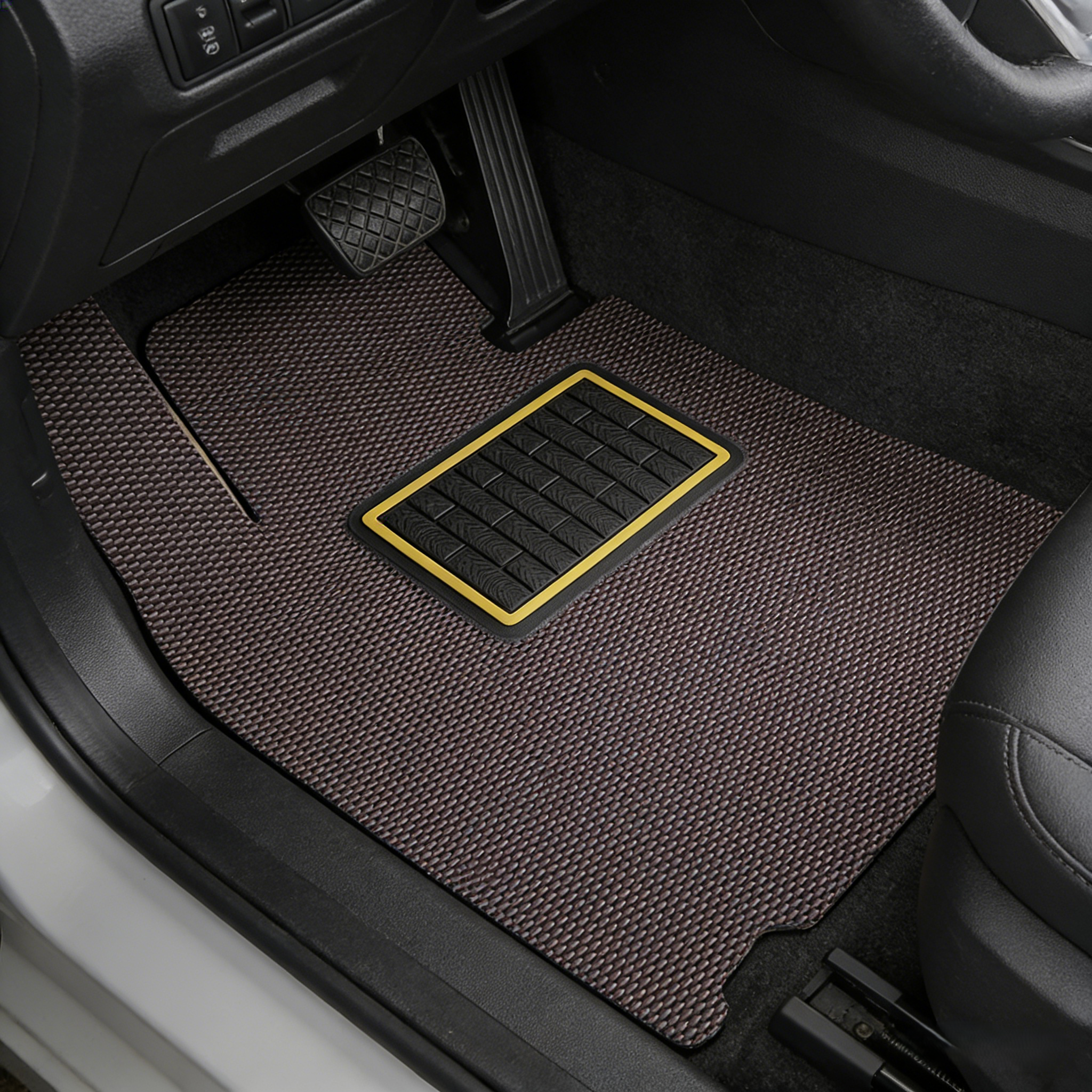
A reliable car mat factory produces millions of automotive floor mats annually while maintaining strict quality standards that protect brand reputation and customer satisfaction. Behind every durable floor mat sits a sophisticated production system designed to catch defects early, verify material specifications, and ensure every unit meets or exceeds industry benchmarks. This operational complexity represents one of the most demanding aspects of automotive aftermarket manufacturing, where a single quality lapse can affect thousands of vehicles and damage market credibility.
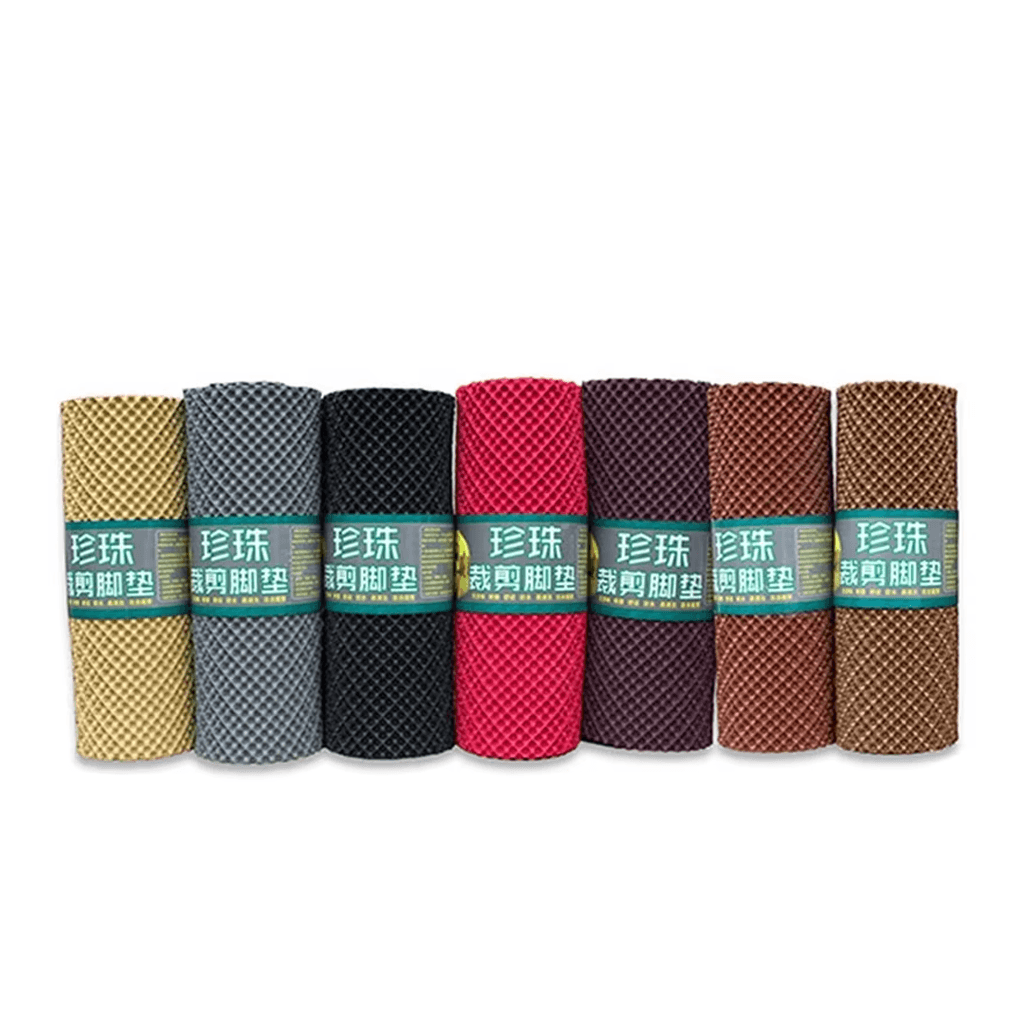
Understanding how a car mat factory maintains consistency across thousands of units reveals the intersection of raw material selection, production technology, human expertise, and continuous monitoring systems. Each stage of the manufacturing process, from compound formulation to packaging, integrates quality checkpoints that work together to eliminate variation and defects. This article explores the core mechanisms that allow modern car mat factories to deliver predictable, reliable products at scale.
Material Sourcing and Raw Material Verification
Raw Material Selection Standards
A successful car mat factory begins quality assurance at the material sourcing stage, recognizing that finished product quality cannot exceed the quality of input materials. Polymer suppliers, fiber manufacturers, and chemical compound vendors must meet strict specifications before their materials enter the production queue. The car mat factory procurement team evaluates supplier certifications, conducts batch testing, and maintains long-term relationships with only those vendors whose consistency aligns with production goals.
Every incoming shipment to a car mat factory receives physical inspection and laboratory analysis before release to the production floor. Density testing, tensile strength verification, color consistency checks, and chemical composition analysis ensure that polymer compounds meet molecular specifications. A car mat factory that sources rubber or PVC from multiple suppliers must maintain parallel testing protocols to prevent quality drift across different material batches, a critical discipline that distinguishes premium manufacturers from cost-cutting operations.
Batch Traceability and Documentation
Modern car mat factory operations employ lot traceability systems that assign unique identifiers to every raw material shipment, linking each finished product batch back to its source materials. This documentation practice enables rapid root-cause analysis if quality issues emerge after products ship to dealers or end-users. When a car mat factory implements blockchain-compatible batch tracking or serialized lot management, quality teams can isolate defective batches, prevent contamination of subsequent production runs, and provide customers with complete supply chain transparency.
Production Process Control and In-Line Monitoring
Standardized Manufacturing Parameters
A car mat factory standardizes production parameters across all equipment through detailed process documentation and automated control systems that maintain precise temperatures, pressures, and dwell times. Injection molding machines, cutting systems, and finishing equipment must operate within narrow tolerance bands to ensure dimensional accuracy and material consistency. The car mat factory establishes master settings based on extensive trial production runs, validating that these parameters produce the desired durometer hardness, surface texture, and dimensional specifications before full-scale manufacturing begins.
Digital process monitoring allows a car mat factory to track real-time machine performance and trigger alerts when equipment drifts outside acceptable ranges. Automated data collection systems record temperature cycles, injection pressures, cooling times, and cycle counts, creating an audit trail that documents conditions under which each production batch was manufactured. When equipment performance degrades, the car mat factory can review historical data to correlate quality changes with specific machine conditions, enabling predictive maintenance that prevents defects before they compromise product batches.
Statistical Process Control Integration
Leading car mat factory operations implement statistical process control protocols that sample finished products at regular intervals, measuring critical dimensions and material properties against established control limits. When sample measurements trend toward specification boundaries, the car mat factory initiates corrective actions before the process produces out-of-specification units. This proactive approach transforms quality from a reactive inspection function into a predictive science where statistical signals guide production adjustments and prevent defect generation.
Quality Testing and Defect Detection Systems
Multi-Stage Inspection Protocols
A comprehensive car mat factory establishes multiple inspection checkpoints that examine different quality attributes at different production stages. Initial in-line inspections verify dimensional accuracy and surface finish immediately after manufacturing. Secondary inspections sample finished products for tensile strength, tear resistance, odor profile, and color consistency. Final packaging inspections verify mat weight, confirm all accessories are present, and validate that product documentation matches the assembled package before shipment.
Vision systems and automated scanners enable a car mat factory to inspect thousands of units daily while maintaining inspection consistency that human inspectors cannot match. Machine vision systems verify pattern accuracy, edge quality, and surface defects with resolution that exceeds human capability. When automated inspection flags potential defects, the car mat factory routes those units for human review, combining machine efficiency with human judgment to minimize false positives while catching genuine quality issues.
Durability and Performance Testing
A car mat factory validates finished products through accelerated durability tests that simulate real-world wear conditions in compressed timeframes. Abrasion resistance testing measures surface degradation under foot traffic, while dimensional stability tests verify that mats maintain their shape and fit specifications after exposure to heat cycles and moisture. The car mat factory maintains test equipment that reproduces the environmental conditions inside vehicles, including temperature extremes, humidity cycling, and chemical exposure from road salts and cleaning products.
Functional testing ensures that a car mat factory products perform correctly in actual vehicle installations, with fit verification on representative vehicle models and securing mechanism testing that confirms mats remain in position during normal driving. Odor testing quantifies volatile organic compound emissions to verify compliance with automotive interior air quality standards. These comprehensive testing protocols cost significant resources but generate data that validates product reliability and protects the car mat factory brand reputation in the marketplace.
Workforce Training and Process Discipline
Operator Certification and Continuous Development
A car mat factory that maintains consistent quality recognizes that production workers represent a critical quality lever and invests heavily in operator training and certification programs. All employees who influence product quality receive documented training on process specifications, quality standards, and defect recognition before they operate production equipment. The car mat factory maintains training records that demonstrate each operator understands the specific requirements of their role and can identify quality issues that require immediate attention.
Continuous operator development programs keep car mat factory workers updated on equipment upgrades, new product specifications, and lessons learned from quality investigations. Regular refresher training reinforces standard operating procedures and prevents drift toward shortcuts that might compromise quality. When a car mat factory implements incentive programs that reward workers for identifying and preventing defects, operator engagement with quality initiatives increases and the production team becomes an active partner in quality assurance rather than passive equipment controllers.
Quality Culture and Process Discipline
The most effective car mat factory operations cultivate a quality-first culture where every employee understands how their role contributes to final product reliability and customer satisfaction. Management communicates quality metrics transparently, celebrates quality achievements, and addresses quality shortfalls as learning opportunities rather than punishment triggers. When a car mat factory establishes quality councils that include production, maintenance, engineering, and quality personnel, cross-functional teams identify root causes of quality variations and implement systemic improvements that prevent recurrence.
FAQ
How does a car mat factory prevent color variation between batches?
A car mat factory controls color consistency through spectrophotometric analysis of incoming pigment materials and through standardized mixing procedures that measure pigment quantities by weight rather than visual estimation. Production equipment maintains precise temperature control because polymer thermal conditions influence final color appearance. The car mat factory also verifies color under standardized lighting conditions during inspection, ensuring that finished products meet approved color standards within acceptable tolerance bands that reflect real-world lighting variations in vehicle interiors.
What role does equipment maintenance play in a car mat factory quality system?
Preventive maintenance schedules ensure that a car mat factory production equipment remains in calibrated condition and prevents gradual performance degradation that compromises product consistency. Regular maintenance reduces unplanned equipment shutdowns that force operators to restart processes and create first-article defects. The car mat factory maintains spare equipment components and performs planned maintenance during scheduled production breaks, ensuring that all machinery operates at optimized specifications throughout production runs.
How does a car mat factory respond when quality issues are discovered in the market?
A car mat factory maintains rapid response protocols for market quality issues that include immediate batch identification, production halt of potentially affected units, and root-cause investigation that determines whether the issue originated in material sourcing, process conditions, or design specifications. The car mat factory contacts customers promptly with detailed information about potentially affected products and implements replacement or refund programs that preserve customer relationships. Comprehensive documentation of market issues feeds back into continuous improvement initiatives that prevent similar problems in future production runs.