
 EN
EN



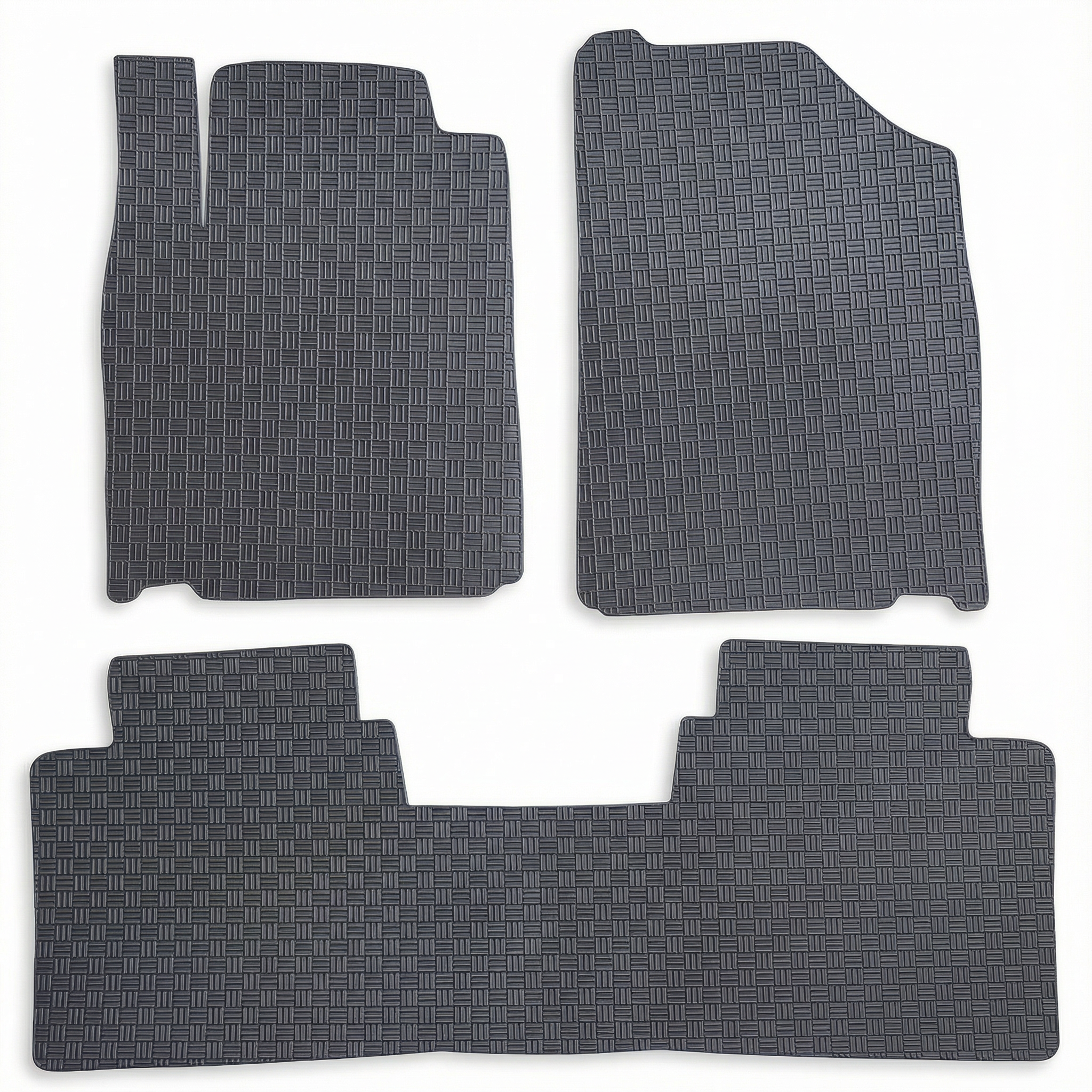
Achieving the perfect fit for custom car floor mats in obscure vehicle models requires precision engineering, advanced manufacturing techniques, and detailed vehicle specifications. While mainstream vehicles receive extensive aftermarket support, owners of rare or discontinued models often struggle to find properly fitting floor protection. The challenge lies in obtaining accurate measurements and creating custom car floor mats that match the unique contours of lesser-known vehicle interiors.
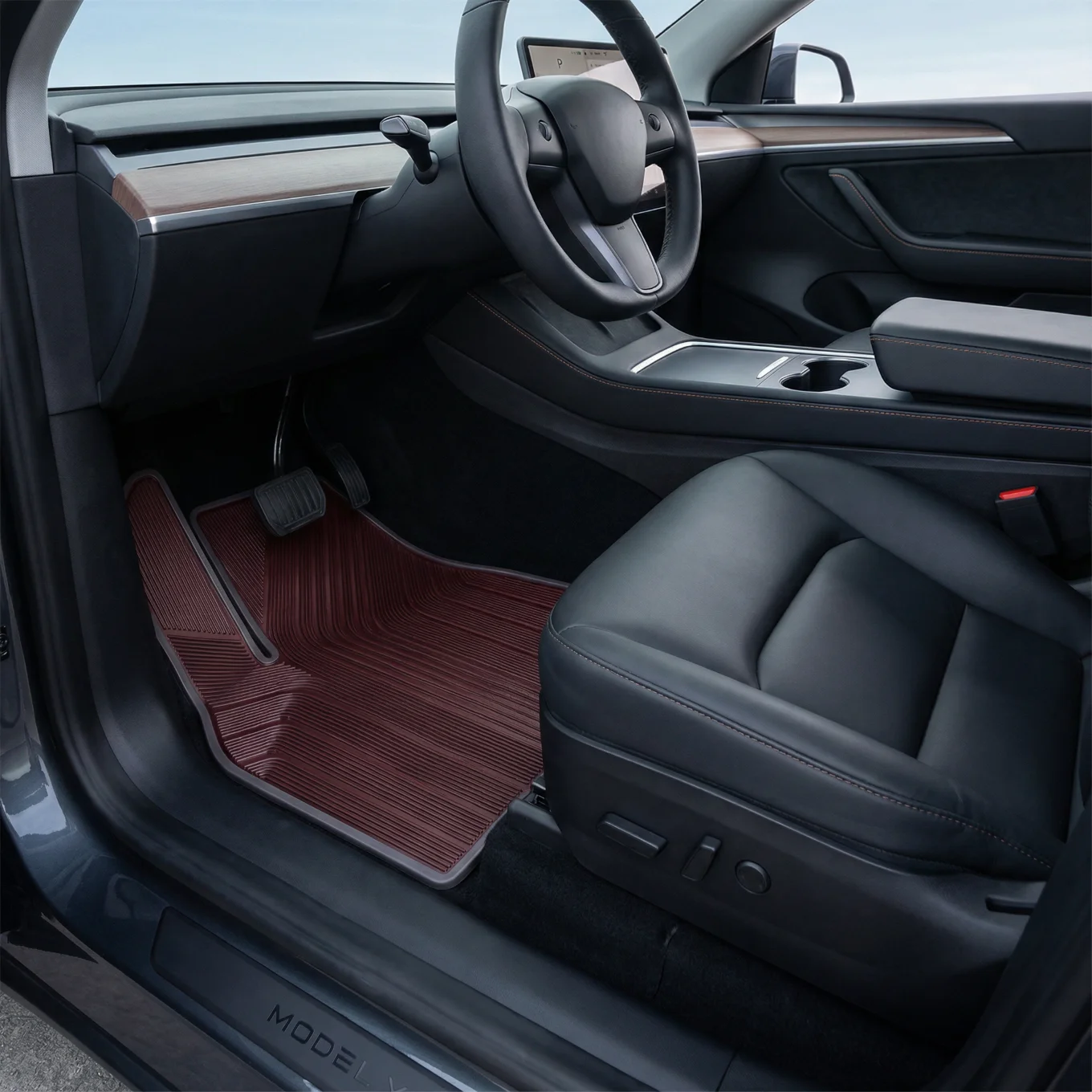
Modern automotive floor mat manufacturers employ sophisticated scanning technologies and database systems to accommodate vehicles with limited production runs. These systems capture precise floor pan dimensions, pedal placement, and transmission tunnel configurations that define each model's unique footprint. The complexity increases exponentially when dealing with vehicles that lack standardized measurements or have undergone modifications throughout their production cycles.
Advanced Measurement Techniques for Rare Vehicle Models
Laser Scanning and Digital Mapping
Professional manufacturers utilize high-resolution laser scanners to capture millimeter-precise measurements of vehicle floor pans. This technology creates detailed three-dimensional maps that account for every curve, depression, and elevation change in the vehicle's interior. The scanning process typically requires several hours per vehicle model to ensure comprehensive coverage of all critical areas where custom car floor mats must conform.
Digital mapping systems process this raw scan data into manufacturable templates that guide cutting and forming operations. Advanced software algorithms analyze the scanned geometry to identify optimal material placement and determine necessary relief cuts for complex curves. This digital approach eliminates the guesswork traditionally associated with creating patterns for obscure vehicle models.
Physical Template Creation
When digital scanning proves insufficient or unavailable, manufacturers resort to physical template creation using specialized materials. This process involves placing flexible template material directly onto the vehicle floor and carefully marking all critical boundaries and features. Experienced technicians understand how to account for material thickness and compression characteristics when creating these physical patterns.
The template creation process requires intimate knowledge of how different custom car floor mats materials behave during installation. Rubber compounds exhibit different flexibility characteristics than carpet materials, necessitating unique approaches for each material type. Professional pattern makers consider these material properties when developing templates that will translate into properly fitting finished products.
Material Selection and Engineering Considerations
Compound Flexibility and Durability
Material selection plays a crucial role in achieving proper fit for obscure vehicle models. Manufacturers must balance flexibility requirements with long-term durability expectations when choosing compounds for custom car floor mats. Thermoplastic elastomers offer excellent conformability while maintaining structural integrity over extended use periods.
The engineering challenge intensifies when dealing with vehicles featuring unusual floor pan angles or extreme contours. Some rare models incorporate steep transmission tunnels or unusually positioned pedal assemblies that demand materials capable of extreme deformation without cracking or permanent distortion. Advanced polymer formulations address these challenges through carefully controlled molecular structures.
Multi-Layer Construction Systems
Complex vehicle geometries often require multi-layer construction approaches that combine different materials for optimal performance. Base layers provide structural support and dimensional stability, while surface layers offer protection and aesthetic appeal. This layered approach allows manufacturers to optimize each component for its specific function within the overall mat assembly.
Bonding technologies used in multi-layer custom car floor mats must withstand temperature extremes and repeated flexing without delamination. Chemical bonding agents create molecular-level adhesion between layers, while mechanical bonding systems provide physical interlocking for enhanced durability. The selection between these approaches depends on the specific requirements of each obscure vehicle model.
Manufacturing Processes for Complex Geometries
Precision Cutting Technologies
Water jet cutting systems provide unmatched precision when manufacturing custom car floor mats for challenging vehicle geometries. These systems can achieve tolerances within fractions of millimeters while accommodating intricate curves and tight radius transitions. The absence of heat-affected zones ensures material properties remain consistent throughout the cutting process.
Computer-controlled cutting systems interpret digital templates with perfect repeatability, ensuring consistent results across multiple production runs. This capability proves essential when manufacturing replacement sets or accommodating customer modifications. The precision achievable through automated cutting eliminates many fit issues traditionally associated with hand-cut patterns.
Thermoforming and Molding Processes
Three-dimensional forming processes create the complex curves and contours necessary for proper fit in unusual vehicle interiors. Vacuum forming systems draw heated material over precise molds that replicate vehicle floor geometries. Temperature and pressure control during forming ensures consistent dimensional accuracy while preventing material degradation.
Compression molding techniques offer superior control over material distribution and surface texture when manufacturing custom car floor mats for demanding applications. This process allows manufacturers to incorporate reinforcement fibers or create varying thickness profiles within single mat assemblies. The ability to control material flow during molding proves particularly valuable when accommodating complex vehicle geometries.
Quality Control and Fit Verification
Dimensional Inspection Protocols
Comprehensive inspection procedures verify that finished custom car floor mats meet dimensional specifications before shipment. Coordinate measuring machines check critical dimensions against original vehicle measurements to ensure proper fit. This verification process identifies potential issues before products reach customers, reducing returns and warranty claims.
Statistical process control methods monitor manufacturing consistency across production batches. Control charts track dimensional variations and identify trends that might indicate tooling wear or process drift. This proactive approach maintains quality standards even when manufacturing small quantities for obscure vehicle models.
Field Testing and Customer Feedback
Real-world testing validates manufacturing processes and identifies areas for improvement in custom car floor mats design. Beta testing programs place prototype mats in actual vehicles to evaluate fit, function, and durability under normal use conditions. Customer feedback from these programs drives continuous improvement in manufacturing processes.
Documentation systems capture installation experiences and fit observations from field testing programs. This information feeds back into design databases to refine patterns and manufacturing processes for future production runs. The iterative improvement process proves particularly valuable when working with custom car floor mats for vehicles with limited market presence.
Technology Integration and Future Developments
Artificial Intelligence in Pattern Recognition
Machine learning algorithms analyze vast databases of vehicle measurements to identify patterns and relationships that human designers might overlook. These systems can predict likely fit issues and suggest design modifications before manufacturing begins. The ability to learn from historical data accelerates the development process for new vehicle models.
Pattern recognition software identifies similarities between seemingly different vehicle models, allowing manufacturers to leverage existing tooling and templates. This capability reduces development costs and time-to-market for custom car floor mats serving niche vehicle segments. The technology proves particularly valuable when dealing with platform-sharing arrangements between manufacturers.
Additive Manufacturing Applications
Three-dimensional printing technologies enable rapid prototyping of complex geometries without expensive tooling investments. This capability allows manufacturers to test fit and function before committing to full-scale production tooling. The speed and flexibility of additive manufacturing prove particularly valuable when developing solutions for extremely low-volume vehicle models.
Advanced printing materials now offer durability characteristics approaching those of traditional manufacturing methods. High-performance polymers suitable for automotive applications can be processed through industrial-grade printing systems. This convergence opens new possibilities for economically viable production of custom car floor mats for even the most obscure vehicle models.
FAQ
How long does it take to develop custom car floor mats for an obscure vehicle model?
Development timelines typically range from 4-8 weeks depending on the complexity of the vehicle geometry and availability of reference vehicles for measurement. Simple floor pan configurations may require only basic template creation, while complex multi-level interiors demand extensive engineering analysis. Rush orders can sometimes be accommodated with expedited measurement and production schedules.
What happens if the custom car floor mats do not fit properly upon delivery?
Reputable manufacturers offer fit guarantees and will remake products that do not meet specifications due to measurement or manufacturing errors. The return process typically involves detailed documentation of fit issues with photographs and dimensional feedback. This information helps improve future production and may qualify customers for expedited replacement processing.
Can modifications be made to existing vehicle interiors to improve mat fitment?
Minor modifications such as trim adjustments or carpet repositioning can sometimes improve fit for custom car floor mats in challenging installations. However, major modifications that affect structural integrity or safety systems should be avoided. Professional installers can recommend appropriate modifications that enhance fit without compromising vehicle functionality or warranty coverage.
How do manufacturers handle variations between production years of the same model?
Detailed production databases track dimensional changes and feature modifications across model years to ensure proper fitment. Manufacturers maintain separate patterns for significant changes while identifying commonalities that allow pattern sharing. This approach balances inventory efficiency with fit accuracy for custom car floor mats across extended production runs of obscure vehicle models.
Table of Contents
- Advanced Measurement Techniques for Rare Vehicle Models
- Material Selection and Engineering Considerations
- Manufacturing Processes for Complex Geometries
- Quality Control and Fit Verification
- Technology Integration and Future Developments
-
FAQ
- How long does it take to develop custom car floor mats for an obscure vehicle model?
- What happens if the custom car floor mats do not fit properly upon delivery?
- Can modifications be made to existing vehicle interiors to improve mat fitment?
- How do manufacturers handle variations between production years of the same model?