
 EN
EN



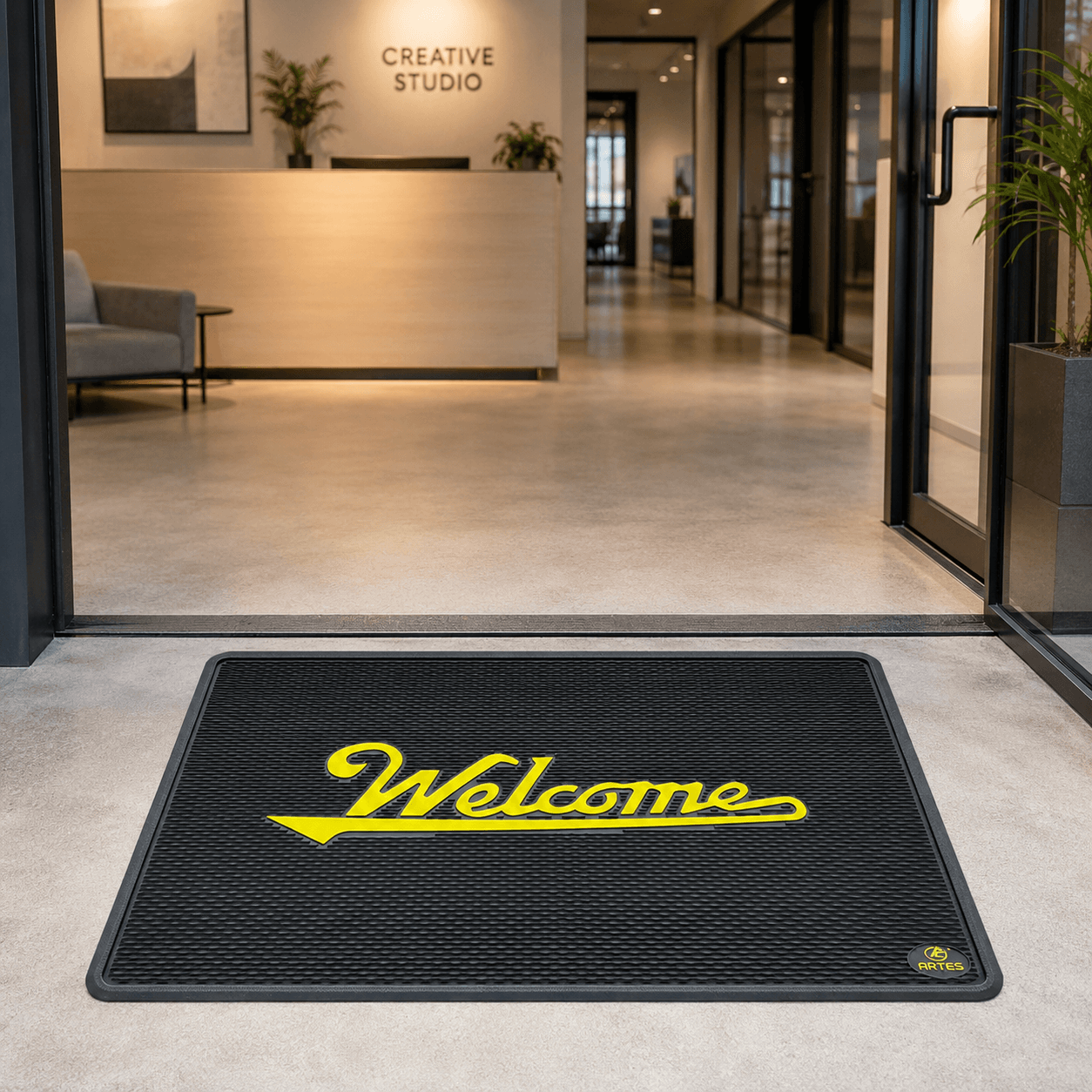
When selecting flooring solutions for high-traffic areas, the choice of floor mat material plays a crucial role in determining durability, performance, and cost-effectiveness. Different materials exhibit varying levels of resistance to wear, moisture, and environmental factors that directly impact their operational lifespan. Understanding these material properties helps facility managers, business owners, and homeowners make informed decisions that balance initial investment with long-term value. The relationship between floor mat material composition and longevity becomes particularly evident in commercial settings, educational institutions, healthcare facilities, and residential entryways where foot traffic volumes can be substantial.
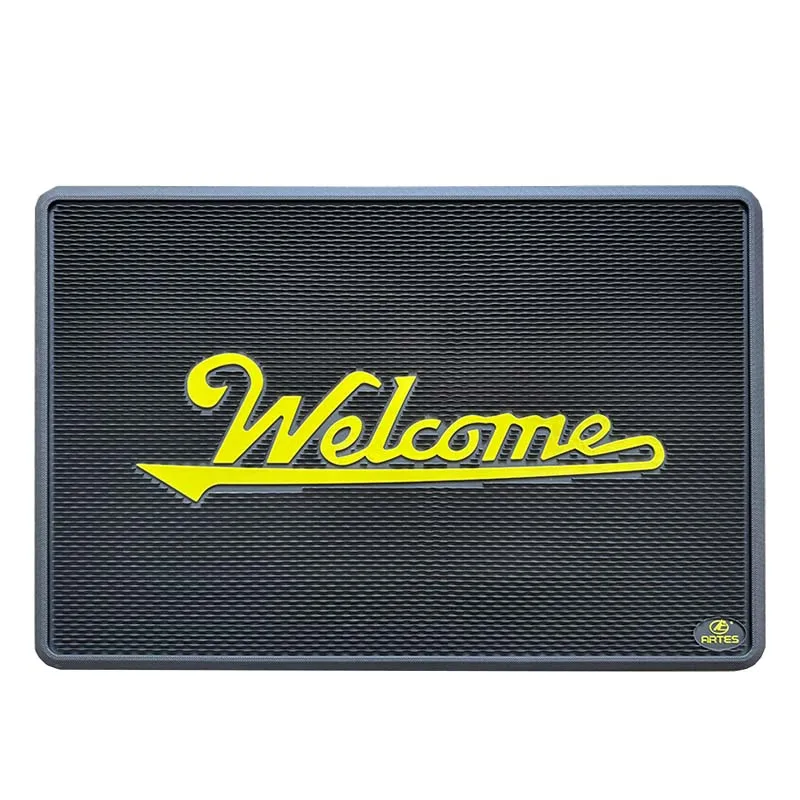
Understanding Material Composition and Durability Factors
Rubber-Based Floor Mat Materials
Rubber stands as one of the most resilient floor mat material options for high-traffic environments due to its inherent elasticity and resistance properties. Natural rubber compounds offer excellent flexibility and can withstand repeated compression cycles without losing their structural integrity. The molecular structure of rubber allows it to bounce back from deformation, making it ideal for areas experiencing constant foot traffic. Additionally, rubber-based mats demonstrate superior resistance to oils, chemicals, and temperature fluctuations commonly encountered in industrial and commercial settings.
Synthetic rubber variations, including nitrile and EPDM compounds, provide enhanced durability characteristics compared to natural rubber alternatives. These engineered materials resist UV degradation, ozone exposure, and extreme weather conditions that can compromise mat integrity over time. The closed-cell structure of certain rubber formulations prevents water absorption and bacterial growth, contributing to extended service life in moisture-prone environments. Quality rubber floor mat material typically maintains its performance characteristics for 3-7 years in moderate to heavy traffic conditions.
Vinyl and PVC Material Properties
Vinyl and PVC represent cost-effective floor mat material choices that offer reasonable durability for moderate traffic applications. These thermoplastic materials provide excellent resistance to moisture, chemicals, and staining while maintaining dimensional stability under normal operating conditions. The smooth surface texture of vinyl mats facilitates easy cleaning and maintenance, reducing long-term operational costs. However, vinyl-based materials may exhibit reduced flexibility in cold temperatures and can become brittle under extreme environmental conditions.
The manufacturing process for vinyl floor mat material allows for various thickness options and backing configurations that influence durability outcomes. Thicker vinyl constructions with reinforced backing layers demonstrate improved resistance to tearing and puncture damage. Surface treatments and additives can enhance UV resistance and reduce color fading, extending the aesthetic lifespan of vinyl mats. In typical commercial applications, quality vinyl floor mat material maintains acceptable performance for 2-4 years depending on traffic intensity and environmental exposure.
Environmental Impact on Material Longevity
Moisture and Humidity Effects
Environmental moisture levels significantly influence the degradation rate of different floor mat material types through various mechanisms including hydrolysis, mold growth, and dimensional changes. Materials with high water absorption rates tend to experience accelerated deterioration in humid environments as trapped moisture creates ideal conditions for microbial activity and chemical breakdown. Rubber and synthetic materials generally demonstrate superior moisture resistance compared to natural fiber options, maintaining structural integrity even in consistently damp conditions.
The freeze-thaw cycle presents particular challenges for certain floor mat material compositions, causing repeated expansion and contraction that can lead to cracking and delamination. Materials with lower glass transition temperatures maintain flexibility during cold periods, reducing stress-induced failures. Proper drainage design and mat configuration can minimize moisture retention and extend service life regardless of base material selection. Regular cleaning and drying protocols further enhance longevity in moisture-exposed applications.
Chemical Exposure Considerations
Chemical compatibility becomes a critical factor in floor mat material selection for industrial facilities, laboratories, and healthcare environments where aggressive substances may contact mat surfaces. Different polymer chains exhibit varying degrees of resistance to acids, bases, solvents, and cleaning chemicals commonly used in commercial settings. Understanding the chemical resistance properties of potential mat materials prevents premature failure and maintains safety standards in specialized applications.
The concentration and contact time of chemical exposures directly correlate with material degradation rates and overall mat longevity. Some floor mat material formulations include chemical-resistant additives or surface treatments that provide enhanced protection against specific substance classes. Regular assessment of chemical exposure patterns helps optimize material selection and replacement scheduling. Documentation of chemical compatibility ensures compliance with safety regulations and maximizes return on mat investments.
Traffic Pattern Analysis and Material Performance
Foot Traffic Volume Considerations
The relationship between daily foot traffic volume and floor mat material wear rates follows predictable patterns that inform replacement scheduling and budget planning. High-volume areas exceeding 1000 daily passages require materials with exceptional abrasion resistance and recovery properties to maintain acceptable appearance and functionality. Medium-density traffic environments between 200-1000 daily passages allow for broader material selection while still demanding quality construction standards.
Load distribution characteristics of different floor mat material types influence wear pattern development and overall service life. Materials with uniform density and consistent backing support distribute weight more evenly, reducing localized stress concentrations that accelerate failure. The incorporation of reinforcing elements such as fabric backing or embedded fibers enhances load-bearing capacity and extends usable life in heavy-traffic applications. Proper mat sizing and placement optimization further maximizes material utilization efficiency.
Abrasion Resistance Factors
Surface texture design significantly impacts the abrasion resistance of floor mat material by distributing wear forces across larger surface areas and providing grip characteristics that reduce sliding friction. Raised patterns, ribs, and textured surfaces help mask normal wear while maintaining functional performance throughout the mat's service life. However, aggressive textures may trap debris and complicate cleaning procedures, potentially accelerating degradation in certain environments.
The hardness and elasticity balance of different materials determines their resistance to mechanical wear and gouging damage from sharp objects or heavy equipment. Softer materials may show surface impressions more readily but often demonstrate better recovery from deformation. Harder floor mat material compositions resist cutting and puncture damage but may become slippery when worn smooth. Understanding the specific abrasion challenges in each application guides appropriate material hardness selection for optimal longevity.
Maintenance Requirements and Material Durability
Cleaning Protocol Impact
The cleaning methods and products used for mat maintenance significantly influence material longevity through chemical compatibility and mechanical stress factors. Aggressive cleaning solutions or high-pressure washing techniques may accelerate material breakdown in sensitive floor mat material formulations. Establishing appropriate cleaning protocols based on material specifications prevents premature deterioration while maintaining hygiene standards required in commercial environments.
Frequency of cleaning cycles affects different materials in varying ways, with some benefiting from regular maintenance while others may suffer from over-processing. Oil-resistant materials typically require more frequent degreasing in industrial settings, while moisture-resistant options need primarily debris removal and occasional sanitization. The compatibility between cleaning agents and specific floor mat material compositions should be verified through manufacturer recommendations or compatibility testing to ensure optimal service life.
Preventive Maintenance Strategies
Implementing systematic inspection and maintenance schedules maximizes the service life of any floor mat material by identifying potential issues before they compromise overall integrity. Regular rotation of mats in multi-unit installations helps distribute wear patterns evenly and extends collective service life. Edge sealing and backing reinforcement repairs can prevent moisture intrusion and delamination issues that would otherwise necessitate complete replacement.
Environmental controls such as proper drainage, temperature regulation, and debris management reduce external stress factors that accelerate floor mat material degradation. Seasonal storage of outdoor mats during extreme weather periods protects against UV damage and freeze-thaw cycling. Professional assessment services can evaluate material condition and recommend optimization strategies for specific applications and environmental conditions.
Economic Analysis of Material Selection
Initial Investment Versus Lifecycle Costs
The total cost of ownership for different floor mat material options includes initial purchase price, installation expenses, maintenance costs, and replacement frequency calculations. Premium materials with higher upfront costs often provide superior longevity that reduces lifecycle expenses through extended service intervals. Budget-oriented materials may require more frequent replacement but could prove cost-effective in temporary installations or low-impact applications.
Labor costs associated with mat replacement and maintenance should be factored into economic comparisons between material options. Heavy-duty floor mat material choices that extend replacement cycles reduce disruption to business operations and minimize associated labor expenses. The availability of cleaning and repair services for specific material types can influence long-term operational costs and should be considered during initial selection processes.
Return on Investment Calculations
Quantifying the return on investment for premium floor mat material selections requires analysis of performance benefits, safety improvements, and operational efficiencies gained through enhanced durability. Reduced slip incidents, improved indoor air quality, and enhanced facility appearance contribute to intangible benefits that support higher initial material investments. Documentation of actual service life and performance metrics enables data-driven decisions for future material selections.
The scalability of material selection decisions across multiple facility locations or large installation areas amplifies the importance of thorough economic analysis. Standardization on proven floor mat material formulations can provide volume purchasing advantages and simplified maintenance protocols. Long-term contracts with suppliers often include performance guarantees that further reduce financial risk associated with material selection decisions.
FAQ
What factors most significantly impact floor mat material longevity in high-traffic areas
Traffic volume, environmental conditions, and maintenance practices represent the three primary factors affecting floor mat material durability. Areas with over 1000 daily foot passages require materials with exceptional abrasion resistance and recovery properties. Environmental factors such as moisture, temperature extremes, and chemical exposure can accelerate degradation regardless of traffic levels. Consistent cleaning protocols and preventive maintenance significantly extend service life across all material types by preventing debris accumulation and addressing minor damage before it spreads.
How do rubber-based materials compare to vinyl options for commercial applications
Rubber-based floor mat material typically provides 2-3 times longer service life than vinyl alternatives in high-traffic commercial environments due to superior elasticity and recovery properties. Rubber maintains flexibility across broader temperature ranges and demonstrates better resistance to oils, chemicals, and UV exposure. While vinyl options offer lower initial costs and easier cleaning characteristics, rubber materials often prove more economical over extended periods through reduced replacement frequency and maintenance requirements.
What maintenance practices extend the lifespan of different floor mat materials
Regular debris removal, appropriate cleaning solution selection, and periodic inspection represent essential maintenance practices for maximizing floor mat material longevity. Daily sweeping or vacuuming prevents abrasive particles from embedding in mat surfaces and accelerating wear. Chemical compatibility between cleaning products and specific material formulations must be verified to prevent premature deterioration. Monthly rotation of mats in multi-unit installations distributes wear patterns evenly and can extend collective service life by 25-40 percent.
When should facilities consider replacing existing floor mats based on material condition
Replacement timing depends on safety concerns, aesthetic standards, and functional performance rather than arbitrary time schedules. Visible wear patterns exceeding 25 percent of the mat surface area, edge curling or delamination, and reduced slip resistance indicate replacement needs regardless of installation age. Loss of dimensional stability, persistent odor retention, or inability to achieve acceptable cleanliness through normal maintenance protocols also signal end-of-service conditions. Regular professional assessment helps establish objective replacement criteria specific to each floor mat material type and application environment.
Table of Contents
- Understanding Material Composition and Durability Factors
- Environmental Impact on Material Longevity
- Traffic Pattern Analysis and Material Performance
- Maintenance Requirements and Material Durability
- Economic Analysis of Material Selection
-
FAQ
- What factors most significantly impact floor mat material longevity in high-traffic areas
- How do rubber-based materials compare to vinyl options for commercial applications
- What maintenance practices extend the lifespan of different floor mat materials
- When should facilities consider replacing existing floor mats based on material condition