
 EN



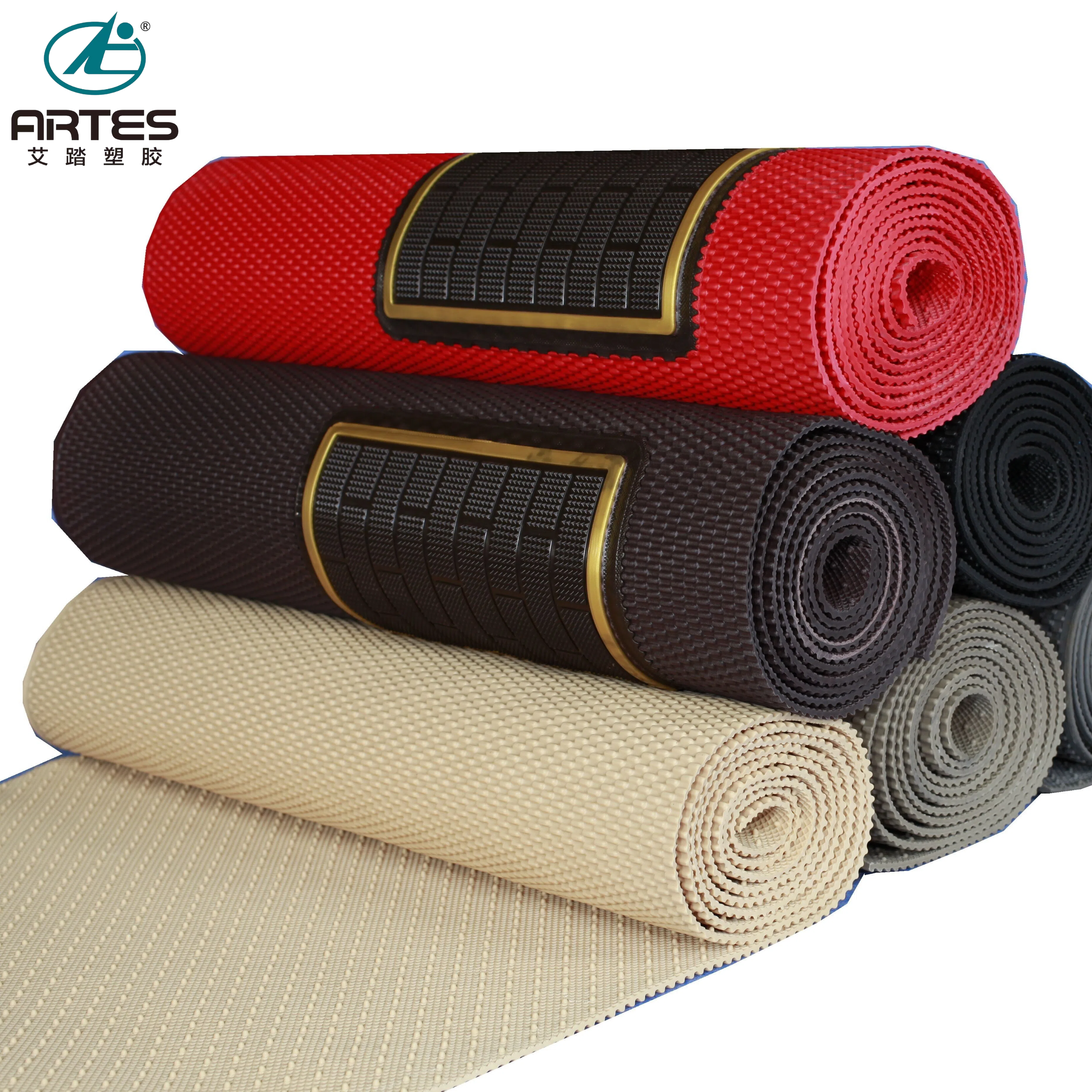
Protecting your vehicle's interior from environmental damage requires more than standard floor coverings. Heavy-duty rubber car mats represent a specialized solution designed to withstand the harsh conditions your automobile encounters daily. Road salt, de-icing chemicals, mud, moisture, and abrasive grit pose constant threats to factory carpeting and interior materials. Understanding how rubber car mats resist these corrosive and damaging substances helps vehicle owners make informed decisions about floor protection.

Rubber car mats function as a barrier between your vehicle's interior surfaces and the contaminants introduced through foot traffic and weather exposure. When you step into your car during winter months or after driving through salt-treated roads, rubber car mats immediately intercept these harmful materials. The engineering behind modern rubber car mats includes specific formulations and structural features that actively neutralize chemical threats while maintaining durability across extended timeframes.
Material Composition and Chemical Resistance
Synthetic Rubber Formulations
Rubber car mats are manufactured from engineered synthetic rubber compounds selected specifically for chemical resistance. These formulations incorporate polymers that repel salt crystals and prevent chemical penetration into the mat structure. Unlike natural rubber, synthetic rubber used in rubber car mats maintains stability when exposed to sodium chloride and other de-icing compounds. The molecular structure of quality rubber car mats prevents salt from bonding with the material surface, allowing contaminants to remain on the top layer where they can be easily removed during cleaning.
Protective Additive Integration
Premium rubber car mats include protective additives that enhance chemical resistance beyond the base polymer. These additives include UV stabilizers, antioxidants, and chemical barriers that work synergistically to defend against salt corrosion and oxidative damage. Manufacturers formulate rubber car mats with carbon black and other reinforcing agents that strengthen the material's defensive properties. The integration of these additives ensures that rubber car mats maintain their protective qualities throughout multiple seasons of exposure to harsh winter conditions and chemical agents.
Structural Features Supporting Durability
Drainage and Ventilation Design
Effective rubber car mats incorporate drainage channels and ventilation patterns that prevent salt and chemical solutions from pooling on the surface. The sculpted design of quality rubber car mats directs moisture toward the edges and allows water to flow away from the material. Raised ridges on rubber car mats create pathways that prevent standing liquid from remaining in contact with the mat surface. This drainage architecture actively reduces the duration of chemical exposure, limiting the time that corrosive substances interact with the mat material. Well-designed rubber car mats feature multiple channels that work together to manage moisture and maintain a dry surface whenever possible.
Reinforced Backing Systems
The backing of superior rubber car mats receives reinforcement to prevent salt penetration from reaching the underside of the mat. Reinforced rubber car mats use multiple-layer construction where a protective barrier prevents chemicals from seeping through to your vehicle's carpet or original floor material. The backing of rubber car mats resists adhesion to factory carpeting, allowing removal for thorough washing and drying. This separation capability means rubber car mats can be easily extracted for cleaning, ensuring that trapped moisture and salt deposits do not accumulate beneath the mat surface where they could cause hidden damage.
Maintenance Practices Extending Protection
Regular Cleaning Protocols
Maintaining the protective capabilities of rubber car mats requires regular removal and cleaning to eliminate accumulated salt and chemical residue. Owners should rinse rubber car mats with fresh water after winter driving or whenever salt exposure occurs. Warm water effectively dissolves salt crystals trapped in the drainage channels of rubber car mats, preventing chemical concentration from building up over time. Periodic scrubbing of rubber car mats with a soft brush removes stubborn deposits while preserving the material integrity. The frequency of cleaning rubber car mats should increase during heavy salt application seasons in northern regions.
Seasonal Storage and Inspection
Proper storage of rubber car mats during off-seasons preserves their chemical resistance properties and extends overall lifespan. Store rubber car mats in a dry location away from direct sunlight and extreme temperature fluctuations that could degrade the material. Inspect rubber car mats regularly for cracks, discoloration, or areas where the protective layer may be compromised. Early identification of damage to rubber car mats allows for targeted treatment or replacement before chemicals penetrate deeper into the material structure. Documentation of rubber car mats' condition throughout their service life helps predict when replacement becomes necessary to maintain adequate protection.
Real-World Performance and Environmental Factors
Regional Salt Application Intensity
The effectiveness of rubber car mats against salt damage varies significantly depending on regional de-icing practices and climate patterns. Vehicles in northern states where heavy salt application occurs on roadways face more intense chemical exposure than those in milder climates. Rubber car mats must be selected based on the specific environmental conditions where the vehicle operates most frequently. Vehicles used primarily for winter driving in harsh conditions benefit from rubber car mats with premium protective features and thicker construction. Understanding your regional chemical exposure helps determine the appropriate quality level and replacement schedule for rubber car mats in your vehicle.
Chemical Variety Beyond Road Salt
Modern roadways use diverse chemical compounds beyond traditional sodium chloride for winter maintenance and cleaning purposes. Magnesium chloride, calcium chloride, and other proprietary de-icing formulations present varying chemical challenges that rubber car mats must address. The formulation of rubber car mats suitable for contemporary roads must account for multiple chemical attack vectors simultaneously. Testing protocols for rubber car mats increasingly include exposure to mixed chemical environments that reflect real-world conditions. Selecting rubber car mats with proven resistance across multiple chemical types ensures broader protection against the complexity of modern road treatment practices.
FAQ
How often should I replace rubber car mats exposed to heavy road salt?
The lifespan of rubber car mats depends on regional salt intensity, cleaning frequency, and material quality. Vehicles exposed to extreme salt conditions typically require rubber car mats replacement every 2 to 3 years, while moderate exposure may extend this to 4 to 5 years. Inspect rubber car mats annually for visible degradation or chemical breakthrough, which signals declining protective capacity. Regular cleaning significantly extends rubber car mats longevity by preventing salt accumulation and chemical concentration within the material.
Can rubber car mats protect against all types of winter chemicals?
Premium rubber car mats offer broad protection against the most common winter chemicals including salt, magnesium chloride, and calcium chloride compounds. However, specialized formulations may provide better resistance to specific chemical combinations prevalent in certain regions. Consult product specifications for rubber car mats to confirm compatibility with the exact de-icing agents used on roads in your area. Standard rubber car mats provide adequate protection for most climates, but extreme industrial areas may require specialized formulations.
What distinguishes heavy-duty rubber car mats from standard floor mats?
Heavy-duty rubber car mats feature thicker material, reinforced backing, enhanced chemical resistance formulations, and superior drainage design compared to standard mats. The polymer composition of rubber car mats includes protective additives not found in basic alternatives. Construction quality ensures rubber car mats maintain structural integrity longer when exposed to abrasive salt crystals and corrosive chemicals. Premium rubber car mats justify their higher cost through extended lifespan and superior protection for vehicle interiors in harsh winter environments.