
 EN



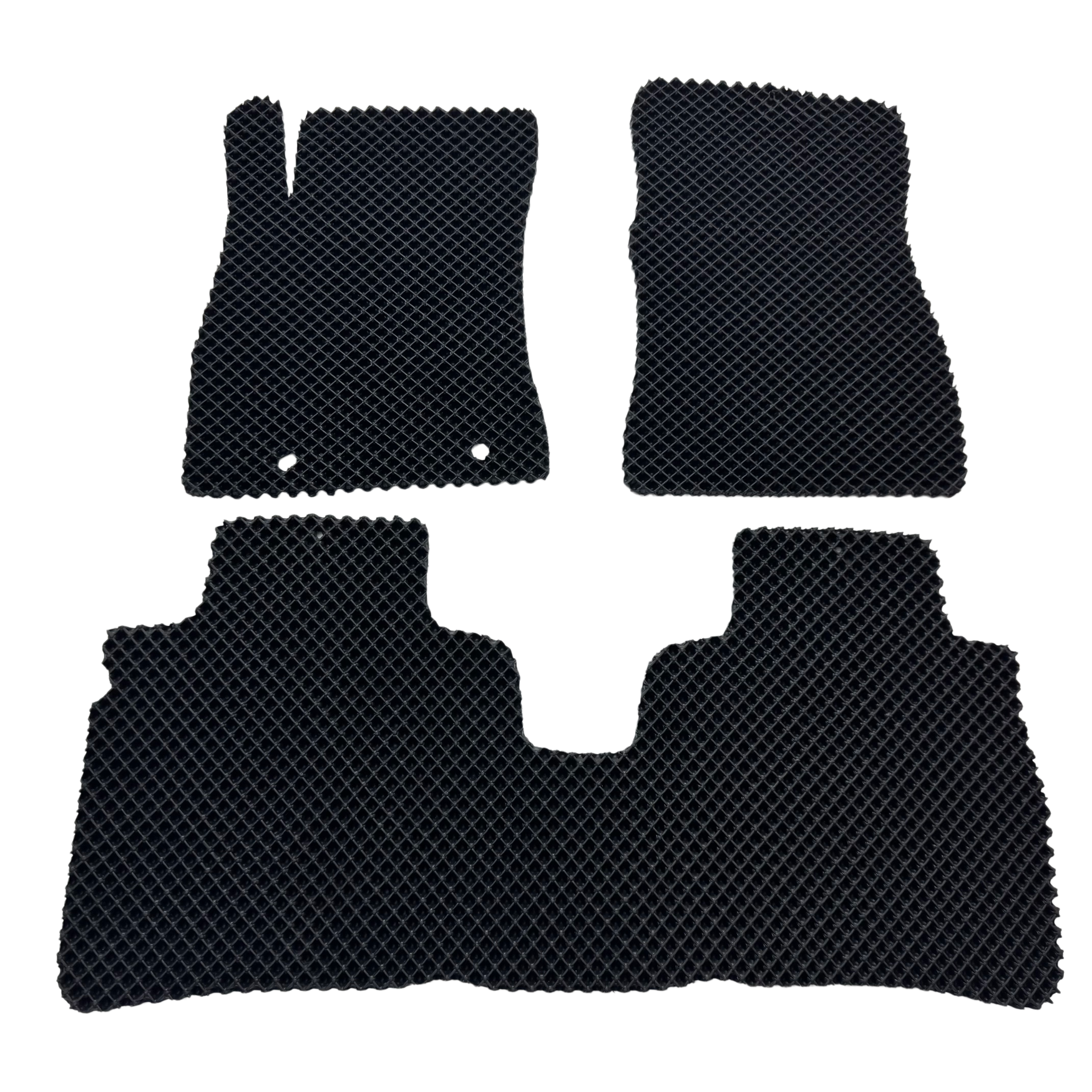
Winter driving presents unique challenges that demand effective vehicle protection solutions. Salt, snow, moisture, and harsh chemicals combine to damage interior floors, carpeting, and structural components beneath the surface. Rubber car mats have emerged as the gold standard for winter weather protection because they deliver comprehensive defense against these destructive elements while maintaining durability and functionality through the harshest seasonal conditions. Unlike fabric alternatives, rubber car mats provide a reliable barrier that prevents damaging materials from reaching vulnerable vehicle interiors.
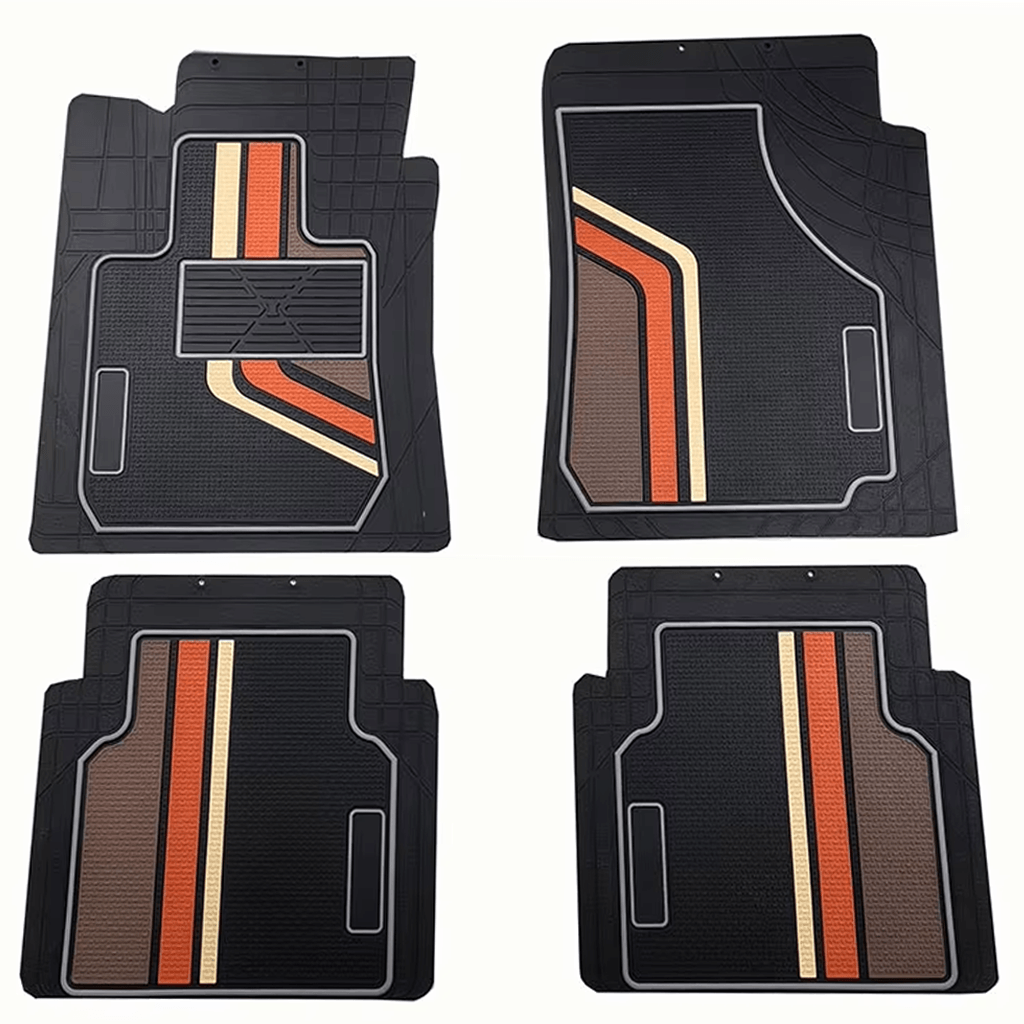
The superiority of rubber car mats lies in their material science and engineered resistance to winter's most damaging substances. Rubber naturally resists salt corrosion, absorbs moisture without degradation, and withstands temperature fluctuations that would compromise lesser materials. When vehicle owners invest in quality rubber car mats, they protect their vehicle's resale value, extend the lifespan of original carpeting, and maintain interior appearance despite brutal winter exposure.
Superior Salt and Moisture Resistance
How Rubber Car Mats Combat Winter Salt Damage
Winter road maintenance crews apply massive quantities of salt and chemical de-icers to combat ice accumulation. These materials adhere to vehicle undercarriages, wheel wells, and floor areas where passengers track them inside. Standard fabric car mats absorb these corrosive substances, which then transfer to underlying carpet and metal components, initiating rust and permanent staining. Rubber car mats create an impermeable surface that salt cannot penetrate, while their design channels moisture away from critical vehicle structures. This protective mechanism is why rubber car mats represent the industry standard for winter vehicle care.
Moisture Management and Drying Capabilities
Winter conditions introduce constant moisture through snow, slush, and wet boot traffic. Rubber car mats feature textured surfaces and drainage channels specifically engineered to manage water accumulation without allowing it to pool or seep into vehicle interiors. Unlike fabric alternatives that retain moisture and develop odors, rubber car mats dry quickly and prevent mold growth that compromises air quality and vehicle value. The structural integrity of rubber car mats ensures they maintain their protective function throughout extended wet conditions, whereas traditional floor mats begin degrading after repeated exposure to moisture.
Durability and Longevity Through Extreme Conditions
Material Resilience in Temperature Extremes
Vehicles encounter dramatic temperature swings during winter months, from subfreezing overnight conditions to above-freezing midday temperatures. This thermal cycling can cause lesser materials to become brittle, crack, or lose structural integrity. Rubber car mats maintain their flexibility and protective properties across this entire temperature range because rubber's molecular composition naturally accommodates thermal expansion and contraction. This resilience means rubber car mats perform reliably whether your vehicle sits in a heated garage or remains exposed to outdoor winter elements, making them genuinely universal solutions for diverse driving scenarios.
Sustained Protection Against Abrasive Elements
Winter road surfaces contain sand, salt crystals, and aggregates designed to increase traction on ice. When passengers enter vehicles with boots covered in these abrasive materials, the particles create wear patterns on unprotected floors. Rubber car mats feature surfaces specifically engineered to withstand this abrasive traffic without deteriorating or shedding fibers that compromise vehicle air quality. The durability advantage of rubber car mats means a single set often outlasts multiple replacements of conventional fabric alternatives, delivering superior value despite potentially higher initial investment. Professional fleet operators consistently specify rubber car mats precisely because their longevity reduces replacement frequency and maintenance costs.
Performance Comparison and Winter Functionality
Traction and Safety During Winter Driving
Vehicle floor mats must provide adequate foot grip to prevent slipping during braking, acceleration, and gear changes, particularly when boots are wet or muddy. Rubber car mats incorporate textured patterns and high-friction surfaces that maintain traction regardless of moisture conditions. This safety feature distinguishes rubber car mats from smooth-surfaced alternatives that become dangerously slippery when wet. Drivers benefit from confident foot positioning and reduced risk of accidentally contacting accelerator or brake pedals during critical maneuvers, making rubber car mats a practical safety investment beyond aesthetic or protective considerations.
Easy Cleaning and Maintenance Procedures
Seasonal maintenance demands simplicity, and rubber car mats deliver unmatched convenience for winter vehicle care. Unlike fabric mats requiring specialized cleaning or replacement when contaminated, rubber car mats rinse clean under standard water pressure and dry completely within minutes. Salt residue, mud, and chemical de-icers wash away without degradation to the mat material itself. This maintenance simplicity means vehicle owners sustain protective coverage throughout winter without time-consuming or costly interventions. For commercial fleet operations, the reduced maintenance burden of rubber car mats translates directly to operational efficiency and lower total cost of ownership compared to traditional fabric alternatives.
FAQ
Why should I choose rubber car mats specifically for winter seasons?
Rubber car mats excel at winter protection because they resist salt corrosion, manage moisture effectively, and maintain their integrity across temperature extremes that would compromise fabric alternatives. Winter roads introduce salt, chemicals, and persistent moisture that permanently damage standard floor coverings, while rubber car mats create a protective barrier preventing these substances from reaching vehicle interiors. The superior durability of rubber car mats means you invest once in genuine winter protection rather than replacing damaged fabric mats multiple times throughout the season.
Can rubber car mats prevent rust and corrosion in my vehicle?
Yes, rubber car mats provide significant corrosion prevention by blocking salt and moisture from contacting vehicle metal components beneath the floor. When salt-laden materials and meltwater reach metal surfaces, they initiate rust formation that compromises structural integrity and vehicle value. By maintaining rubber car mats throughout winter, you create an impermeable barrier that prevents this damaging contact, thereby preserving your vehicle's mechanical condition and resale value. This preventive protection justifies rubber car mats as an essential maintenance investment for winter vehicle ownership.
How long do rubber car mats typically last through winter use?
Quality rubber car mats often outlast multiple seasons of winter use because their material composition resists the abrasive, corrosive elements that degrade fabric alternatives. Many vehicle owners maintain the same set of rubber car mats across several winter seasons without noticeable deterioration, whereas conventional floor mats may require replacement within a single season. The extended service life of rubber car mats significantly reduces replacement frequency and overall maintenance costs, making them economically advantageous despite potentially higher upfront investment compared to basic fabric options. This longevity advantage reinforces why rubber car mats represent the gold standard for winter vehicle protection.