
 EN
EN



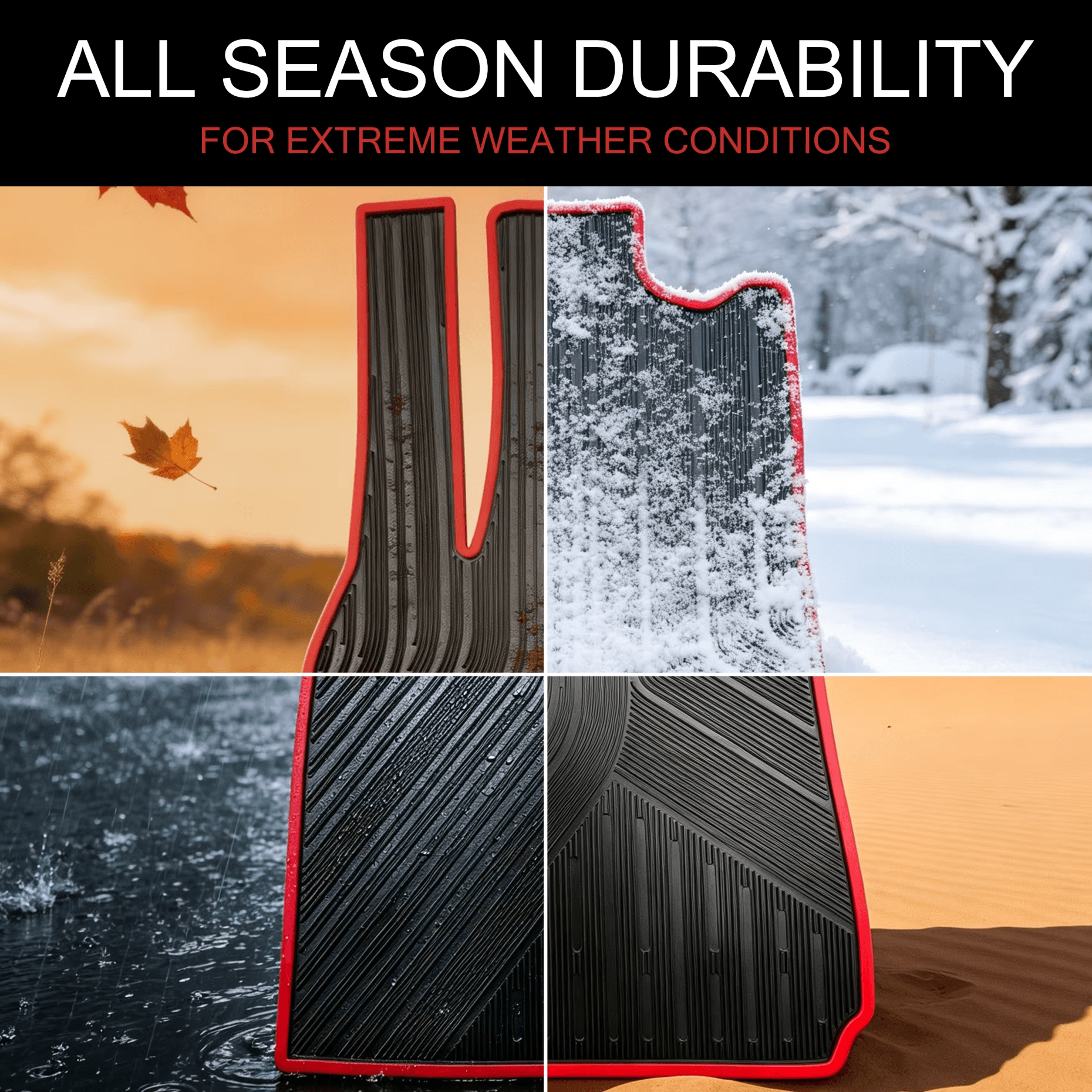
When winter arrives or the rainy season sets in, the interior of your vehicle faces constant threats from moisture, mud, and debris. Every time you step inside after walking through slush or a downpour, you carry water and contaminants directly onto your vehicle's flooring. Without adequate protection, this repeated exposure leads to soaked carpet fibers, rust formation on the floorboard metal, persistent mold growth, and long-term degradation of your interior. waterproof car floor mats are purpose-engineered to interrupt this cycle entirely, creating a reliable barrier between your footwear and the materials that keep your cabin clean, dry, and structurally intact.
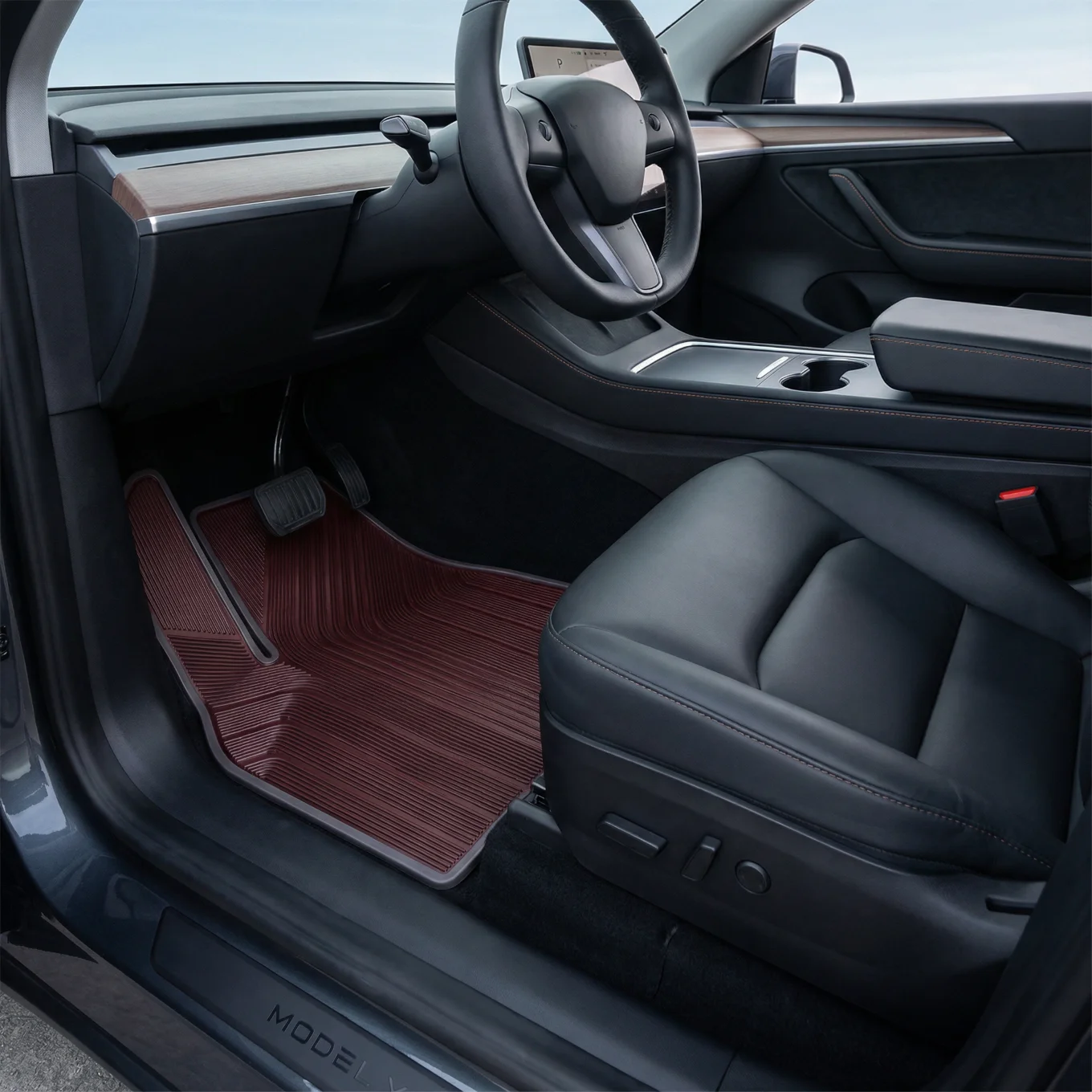
Understanding exactly how waterproof car floor mats achieve this level of protection requires a closer look at their material science, structural design, and the specific mechanisms they use to contain melted snow, rainwater, and wet mud. This article breaks down the full protection process so that vehicle owners and fleet operators alike can make confident, well-informed decisions about their interior care strategy. Whether you drive in heavy snowfall climates or regions with frequent rainfall, knowing how these mats work gives you practical clarity on why they are not just a comfort accessory but a functional investment in your vehicle's longevity.
The Physical Mechanism Behind Waterproof Containment
How Raised Edge Design Traps Liquid at the Source
One of the most critical structural features of high-performance waterproof car floor mats is the raised lip or perimeter wall that runs along the edges of each mat. This raised border acts as a containment barrier, preventing water from flowing off the mat surface and seeping underneath toward the bare carpet or floorboard. When melted snow drips from boots or clothing, the liquid pools on the mat's recessed surface rather than spreading freely across the floor. This controlled containment is not accidental — it is a deliberate engineering choice designed for high-moisture environments.
The height of these raised edges typically ranges from a few millimeters to over an inch depending on product design, with deeper channels providing greater volume capacity. This is especially important in regions where heavy snowfall produces large quantities of melt water inside the vehicle during even short commutes. Drivers who live in northern climates or mountainous regions benefit most from this feature because the volume of moisture tracked inside can be substantial on a daily basis. Waterproof car floor mats with deeper reservoir channels are engineered specifically to handle this kind of high-load moisture exposure without overflow.
Beyond snow, this same raised-edge mechanism handles rainwater just as effectively. When wet footwear or umbrellas enter the cabin and release water, the mat catches and retains it in the designated reservoir zone. The result is that the surrounding fabric, carpet, and structural components of the floor remain dry even after prolonged wet-weather use. Over time, this prevents the kind of moisture saturation that leads to mildew odor, foam layer degradation, and carpet staining that significantly reduces resale value.
Non-Porous Surface Materials That Repel Absorption
The surface layer of waterproof car floor mats is constructed from non-porous materials such as thermoplastic elastomer (TPE), high-density polyethylene (HDPE), or reinforced rubber compounds. Unlike traditional textile floor mats that absorb moisture into their fibers, these materials are inherently impermeable. Water, mud slurry, and dissolved road salt cannot penetrate the surface — they remain on top until the mat is removed and cleaned. This property is fundamental to why these mats provide genuine waterproof protection rather than just water resistance.
The non-porous surface also means that chemical contaminants from road de-icing agents and salty slush are prevented from reaching the bare metal floorboard. Road salt is particularly aggressive in causing corrosion, and any prolonged contact between salt-laden moisture and exposed metal leads to rust formation that can compromise structural integrity over time. Waterproof car floor mats create a physical and chemical barrier that eliminates this contact entirely. For vehicle owners in regions where road salting is common during winter months, this corrosion protection alone represents significant cost savings in long-term maintenance.
Additionally, the smooth or textured non-porous surface makes cleaning fast and straightforward. A simple rinse or wipe removes the accumulated melt water, salt, and mud, restoring the mat to a clean state without any lingering moisture or staining. This ease of maintenance reinforces the mat's protective function over repeated seasonal cycles, maintaining its performance integrity without the need for replacement or deep cleaning treatments typically required for fabric mats.
Custom Fit and Full Floor Coverage as a Protection Strategy
Why Precision Fit Prevents Moisture from Bypassing the Mat
A common failure point in vehicle floor protection is a mat that does not conform precisely to the contours of the floorboard. When gaps exist between the mat and the floor edges, water naturally migrates into those spaces through capillary action or simple overflow. Generic, one-size-fits-all mats often leave exposed areas near door sills, center console bases, or under-seat regions where moisture can accumulate unnoticed. Precision-cut waterproof car floor mats eliminate this vulnerability by matching the exact three-dimensional shape of the vehicle's floor design.
Custom-fit mats are developed using precise vehicle-specific measurements that account for every contour, elevation change, and obstacle on the floor surface. This means the mat lies flat without buckling, folding, or shifting, which would otherwise create pockets where water could collect against the original carpet. The snug perimeter fit also ensures that the raised edges are positioned correctly against door sills and console walls, maximizing the containment zone. For models with complex floor geometries — such as electric vehicles with flat battery-pack floors or SUVs with irregular center tunnel profiles — this precision fit is particularly important.
From a practical standpoint, a properly fitted waterproof car floor mat also prevents the mat itself from sliding under pedal mechanisms, which is a safety concern with ill-fitting alternatives. Anti-slip anchor systems, often integrated as nibs or retention hooks on the underside of quality mats, work in conjunction with the custom shape to keep the mat securely in position. Together, these features ensure that the mat provides consistent, full-coverage protection regardless of movement inside the cabin.
Full Cabin Coverage Including Rear and Cargo Areas
Protection against melted snow and rain does not stop at the driver's footwell. Passengers entering rear seats bring in just as much moisture, and in family vehicles or ride-share cars, the rear floor area receives heavy use throughout wet seasons. Comprehensive waterproof car floor mats are designed as a complete set that covers both front and rear seating zones, ensuring that no section of the floor is left exposed to moisture infiltration. This full-cabin approach is what separates a truly protective solution from a partial one.
Cargo area liners, which function on the same waterproof principles as floor mats, extend this protection into the trunk or cargo zone. When wet groceries, sports equipment, or luggage are loaded into the vehicle during rain, the cargo liner absorbs the overflow and prevents it from soaking into the trunk carpet. In SUVs and crossovers where the cargo area is part of the passenger cabin, this continuity of coverage is particularly valuable. Waterproof car floor mats and matching cargo liners used together provide a seamless moisture management system for the entire vehicle interior.
Fleet managers operating vehicles in service industries, delivery sectors, or outdoor work applications understand this holistic approach well. Ensuring that every interior surface has appropriate waterproof protection reduces long-term reconditioning costs and preserves vehicle resale value. The upfront investment in a full set of properly fitted waterproof car floor mats pays dividends over the full ownership lifecycle of the vehicle.
Protection Against Long-Term Interior Damage
Preventing Mold, Mildew, and Odor Development
Moisture trapped within automotive carpet fibers creates ideal conditions for mold and mildew growth. These microorganisms thrive in dark, damp environments with limited airflow — exactly the conditions present in a vehicle's floor cavity when moisture seeps past inadequate matting. Once established, mold colonies produce persistent musty odors that are extremely difficult to eliminate without professional remediation involving complete carpet removal and treatment. Waterproof car floor mats prevent this problem from developing by ensuring that moisture never reaches the underlying carpet in the first place.
The speed at which mold develops in wet automotive carpet depends on temperature, humidity, and the duration of exposure. In warmer climates, mold can begin to establish within 24 to 48 hours of moisture saturation. In vehicles that sit overnight with wet floors — common during winter commuting seasons — even a single unprotected incident can initiate long-term microbial contamination. Waterproof car floor mats interrupt this chain of events immediately upon installation, creating a dry-surface environment that denies mold the moisture it needs to grow.
For allergy-sensitive drivers and passengers, the prevention of mold and mildew growth inside the vehicle is a significant health benefit alongside the structural protection. Vehicles that remain free from interior mold also retain a much more favorable air quality profile, which matters in enclosed cabin environments where ventilation is limited during cold weather when windows remain closed. This health and hygiene dimension reinforces why waterproof car floor mats are considered a practical necessity rather than an optional upgrade in wet-climate regions.
Guarding Against Rust and Floorboard Corrosion
Beneath the carpet layer of most vehicles lies a metal floorboard that forms part of the vehicle's structural chassis. This metal is typically coated with anti-corrosion treatments during manufacturing, but these coatings are not impervious to prolonged contact with salt-laden moisture. When melted snow carrying road salt seeps through inadequate floor protection and remains in contact with the floorboard metal, the corrosion process begins. Rust formation weakens the structural integrity of the floor and, in advanced cases, can create holes that compromise both safety and resale value.
Waterproof car floor mats act as the primary defense layer against this corrosion mechanism. By keeping all moisture on the mat surface rather than allowing it to penetrate downward, these mats ensure that the floorboard metal remains dry even during the most challenging winter or rainy-season driving conditions. This is particularly relevant for older vehicles where original factory corrosion protection has already degraded, and for owners of vehicles that will be operated in salted road conditions throughout multiple winters.
Rust remediation on vehicle floors is among the most expensive interior restoration procedures, often requiring metal patching, professional treatment, and full carpet replacement. Preventing rust from developing through the consistent use of waterproof car floor mats is substantially more cost-effective and far less disruptive than addressing it reactively after damage has occurred. This preventive function is central to the long-term value proposition of quality waterproof floor protection.
Material Durability and Seasonal Performance Expectations
How Material Composition Determines Cold-Weather Performance
Not all waterproof car floor mats perform equally across temperature ranges. In extreme cold, some rubber compounds stiffen and crack, losing their form-fitting properties and developing surface micro-fractures that compromise waterproof integrity. High-quality TPE-based mats are specifically formulated to remain flexible and dimensionally stable at temperatures well below freezing. This cold-weather flexibility ensures that the mat maintains full contact with the floor contours even during the coldest months, when protection against melted snow is most critical.
During the transition between cold and warm weather, the expansion and contraction cycles that mats undergo can reveal weaknesses in lower-grade materials. Quality waterproof car floor mats are engineered to tolerate these thermal cycles without warping, delaminating, or losing structural integrity. This means the mat continues to provide effective protection season after season without requiring replacement due to material fatigue. For vehicle owners who keep their cars for multiple years, this durability directly reduces the total cost of interior protection over the ownership period.
Heat resistance is equally important for year-round use. During summer months, vehicle interiors can reach extremely high temperatures that cause inferior materials to off-gas chemicals, warp, or discolor. Premium waterproof car floor mats retain their shape, color stability, and surface properties across the full spectrum of seasonal temperature variation. This all-weather performance consistency is what qualifies them as genuine all-season protection solutions rather than winter-only accessories.
Surface Texture and Grip Design for Wet Conditions
The upper surface texture of waterproof car floor mats serves a dual purpose: it provides traction for occupants while also managing how liquids behave on the mat's surface. Textured patterns — including diamond grids, ribbed channels, or custom geometric designs — create micro-drainage pathways that direct water toward the reservoir zone rather than allowing it to pool randomly on the surface. This active liquid management keeps the surface safer underfoot while maximizing the mat's containment capacity during heavy moisture events.
The anti-slip surface is particularly important for driver-side mats where foot positioning near pedals demands consistent grip. When footwear is wet from rain or snow, a smooth mat surface can create hazardous slipping conditions that affect pedal control. Waterproof car floor mats with purposely engineered surface textures maintain grip even under wet conditions, combining safety function with waterproof protection in a single design element. This is a meaningful distinction from simple rubber liners that may be waterproof but lack the surface engineering for safe wet-weather use.
The underside grip design is equally considered in quality mat engineering. Nodule or nib patterns on the bottom surface grip the original carpet without damaging it, preventing the mat from shifting forward or backward under foot pressure. This stability ensures that the raised edges remain positioned correctly at all times, maintaining the containment geometry that makes waterproof car floor mats effective in real-world driving conditions.
FAQ
How do waterproof car floor mats differ from standard rubber mats?
Standard rubber mats provide a basic water-resistant surface but typically lack the raised containment edges, precision custom fit, and advanced material formulation that define true waterproof car floor mats. Waterproof versions are engineered with higher perimeter walls, non-porous TPE or HDPE materials, and vehicle-specific contouring that together prevent moisture from reaching the underlying carpet or floorboard under high-moisture conditions like heavy snowmelt or prolonged rain exposure.
Can waterproof car floor mats protect against road salt damage specifically?
Yes. Waterproof car floor mats are one of the most effective defenses against road salt damage to vehicle interiors. By containing salt-laden melt water on the mat surface rather than allowing it to penetrate to the floorboard metal, these mats prevent the corrosive chemical reaction that salt initiates on bare metal. Regular removal and rinsing of the mats during winter months ensures that salt buildup is cleared away before it can concentrate and cause any localized damage.
How often should waterproof car floor mats be cleaned during rainy or snowy seasons?
During peak wet seasons, it is advisable to remove and clean waterproof car floor mats at least once a week, or more frequently if the vehicle is used daily in heavy rain or snowfall. The cleaning process is simple — remove the mats, rinse them with water, wipe away residue, and allow them to dry before reinstalling. This regular maintenance routine ensures that the mats continue performing at full capacity and prevents any salt or mud accumulation from hardening on the surface.
Are waterproof car floor mats suitable for electric vehicles with flat floor profiles?
Absolutely. Many premium waterproof car floor mats are specifically designed for electric vehicles, which typically feature flatter, more open floor profiles compared to traditional combustion-engine vehicles. Custom-fit versions are manufactured to match the precise dimensions of specific EV models, ensuring complete coverage without gaps or misalignment. This makes them particularly well-suited for popular EV platforms where protecting the clean, minimalist interior from moisture damage is a high priority for owners.
Table of Contents
- The Physical Mechanism Behind Waterproof Containment
- Custom Fit and Full Floor Coverage as a Protection Strategy
- Protection Against Long-Term Interior Damage
- Material Durability and Seasonal Performance Expectations
-
FAQ
- How do waterproof car floor mats differ from standard rubber mats?
- Can waterproof car floor mats protect against road salt damage specifically?
- How often should waterproof car floor mats be cleaned during rainy or snowy seasons?
- Are waterproof car floor mats suitable for electric vehicles with flat floor profiles?