
 EN



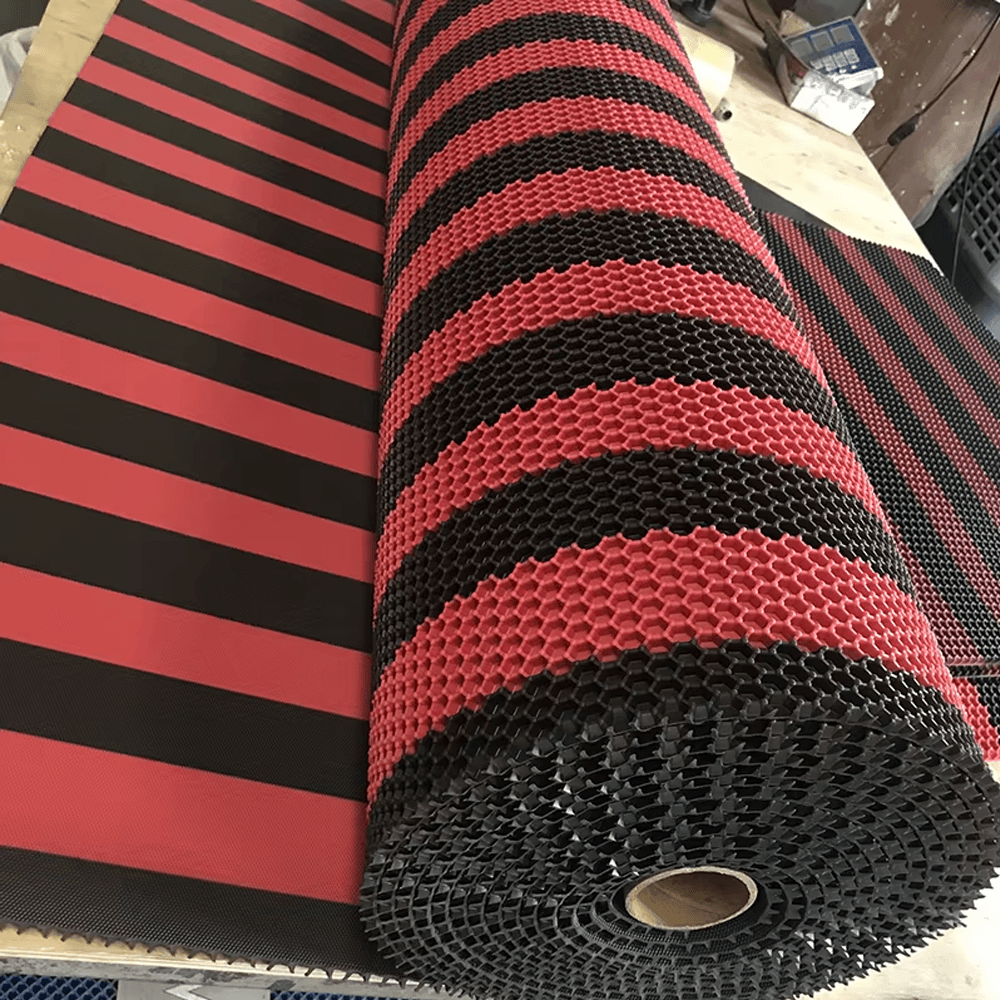
To clean car mats properly, four rules decide the outcome more than any product choice: remove the mat before cleaning, match the method to the material, treat stains by type rather than by scrubbing harder, and dry the mat fully before it goes back in the footwell. Most mats that "never come clean again" were cleaned with the wrong method or put back damp, not cleaned with a weak product.
This guide covers cleaning by material, stain removal by type, drying, and the four things that damage mats faster than dirt does.
Four rules before any product
First, take the mat out. Cleaning in place pushes grit into the carpet underneath and leaves the edges — where most of the dirt actually sits — untouched. Second, identify the material, because the same technique that rescues rubber will mat a carpet mat. Third, work from the least aggressive method upward; you cannot undo a scrubbed pile. Fourth, dry fully, flat, away from direct heat.
Everything below assumes the mat is out of the vehicle and the floor underneath has been vacuumed. That last step is not housekeeping: grit left under a mat grinds the backing and the carpet every time someone gets in.
Clean by material
| Material | Method | Tool | Dries in | Avoid |
|---|---|---|---|---|
| PVC | Rinse, then mild soapy water worked into the pattern with a brush | Stiff brush, then rinse | Hours, flat | Solvent cleaners, which soften the surface |
| TPE | Same as PVC, with less pressure; the surface is softer | Medium brush or cloth | Faster than PVC | High-pressure jets held close |
| Rubber | Rinse the channels out, then soap and brush along the channel direction | Stiff brush | Slowest of the solid materials | Leaving water standing in the channels |
| Carpet | Vacuum both sides first; then foam, not soaking water | Soft brush or upholstery tool | 24 hours or more | Soaking, scrubbing hard, machine washing |
| EVA foam | Wipe with a damp cloth and mild soap; do not saturate | Cloth or soft brush | Quickly, if not soaked | Pressing hard on the embossed pattern; heat |
The pattern matters as much as the polymer. A deep, open pattern holds grit in the bottoms of the cells and needs a brush to release it; a shallow closed pattern wipes clean but shows scuffs. Brush along the pattern rather than across it, and the dirt comes out with far less pressure.
Remove stains by type
Stains fail to come out because they are treated as one problem. Salt, oil, tar, gum and mildew need different approaches, and the wrong one sets the stain rather than lifting it.
| Stain | What works | What makes it worse |
|---|---|---|
| Road salt (white tide marks) | Warm water with a little vinegar, then rinse and dry flat | Scrubbing dry, which drives salt into the pattern |
| Oil and grease | Absorb first, then a degreasing soap; repeat rather than soak | Spreading it with a wet cloth before absorbing |
| Tar | Cold first — harden it, lift it off, then clean the residue | Warm water, which spreads it across the pattern |
| Chewing gum | Ice or a cold pack until brittle, then lift off | Solvent on a rubber or TPE surface, which can dull it |
| Mud | Let it dry, brush it off, then wash the remainder | Washing wet mud, which pushes silt into the pile |
| Mildew | Wash, then dry completely in air with airflow; treat the cause | Putting a damp mat back, which guarantees a repeat |
| Pet hair | Rubber glove or squeegee in one direction, then vacuum | Vacuuming first, which pushes hair deeper |
Drying is where mats are actually ruined
Most mat complaints trace back to moisture, not dirt. A mat put back damp keeps water against the vehicle carpet, and the smell that follows is not a cleaning failure — it is a drying failure.
Dry flat, in air, with airflow on both faces. Hang drying can deform a heavy rubber mat and leave a crease at the hang point. Direct sun and radiators harden PVC and can distort TPE, so keep heat indirect. Carpet mats need longest: a mat that feels dry on the face can still hold water in the backing, which is why an overnight dry is a minimum rather than a suggestion.
What never to do
Four habits damage mats faster than dirt. Bleach and chlorine-based cleaners discolour and embrittle most mat materials. A washing machine agitates a mat out of shape and can crack a rubber backing. A high-pressure washer held close strips pattern detail and can lift an edge; held at a distance it is fine for solid mats. And solvent-based cleaners soften PVC and dull TPE, which is why a mild soap outperforms them on a mat that is merely dirty.
How often, realistically
Shake out weekly, wash monthly, and do a full dry-and-detail at each season change. In a wet or snowy climate, treat salt removal as a weekly task during the season rather than a spring clean — salt sitting in a pattern for three months is what produces the white tide marks that never fully come out.
Next step
If mats keep failing early — curling edges, stains that return, backing that stays damp — the cause is usually construction rather than cleaning. Our TPE roll range and PVC roll range show the materials and surface patterns available, EVA foam sheet covers the foam option, and the FAQ answers the maintenance questions buyers ask most. If you are specifying mats for a market with a long salt season, tell our team which climate they will be sold in.