
 EN
EN



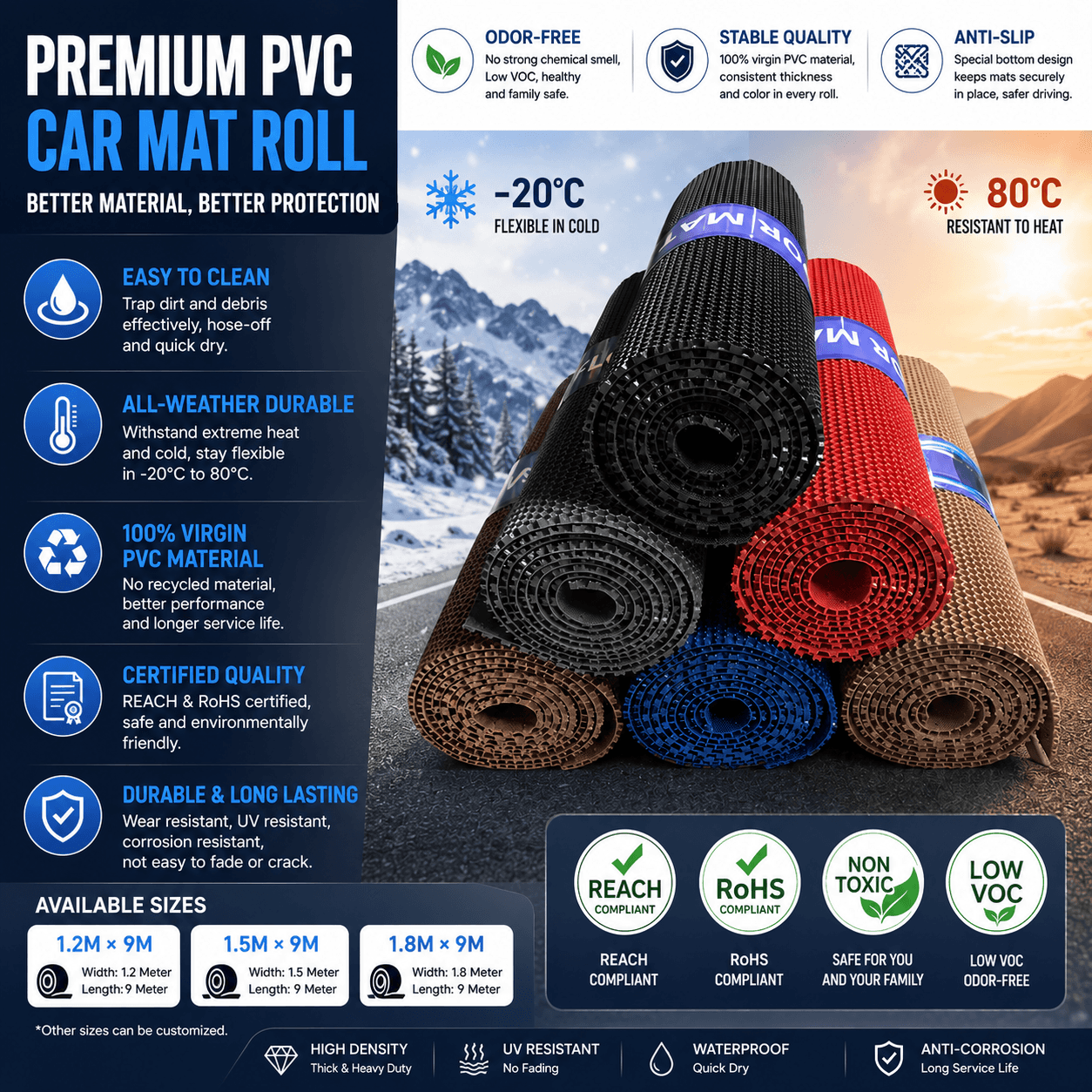
Drivers living in regions with extreme temperature fluctuations face unique challenges when selecting automotive interior accessories. The right car floor mats material can mean the difference between year-round protection and premature deterioration, unsafe driving conditions, and constant replacement costs. Whether you're navigating scorching desert summers exceeding 120°F or enduring Arctic winters plunging below -40°F, understanding how different materials perform under thermal stress is essential for maintaining vehicle value and passenger safety.
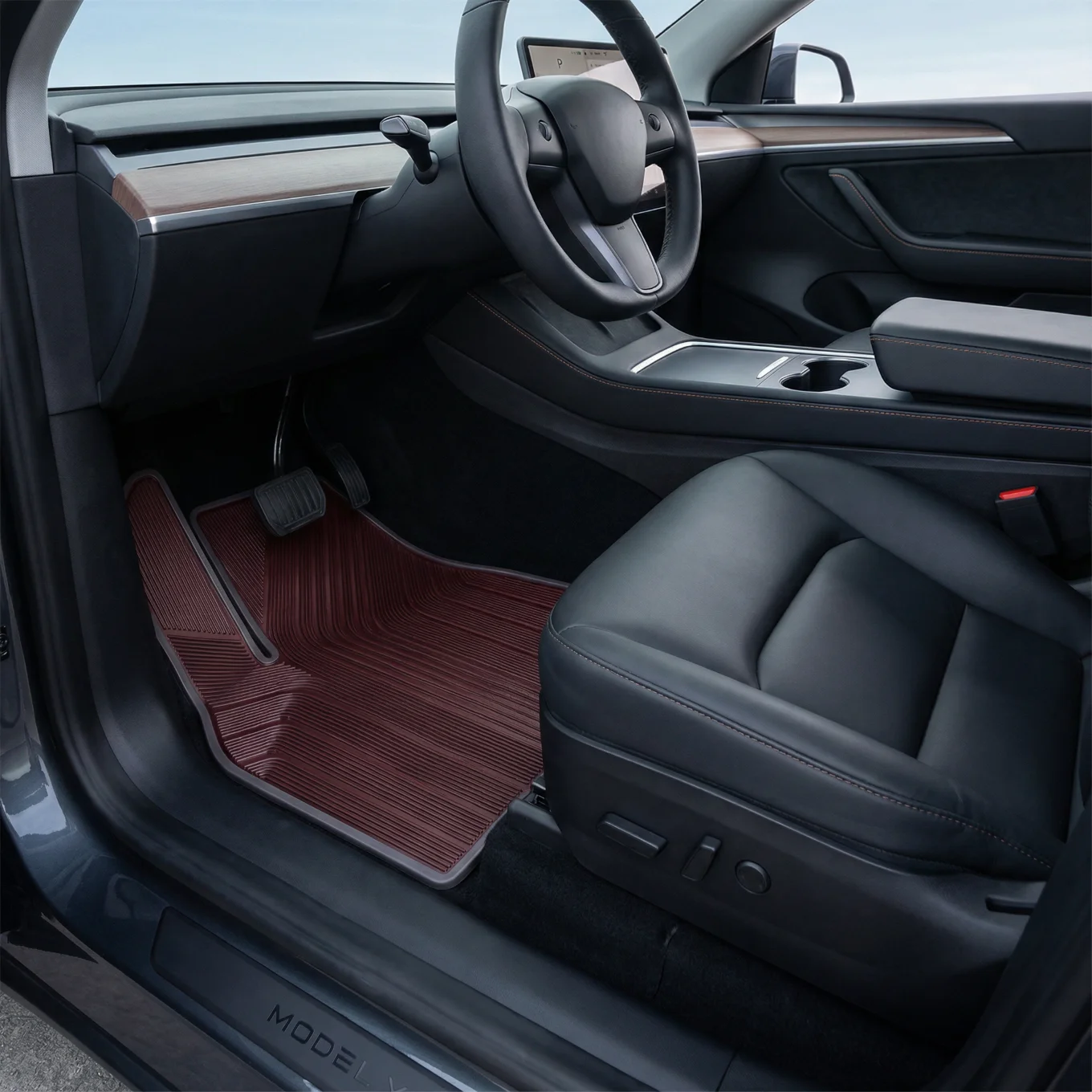
The automotive aftermarket offers numerous flooring material options, each engineered with specific performance characteristics. However, not all materials maintain structural integrity, flexibility, and protective qualities when subjected to thermal extremes. This comprehensive analysis examines the science behind material performance in harsh climates, evaluates how temperature cycles affect molecular structures, and identifies which car floor mats material compositions deliver reliable protection regardless of seasonal conditions. For vehicle owners in climates ranging from Canadian prairies to Arizona deserts, this guide provides the technical insight needed to make informed purchasing decisions.
Understanding Material Performance Under Thermal Extremes
How Temperature Affects Polymer Structures
The performance of any car floor mats material fundamentally depends on its polymer chain structure and how those molecular bonds respond to thermal energy. When temperatures rise, polymer chains gain kinetic energy, increasing molecular movement and potentially causing softening, warping, or complete structural failure. Conversely, extreme cold reduces molecular movement, often leading to brittleness, cracking, and loss of flexibility. Materials designed for climate extremes incorporate stabilizers and plasticizers that maintain optimal molecular behavior across wide temperature ranges.
Natural rubber compounds, for example, contain long hydrocarbon chains that become increasingly mobile at elevated temperatures. Without proper vulcanization and stabilizing additives, these chains can slide past one another, causing the material to become sticky, deform under pressure, or emit unpleasant odors. Quality manufacturers address this through cross-linking processes that create three-dimensional network structures, dramatically improving heat resistance. The glass transition temperature of a car floor mats material indicates the point at which it shifts from rigid to rubbery behavior, a critical specification for cold-climate performance.
Thermal Cycling and Material Fatigue
Perhaps more damaging than sustained extreme temperatures is the repeated expansion and contraction caused by daily and seasonal thermal cycling. A vehicle parked outdoors in Denver might experience interior temperatures ranging from -10°F at dawn to 140°F by afternoon during spring months. This constant cycling stresses material bonds, accelerates UV degradation, and exploits any manufacturing weaknesses. Premium car floor mats material formulations incorporate thermal stabilizers that minimize expansion coefficients and maintain dimensional stability throughout these cycles.
Materials with high thermal expansion coefficients will visibly warp, curl at edges, or develop permanent deformation over time. This not only compromises aesthetic appearance but also creates safety hazards when mats shift position and potentially interfere with pedal operation. Laboratory testing protocols for climate-resistant materials typically include hundreds of thermal shock cycles between temperature extremes to simulate years of real-world use. The car floor mats material that emerges from these tests without cracking, permanent deformation, or significant property changes demonstrates true climate versatility.
UV Radiation and Heat Synergy
Extreme heat rarely occurs in isolation from intense UV radiation exposure. Solar radiation at wavelengths between 290-400 nanometers carries sufficient energy to break polymer bonds, initiating photo-oxidative degradation. This process accelerates dramatically at elevated temperatures, creating a synergistic effect where heat and UV exposure compound each other's destructive impact. A car floor mats material lacking adequate UV stabilizers will fade, become brittle, and develop surface cracking within a single summer in high-altitude or southern climates.
Advanced material formulations incorporate carbon black, hindered amine light stabilizers, and UV absorbers that protect polymer chains from photodegradation. These additives work by either absorbing harmful UV wavelengths before they reach vulnerable bonds or by neutralizing free radicals generated during the oxidation process. The effectiveness of these protective systems directly correlates with material longevity in climates combining extreme heat with high solar intensity, such as the southwestern United States or Australian outback regions.
Evaluating Material Categories for Climate Resilience
Thermoplastic Polyolefin Performance Characteristics
Thermoplastic polyolefin compounds represent one of the most climate-versatile car floor mats material options available today. These materials combine polypropylene or polyethylene base polymers with rubber modifiers, creating a hybrid structure that balances rigidity with flexibility. TPO formulations designed for automotive applications typically maintain flexibility down to -40°F while resisting deformation at temperatures exceeding 180°F. This remarkable temperature range makes them ideal for vehicles experiencing extreme seasonal variations.
The molecular architecture of quality TPO includes both crystalline and amorphous regions within the polymer matrix. Crystalline domains provide structural strength and heat resistance, while amorphous regions contribute flexibility and impact resistance at low temperatures. Manufacturing processes can adjust the ratio between these phases to optimize performance for specific climate profiles. A car floor mats material engineered for Canadian winters might emphasize amorphous content for cold flexibility, while formulations for desert climates prioritize crystalline structure for heat resistance and dimensional stability.
Synthetic Rubber Compound Advantages
Synthetic rubbers, particularly EPDM and nitrile-based compounds, offer exceptional performance across temperature extremes when properly formulated. These elastomeric materials maintain their characteristic flexibility and resilience throughout climate cycles that would destroy lesser materials. Premium synthetic rubber car floor mats material formulations remain pliable at temperatures as low as -60°F while resisting degradation at sustained temperatures approaching 200°F, covering virtually any climate condition encountered in passenger vehicles.
The vulcanization process used to cure synthetic rubber creates sulfur cross-links between polymer chains, forming a three-dimensional network that returns to its original shape after deformation. This elastic memory proves particularly valuable in extreme climates where mats must conform to floor contours in freezing conditions yet resist permanent compression from boots and cargo in summer heat. Modern synthetic rubber compounds incorporate antioxidants and antiozonants that protect against oxidative degradation accelerated by heat, ensuring the car floor mats material maintains its protective properties for years rather than months.
Why PVC and Vinyl Fall Short in Extremes
Despite their prevalence in economy-grade products, polyvinyl chloride and vinyl compounds generally perform poorly as car floor mats material in climates with significant temperature extremes. PVC becomes increasingly rigid as temperatures drop, with many formulations losing flexibility entirely below 32°F. This brittleness makes the material prone to cracking during cold-weather use, particularly along folded edges and high-stress areas. The addition of plasticizers can improve cold flexibility but often at the cost of heat resistance and long-term stability.
At elevated temperatures, PVC-based materials face different challenges. Plasticizers added to improve flexibility migrate to the surface over time, especially when heated, creating an oily film that attracts dirt and can transfer to shoes and clothing. This plasticizer migration also causes the material to become progressively stiffer and more brittle with age. Additionally, PVC generates concerning levels of volatile organic compounds when heated, creating unpleasant odors and potential health concerns. For these reasons, PVC represents a poor choice for car floor mats material in any climate experiencing temperature extremes, despite its low initial cost.
Critical Performance Factors Beyond Temperature Tolerance
Moisture Management in Temperature Extremes
The interaction between moisture and temperature creates additional challenges for car floor mats material selection. In cold climates, snow and ice melt tracked into vehicles create standing water that can freeze overnight, potentially bonding mats to carpet or creating ice formations that interfere with vehicle operation. Conversely, in hot humid climates, trapped moisture accelerates mold growth, creates foul odors, and can degrade both the mat material and underlying carpet. The ideal material must manage moisture effectively regardless of ambient temperature.
Advanced car floor mats material designs incorporate raised edge walls, channeling systems, and drainage points that contain liquids and facilitate evaporation. The material itself should be non-porous to prevent water absorption, which would increase weight, promote bacterial growth, and create freeze-thaw damage in cold climates. Surface textures should promote rapid water evaporation without creating slip hazards. Materials that maintain consistent surface properties across temperature ranges ensure reliable traction whether wet from melted snow or rain in tropical downpours.
Chemical Resistance Across Temperature Ranges
Automotive floor environments expose materials to diverse chemicals including road salts, de-icing compounds, petroleum products, and cleaning agents. The chemical resistance of any car floor mats material varies with temperature, as molecular mobility increases with heat, potentially allowing greater chemical penetration. Materials that resist road salt attack at -20°F must also withstand gasoline spills at 130°F without swelling, cracking, or discoloration.
Calcium chloride and magnesium chloride de-icing compounds prove particularly aggressive toward many polymer types, especially when combined with freeze-thaw cycling. These hygroscopic salts attract moisture, maintaining wet conditions that accelerate degradation. Quality car floor mats material formulations demonstrate resistance to salt-induced cracking, color fading, and loss of mechanical properties even after prolonged exposure. Similarly, materials must resist petroleum-based contaminants without softening or swelling, maintaining dimensional stability and protective function regardless of temperature conditions.
Retention System Integrity Under Thermal Stress
Even the most climate-resistant car floor mats material proves ineffective if retention systems fail under thermal extremes. Hook-and-loop fasteners, nibs, clips, and anchoring systems must maintain holding force throughout temperature ranges. Many adhesive-based retention systems lose effectiveness above 140°F as adhesive softens, while mechanical systems using plastic clips may become brittle and fracture in extreme cold. The retention system represents a critical but often overlooked aspect of climate suitability.
Premium mat designs employ retention systems engineered specifically for temperature extremes. Metal anchoring points resist both heat softening and cold brittleness while maintaining consistent holding force. Mechanical engagement systems using flexible, impact-resistant materials provide reliable retention without dependence on temperature-sensitive adhesives. When evaluating car floor mats material options for extreme climates, verify that retention systems have been tested across the same temperature range as the mat material itself to ensure complete system reliability.
Material Selection Guidelines for Specific Climate Profiles
Arctic and Subarctic Climate Requirements
Regions experiencing sustained temperatures below -20°F demand car floor mats material with exceptional cold-weather flexibility and impact resistance. When temperatures plunge to -40°F or below, many materials become glass-like in their rigidity, shattering rather than flexing when subjected to impact or folding. Drivers in Alaska, northern Canada, Scandinavia, and Siberia require materials specifically formulated for extreme cold performance, typically featuring high rubber content or specialized cold-resistant TPO blends.
Beyond low-temperature flexibility, arctic climate mats must manage the transition from frozen outdoor conditions to heated interior environments. This rapid temperature change can exceed 100°F within minutes, creating condensation and thermal shock. The car floor mats material must accommodate this transition without warping, cracking, or losing dimensional stability. Deep channeling and raised edges become essential features to contain the substantial moisture volume from melting snow and ice, while surface textures must provide traction even when partially frozen.
Desert and Arid Climate Considerations
Desert environments subject vehicles to sustained extreme heat, intense UV radiation, and dramatic day-night temperature swings. Interior temperatures in vehicles parked under direct sun routinely exceed 160°F in regions like Arizona, Nevada, Saudi Arabia, and Australia's interior. Under these conditions, inferior car floor mats material will warp, emit toxic fumes, become sticky to the touch, or completely lose structural integrity. Materials for these climates must prioritize heat resistance, UV stability, and minimal outgassing.
The car floor mats material formulation for desert climates should incorporate maximum UV stabilizer loading and heat-resistant polymer bases. Light colors reflect rather than absorb solar radiation, helping manage surface temperatures. Odor resistance becomes particularly important as elevated temperatures volatilize any residual manufacturing chemicals or low-quality additives. Additionally, materials must resist the fine dust and sand characteristic of arid environments, which can abrade surfaces and penetrate material structures. Non-porous, smooth-yet-textured surfaces facilitate cleaning while maintaining protective function throughout intense heat exposure.
Continental Climate Versatility Requirements
Perhaps the most demanding climate profile for car floor mats material involves regions experiencing both extreme cold and extreme heat across annual cycles. Continental climates found in the central United States, central Europe, and parts of Asia subject vehicles to winter lows below -30°F and summer highs exceeding 110°F. Materials must perform flawlessly across this 140+ degree range while enduring hundreds of thermal cycles annually.
This climate versatility demands premium material engineering that balances seemingly contradictory properties. The polymer must remain flexible when frozen yet dimensionally stable when heated. It must resist both ice-melt chemicals and summer UV exposure. Surface properties must provide traction whether covered in snow, mud, or dust. Only the highest-quality synthetic rubber and advanced TPO formulations successfully meet these comprehensive requirements, making material selection particularly critical for continental climate vehicle owners. The initial investment in superior car floor mats material pays dividends through years of reliable performance rather than seasonal replacement of inferior products.
Long-Term Value and Performance Economics
Calculating True Ownership Costs
While premium climate-resistant car floor mats material commands higher initial prices, total ownership cost analysis reveals significant economic advantages over economy alternatives. A quality mat designed for temperature extremes typically provides 5-7 years of service in harsh climates, while budget options often require replacement annually or even seasonally. When purchase price is amortized over actual service life, premium materials frequently cost less per year while delivering superior protection throughout their lifespan.
Beyond replacement frequency, inferior materials impose hidden costs through accelerated wear on vehicle carpeting, diminished resale value, and potential safety hazards from mat shifting or pedal interference. The carpet protection provided by quality car floor mats material prevents staining, wear, and moisture damage that can reduce vehicle resale value by hundreds or thousands of dollars. For fleet operators in extreme climates, material selection directly impacts maintenance budgets, vehicle downtime, and total cost of ownership across vehicle lifecycles.
Performance Degradation Curves
Understanding how different car floor mats material options degrade over time in extreme climates helps inform purchasing decisions. Budget materials typically exhibit rapid initial degradation, losing 30-40% of their protective properties within the first year of harsh climate exposure. This degradation curve accelerates over time as UV damage, thermal cycling, and chemical exposure create cumulative damage. By year two or three, these materials often provide minimal protection and may actually pose safety risks.
In contrast, premium materials engineered for climate extremes demonstrate flat degradation curves, maintaining 90%+ of their original properties for three to five years before gradually declining. This sustained performance results from stabilizer systems that continue protecting polymer structures throughout the material's service life, not just initially. When evaluating car floor mats material options, request accelerated aging test data showing property retention after simulated years of climate exposure. Materials maintaining flexibility, color stability, and dimensional accuracy through these tests justify their premium pricing through extended reliable service.
Environmental and Health Considerations
Climate-resistant car floor mats material formulations increasingly address environmental and health concerns alongside performance requirements. Low-quality materials subjected to temperature extremes release volatile organic compounds, plasticizers, and other chemicals into vehicle interiors. These outgassing products create unpleasant odors and potential health concerns, particularly during hot weather when volatilization accelerates. Premium materials utilize stable, low-VOC formulations that maintain air quality regardless of temperature conditions.
From an environmental perspective, durable car floor mats material that provides years of service rather than requiring frequent replacement reduces waste and resource consumption. Some manufacturers now offer materials incorporating recycled content without compromising climate performance, addressing sustainability concerns. End-of-life recyclability represents another emerging consideration, with thermoplastic materials generally offering advantages over thermoset rubbers. As climate consciousness grows alongside climate extremes, materials balancing performance, health safety, and environmental responsibility represent the future of automotive floor protection.
FAQ
What happens to car floor mats in extreme heat above 140°F?
In extreme heat above 140°F, low-quality car floor mats material begins experiencing molecular breakdown. Inferior materials may soften and deform under pressure, losing their original shape permanently. Plasticizers migrate to the surface, creating sticky or oily residues. UV degradation accelerates rapidly at these temperatures, causing fading, brittleness, and surface cracking. Premium materials engineered for heat resistance maintain structural integrity, dimensional stability, and protective function even when interior temperatures exceed 160°F through the use of heat-stable polymers, UV stabilizers, and minimal plasticizer content.
Can TPO car mats withstand both desert heat and arctic cold?
Yes, properly formulated thermoplastic polyolefin car floor mats material demonstrates excellent performance across extreme temperature ranges. Quality TPO compounds maintain flexibility at temperatures down to -40°F while resisting deformation at temperatures exceeding 180°F. This versatility results from the balanced molecular structure combining crystalline domains for heat resistance with amorphous regions providing cold flexibility. However, not all TPO formulations offer equal climate performance, so verification of specific temperature ratings and accelerated aging test results is essential when selecting mats for climates experiencing both extremes.
How long do climate-resistant floor mats last compared to standard mats?
Climate-resistant car floor mats material typically delivers 5-7 years of reliable service in extreme temperature environments, compared to 1-2 years for standard economy materials. This extended lifespan results from stabilizer systems that protect against UV degradation, thermal cycling fatigue, and chemical attack. Premium materials maintain their protective properties, dimensional stability, and appearance throughout their service life rather than rapidly degrading. While initial costs run 2-3 times higher than budget alternatives, the extended service life and superior protection make climate-resistant materials more economical over time, particularly when considering prevention of carpet damage and preservation of vehicle resale value.
Do rubber or plastic materials perform better in temperature extremes?
Neither rubber nor plastic as broad categories definitively performs better in temperature extremes as car floor mats material. Performance depends entirely on specific formulation rather than general material class. Premium synthetic rubber compounds like EPDM offer exceptional flexibility across temperature ranges and excellent weather resistance. Advanced thermoplastic polyolefin formulations provide similar temperature performance with advantages in manufacturing precision and recyclability. Low-quality versions of either material type fail under climate stress. The key is selecting materials specifically engineered and tested for temperature extremes, regardless of whether they are technically classified as rubber or thermoplastic, with verification through documented performance specifications rather than material category alone.