
 EN
EN



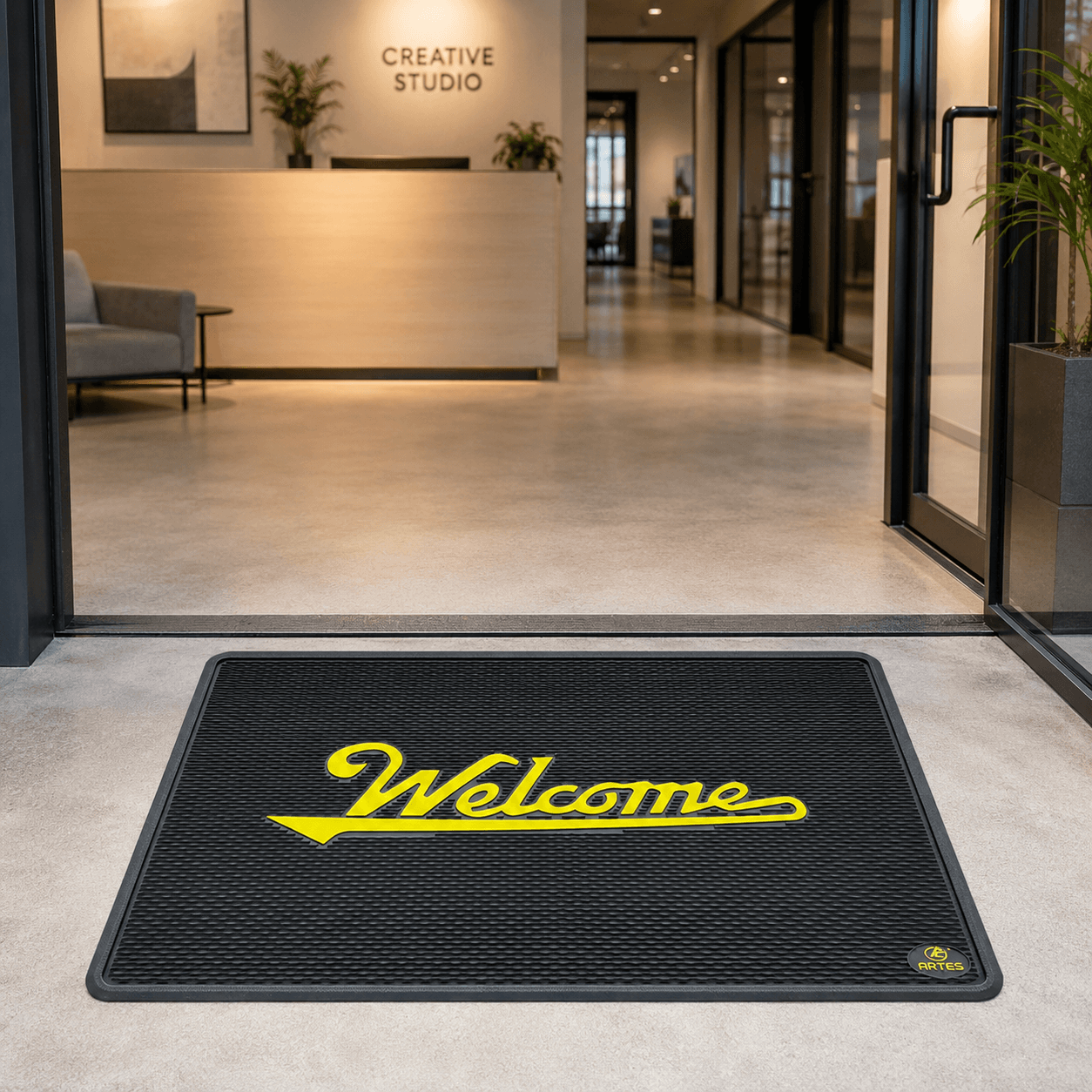
Every time someone enters your home, they bring more than just themselves through the door. Shoes collect dirt, moisture, allergens, and debris from outdoor surfaces, and without an effective barrier, these contaminants spread throughout your living spaces. A durable door mat serves as your home's first line of defense, capturing dirt particles before they reach your floors and furnishings. Understanding how this simple household item functions to minimize tracked-in dirt reveals why investing in quality entrance matting is essential for maintaining cleaner indoor environments and reducing long-term cleaning burdens.
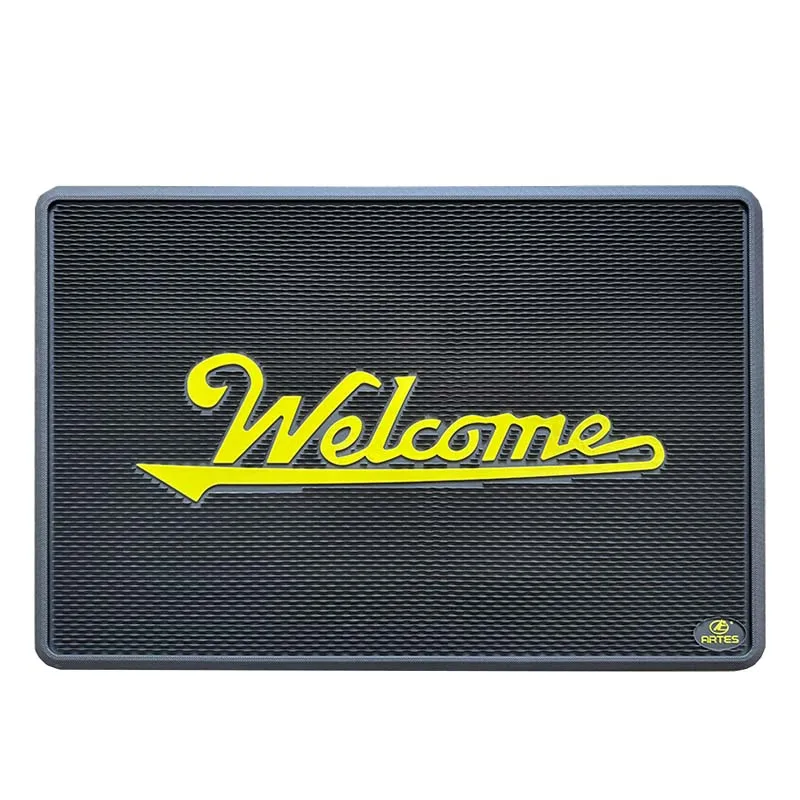
The mechanism behind dirt reduction involves both mechanical trapping and behavioral conditioning. When foot traffic crosses a properly designed entrance mat, the surface material engages with shoe treads to dislodge and capture particles. Simultaneously, the presence of matting creates a visual and tactile cue that encourages people to wipe their feet consciously. This dual-action process becomes significantly more effective when the mat construction emphasizes durability, as only materials that withstand repeated use maintain their dirt-trapping capabilities over time. The relationship between mat longevity and cleaning effectiveness directly impacts how much dirt ultimately enters your home.
The Science Behind How Durable Door Mats Trap and Contain Dirt
Physical Dirt Capture Through Material Design
The effectiveness of a durable door mat begins with its construction materials and surface architecture. High-quality mats feature textured surfaces with varied heights and densities that create multiple points of contact with shoe soles. As feet press down during entry, these contact points physically dislodge dirt particles embedded in tread patterns. The loosened debris then falls into the mat's lower layers or gets trapped between surface fibers. Materials like rubber, dense synthetic fibers, and natural coir each offer distinct trapping mechanisms, but durability determines whether these structures maintain their geometry after thousands of foot strikes.
A durable door mat constructed with resilient backing prevents the mat from compressing permanently under repeated pressure. When mats flatten or lose their structural integrity, the depth differential that allows dirt to fall away from foot level disappears. The mat essentially becomes a hard surface that dirt can easily bounce off or be carried across. Premium construction methods ensure the scraping surfaces remain elevated and the collection zones remain recessed, preserving the vertical separation that makes dirt capture possible throughout the mat's service life.
Moisture Absorption and Dirt Binding
Wet shoes present a different challenge than dry ones, as moisture acts as an adhesive that helps dirt cling to surfaces and spread more readily. A durable door mat addresses this through materials with moisture-wicking properties that pull water away from shoe soles. As the mat absorbs moisture, it simultaneously captures the dirt particles suspended in that water. The binding effect keeps these contaminants contained within the mat structure rather than allowing them to transfer to interior floors. This moisture management becomes particularly critical during rainy seasons or in climates with frequent precipitation.
The durability factor here relates directly to moisture resistance and drying capability. Mats that retain water excessively become saturated quickly and lose their absorption capacity, essentially spreading moisture and dirt rather than containing them. A durable door mat incorporates materials and backing systems that resist mold, mildew, and degradation from repeated wet-dry cycles. Rubber backing with drainage features allows water to escape from the bottom while preventing seepage, maintaining the mat's dirt-trapping efficiency regardless of weather conditions. This sustained performance over seasons separates effective entrance solutions from temporary fixes.
Behavioral Prompting Through Visual and Tactile Cues
Beyond mechanical dirt removal, a durable door mat influences human behavior in ways that reduce dirt tracking. The visual presence of matting at entryways creates a subconscious signal to pause and wipe feet before entering. This psychological cueing becomes even stronger when the mat's appearance conveys quality and intentionality rather than looking worn or temporary. People naturally respond more conscientiously to entrance systems that appear purposeful and well-maintained, making the durability of the mat a factor in behavioral compliance.
The tactile feedback from stepping onto a substantial, well-constructed mat reinforces the wiping behavior. When a durable door mat provides firm, textured resistance underfoot, users instinctively engage in the scraping motion that removes dirt. Thin, flimsy mats fail to create this sensory engagement, and people often walk across them without adjusting their gait or applying the pressure needed for effective cleaning. The physical substance of a durable entrance mat transforms a passive crossing into an active dirt-removal process, multiplying the cleaning effect with each footstep.
Material Properties That Enable Long-Term Dirt Reduction Performance
Resilient Fiber Systems and Surface Integrity
The longevity of dirt-trapping performance depends fundamentally on fiber resilience. A durable door mat utilizes materials that spring back to their original position after compression, ensuring the scraping surfaces remain effective over extended periods. Synthetic fibers engineered for high abrasion resistance maintain their texture despite constant foot traffic, while natural materials like coir offer rigid bristles that retain shape through mechanical strength. The selection of fiber type influences both immediate cleaning effectiveness and how long that effectiveness persists under real-world use conditions.
Surface integrity degradation represents the primary failure mode for entrance matting. As fibers break down, mat surfaces smooth out and lose the aggressive texture needed to engage shoe treads. A durable door mat counters this through fiber density, material strength, and construction techniques that distribute wear across the entire surface. Tufted mats with reinforced backing prevent fiber pull-out, while molded rubber designs incorporate texture directly into the material itself. This structural approach to durability ensures that the dirt-removal mechanism remains intact throughout the product's service life rather than diminishing progressively.
Backing Systems and Positional Stability
A mat that slides or bunches under foot traffic creates safety hazards and fails to provide consistent dirt removal. The backing system of a durable door mat anchors it firmly in position, ensuring every footstep engages with the cleaning surface rather than displacing the mat. Non-slip rubber or latex backing creates friction against floor surfaces, while weight and construction stiffness resist the forward push of entering foot traffic. This stability allows users to apply pressure during the wiping motion without the mat shifting, maximizing dirt transfer from shoes to mat.
Backing durability also determines how long the mat remains functional in its intended location. Cheap backing materials deteriorate when exposed to moisture, temperature fluctuations, and the mechanical stress of foot traffic. As backing degrades, it may leave residue on floors, lose its grip, or separate from the surface layer entirely. A durable door mat incorporates backing materials resistant to these environmental factors, maintaining positional stability and structural integrity over years rather than months. This long-term reliability ensures consistent dirt reduction performance without the need for frequent replacement or repositioning adjustments.
Cleanability and Contamination Management
The most effective dirt-trapping mat eventually becomes saturated with the debris it captures. Without proper cleanability, accumulated dirt reduces the mat's capacity to accept additional contamination, eventually causing it to release particles back onto shoes and floors. A durable door mat incorporates design features that facilitate cleaning, including removable components, washable materials, or construction that allows thorough shaking and vacuuming. The ease of maintenance directly affects how consistently the mat performs its dirt-reduction function over time.
Material selection influences both dirt retention during use and release during cleaning. Some durable door mat constructions trap particles so effectively that they resist releasing them even during aggressive cleaning, while others allow dirt to fall away easily when the mat is lifted or beaten. The ideal balance captures dirt from shoes but releases it readily during maintenance procedures. Mats with open backing structures allow dirt to fall through and accumulate beneath, where it can be swept away, while solid-backed designs contain debris within the mat itself for later removal. Understanding these contamination management characteristics helps optimize cleaning routines and sustain dirt-reduction performance.
Strategic Placement and Sizing for Maximum Dirt Interception
Entry Point Coverage and Walking Distance Requirements
The dirt reduction capability of any mat relates directly to how much foot contact it receives before traffic reaches interior floors. Research in commercial facility management indicates that effective dirt removal requires approximately six to eight footsteps on properly designed matting. A durable door mat sized appropriately for this contact requirement captures significantly more dirt than undersized alternatives. For residential applications, this translates to mats measuring at least three to four feet in the direction of travel, ensuring multiple foot contacts for each person entering.
Placement strategy must account for approach angles, door swing patterns, and traffic flow dynamics. A durable door mat positioned too close to the door may be partially covered when the door opens, reducing its effective surface area. Extending matting to cover the entire transition zone between exterior and interior surfaces maximizes dirt interception opportunities. In high-traffic households, considering dual-mat systems with an exterior scraping mat and an interior absorption mat creates layered defense that dramatically reduces tracked contamination. The durability of both components ensures this system remains effective rather than degrading into a single point of failure.
Environmental Condition Adaptation
Different climates and seasonal conditions place varying demands on entrance matting. A durable door mat effective in dry, dusty environments may require different characteristics than one serving a location with frequent rain or snow. Understanding the primary contamination sources in your specific environment allows optimization of mat selection and placement. Desert climates generate fine dust that requires dense fiber matting for capture, while wet climates demand superior moisture absorption and quick-drying properties to maintain functionality.
Seasonal variation may warrant rotating different mat types to address changing conditions. However, the investment in multiple specialized mats only makes economic sense when each demonstrates true durability. A single high-quality, durable door mat designed for all-weather performance often provides better value and more consistent dirt reduction than seasonal rotation of lower-quality alternatives. Features like drainage systems, UV resistance, and temperature stability enable year-round effectiveness, ensuring your entrance remains protected regardless of weather patterns or seasonal contamination types.
Integration With Overall Home Cleanliness Systems
A durable door mat functions most effectively as part of a comprehensive approach to home cleanliness rather than as an isolated solution. Positioning mats at all entrance points, including garage entries and back doors, creates a complete perimeter defense against dirt infiltration. Interior matting in transitional spaces like mudrooms provides additional capture points for particles that bypass the primary entrance mat. This systematic approach recognizes that dirt reduction is cumulative, with each intervention point removing a percentage of contamination and dramatically reducing what reaches living spaces.
The durability requirement extends across all components of this system. A weak link in your entrance matting network undermines the entire strategy, as dirt that passes one poorly performing mat spreads throughout the home regardless of other precautions. Investing in uniformly durable door mat solutions at all entry points ensures consistent performance across your entire defense perimeter. This comprehensive durability creates compound benefits, as each mat maintains its effectiveness without requiring different replacement schedules or maintenance routines, simplifying overall home care while maximizing dirt reduction outcomes.
Economic and Health Benefits of Sustained Dirt Reduction
Flooring Protection and Maintenance Cost Reduction
Tracked dirt accelerates wear on all flooring types through abrasive action. Fine particles act as sandpaper between shoe soles and floor surfaces, gradually degrading finishes, scratching hardwoods, and wearing down carpet fibers. A durable door mat that effectively captures these abrasive particles before they reach interior floors extends flooring lifespan significantly. The economic value of this protection often exceeds the mat's purchase price many times over, as refinishing hardwood floors or replacing carpeting represents substantial expense compared to entrance matting investment.
Maintenance labor reduction constitutes another significant economic benefit. Homes with effective entrance matting require less frequent vacuuming, sweeping, and mopping because less dirt enters in the first place. This time savings accumulates daily, representing hours of avoided housework over months and years. For households that employ cleaning services, reduced dirt infiltration may allow less frequent service visits or shorter cleaning sessions, directly reducing recurring costs. The durability factor ensures these savings persist rather than diminishing as mats wear out, making the initial investment in quality matting economically rational from a lifecycle cost perspective.
Indoor Air Quality and Allergen Control
Dirt tracked into homes doesn't remain on floors indefinitely. Foot traffic, air movement, and daily activities aerosolize fine particles, distributing them throughout indoor air where they contribute to dust accumulation and respiratory exposure. A durable door mat reduces this contamination pathway by capturing particles at entry points before they can be dispersed. For households with allergy sufferers or respiratory sensitivities, this air quality improvement translates directly to health benefits and comfort enhancement.
The composition of tracked dirt includes more than inert soil particles. Pollen, mold spores, pesticide residues, and other biologics and chemicals present on outdoor surfaces enter homes on shoe soles. Effective capture at entry points reduces indoor exposure to these potentially problematic substances. A durable door mat maintains this protective function consistently, whereas degraded matting allows increasing contamination as performance declines. The health protection value of sustained dirt reduction performance makes durability not just an economic consideration but a wellness investment for household occupants.
Time Efficiency and Quality of Life Factors
Beyond direct cost savings, the time reclaimed from reduced cleaning requirements represents quality of life improvement. Hours not spent vacuuming, mopping, or spot-cleaning become available for productive work, recreation, or rest. A durable door mat that consistently minimizes dirt infiltration creates this time dividend continuously rather than temporarily. The cumulative effect over years becomes substantial, representing days or weeks of recovered time that would otherwise be consumed by cleaning tasks made necessary by inadequate entrance matting.
The psychological benefit of maintaining cleaner living spaces should not be underestimated. Visible dirt and the constant need for cleaning create stress and diminish satisfaction with home environments. Effective entrance matting that noticeably reduces tracked dirt contributes to a sense of home control and cleanliness that enhances daily living experience. The durability aspect ensures this psychological benefit persists rather than fading as mat performance degrades, making investment in long-lasting entrance solutions a contributor to sustained household satisfaction and wellbeing.
Selection Criteria for Maximizing Long-Term Dirt Reduction Performance
Evaluating Construction Quality and Material Specifications
Assessing a mat's potential durability requires looking beyond surface appearance to construction fundamentals. Fiber density, backing thickness, edge binding quality, and material specifications all indicate expected service life. A durable door mat typically features dense fiber fields with high face weight, meaning more material per square foot that can withstand wear. Backing should be substantial rubber or latex rather than thin vinyl, with even thickness across the entire mat. Bound or reinforced edges prevent fraying and structural failure at the mat's perimeter, where stress concentrates during use.
Material specifications often distinguish premium products from economy alternatives. UV-resistant materials maintain structural integrity and appearance despite sun exposure, particularly important for exterior or entryway locations with direct light. Temperature-stable compounds resist becoming brittle in cold or sticky in heat, maintaining consistent performance across seasonal extremes. Water-resistant or quick-drying materials ensure the mat remains functional during wet conditions rather than becoming saturated and ineffective. These specification details, though sometimes overlooked during purchase decisions, fundamentally determine whether a mat delivers sustained dirt reduction over years or requires frequent replacement.
Matching Mat Characteristics to Specific Use Conditions
Different households present different entrance matting challenges based on traffic volume, user behaviors, and environmental conditions. A home with multiple active children and pets requires more aggressive dirt capture and higher durability than a retired couple's residence. Geographic location influences contamination types, with sandy coastal areas, muddy rural properties, and urban environments each presenting distinct dirt profiles. A durable door mat optimized for your specific conditions outperforms generic solutions by addressing your actual contamination challenges rather than average scenarios.
Traffic volume estimation helps right-size durability requirements. High-traffic entrances used dozens of times daily demand commercial-grade durability even in residential applications, as the cumulative wear matches or exceeds light commercial use. Secondary entrances with occasional use may function adequately with less robust construction, though investing in uniform quality across all entry points ensures system-wide reliability. Honestly assessing your usage patterns and environmental challenges guides selection toward mats with appropriate durability levels, avoiding both over-investment in unnecessary robustness and under-investment that leads to premature failure and compromised dirt reduction.
Maintenance Requirements and Lifecycle Sustainability
A truly durable door mat balances inherent longevity with practical maintainability. Mats requiring specialized cleaning procedures or professional servicing may offer theoretical durability but fail in practice because maintenance becomes burdensome and gets neglected. Optimal selections allow simple cleaning methods like shaking, vacuuming, or hose rinsing that homeowners will actually perform regularly. This practical durability, combining material longevity with maintenance feasibility, ensures sustained performance in real-world conditions rather than just laboratory testing.
Sustainability considerations increasingly influence purchasing decisions, with durable products inherently more environmentally responsible than disposable alternatives. A durable door mat lasting five to ten years avoids the waste stream impact and resource consumption of replacing cheaper mats annually. Some manufacturers incorporate recycled materials or design for end-of-life recyclability, extending sustainability benefits beyond use phase. Evaluating total lifecycle impact, including manufacturing, use phase performance, and disposal considerations, identifies products that deliver environmental responsibility alongside functional dirt reduction and economic value.
FAQ
How long should a durable door mat last before replacement becomes necessary?
A properly constructed durable door mat typically provides effective dirt reduction performance for three to five years in residential applications with moderate traffic, and potentially longer with appropriate maintenance. Indicators that replacement is needed include visible fiber degradation, backing deterioration, persistent sliding despite non-slip features, and noticeable reduction in dirt capture effectiveness. Regular cleaning and rotation can extend service life, while extremely high traffic or harsh environmental conditions may shorten it. Premium commercial-grade mats often exceed five years even in demanding residential settings, making the higher initial investment economically justified through extended replacement intervals.
Can placing multiple thinner mats achieve the same dirt reduction as one durable mat?
Multiple thin mats create trip hazards, tend to bunch or separate under foot traffic, and rarely achieve the cumulative dirt capture of a single well-designed durable door mat. The layering creates gaps where dirt can bypass capture, and thin mats typically lack the structural integrity to maintain effective scraping surfaces under pressure. Additionally, managing multiple mat pieces complicates cleaning and increases the likelihood of inadequate maintenance. A single, appropriately sized durable door mat with sufficient thickness and proper construction provides superior dirt reduction, better safety characteristics, and simpler maintenance compared to makeshift multi-mat arrangements.
What maintenance practices maximize the dirt reduction performance of a durable door mat?
Regular maintenance preserves dirt-trapping capability by preventing saturation of the mat's collection capacity. For most durable door mat types, weekly vacuuming or shaking removes accumulated surface debris, while monthly deep cleaning with water and mild detergent restores full absorbency and texture. Allowing the mat to dry completely before repositioning prevents mold growth and backing degradation. Periodic rotation distributes wear evenly across the mat surface, extending effective service life. During heavy contamination periods like wet seasons or construction projects, increasing cleaning frequency maintains optimal performance. These simple maintenance practices ensure the mat consistently delivers maximum dirt reduction throughout its service life.
Do durable door mats work equally well for all types of dirt and debris?
Different mat constructions excel with specific contamination types, though quality durable door mat designs address multiple dirt categories simultaneously. Coarse debris like gravel and leaves requires open texture with large gaps for particle capture, while fine dust needs dense fiber fields that trap small particles. Wet mud demands high absorbency and moisture wicking, whereas dry sand benefits from aggressive scraping surfaces. Premium mats incorporate multiple texture zones and material types to handle diverse contamination, providing effective all-around performance. Understanding your primary dirt sources helps select mats optimized for those conditions, though truly durable designs maintain broad-spectrum effectiveness across typical residential contamination scenarios.
Table of Contents
- The Science Behind How Durable Door Mats Trap and Contain Dirt
- Material Properties That Enable Long-Term Dirt Reduction Performance
- Strategic Placement and Sizing for Maximum Dirt Interception
- Economic and Health Benefits of Sustained Dirt Reduction
- Selection Criteria for Maximizing Long-Term Dirt Reduction Performance
-
FAQ
- How long should a durable door mat last before replacement becomes necessary?
- Can placing multiple thinner mats achieve the same dirt reduction as one durable mat?
- What maintenance practices maximize the dirt reduction performance of a durable door mat?
- Do durable door mats work equally well for all types of dirt and debris?