
 EN



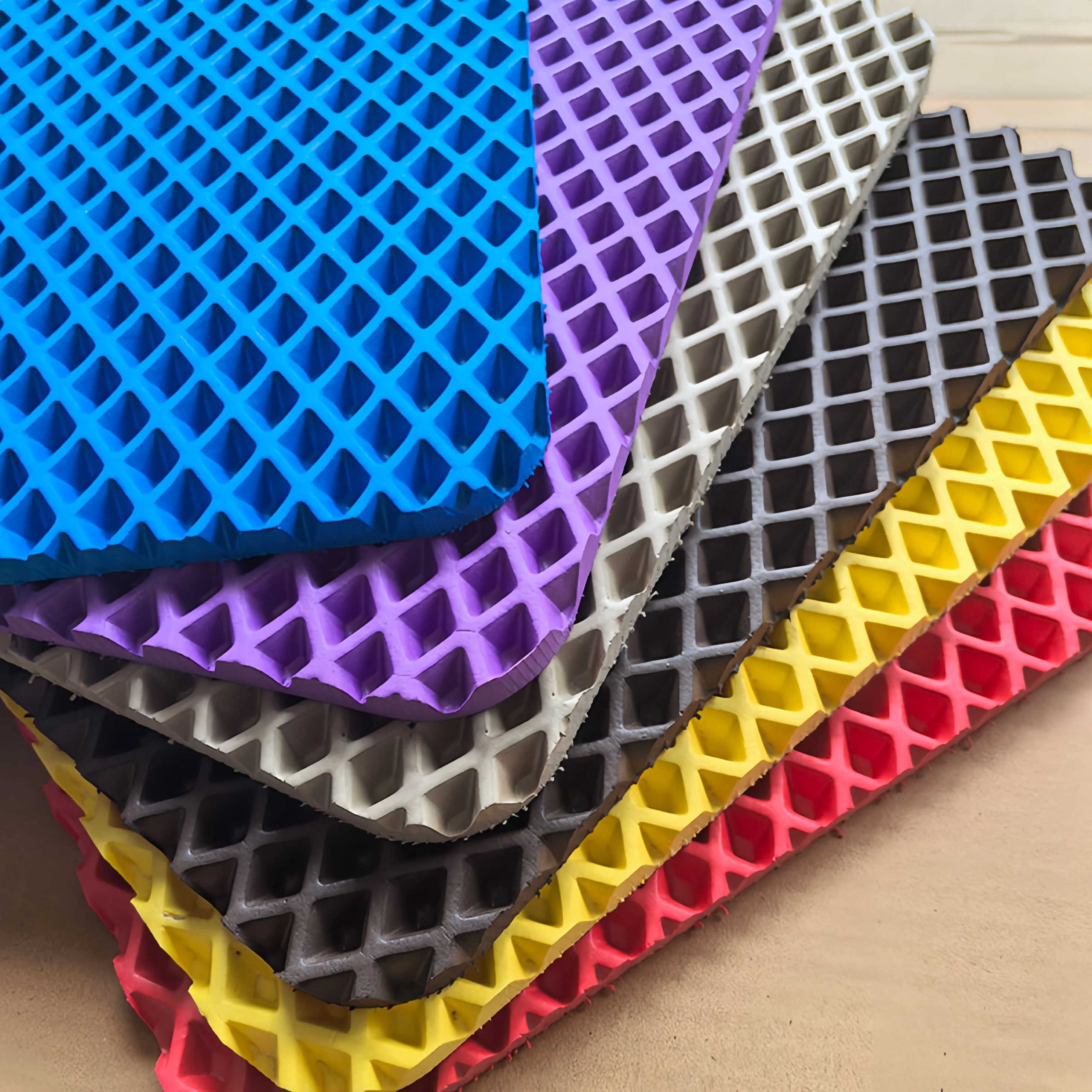
When a standard color cannot express a vehicle program’s identity or meet its operating needs, custom car floor mats offer far more choices than a shade change. Buyers can shape the look and use of a mat through material, surface texture, pattern, edge treatment, fit, and branding. The strongest design starts by connecting these options to the vehicle, the user, and the conditions the mats will face.

This range matters to fleet managers, automotive retailers, and product teams specifying custom car floor mats for distinct applications. A textured surface may support a more purposeful appearance, while a tailored outline can improve coverage in a particular cabin. Considering the design as a system, rather than choosing color first, helps teams balance visual character, practical requirements, production limits, and a consistent customer experience.
Surface and Material Choices Shape the Experience
Texture changes appearance and everyday usability
Texture is one of the most visible ways to distinguish custom car floor mats without relying on bright or unusual colors. A raised grid, honeycomb pattern, ribbed surface, or subtle grain gives the mat visual depth and can make its surface feel more considered. The choice should suit the intended setting: a restrained pattern may fit a premium passenger vehicle, while a pronounced motif can communicate a more utilitarian purpose.
Surface geometry also affects how the mat interacts with routine use. Deep channels and raised features may help contain loose debris or moisture, depending on their design and the conditions involved. When evaluating custom car floor mats, consider whether the pattern is easy to inspect and clean, whether it creates an appropriate foothold, and how it looks beside the cabin’s existing trim. Appearance and function need to work together.
Material choice influences design possibilities
Material determines more than color availability. It influences the mat’s visual finish, flexibility, thickness, weight, and the kind of surface pattern that can be produced. For custom car floor mats, compare the expected cabin environment with the material’s documented properties, including how it responds to regular handling and cleaning. Avoid selecting a material from a sample’s appearance alone; request information relevant to the intended use.
A PVC option, for example, may be considered when a project calls for a defined texture or a sheet-based format that can be converted to a required outline. The exact construction still needs review against the application and applicable requirements. Material sampling helps teams judge finish, pattern scale, and perceived quality in context. That step can prevent custom car floor mats from looking different under actual cabin lighting than they did in a specification image.
Shape, Coverage, and Edge Details
Vehicle-specific fit creates a tailored outline
A custom outline is a practical design option, not merely a cosmetic detail. Vehicle floors vary in contours, seat-rail positions, pedals, and available clearance, so custom car floor mats should be checked against the intended cabin configuration. Accurate fit can help provide useful coverage while avoiding interference with controls or moving components. Confirm fitment requirements with appropriate vehicle data and physical validation before approving a production pattern.
Coverage decisions depend on the use case. A program may require a front-row pair, a complete cabin set, or separate patterns for different model years and trim levels. Custom car floor mats can be shaped around those distinctions, but the specification should define which areas are covered and how each piece is oriented. Clear pattern identification makes review easier and helps reduce confusion when multiple vehicle variants are involved.
Binding, borders, and finishing add definition
Edge treatment gives custom car floor mats a finished outline and can create contrast without changing the main surface color. A bound edge, stitched border, molded perimeter, or contrasting trim may suit different product styles and construction methods. The selected finish should complement the mat’s material and intended use. Teams should also ask how the edge is attached and whether its thickness affects fit or transitions at the floor.
Shape and finishing details are most effective when reviewed together. A narrow border may emphasize a clean, factory-inspired profile, while a stronger contrast can make the mat more noticeable as an accessory. For custom car floor mats, mockups should show the actual outline, edge treatment, and cabin placement rather than an isolated color swatch. This lets reviewers assess proportions, visual balance, and clearances before finalizing design files.
Pattern, Branding, and Specification Planning
Graphic treatments can communicate product identity
Patterns can be geometric, directional, logo-based, or understated, depending on the product brief. A repeated motif may establish a distinctive look across a vehicle range, while a restrained texture lets the mat blend into the cabin. With custom car floor mats, graphics should be considered in relation to surface scale, viewing distance, and how dirt or wear may affect visibility. A complex design is not automatically more effective.
Branding may appear through a logo, emblem, label, or carefully chosen accent detail, subject to production capabilities and brand guidelines. Its placement should remain legible without competing with important functional areas. When designing custom car floor mats, confirm artwork size, color reproduction, and allowable placement early. A clear approval process can protect brand consistency while allowing each vehicle program to have a relevant, tailored presentation.
Translate design choices into a production-ready brief
A good specification turns visual ideas into decisions that can be reviewed and produced. Define the vehicle models, required pieces, dimensions, material, texture, edge finish, pattern, and branding treatment. For custom car floor mats, include reference images or drawings and identify which details are essential versus optional. This distinction helps a project team assess feasibility without losing the design features that matter most to the intended buyer.
Review samples under realistic conditions before approving a final design. Check how the texture appears in the cabin, whether the color sits comfortably with surrounding surfaces, and whether the shape provides the specified coverage. Custom car floor mats may also need checks for cleaning expectations, attachment provisions, and safe clearance around vehicle controls. Record feedback in a single revision file so visual and technical changes remain aligned.
FAQ
Which design options matter most beyond color?
For many projects, fit, surface texture, material, and edge finish have the clearest effect on the finished product. Custom car floor mats can also use patterns and branding to create a distinct identity. Prioritize options according to the vehicle, operating environment, and buyer expectations rather than adding features without a clear purpose.
Can a textured mat also support a refined interior?
Yes. A texture can be subtle or pronounced, and its appearance depends on pattern scale, material, and the cabin around it. Review custom car floor mats in context, ideally with a representative sample or mockup. This makes it easier to judge whether the surface complements the interior while meeting practical design goals.
What information is needed to specify a custom design?
Start with vehicle details, coverage requirements, dimensions or fit references, preferred material, and the desired surface and edge treatments. Add artwork guidance when branding is required. For custom car floor mats, document priorities and validation needs so the design can be evaluated for appearance, fit, production feasibility, and intended use.