
 EN
EN



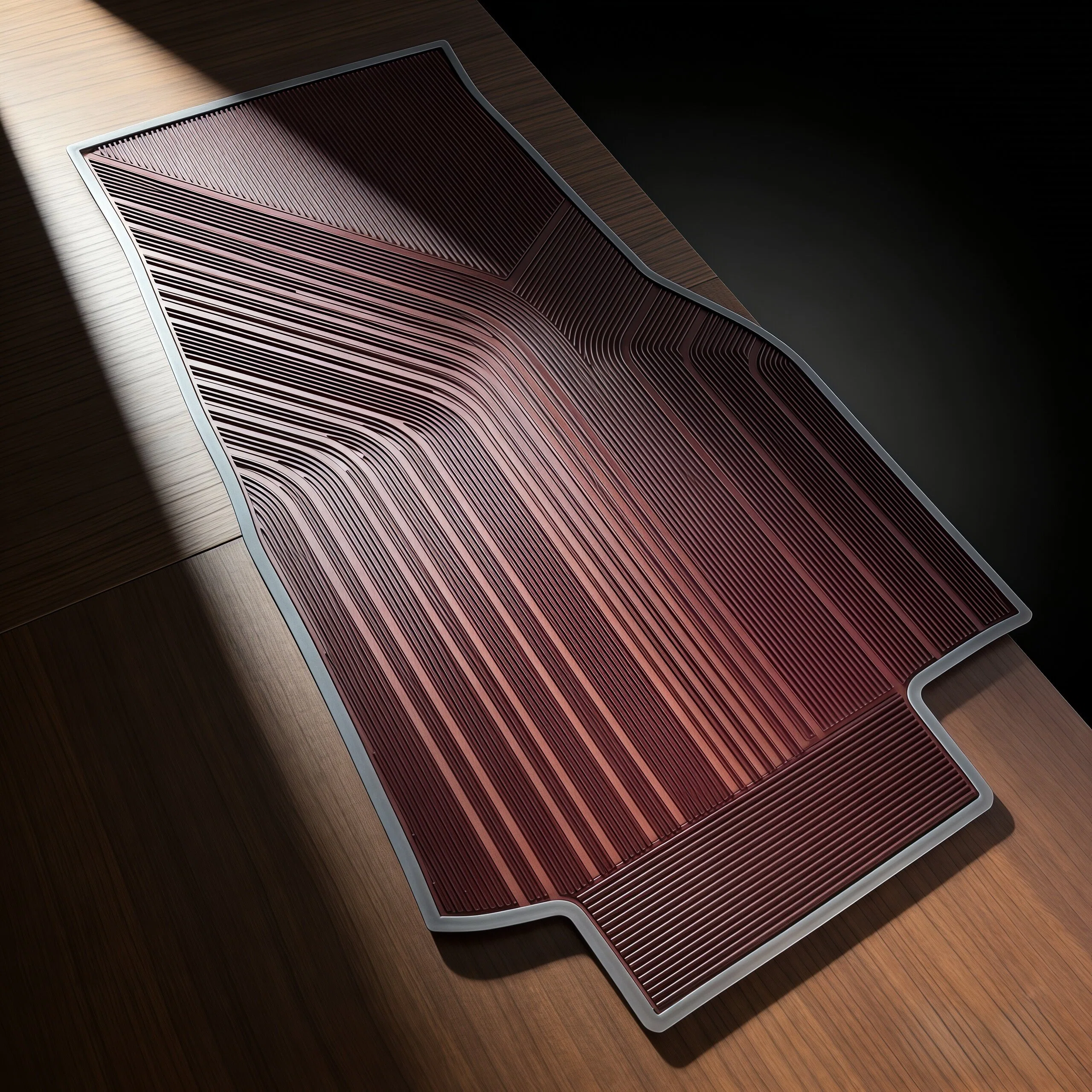
When shopping for universal car mats on a tight budget, durability is often the first thing that gets compromised — but it doesn't have to be. The material a car mat is made from determines how well it resists wear, moisture, heat, and daily abuse inside a vehicle. For buyers who want long-lasting protection without overspending, understanding which materials genuinely hold up over time is the most practical place to start. Not all universal car mats are created equal, and the difference between a mat that lasts two years and one that lasts a decade often comes down entirely to what it's made of.
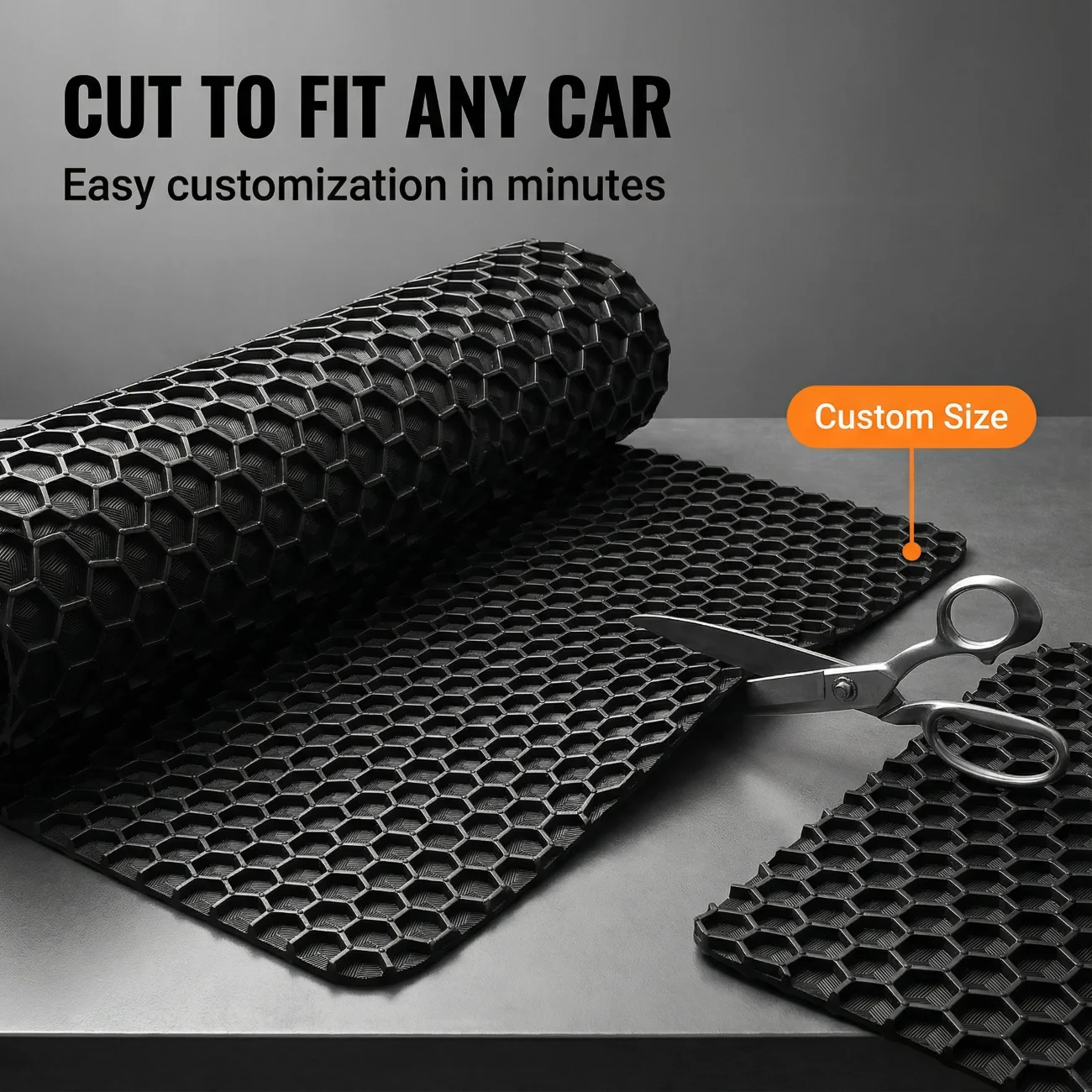
Budget-conscious buyers face a real challenge: the market is flooded with universal car mats at every price point, and low cost doesn't always mean low quality — nor does a higher price guarantee superior durability. The key is knowing which materials deliver the best return on investment. This article breaks down the most common and most durable materials used in universal car mats today, explains what makes each one suitable for different conditions, and helps you make a smarter purchasing decision without stretching your budget further than necessary.
Why Material Choice Defines the Lifespan of Universal Car Mats
The Direct Link Between Material and Wear Resistance
The floor of a vehicle is one of the most punishing environments for any material. Universal car mats face constant foot traffic, exposure to dirt, gravel, moisture, and temperature swings that can range from freezing cold to intense summer heat. A mat made from a weak or poorly formulated material will crack, curl, fade, or compress within months of regular use. In contrast, a mat made from a high-integrity material maintains its structure, grip, and appearance across years of daily driving.
Wear resistance is not just about surface hardness. It also involves how well a material recovers from compression, how it responds to cleaning chemicals, and whether it retains its anti-slip properties after repeated use. Universal car mats that score well on all these dimensions tend to be made from materials engineered specifically for automotive environments rather than repurposed from general-purpose applications.
For budget buyers, this distinction matters enormously. A cheaper mat that degrades in six months costs more over time than a slightly more expensive mat that lasts five years. Evaluating material quality upfront is the most cost-effective strategy available to any buyer shopping in the universal car mats category.
How Environmental Stress Tests Material Integrity
Temperature extremes are among the most damaging forces acting on universal car mats. In hot climates or during summer months, the interior of a parked vehicle can reach temperatures well above 60°C. Materials that are not heat-stable will soften, warp, or emit unpleasant odors under these conditions. Cold climates present the opposite problem — materials that become brittle at low temperatures will crack under foot pressure, especially near the edges and corners of the mat.
Moisture is another critical stress factor. Water, mud, and spilled liquids penetrate porous materials and create conditions for mold, mildew, and structural breakdown. Universal car mats used in wet climates or by drivers who frequently enter vehicles with wet footwear need materials that are inherently waterproof or highly water-resistant. The ability to be wiped clean or rinsed without absorbing moisture is a durability feature that directly extends the usable life of the mat.
UV exposure through vehicle windows also degrades certain materials over time, causing discoloration, surface cracking, and loss of flexibility. Budget buyers who want their universal car mats to maintain their appearance and function over the long term should prioritize materials with documented UV resistance rather than assuming all mats perform equally in this regard.
TPE: The High-Performance Material Redefining Affordable Universal Car Mats
What Makes TPE Stand Out Among Budget-Friendly Options
Thermoplastic elastomer, commonly known as TPE, has emerged as one of the most compelling materials in the universal car mats market for buyers who want durability without a premium price tag. TPE combines the flexibility of rubber with the processability of plastic, resulting in a material that is tough, resilient, and highly resistant to the environmental stresses that degrade lesser materials. It does not crack in cold temperatures, does not warp in heat, and maintains its structural integrity across a wide range of conditions.
One of the most practical advantages of TPE for budget buyers is its waterproof nature. Unlike fabric or carpet-based universal car mats, TPE mats do not absorb liquids. Spills, mud, and wet footwear sit on the surface rather than soaking in, making cleanup as simple as wiping or rinsing the mat. This waterproof characteristic also prevents the growth of mold and mildew, which are common causes of premature mat replacement in humid environments.
TPE is also odor-neutral and non-toxic, which matters in an enclosed vehicle environment. Some lower-cost materials off-gas chemicals that create persistent unpleasant smells, particularly when new or when exposed to heat. TPE does not have this problem, making it a more comfortable long-term choice for drivers and passengers alike. For buyers evaluating universal car mats on a budget, TPE offers a rare combination of performance and value that is difficult to match with other materials at a similar price point.
Thickness and Density as Durability Multipliers in TPE Mats
Not all TPE universal car mats are equivalent in durability. Thickness plays a significant role in how well a mat absorbs impact, resists compression, and maintains its shape over time. Thicker TPE mats — particularly those in the 7mm range — provide substantially better cushioning and structural resilience than thinner alternatives. A 7mm TPE mat distributes foot pressure more evenly, reducing the localized wear that causes thinner mats to develop permanent indentations or surface cracks at high-contact points.
Density is equally important. A TPE mat with high material density resists deformation under load and maintains its anti-slip surface texture even after years of use. Low-density TPE mats may feel similar initially but compress and lose their grip properties much faster. Budget buyers should look for specifications that include both thickness and density information rather than relying on price alone as a proxy for quality.
The combination of adequate thickness and high density in TPE universal car mats also contributes to better noise and vibration damping inside the vehicle. This is a secondary benefit that improves the driving experience without adding cost, making thick TPE mats a particularly strong value proposition for buyers who want more than just floor protection from their universal car mats.
Rubber: The Traditional Durable Choice for Universal Car Mats
Natural and Synthetic Rubber Performance Compared
Rubber has been used in automotive floor protection for decades, and its durability credentials are well established. Natural rubber offers excellent grip, flexibility, and resistance to tearing, making it a reliable material for universal car mats in demanding conditions. Synthetic rubber variants, including nitrile and neoprene, extend these properties further by adding resistance to oils, fuels, and chemicals that natural rubber may degrade under over time.
For budget buyers, rubber universal car mats represent a proven and widely available option. The material is inherently waterproof, easy to clean, and resistant to the kind of surface abrasion caused by gritty footwear. Rubber mats also tend to lie flat and stay in position without curling at the edges, which is a common failure mode in cheaper plastic-based alternatives. The weight of rubber contributes to its stability, reducing the risk of the mat sliding under the pedals — a safety concern that should never be overlooked when evaluating universal car mats.
The main limitation of rubber in the context of budget purchasing is that lower-grade rubber compounds can harden and crack over time, particularly in cold climates or when exposed to prolonged UV radiation. Buyers should look for rubber universal car mats that specify the use of high-quality compounded rubber rather than recycled or low-grade blends, as the difference in long-term durability is significant.
Rubber vs. TPE: Which Delivers More Value for Budget Buyers
When comparing rubber and TPE for universal car mats, the decision often comes down to specific use conditions and priorities. Rubber has a longer track record and is widely trusted for heavy-duty applications. TPE, however, offers several modern advantages that make it increasingly competitive, particularly at budget price points. TPE is lighter than rubber, which makes installation and removal easier. It is also more flexible at low temperatures, reducing the risk of cracking in cold climates.
From a cost perspective, TPE universal car mats have become increasingly affordable as manufacturing processes have matured. At equivalent price points, TPE mats often offer better waterproofing, odor neutrality, and UV resistance than comparable rubber options. For buyers who prioritize ease of maintenance and all-weather performance, TPE tends to deliver more value per dollar spent on universal car mats.
Rubber remains the better choice in applications involving heavy chemical exposure or extreme mechanical stress, such as commercial vehicles or work trucks. For everyday passenger vehicle use, however, TPE has largely closed the performance gap with rubber while offering practical advantages that matter to budget-conscious buyers. Understanding this distinction helps buyers allocate their budget more effectively when selecting universal car mats.
Carpet and Fabric Mats: When Durability Takes a Back Seat
The Durability Limitations of Fabric-Based Universal Car Mats
Carpet and fabric universal car mats are common at the lower end of the market, and while they offer a softer feel and a more traditional aesthetic, their durability profile is significantly weaker than rubber or TPE alternatives. Fabric fibers absorb moisture, trap dirt, and compress under repeated foot traffic in ways that are difficult to reverse. Over time, high-contact areas develop visible wear patterns, matting, and discoloration that cannot be restored through cleaning alone.
For budget buyers, the appeal of fabric universal car mats is understandable — they are often the cheapest option available. However, the total cost of ownership tells a different story. Fabric mats typically need replacement more frequently than rubber or TPE alternatives, and the cumulative cost of multiple replacements over several years often exceeds the one-time cost of a more durable material. Budget-conscious buyers who calculate cost per year of use rather than upfront price alone will generally find that fabric mats are not the most economical choice.
Fabric mats also present hygiene challenges that harder materials do not. Absorbed moisture creates conditions for bacterial growth and persistent odors that are difficult to eliminate without professional cleaning. In vehicles used by families with children or pets, this becomes a practical problem that accelerates the decision to replace the mats entirely. Universal car mats made from non-absorbent materials avoid this issue entirely.
When Fabric Mats Make Sense Despite Their Limitations
There are specific scenarios where fabric universal car mats remain a reasonable choice even for durability-focused buyers. In dry climates with minimal moisture exposure, fabric mats degrade more slowly and can provide acceptable service life at a very low initial cost. For vehicles that are used infrequently or kept in controlled environments such as garages, the reduced wear rate makes fabric a more viable option than it would be for daily drivers in harsh conditions.
Fabric mats also offer better acoustic dampening than hard materials, which can be a meaningful comfort factor in vehicles with thin floor insulation. For buyers who prioritize cabin noise reduction and use their vehicle primarily in dry, controlled conditions, a high-quality fabric mat may represent a reasonable trade-off between comfort and durability. The key is making this choice with full awareness of the limitations rather than defaulting to fabric simply because it is the cheapest option available in the universal car mats category.
Ultimately, fabric universal car mats are best suited to buyers with very specific use cases and low durability demands. For the majority of budget-conscious buyers who want their mats to last and perform reliably across varied conditions, harder materials like TPE and rubber offer a substantially better return on investment.
Key Features to Prioritize When Buying Durable Universal Car Mats on a Budget
Anti-Slip Backing and Fireproof Properties
Durability in universal car mats is not limited to surface wear resistance. The backing of the mat — the side that contacts the vehicle floor — is equally important. Anti-slip backing prevents the mat from shifting during driving, which is both a safety requirement and a durability factor. Mats that slide and bunch up experience accelerated edge wear and are more likely to curl or deform over time. Budget buyers should verify that any universal car mats they consider include a textured or rubberized anti-slip backing rather than a smooth surface that relies on friction alone.
Fireproof or flame-retardant properties are another feature worth prioritizing, particularly in materials like TPE that are engineered to meet automotive safety standards. A mat that resists ignition from dropped cigarettes, hot debris, or electrical sparks provides an additional layer of protection that extends beyond simple floor coverage. This feature is especially relevant for buyers who want their universal car mats to meet or exceed basic vehicle safety requirements without paying a premium for specialized products.
The combination of anti-slip backing and fireproof material properties represents a meaningful upgrade over basic universal car mats at a price point that remains accessible to budget buyers. These features are increasingly standard in mid-range TPE mats and should be treated as baseline requirements rather than optional extras when evaluating options in this category.
3D Contouring and Full-Set Coverage for Long-Term Value
Universal car mats that incorporate 3D contouring — raised edges and shaped profiles that channel liquids and debris away from the vehicle floor — offer better long-term protection than flat mats. The raised edges prevent spills from spreading beyond the mat surface, protecting the vehicle's original carpet from moisture damage that can lead to rust, mold, and structural deterioration. For budget buyers, this protective function extends the value of the mat well beyond its own lifespan by preserving the condition of the vehicle floor beneath it.
Purchasing universal car mats as a full set — covering front and rear positions — provides more comprehensive protection and typically offers better value per mat than buying individual pieces. Full-set universal car mats ensure consistent material quality and design across all floor positions, eliminating the mismatched wear patterns that occur when different mat types are combined. For budget buyers, a full-set purchase also simplifies future replacement decisions, as all mats will reach the end of their service life at approximately the same time.
When evaluating universal car mats for long-term value, buyers should consider the total coverage area, the quality of the contouring design, and whether the set includes all necessary floor positions. A well-designed full-set TPE mat with 3D contouring and anti-slip backing represents one of the most cost-effective investments available in the universal car mats market for buyers who want durability without overspending.
FAQ
Which material lasts the longest in universal car mats for everyday use?
TPE and high-quality rubber are the most durable materials for universal car mats in everyday driving conditions. TPE offers excellent resistance to heat, cold, moisture, and UV exposure, while rubber provides proven toughness and grip. Both significantly outlast fabric or carpet-based mats when used in typical passenger vehicles. For budget buyers who want the best combination of durability and value, TPE mats — particularly those with 7mm thickness — are currently the strongest option in the universal car mats market.
Are waterproof universal car mats worth the extra cost for budget buyers?
Yes, waterproof universal car mats are almost always worth the investment for budget buyers when the total cost of ownership is considered. Non-waterproof mats absorb moisture, develop odors, and degrade faster, requiring more frequent replacement. Waterproof materials like TPE and rubber resist moisture entirely, making them easier to clean and longer-lasting. The slightly higher upfront cost of waterproof universal car mats is typically recovered within the first year through reduced replacement frequency and lower maintenance effort.
Can universal car mats fit all vehicle types despite being non-custom?
Universal car mats are designed to fit a wide range of vehicle floor dimensions through flexible sizing and trimming options. Most quality universal car mats can be cut or adjusted to fit specific floor shapes without compromising their structural integrity. However, fit quality varies by mat design — mats with 3D contouring and raised edges provide better coverage in most vehicles than flat universal mats. Buyers should verify the dimensions and trimming options of any universal car mats they consider to ensure adequate coverage for their specific vehicle.
How do I know if a budget universal car mat has genuine anti-slip properties?
Genuine anti-slip properties in universal car mats come from the texture and material of the backing surface rather than from marketing claims alone. Look for mats that specify a rubberized, textured, or nubbed backing design. When evaluating universal car mats in person, the backing should feel grippy rather than smooth, and the mat should resist sliding when placed on a flat surface. For online purchases, product specifications that mention anti-skid or anti-slip backing materials — particularly in combination with TPE or rubber construction — are a reliable indicator of genuine grip performance.
Table of Contents
- Why Material Choice Defines the Lifespan of Universal Car Mats
- TPE: The High-Performance Material Redefining Affordable Universal Car Mats
- Rubber: The Traditional Durable Choice for Universal Car Mats
- Carpet and Fabric Mats: When Durability Takes a Back Seat
- Key Features to Prioritize When Buying Durable Universal Car Mats on a Budget
- FAQ