×
×
ARTES has recently completed a new round of custom roll mold development for automotive floor mat materials, Custom surface patterns are an important part of automotive floor mat roll production.
Different buyers may require specific textures, pattern depths, surface designs or branded effects for PVC and other automotive mat materials.
To support these custom projects, ARTES uses an in-house custom roll mold process that combines machining, manual finishing and surface inspection to support different automotive floor mat material designs.
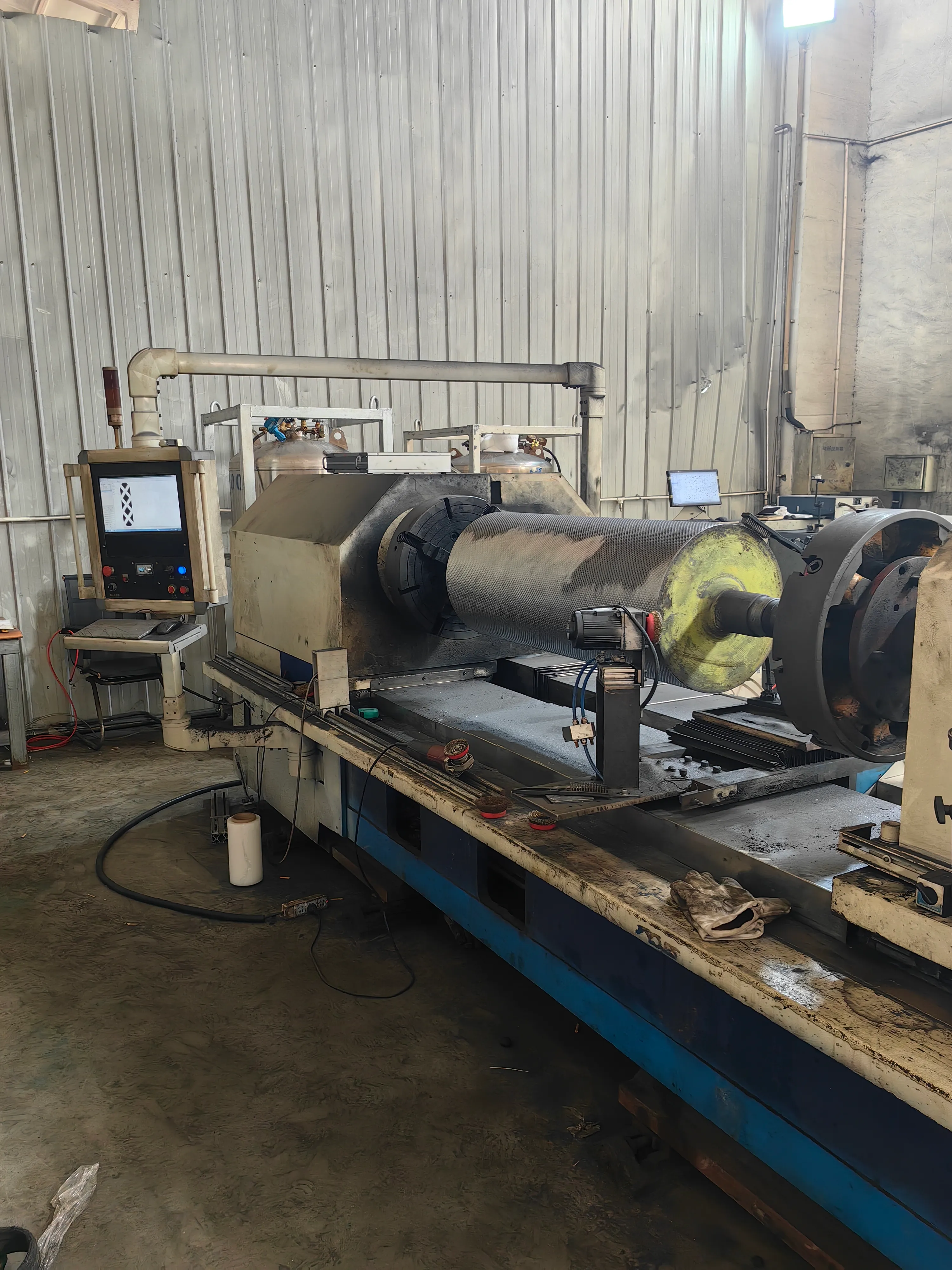
The first stage is the machining of the cylindrical mold.
The mold is mounted on dedicated processing equipment so that the surface can be prepared and machined evenly around the full circumference.
Accurate machining is important because the finished mold directly affects the consistency of the pattern transferred onto the floor mat roll.
For custom projects, pattern layout, spacing and surface depth can be adjusted according to the required product design.
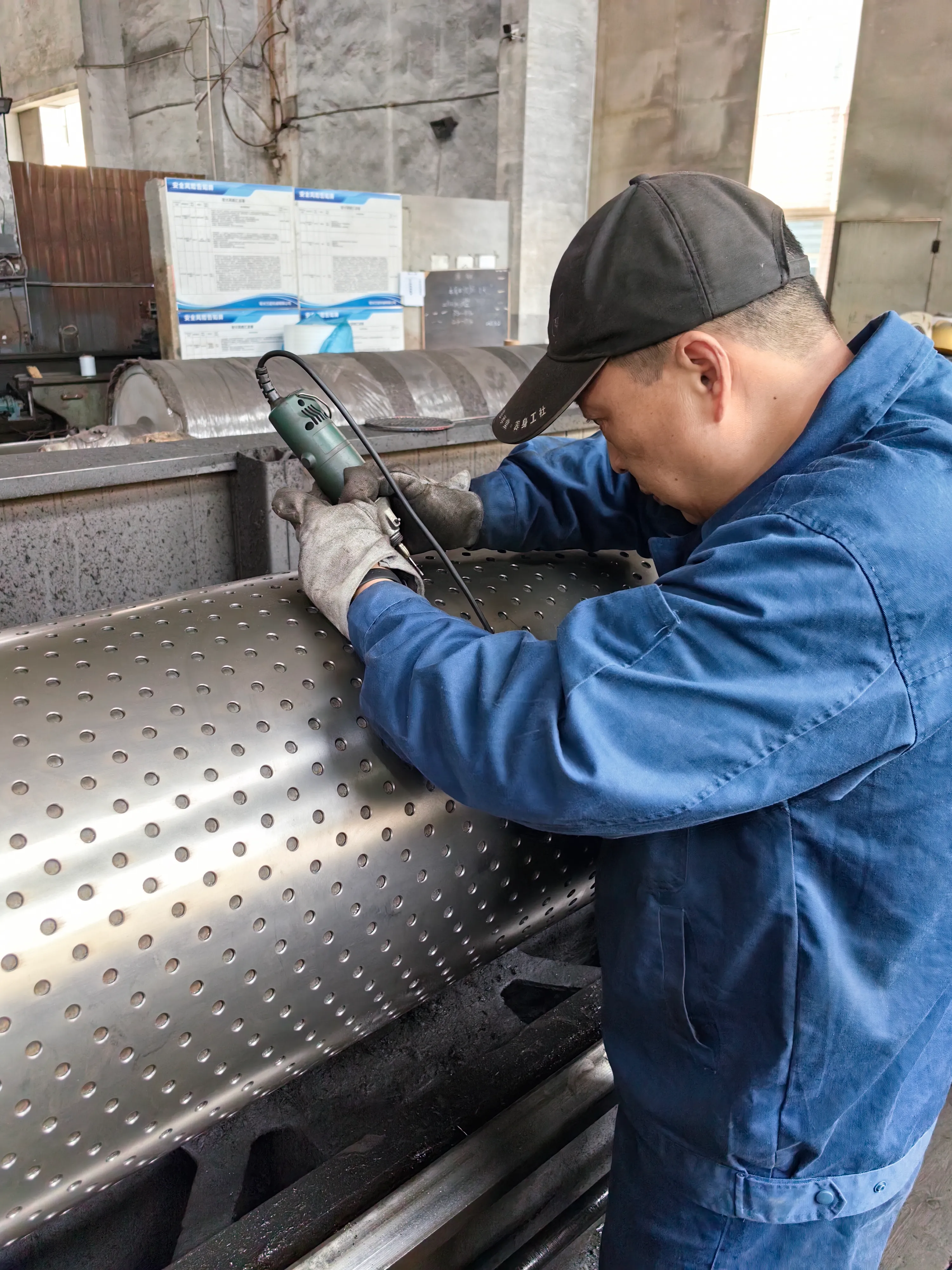
After machining, technicians manually inspect and refine the mold surface.
Small burrs, rough edges and machining marks can affect the appearance of the finished roll material, so detailed areas are polished and corrected before the mold moves to production.
This manual finishing step is especially important for patterns with small repeated details or recessed surface structures.
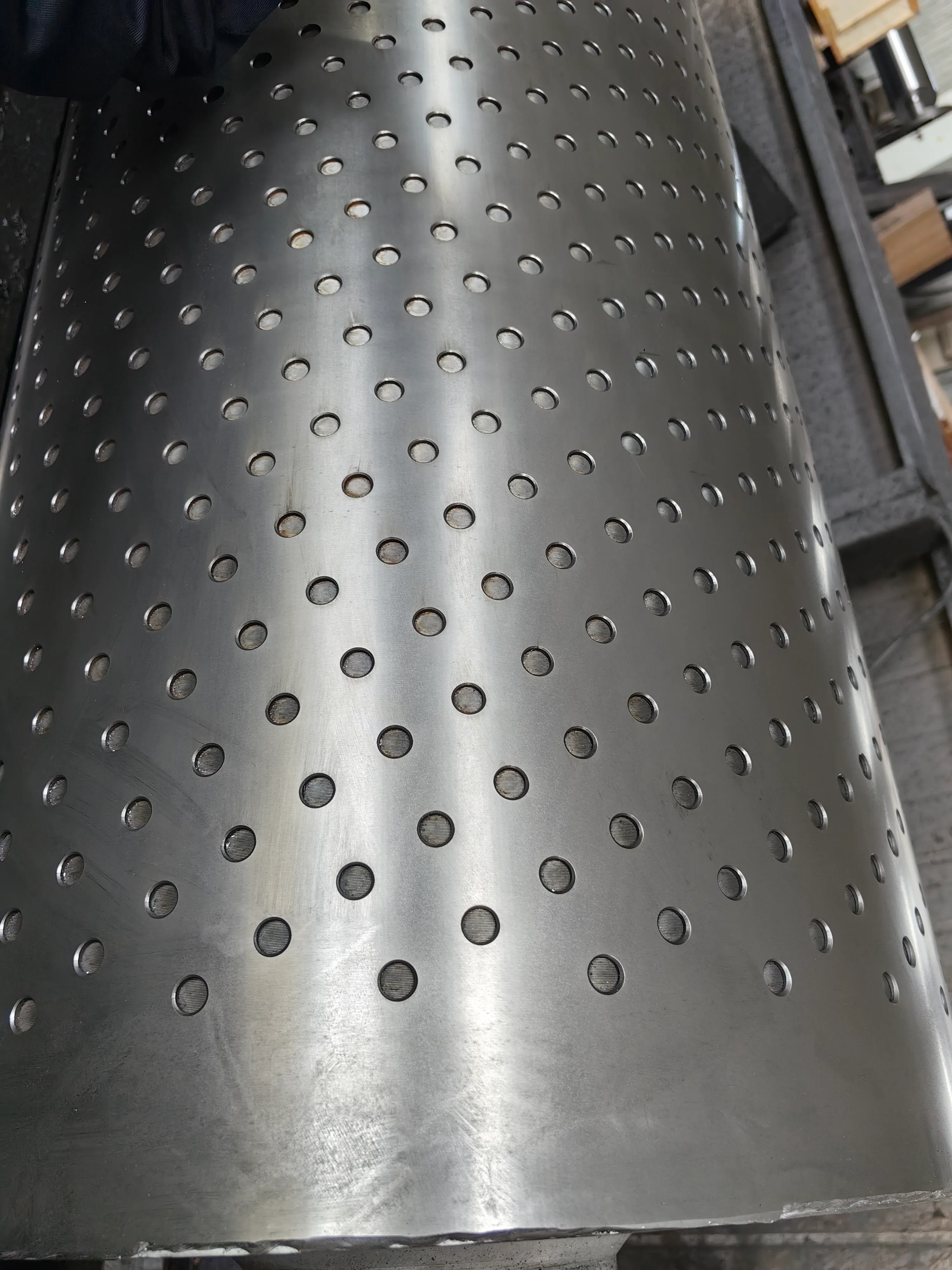
After finishing, the complete mold surface is checked for pattern consistency.
The image below shows a repeated circular texture across the cylindrical mold surface.
For automotive floor mat roll production, consistent pattern spacing and clean surface details help maintain a more uniform appearance across long roll lengths.
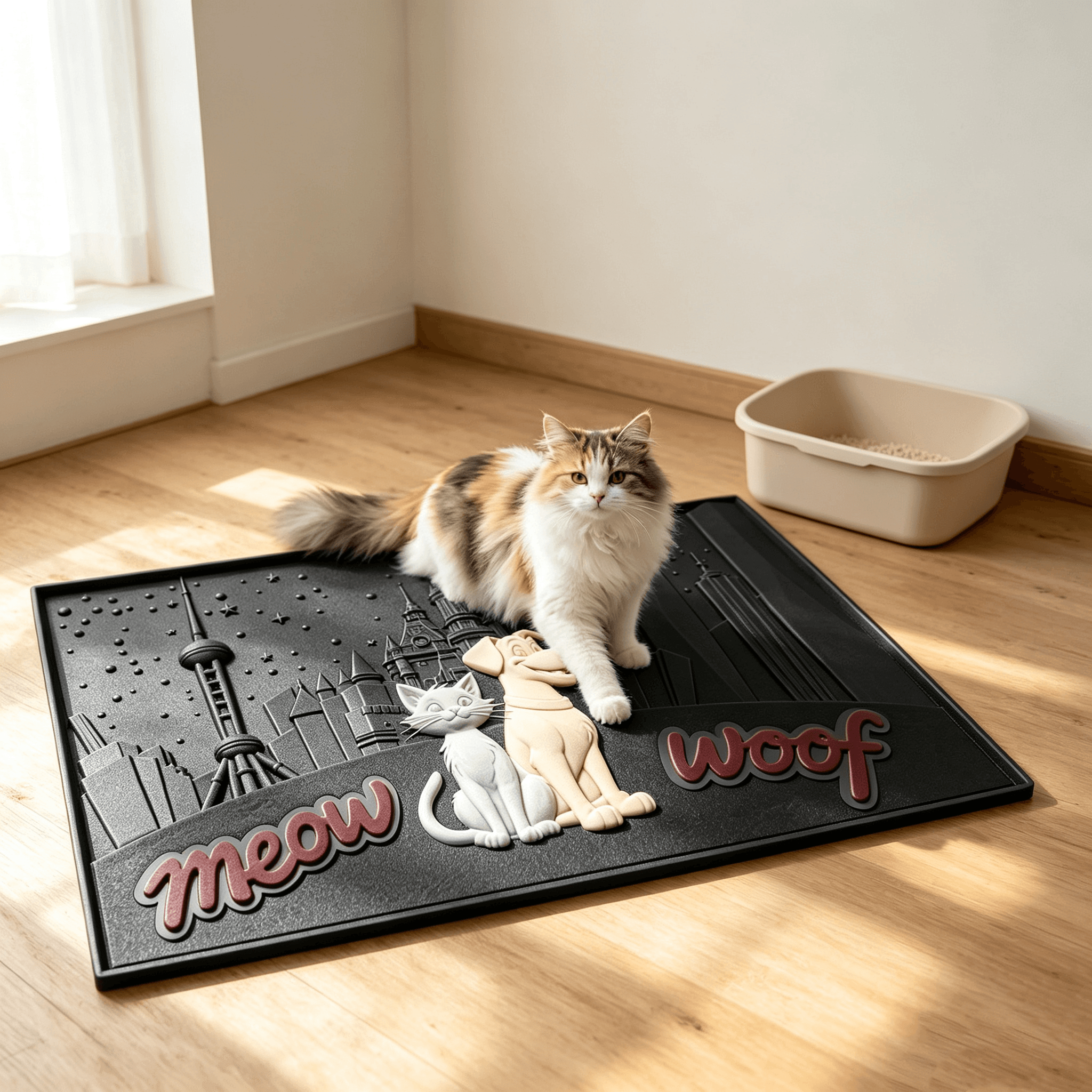
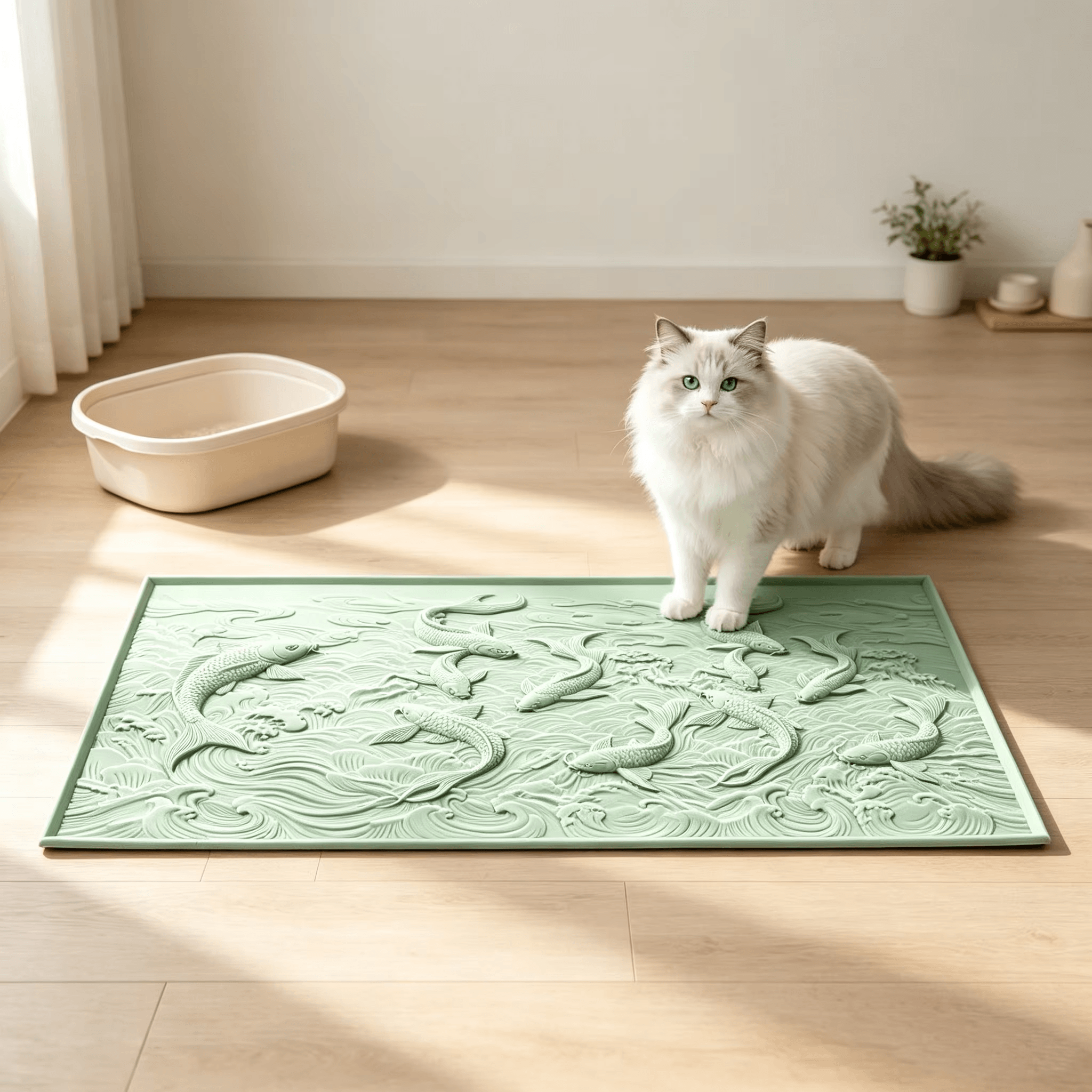
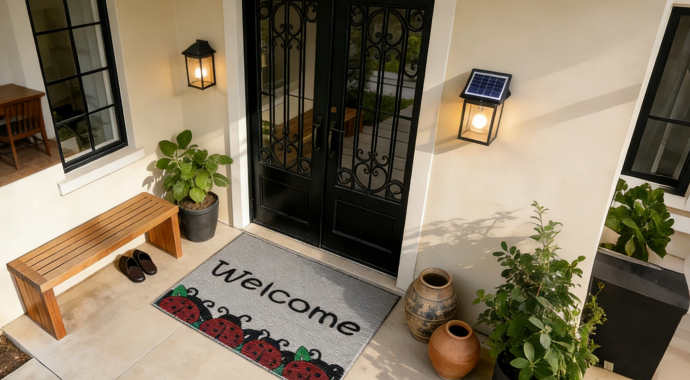
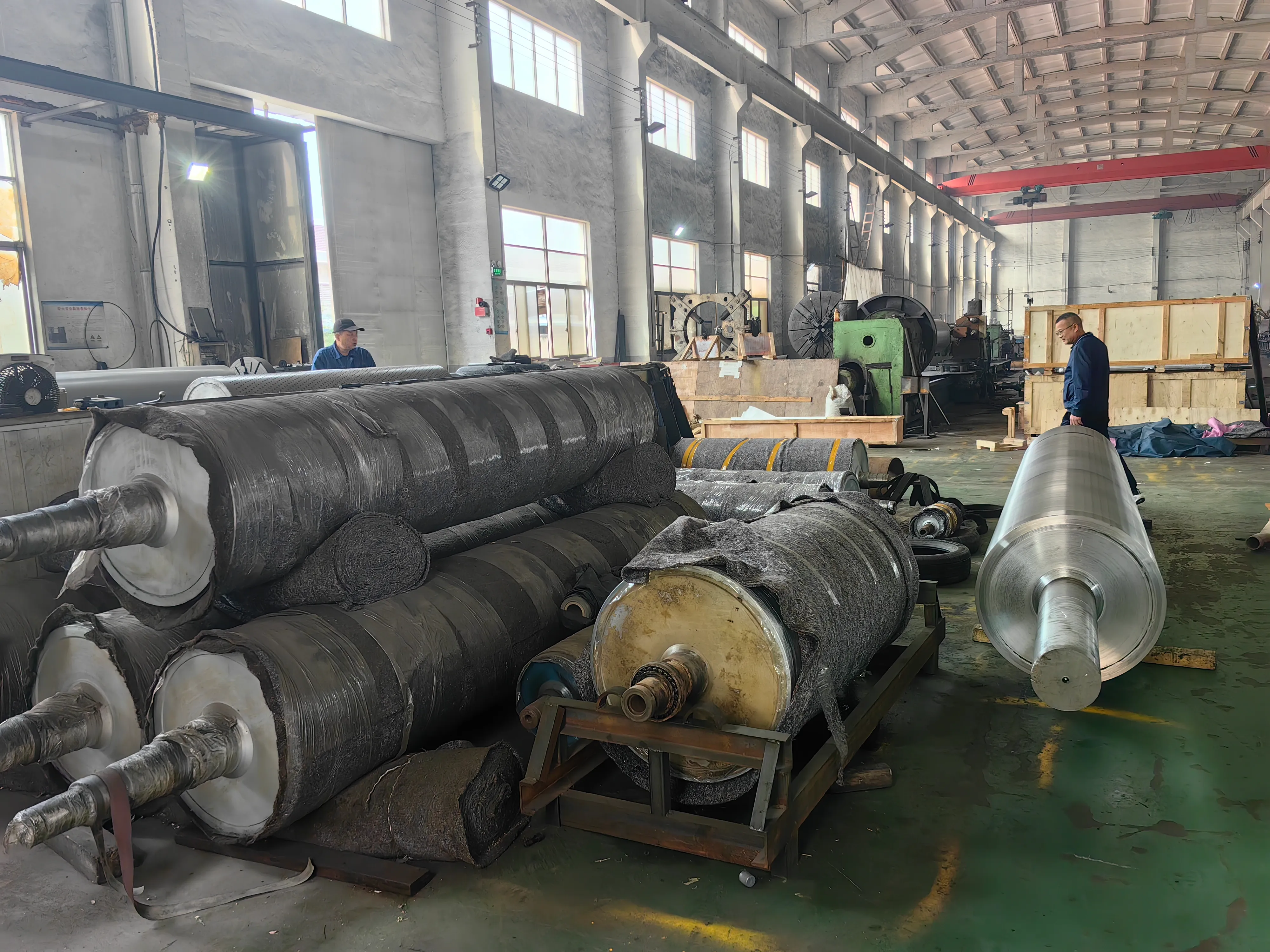
Different floor mat products require different surface effects.
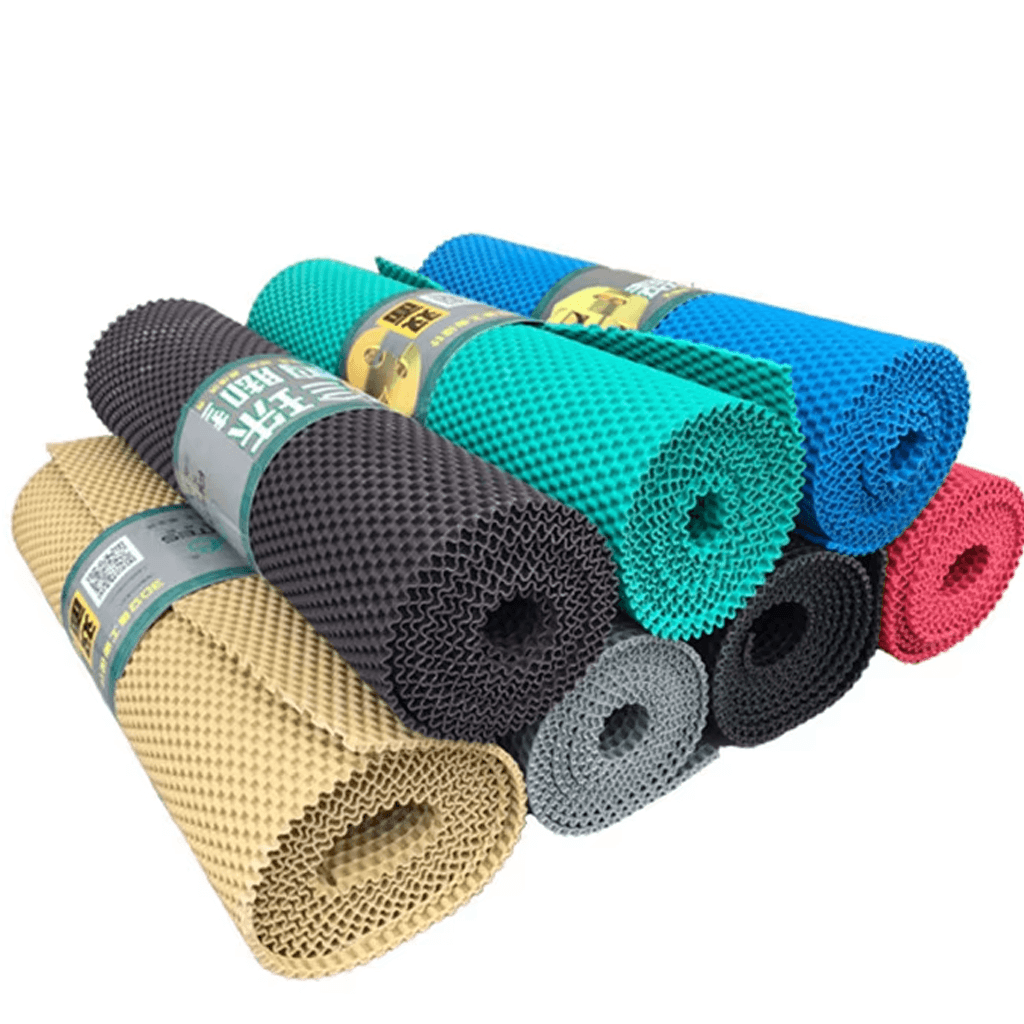
ARTES maintains and develops roll molds with different texture patterns for automotive mat material production.
These molds can be used to produce different surface styles across PVC car mat roll programs, allowing buyers to develop differentiated products for their own markets.
Once the roll mold has passed inspection, it can be used in the production of automotive floor mat roll materials.
If you want to see the next stage of the process, learn how car mat roll material is converted into finished floor mats, including cutting, forming and final finishing.
ARTES currently offers more than 20 surface textures for automotive floor mat rolls, with multiple color options and thicknesses ranging from 3 mm to 7 mm to meet different product and market requirements.
Depending on the project, custom roll mold development can support changes to:
Before mold development begins, buyers can provide a pattern drawing, design file, reference image or physical sample for evaluation.
For a custom roll mold project, buyers can provide:
Its surface directly affects the appearance and consistency of the finished mat material.
Poor mold finishing can result in uneven textures, visible machining marks or inconsistent pattern transfer.
For that reason, ARTES combines mechanical processing with manual finishing and final inspection before a custom mold is used for batch production.
Whether you need a new surface texture or want to develop a differentiated car mat roll for your market, ARTES can support mold evaluation, sampling and production planning.
Contact ARTES to discuss your custom car mat roll project and receive a technical review based on your design requirements.
 Hot News
2026-10-13
2026-09-30
2026-09-01
2026-06-22
2026-05-11
2025-11-18
Xiamen ARTES delivers precision-engineered, rigorously inspected floor mats with zero-defect commitment. Engineered for perfect fit, safety, and reliability—trusted globally.
No. 1999-11/2, Dongfu Avenue, Haicang District, Xiamen City, Fujian Province, China
Copyright © 2026 Xiamen ARTES Plasti products Co.,Ltd. All rights reserved. Privacy Policy

 EN
EN