
 EN
EN



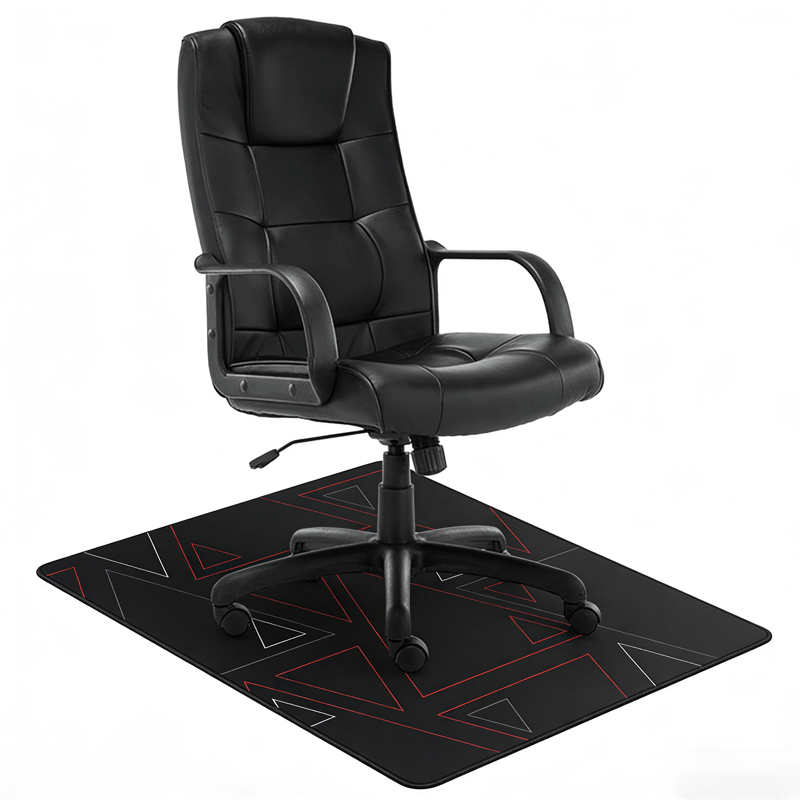
Selecting the appropriate chair mat thickness is one of the most critical decisions for maintaining both floor protection and office chair mobility. The wrong thickness can lead to premature mat cracking, chair instability, or even damage to your flooring surface. Understanding how chair mat thickness correlates with different flooring types—particularly high-pile carpet versus hard floors—enables you to make an informed purchasing decision that balances durability, functionality, and long-term cost-effectiveness. This guide provides detailed, application-specific recommendations to help you choose the optimal chair mat thickness for your workspace environment.
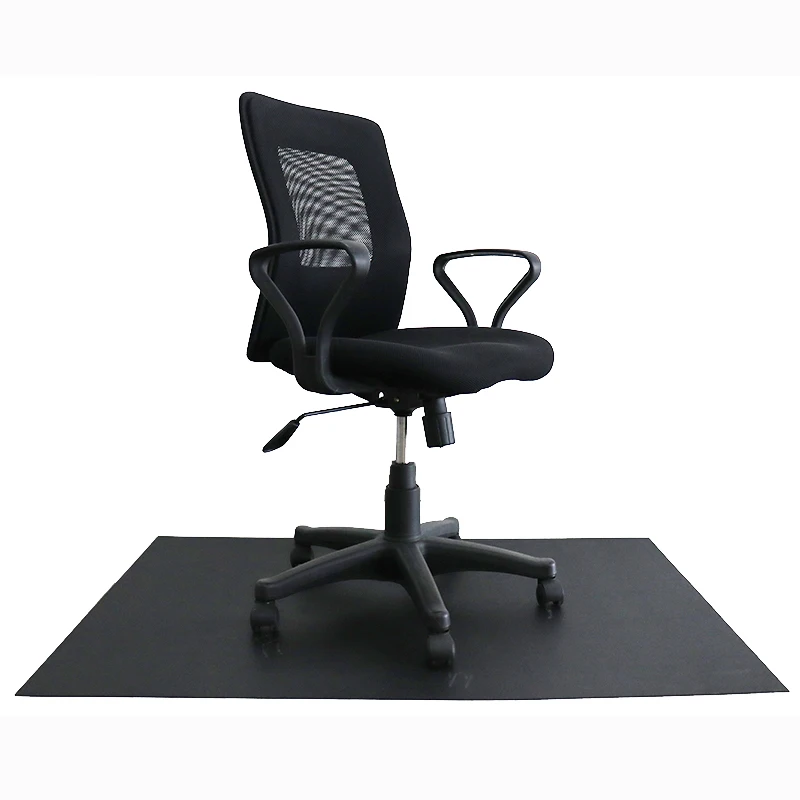
The fundamental principle governing chair mat thickness selection is straightforward: softer, thicker flooring surfaces require thicker chair mats to prevent the mat from sinking or flexing excessively under concentrated weight. Conversely, hard flooring surfaces allow for thinner mats since the underlying surface provides inherent structural support. However, the practical application of this principle involves nuanced considerations including chair caster type, user weight, frequency of use, and the specific pile height of carpeted surfaces. This article systematically examines these variables to deliver actionable thickness recommendations tailored to your precise flooring scenario.
Understanding Chair Mat Thickness Standards and Measurement
How Chair Mat Thickness Is Measured and Expressed
Chair mat thickness is typically measured in millimeters or gauge units, with common residential and commercial thicknesses ranging from 1.5mm to 6mm. Manufacturers usually specify thickness at the mat's thickest point, excluding any raised lip edges designed to transition smoothly onto carpeted surfaces. When evaluating chair mat thickness specifications, it is essential to distinguish between the mat body thickness and any additional features like studded undersides or textured grip patterns that may affect the overall profile. Professional-grade mats often provide precise thickness measurements, while budget options may use vague descriptors like 'heavy-duty' without numerical specifications.
The gauge system, borrowed from plastics manufacturing, inversely correlates with thickness—a lower gauge number indicates a thicker material. For instance, a 20-gauge mat is significantly thicker than a 30-gauge mat. This measurement system can confuse consumers unfamiliar with industrial material standards, making millimeter-based specifications more accessible for comparison shopping. Understanding these measurement conventions allows you to accurately assess whether a product meets the recommended chair mat thickness for your flooring type and prevents mismatches between advertised durability claims and actual material substance.
Material Composition and Its Impact on Effective Thickness
Chair mat thickness alone does not determine performance; material composition profoundly influences how thickness translates into functional durability. Polycarbonate mats, for example, can achieve superior load-bearing capacity at thinner profiles compared to PVC mats of equivalent thickness due to their higher tensile strength and impact resistance. Tempered glass chair mats represent another material category where thickness requirements differ dramatically—these typically range from 4mm to 6mm but provide exceptional rigidity that prevents flexing entirely. Each material exhibits distinct flexibility, compression resistance, and recovery characteristics that modify the effective performance of any given chair mat thickness.
PVC chair mats, the most common and economical option, require careful thickness matching to flooring type because they exhibit greater flexibility than polycarbonate alternatives. A chair mat thickness of 2.5mm in PVC may perform adequately on hard floors but prove inadequate for medium-pile carpets where the same thickness in polycarbonate would suffice. When comparing products across different material types, always consider how material properties interact with thickness specifications to deliver the stability and floor protection your application demands.
The Relationship Between Thickness and Long-Term Durability
Thicker chair mats generally exhibit longer functional lifespans under equivalent use conditions, but this relationship is not strictly linear. Beyond a certain threshold, additional thickness provides diminishing returns in durability while increasing material costs and potentially creating tripping hazards at mat edges. The optimal chair mat thickness balances adequate structural integrity to resist cracking and permanent deformation with practical considerations like flexibility for initial installation and aesthetic integration into the workspace. Mats that are excessively thick for their application may also reduce chair mobility efficiency, creating unnecessary rolling resistance that fatigues users during extended work sessions.
Environmental factors further complicate the thickness-durability equation. Temperature fluctuations cause expansion and contraction in plastic materials, with thinner mats responding more rapidly to ambient conditions. In climate-controlled office environments, this variability remains minimal, but in spaces with significant temperature swings—such as home offices in unconditioned basements or industrial settings—thicker mats demonstrate superior dimensional stability. Understanding these performance dynamics helps explain why professional recommendations for chair mat thickness vary substantially between residential and commercial applications even when underlying flooring types appear similar.
Recommended Chair Mat Thickness for High-Pile Carpet Applications
Defining High-Pile Carpet and Its Unique Challenges
High-pile carpet is generally defined as carpeting with fiber heights exceeding 1/2 inch (approximately 13mm), encompassing plush residential carpets, shag styles, and some commercial loop carpets with extended pile. These surfaces present particular challenges for chair mat performance because the soft, compressible underlayer allows mats to sink under concentrated loads, creating instability and uneven rolling surfaces. The chair mat thickness required for high-pile carpet must compensate for this lack of substrate rigidity by providing sufficient material stiffness to bridge across the carpet fibers and distribute weight over a broader area, preventing the casters from pushing through the mat into the carpet below.
The pile density and carpet padding thickness compound the support challenges. Two carpets with identical pile heights may perform quite differently under chair mats if one incorporates dense foam padding while the other uses thinner rubber backing. When assessing your high-pile carpet for chair mat selection, consider the total compressible depth—the combined measurement of pile height plus padding thickness—as this aggregate dimension determines how much structural support the mat must provide independently. Failure to account for this total compression zone frequently results in chair mat thickness selections that prove inadequate once installed and subjected to actual use conditions.
Minimum Thickness Requirements for Standard High-Pile Carpet
For high-pile carpet with pile heights between 1/2 inch and 3/4 inch, the minimum recommended chair mat thickness is 3mm for PVC materials and 2.5mm for polycarbonate alternatives. These thickness specifications assume standard office chair use with weight distributions under 250 pounds including user and chair. Thinner mats in this application scenario tend to develop stress fractures along high-traffic pathways where repeated rolling compression exceeds the material's elastic limit. The chair mat thickness recommendation increases to 4mm for PVC or 3mm for polycarbonate when carpets approach or exceed 3/4 inch pile height, particularly when combined with thick padding substrates that offer minimal resistance to compression.
Many manufacturers offer specialized 'gripper-back' or studded-underside chair mats designed specifically for carpet applications. These design features, typically consisting of small plastic cleats or spikes that anchor into carpet fibers, help prevent mat migration during use. When these grip-enhancement features are present, they effectively reduce the functional chair mat thickness requirement by approximately 0.5mm because the anchoring mechanism prevents the flexing and buckling that would otherwise occur in smooth-backed mats on compressible surfaces. However, consumers should verify that such grip features will not damage their specific carpet type, as some delicate or looped carpet constructions may snag or permanently indent under aggressive cleat designs.
Heavy-Duty Applications and Extended Pile Scenarios
In environments where chair usage involves frequent repositioning, multiple daily users, or individuals exceeding standard weight assumptions, chair mat thickness specifications must increase substantially. Heavy-duty applications on high-pile carpet typically require minimum thicknesses of 5mm for PVC materials or 4mm for premium polycarbonate products. These thicker profiles ensure that even under maximum anticipated loading, the mat maintains structural integrity and provides a consistently smooth rolling surface without permanent deformation. Industrial or commercial settings with exceptionally plush carpeting—sometimes found in executive offices or hospitality environments—may necessitate chair mat thickness approaching 6mm to achieve adequate performance longevity.
Specialized scenarios such as barber shops, hair salons, or medical examination rooms with carpeted flooring present unique requirements where both fluid resistance and enhanced thickness may be necessary. Professional-grade mats designed for these applications often incorporate additional thickness specifically to accommodate not just carpet pile but also the frequent repositioning and pivoting movements characteristic of these work environments. When selecting chair mat thickness for such specialized high-pile carpet applications, prioritize products explicitly rated for commercial or heavy-duty use rather than attempting to adapt residential-grade solutions, as the performance gap becomes critically apparent under intensive use patterns.
Optimal Chair Mat Thickness for Hard Floor Surfaces
Categorizing Hard Floor Types and Surface Characteristics
Hard floor surfaces encompass a diverse range of materials including hardwood, laminate, vinyl plank, ceramic tile, concrete, and engineered composites. Despite their categorical grouping, these surfaces vary considerably in hardness, scratch resistance, and susceptibility to impact damage. Chair mat thickness requirements for hard floors prioritize floor protection rather than structural bridging, since the underlying surface provides inherent rigidity. However, different hard floor types exhibit varying vulnerability to damage from chair casters, with softer materials like certain hardwoods and luxury vinyl planks requiring more protective chair mat thickness than inherently durable surfaces like porcelain tile or sealed concrete.
Surface finish also influences appropriate chair mat thickness selection. High-gloss hardwood floors with delicate polyurethane finishes demand more protective thickness than pre-finished engineered hardwoods with industrial wear layers. Similarly, hand-scraped or distressed wood floors with textured surfaces may require slightly thicker mats to ensure complete contact across the irregular topography, preventing localized pressure points that could cause finish abrasion. When evaluating your hard floor for chair mat selection, consider both the base material hardness and any applied finish coatings that may represent the true vulnerable surface requiring protection.
Standard Thickness Recommendations for Common Hard Floors
For most hard floor applications including hardwood, laminate, and luxury vinyl plank, a chair mat thickness of 2mm provides adequate protection for standard residential and light commercial use. This thickness effectively distributes caster loads while maintaining sufficient flexibility to conform to minor surface irregularities without creating gaps that might allow dirt accumulation or edge lifting. Premium hard floor chair mats often specify 2.5mm thickness, which offers enhanced durability and impact resistance with negligible trade-offs in flexibility or installation ease. The chair mat thickness range of 2mm to 2.5mm represents the optimal balance point where material costs remain reasonable while protective performance meets or exceeds the requirements of typical office furniture use patterns.
Particularly soft or scratch-sensitive hard floors may benefit from chair mat thickness approaching 3mm, especially when heavy office chairs or intensive use patterns are anticipated. Exotic hardwoods, reclaimed wood floors with original vintage finishes, or specialty surfaces like cork flooring fall into this category where enhanced protection justifies the modest additional cost of thicker materials. Conversely, exceptionally durable hard surfaces such as commercial-grade ceramic tile or polished concrete can accommodate chair mat thickness as thin as 1.5mm without compromising floor protection, though users may prefer thicker options for improved underfoot feel and noise dampening properties that enhance workspace comfort.
Considerations for Tile, Stone, and Industrial Hard Surfaces
Ceramic tile, porcelain tile, natural stone, and industrial flooring surfaces represent the most durable hard floor category, where chair mat thickness selection focuses primarily on user comfort and noise reduction rather than substrate protection. Minimum functional chair mat thickness for these surfaces is approximately 1.5mm, sufficient to provide smooth caster rolling and prevent the clicking or grinding sounds that occur when hard plastic or metal casters contact rigid flooring directly. However, many users in tile or concrete environments select 2mm to 2.5mm chair mat thickness specifically for the cushioning effect and acoustic dampening these thicker profiles provide, even though floor protection needs are minimal.
Grout lines in tiled floors introduce a complication that may influence chair mat thickness selection. Narrow grout lines with minimal depth typically do not affect mat performance, but wide or deeply recessed grout joints can create an uneven support plane that allows thinner mats to flex into the voids, potentially causing premature stress fractures. When installing chair mats over tiled surfaces with grout line widths exceeding 1/4 inch or depths beyond 1/8 inch, consider increasing chair mat thickness to 3mm to ensure the mat bridges effectively across joints without unsupported spans that concentrate stress. This consideration applies equally to other hard surfaces with deliberate texturing or pattern variations that create non-planar topographies.
Comparative Analysis: How Thickness Requirements Differ Between Flooring Types
The Physics of Load Distribution Across Surface Types
The fundamental difference in chair mat thickness requirements between high-pile carpet and hard floors stems from load distribution physics. On rigid hard surfaces, the floor itself acts as a structural support plane, allowing thinner chair mats to function effectively because compressive forces transfer directly through the mat to the unyielding substrate below. In contrast, high-pile carpet compresses under load, creating a dynamic support situation where the chair mat must provide its own structural spanning capability to prevent sinking. This mechanical distinction explains why chair mat thickness recommendations for carpet typically exceed those for hard floors by 50% to 100% depending on specific pile characteristics and material selection.
Caster contact pressure further illustrates these physics principles. A standard office chair distributes approximately 200 to 300 pounds across five small caster contact points, creating localized pressures exceeding 50 PSI at each wheel. On hard floors, this pressure dissipates rapidly into the incompressible substrate, but on high-pile carpet, it creates localized compression zones that can measure several inches in diameter. Adequate chair mat thickness for carpet applications must resist bending into these compression zones while maintaining structural integrity across the entire mat surface. Understanding this load distribution dynamic clarifies why simply using a hard-floor mat on carpet inevitably results in poor performance, excessive wear, or outright structural failure.
Material Performance Curves Across Thickness Ranges
Different chair mat materials exhibit characteristic performance curves as thickness increases, with diminishing returns appearing at different points depending on polymer chemistry and manufacturing processes. PVC chair mats demonstrate relatively linear improvement in load capacity and crack resistance as chair mat thickness increases from 2mm to 4mm, but gains become marginal beyond 4.5mm. Polycarbonate materials, benefiting from superior inherent strength, show excellent performance even at 2mm thickness for hard floors and maintain structural adequacy at 3mm for most carpet applications, though increasing to 3.5mm or 4mm provides extended service life in demanding environments.
These material-specific performance characteristics explain why premium chair mats can achieve equivalent functional performance at reduced thickness compared to economy alternatives. A 2.5mm polycarbonate mat may outperform a 3.5mm PVC mat in identical carpet applications due to material properties that resist permanent deformation under repeated loading cycles. When comparing chair mat thickness specifications across products, always account for material composition as a critical variable that modifies the practical meaning of any stated thickness measurement. Professional buyers frequently specify both minimum thickness and material type to ensure vendors cannot substitute inferior materials at increased thickness as a false equivalence.
Transitional Flooring Scenarios and Mixed-Surface Environments
Workspaces with transitional flooring—where carpeted and hard floor areas meet or alternate within a single chair mat coverage zone—present unique thickness selection challenges. In these scenarios, choosing chair mat thickness appropriate for the more demanding surface (typically the carpeted area) ensures adequate performance across the entire mat footprint. However, this approach may result in a thicker mat than necessary for the hard floor portion, potentially creating a noticeable edge transition or slight elevation change that some users find objectionable. Custom-cut mats or specialized transitional products that taper thickness across the mat surface offer solutions for these complex installations, though at premium pricing.
Area rugs placed over hard floors create another transitional scenario where effective pile height considerations apply despite the underlying hard surface. When a chair mat must cover both exposed hard flooring and an area rug, treat the rug-covered portion as carpeted surface when determining chair mat thickness requirements. A standard 2mm hard floor mat will perform poorly if extended onto even a low-pile area rug, experiencing the same buckling and instability issues that occur on wall-to-wall carpeting. For these applications, select chair mat thickness based on the carpet or rug specifications, accepting that the mat may be slightly over-engineered for the exposed hard floor sections as a necessary compromise for consistent performance across the entire coverage area.
Practical Selection Criteria Beyond Basic Thickness Specifications
Matching Chair Mat Thickness to User Weight and Mobility Patterns
While flooring type serves as the primary determinant of chair mat thickness, user characteristics significantly influence optimal selection within the recommended thickness ranges. Heavier users—generally defined as those exceeding 225 pounds—benefit from selecting chair mat thickness at the upper end of applicable ranges, adding approximately 0.5mm to 1mm beyond standard recommendations. This additional thickness provides margin against stress concentration that occurs when greater loads compress through chair casters onto the mat surface. Conversely, lighter users or workstations with minimal chair movement can safely select minimum recommended chair mat thickness without compromising performance or longevity.
Mobility patterns within the workspace also inform thickness selection. Desk workers who remain relatively stationary except for occasional repositioning can utilize thinner chair mat thickness specifications compared to roles requiring frequent movement such as reception staff, dispatchers, or multi-workstation operators. High-mobility applications benefit from thicker mats that resist the cumulative fatigue damage caused by thousands of daily rolling cycles. Additionally, users who frequently shift weight or rock in their chairs generate dynamic loading that exceeds simple static weight calculations, suggesting thickness selections toward the higher end of recommended ranges for these behaviorally intensive use patterns.
Climate, Environmental Conditions, and Seasonal Considerations
Temperature and humidity variations affect chair mat performance in ways that may influence appropriate thickness selection. Plastic materials expand when heated and contract when cooled, with dimensional changes more pronounced in thinner profiles. In environments experiencing temperature swings exceeding 20 degrees Fahrenheit—common in spaces without climate control or those with significant solar exposure—selecting chair mat thickness at the upper end of recommended ranges provides enhanced dimensional stability and reduces the risk of warping or buckling during seasonal transitions. Thicker mats maintain more consistent mechanical properties across temperature ranges because their greater thermal mass dampens rapid temperature changes that might otherwise cause temporary softening or embrittlement.
Humidity presents additional considerations particularly relevant to carpet applications. High-pile carpets in humid environments may compress more readily than the same carpets in arid conditions due to moisture absorption that reduces fiber stiffness. This moisture-induced compression effectively increases the virtual pile height that chair mat thickness must accommodate. In consistently humid environments—basements, coastal locations, or regions with year-round high humidity—consider increasing carpet application chair mat thickness by approximately 0.5mm beyond standard dry-climate recommendations to maintain adequate performance. These environmental factors represent subtle but cumulative influences that professional specifiers account for when optimizing chair mat selections for long-term installations.
Cost-Effectiveness Analysis: Balancing Initial Investment and Replacement Frequency
Chair mat thickness directly correlates with material costs, but the relationship between thickness and total cost of ownership is more complex. A moderately thicker mat that costs 30% more initially but lasts twice as long delivers superior economic value compared to minimum-thickness options requiring frequent replacement. When evaluating chair mat thickness options, calculate the expected service life based on manufacturer specifications and user reviews, then divide the purchase price by anticipated years of service to determine annual cost. This lifecycle cost analysis frequently reveals that premium-thickness products from quality manufacturers offer lower total ownership costs than budget alternatives despite higher initial pricing.
Replacement timing considerations extend beyond simple mat failure. As chair mats age, they often develop surface scratches, edge curling, or discoloration that compromise workspace aesthetics before structural failure occurs. Thicker chair mats generally resist cosmetic degradation more effectively than thin alternatives, maintaining professional appearance longer and deferring replacement decisions driven by visual rather than functional concerns. In customer-facing environments or executive offices where workspace presentation matters significantly, selecting chair mat thickness sufficient to ensure years of attractive service delivers value beyond pure functional performance metrics. This aesthetic longevity component particularly applies to transparent or lightly colored mats where surface wear becomes visually apparent earlier than in darker or textured products.
FAQ
What chair mat thickness should I choose for medium-pile carpet?
For medium-pile carpet with pile heights between 3/8 inch and 1/2 inch, a chair mat thickness of 2.5mm to 3mm in PVC or 2mm to 2.5mm in polycarbonate provides optimal performance. This thickness range effectively bridges the carpet surface while preventing excessive flexing under normal office chair use. If your medium-pile carpet includes thick padding or if you anticipate heavy use, select thickness at the upper end of these ranges to ensure long-term durability and consistent rolling performance.
Can I use a hard floor chair mat on low-pile commercial carpet?
Using a standard hard floor chair mat on low-pile commercial carpet is generally not recommended, even though the pile height is minimal. Most hard floor mats range from 1.5mm to 2.5mm thickness, which may prove adequate for very tight commercial loop carpet with firm backing, but will likely flex excessively on any carpet with noticeable compression. Low-pile carpets typically require minimum chair mat thickness of 2.5mm to ensure the mat does not sink into the carpet fibers during use. The modest cost difference between hard floor and carpet-appropriate thickness rarely justifies the performance compromises and shortened lifespan resulting from thickness mismatch.
Does chair mat thickness affect how easily my chair rolls?
Chair mat thickness has minimal direct impact on rolling ease provided the mat is appropriate for the underlying surface. Excessively thin mats on carpet may actually increase rolling resistance because they flex and create an unstable rolling surface rather than providing a firm plane. Conversely, unnecessarily thick mats on hard floors do not significantly impede rolling but may create more noticeable edge transitions. The material surface finish and caster type affect rolling ease far more than thickness variations within appropriate ranges. Smooth, polished mat surfaces paired with hard roller-blade style casters provide easiest rolling regardless of thickness, while textured mat surfaces with soft rubber casters create more resistance across all thickness specifications.
How do I measure my carpet pile height to determine required chair mat thickness?
To accurately measure carpet pile height, press a ruler firmly against the carpet backing until you feel resistance from the underlying floor or pad, then note where the top of the carpet fibers reaches on the ruler scale. This measurement represents true pile height independent of compression. For installed carpet where accessing the backing edge is difficult, insert a thin, rigid card such as a credit card vertically into the carpet until it contacts the backing, mark the card at the carpet surface level, then measure the inserted depth. Add approximately 10% to 20% to your measured pile height when consulting chair mat thickness recommendations to account for padding compressibility that effectively increases the functional pile depth your mat must accommodate.
Table of Contents
- Understanding Chair Mat Thickness Standards and Measurement
- Recommended Chair Mat Thickness for High-Pile Carpet Applications
- Optimal Chair Mat Thickness for Hard Floor Surfaces
- Comparative Analysis: How Thickness Requirements Differ Between Flooring Types
- Practical Selection Criteria Beyond Basic Thickness Specifications
- FAQ