
 EN
EN



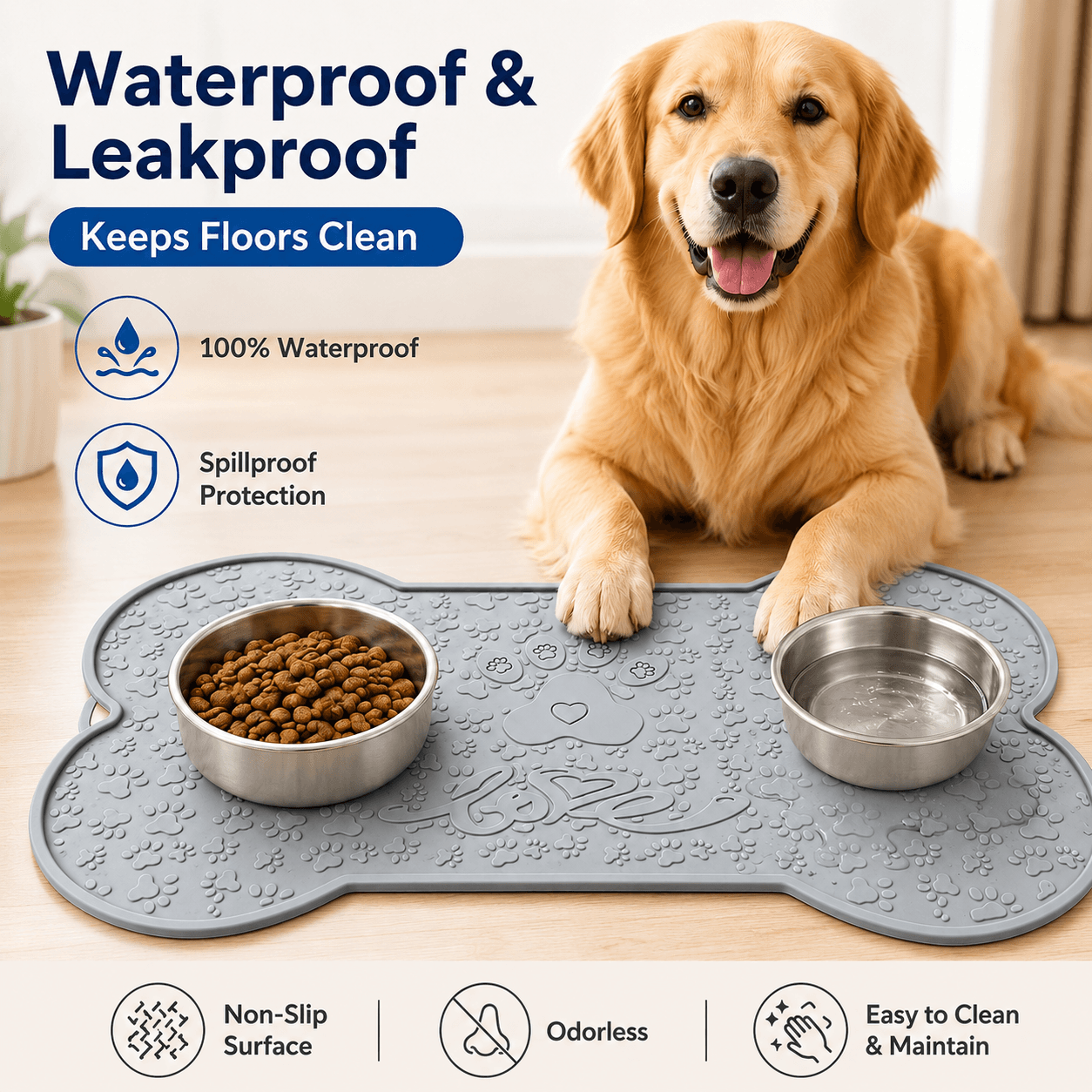
Pet ownership brings immense joy, but it also introduces daily challenges that can affect the cleanliness and condition of your home. One of the most persistent issues pet owners face is managing the mess created during feeding times. Water bowls tip over, food scatters across the floor, and moisture seeps into flooring materials, causing stains, warping, and long-term damage. A waterproof pet feeding pad serves as a practical barrier between your pet's dining area and your valuable flooring, offering protection that extends far beyond simple cleanup convenience. This specialized mat creates a dedicated feeding zone that contains spills, prevents moisture penetration, and maintains the integrity of wood, tile, laminate, and carpet surfaces beneath.
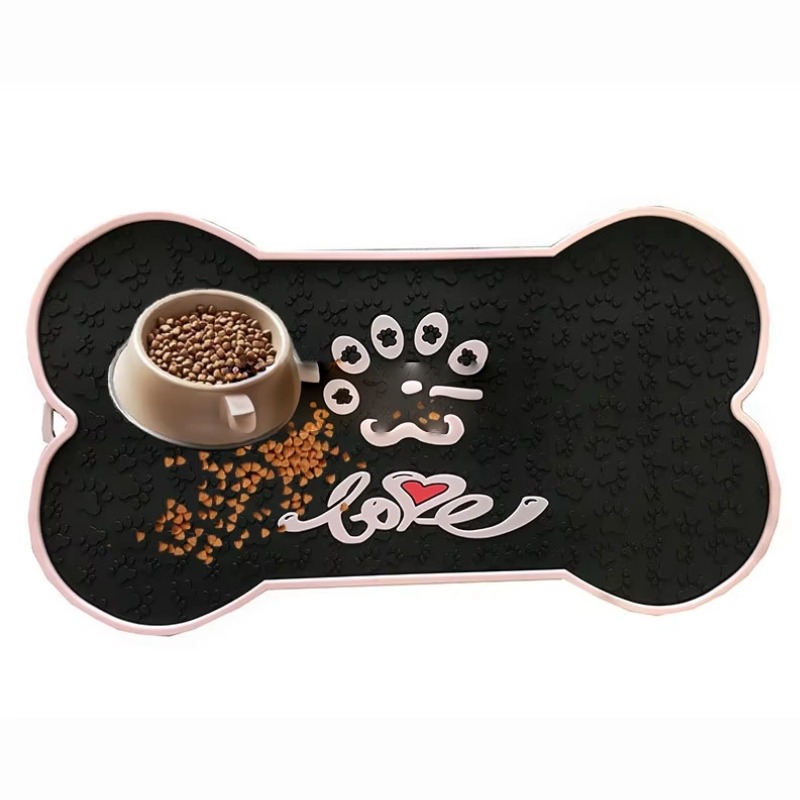
Understanding how a waterproof pet feeding pad functions to protect your floors requires examining both the material science behind these products and the practical mechanisms that prevent damage in real-world feeding scenarios. The protective capability stems from a combination of surface design, moisture-blocking layers, and edge containment features that work together to intercept liquids before they reach flooring surfaces. This comprehensive protection addresses multiple damage pathways including surface staining, moisture absorption, bacterial growth, and mechanical wear from bowl movement. By creating a controlled feeding environment, these mats transform a potentially destructive daily routine into a manageable, contained activity that preserves your home's appearance and structural integrity over years of pet ownership.
Physical Barrier Protection Against Direct Spill Contact
Impermeable Surface Layer Technology
The primary protective mechanism of a waterproof pet feeding pad lies in its impermeable surface layer that prevents liquids from passing through to the floor below. High-quality feeding mats incorporate materials such as food-grade silicone, thermoplastic polyurethane, or latex-backed fabrics that create a complete moisture barrier. When water splashes from a drinking bowl or wet food slides off during enthusiastic eating, the waterproof surface catches these spills and holds them on top of the mat rather than allowing penetration. This immediate interception is critical because once moisture reaches porous flooring materials like hardwood or unsealed tile grout, absorption begins within seconds and damage processes accelerate rapidly.
The effectiveness of this barrier depends on the continuity and durability of the waterproof layer throughout the mat's surface area. Premium waterproof pet feeding pad products feature seamless construction or fully sealed edges that eliminate weak points where liquids might seep through. The material thickness also plays a role, with denser compositions providing better resistance to punctures from sharp claws or heavy bowl bases that could compromise the protective layer. Unlike cloth mats or thin plastic sheets that may develop cracks or tears over time, properly engineered feeding pads maintain their impermeability through thousands of feeding sessions, providing reliable long-term floor protection.
Raised Edge Containment Systems
Many advanced waterproof pet feeding pad designs incorporate raised edges or lip structures that create a shallow containment basin around the feeding area. These perimeter barriers typically range from half an inch to two inches in height and serve as secondary protection against spill migration. When a water bowl tips over completely or a pet splashes vigorously while drinking, the raised edges prevent liquids from flowing off the mat onto surrounding floor surfaces. This containment feature is particularly valuable for enthusiastic drinkers, messy eaters, or pets with medical conditions that cause excessive drooling or regurgitation during meals.
The geometric design of edge containment varies across products, with some featuring subtle slopes and others incorporating more pronounced walls. The optimal configuration balances effective liquid retention with ease of pet access and cleaning convenience. A well-designed containment system allows pets to step onto the mat comfortably while still providing sufficient height to hold typical spill volumes. For households with multiple pets or large breeds that consume substantial water quantities, containment capacity becomes especially important. The raised edge structure works synergistically with the waterproof surface layer, ensuring that even when spills exceed the mat's absorption capacity, liquids remain confined within the designated feeding zone rather than spreading across valuable flooring.
Non-Slip Base Anchoring Mechanism
The protective effectiveness of a waterproof pet feeding pad depends partly on its ability to remain stationary during use. A mat that slides across the floor when pets push against food bowls or step onto its surface cannot reliably protect the area beneath. Quality feeding mats incorporate non-slip backing materials such as textured rubber, silicone grip patterns, or specialized polymer compounds that create friction against floor surfaces. This anchoring mechanism prevents the mat from bunching, folding, or shifting away from the feeding area, maintaining consistent coverage over the protected floor section.
The stability provided by non-slip backing serves multiple protective functions beyond simply keeping the mat in place. When a waterproof pet feeding pad remains firmly positioned, bowls placed on its surface also experience reduced movement, decreasing the likelihood of tip-overs and major spills. The secure placement also prevents gaps from opening between the mat edge and floor, eliminating pathways for liquids to seep underneath. For pets with arthritis or mobility challenges, a stable feeding surface provides additional safety benefits by reducing slip risks during meals. The combination of waterproof top layers and grip-enhanced bottom surfaces creates a comprehensive protective system that addresses both spill containment and positional stability throughout daily feeding routines.
Moisture Damage Prevention Across Different Flooring Types
Hardwood Floor Protection Mechanisms
Hardwood flooring represents one of the most vulnerable surfaces to moisture damage from pet feeding activities. Wood naturally absorbs water through its porous structure, and repeated exposure to spills causes swelling, warping, cupping, and finish degradation. A waterproof pet feeding pad creates an essential barrier that prevents this moisture contact entirely. The impermeable layer stops water from reaching the wood grain, eliminating the absorption process that initiates structural changes. This protection is particularly critical around water bowls where condensation, splashing, and occasional overturning create constant moisture exposure throughout the day.
The long-term financial value of using a protective feeding mat becomes evident when considering hardwood floor repair costs. Replacing warped boards, refinishing damaged sections, or addressing mold growth beneath compromised flooring can cost thousands of dollars. Beyond structural damage, moisture exposure also deteriorates protective finishes like polyurethane or wax coatings, creating dull patches and discolored areas that mar the floor's appearance. The waterproof pet feeding pad prevents these finish failures by maintaining a dry environment around the feeding station. For engineered hardwood, which is even more susceptible to moisture damage than solid wood due to its layered construction, this protective barrier becomes absolutely essential for preserving floor integrity.
Tile and Grout Safeguarding
While ceramic or porcelain tile surfaces themselves resist water damage effectively, the grout lines between tiles remain highly vulnerable to moisture-related problems. Grout is porous by nature and readily absorbs liquids, pet food particles, and bacterial contaminants from spills. Over time, this absorption leads to discoloration, staining, and deterioration of grout integrity. A waterproof pet feeding pad positioned over tile flooring prevents spills from settling into grout lines, maintaining their appearance and structural stability. The protective coverage is especially important in kitchens or utility areas where tile flooring commonly appears and feeding stations are typically located.
Beyond staining concerns, moisture penetration into grout creates conditions favorable for mold and mildew growth, particularly in humid climates or poorly ventilated spaces. These biological growths not only produce unpleasant odors but also compromise indoor air quality and can trigger allergic reactions in sensitive household members. The waterproof pet feeding pad blocks the moisture that would otherwise create these growth conditions, maintaining a more hygienic feeding environment. Additionally, the mat protects grout from mechanical wear caused by bowls scraping across the surface during meals, preserving grout lines from erosion that would eventually require costly regrouting procedures.
Laminate and Vinyl Flooring Preservation
Laminate flooring consists of a photographic layer sandwiched between protective coatings, installed over a wood composite core. This construction makes laminate particularly susceptible to moisture damage along seams and edges where water can penetrate to the absorbent core material. Once moisture reaches this core layer, swelling occurs rapidly and irreversibly, causing planks to lift, separate, and buckle. A waterproof pet feeding pad prevents this catastrophic damage by containing all spills on its surface before they can reach laminate seams. The protective value is magnified in feeding areas where daily water exposure occurs consistently.
Vinyl flooring, while more water-resistant than laminate, still benefits significantly from feeding mat protection. Luxury vinyl plank or tile installations use adhesive systems that can weaken with prolonged moisture exposure, potentially causing planks to lift or create gaps. Even sheet vinyl, which offers better moisture resistance, can experience adhesive failure around edges if water repeatedly seeps underneath. The waterproof pet feeding pad eliminates these moisture exposure risks entirely, extending the service life of vinyl installations substantially. For both laminate and vinyl floors, the mat also prevents surface scratching from bowls sliding during feeding, preserving the photographic wear layer that gives these products their aesthetic appeal.
Food Debris Containment and Bacterial Growth Prevention
Solid Particle Capture Functionality
Beyond liquid spills, pet feeding activities generate substantial solid debris including kibble pieces, wet food remnants, treats, and food particles scattered during eating. Without a waterproof pet feeding pad, these food materials fall directly onto flooring where they can be ground into surface textures, attract insects, and create feeding grounds for bacteria. The mat's surface captures these solid particles, containing them within the designated feeding area rather than allowing dispersion across the floor. This containment simplifies cleanup significantly, as all debris remains concentrated on the mat surface where it can be quickly removed through wiping or shaking.
The texture and material composition of quality feeding mats are engineered to facilitate easy debris removal while preventing particle embedding. Smooth, non-porous surfaces allow food particles to rest on top rather than becoming trapped in surface irregularities. This design characteristic is essential for maintaining hygiene because embedded food particles decompose over time, producing odors and creating bacterial growth sites that compromise the feeding area's cleanliness. Regular removal of captured debris from the waterproof pet feeding pad surface prevents these decomposition processes from initiating, maintaining a more sanitary feeding environment that protects both floor surfaces and household health.
Antimicrobial Surface Properties
Premium waterproof pet feeding pad products often incorporate antimicrobial additives or surface treatments that actively inhibit bacterial growth on the mat itself. These technologies work through various mechanisms including metal ion release, chemical biocides, or surface modifications that prevent bacterial adhesion. When food residues or moisture remain on a feeding surface, bacterial populations can multiply rapidly, creating biofilms that produce odors and pose health risks. Antimicrobial-treated mats suppress this bacterial proliferation, maintaining a more hygienic feeding station even between cleaning sessions.
The floor protection benefits of antimicrobial properties extend beyond the mat surface itself. By preventing bacterial establishment on the feeding pad, these treatments reduce the microbial load that might otherwise transfer to flooring through spill overflow or mat movement. This is particularly valuable for porous floor materials like unsealed wood or natural stone that can harbor bacterial colonies in their surface structures once contamination occurs. The waterproof pet feeding pad essentially creates a sanitary barrier that interrupts bacterial transmission pathways from feeding activities to permanent floor surfaces, contributing to overall household hygiene while simultaneously protecting flooring materials from biological degradation processes.
Odor Control and Stain Prevention
Food and water spills that reach flooring materials often produce persistent odors that are difficult to eliminate once organic materials penetrate porous surfaces. Pet food contains proteins and fats that decompose readily, generating unpleasant smells that permeate wood grain, grout, or carpet backing. A waterproof pet feeding pad prevents this odor establishment by capturing spills before floor contact occurs. The impermeable barrier ensures that odor-causing compounds remain on the mat surface where they can be cleaned away completely, rather than soaking into flooring where removal becomes nearly impossible without professional restoration.
Staining represents another significant floor damage mechanism that feeding mats prevent effectively. Many pet foods contain colorants, oils, and pigmented ingredients that create stubborn stains on flooring materials. Once these compounds penetrate floor surfaces, they bond chemically with the material structure, making removal extremely difficult without aggressive treatments that may damage the floor itself. The waterproof pet feeding pad blocks this staining pathway entirely, maintaining the original appearance of flooring beneath the feeding area. For light-colored floors or premium materials where aesthetic preservation is particularly important, this stain prevention capability justifies the feeding mat investment many times over through avoided restoration costs.
Long-Term Flooring Preservation and Maintenance Benefits
Reduction in Deep Cleaning Requirements
The daily use of a waterproof pet feeding pad significantly reduces the frequency and intensity of floor cleaning needed around feeding areas. Without mat protection, pet feeding zones require frequent mopping, scrubbing, and specialized cleaning treatments to remove accumulated spills, food residues, and stains. These intensive cleaning procedures are time-consuming and often require harsh chemical cleaners that can themselves damage floor finishes over time. The feeding mat concentrates all mess on its easily cleaned surface, allowing floor cleaning in surrounding areas to proceed at normal intervals rather than requiring specialized attention.
This reduction in cleaning burden extends beyond simple convenience to affect floor longevity measurably. Frequent mopping and scrubbing accelerate wear on floor finishes, gradually degrading protective coatings that preserve the underlying material. Hardwood floors lose their sheen, tile grout erodes away, and laminate protective layers thin out with repeated aggressive cleaning. By minimizing the need for such intensive maintenance in feeding areas, the waterproof pet feeding pad helps preserve floor finishes in their original condition. The mat itself requires only simple wiping or rinsing to clean, making feeding area maintenance both easier and less damaging to permanent flooring installations.
Extension of Floor Refinishing Intervals
Most flooring materials eventually require refinishing, resealing, or replacement due to accumulated wear and damage. For hardwood floors, refinishing typically becomes necessary every seven to ten years under normal residential use, but high-traffic areas or moisture-exposed zones may require attention much sooner. Pet feeding areas without adequate protection often show damage years before surrounding floor sections, necessitating premature refinishing that creates expense and inconvenience. A waterproof pet feeding pad preserves the floor condition beneath it at levels comparable to protected, low-traffic areas, extending the time before refinishing becomes necessary.
The economic value of this extended service life becomes substantial when considering refinishing costs. Professional hardwood refinishing typically costs several dollars per square foot, while tile regrouting, laminate replacement, or vinyl reinstallation carry similar expense levels. By preventing the premature wear and damage that would otherwise occur in feeding areas, the waterproof pet feeding pad effectively pays for itself many times over through delayed maintenance needs. For rental properties or households planning to sell, maintaining floor condition with protective mats also preserves property value and appeal, avoiding the negative impressions created by visibly damaged feeding areas that signal neglect to potential buyers or tenants.
Prevention of Structural Floor Damage
In severe cases, prolonged moisture exposure from unprotected pet feeding areas can cause structural damage that extends beyond surface-level problems to affect subflooring and even floor joists. When water repeatedly penetrates through flooring materials, it can saturate underlying plywood or OSB subflooring, causing rot, mold growth, and structural weakening. This type of damage may not become apparent until extensive deterioration has occurred, potentially requiring major renovation work involving subfloor replacement and mold remediation. A waterproof pet feeding pad prevents this catastrophic damage pathway by ensuring that no moisture from feeding activities ever reaches the floor surface, let alone penetrates to structural layers below.
The protective value of preventing structural damage cannot be overstated, as such repairs can easily cost thousands of dollars and require extensive disruption to living spaces during remediation. Insurance policies often exclude coverage for damage resulting from long-term maintenance neglect, leaving homeowners fully responsible for these costs. The consistent use of a waterproof pet feeding pad in pet dining areas represents a simple preventive measure that eliminates this risk entirely. For multi-level homes where a feeding area on an upper floor sits above finished living spaces, the protection becomes even more critical as water damage could affect ceiling and wall surfaces in rooms below, multiplying repair complexity and expense substantially.
Selection and Maintenance Factors for Optimal Floor Protection
Size and Coverage Area Considerations
Selecting an appropriately sized waterproof pet feeding pad is essential for achieving comprehensive floor protection. The mat must extend beyond the immediate bowl placement area to capture spills that occur during enthusiastic eating, water splashing, or bowl tipping incidents. For small pets, a mat measuring eighteen by twelve inches may suffice, while medium to large dogs require mats of thirty by twenty inches or larger to provide adequate coverage. Multiple pet households or feeding stations with both food and water bowls separated may need extra-large mats or multiple coordinated mat placements to protect the entire feeding zone effectively.
Beyond basic dimensions, the shape of the waterproof pet feeding pad should complement the feeding area configuration. Rectangular mats suit most standard feeding setups, while oval or contoured designs may fit better in corners or along walls. Some advanced products feature modular designs that allow expansion or custom configuration to match specific space requirements. When evaluating size adequacy, consider not only static bowl placement but also the movement patterns pets exhibit during feeding—some animals circle their bowls, back away while chewing, or push bowls across surfaces. The protective mat should accommodate these behavioral patterns with sufficient margin to contain resulting spills and debris within its boundaries.
Material Durability and Longevity Factors
The protective effectiveness of a waterproof pet feeding pad depends on maintaining its structural integrity and waterproof properties throughout extended use periods. Material quality varies significantly across products, with premium silicone and thick rubber formulations offering superior durability compared to thin vinyl or low-grade plastics. High-quality materials resist cracking, tearing, and degradation from repeated exposure to pet claws, bowl impacts, cleaning chemicals, and temperature variations. When evaluating material durability, consider the mat's thickness, flexibility, and resistance to permanent deformation from bowl weight or pet traffic.
The expected service life of feeding mats ranges from less than a year for low-quality products to five years or more for premium options. This longevity difference directly affects the long-term value proposition and effectiveness of floor protection. A mat that develops cracks or loses its waterproof properties after a few months fails in its protective mission, potentially allowing damage during the period between failure and replacement. Investing in a durable waterproof pet feeding pad made from premium materials ensures consistent protection throughout its service life, avoiding the floor damage that could occur if using inferior products that fail prematurely. Material certifications such as food-grade approval, BPA-free composition, and UV stability indicators often correlate with overall quality and durability.
Cleaning Protocol Optimization
Maintaining the protective effectiveness of a waterproof pet feeding pad requires regular cleaning that removes accumulated debris, moisture, and bacterial contamination without damaging the mat itself. Daily maintenance typically involves wiping the surface with a damp cloth to remove fresh spills and food particles before they dry or become embedded. Weekly deep cleaning with mild soap and warm water removes buildup that daily wiping may miss, maintaining the mat's appearance and hygiene. The cleaning frequency should increase for households with multiple pets, messy eaters, or medical conditions that create additional contamination.
The cleaning method must preserve the mat's waterproof properties and structural integrity. Avoid harsh chemical cleaners, abrasive scrubbing tools, or high-temperature washing that could degrade waterproof coatings or cause material breakdown. Most quality waterproof pet feeding pad products tolerate mild detergents and can be rinsed under running water or wiped with disinfectant solutions designed for pet products. Proper drying after cleaning is essential to prevent water spots, mineral deposits, or moisture accumulation that could compromise the mat's protective function or create conditions for bacterial growth. Some mats are dishwasher-safe, offering convenient sanitization options, though verifying manufacturer recommendations before machine washing prevents accidental damage to products not designed for such treatment.
FAQ
How does a waterproof pet feeding pad differ from a regular floor mat?
A waterproof pet feeding pad features specialized construction with impermeable layers that completely block liquid penetration, whereas regular floor mats may only resist moisture temporarily before allowing seepage. The feeding pad incorporates materials like silicone, thermoplastic polyurethane, or latex backing that create absolute barriers against water and food spills. Additionally, feeding pads often include raised edges for spill containment, non-slip backing for stability during pet feeding activities, and food-safe materials that resist bacterial growth. Regular decorative or utility mats lack these specialized features and will eventually allow moisture to pass through to flooring beneath, failing to provide the comprehensive protection needed in pet feeding areas where spills occur daily.
Can a waterproof pet feeding pad prevent all types of floor damage?
A waterproof pet feeding pad effectively prevents damage specifically caused by moisture exposure, food spills, and minor mechanical wear from bowl movement. This includes protection against water staining, warping, grout discoloration, bacterial growth, and finish degradation that result from feeding activities. However, feeding mats do not protect against all possible floor damage mechanisms such as deep scratches from furniture, heavy impact damage, or general wear from foot traffic outside the feeding area. The mat's protective capability is limited to the coverage area beneath it, so surrounding floor sections remain vulnerable unless separately protected. Additionally, if the mat itself is not properly maintained or develops damage that compromises its waterproof layer, its protective effectiveness diminishes until the damaged mat is replaced.
How often should I replace my waterproof pet feeding pad?
Replacement frequency for a waterproof pet feeding pad depends on material quality, usage intensity, and maintenance practices. High-quality silicone or thick rubber mats typically last three to five years with proper care, while lower-grade vinyl or thin plastic options may require replacement within six to twelve months. Visual inspection provides the best replacement indicator—look for cracks, tears, permanent deformation, loss of waterproof properties, or deteriorating edges that could allow spill leakage. If water no longer beads on the surface or seems to seep through, the waterproof layer has failed and immediate replacement is necessary to maintain floor protection. Households with large dogs, multiple pets, or aggressive eaters may need more frequent replacements due to accelerated wear. Regular cleaning and avoiding exposure to extreme temperatures or harsh chemicals extends mat lifespan significantly.
What size waterproof pet feeding pad do I need for effective floor protection?
The appropriate waterproof pet feeding pad size depends on your pet's size, eating behavior, and feeding station configuration. Small cats or toy breed dogs typically require mats measuring at least twelve by eighteen inches, while medium dogs need approximately eighteen by twenty-four inches, and large breeds benefit from mats of thirty by twenty inches or larger. The mat should extend at least four to six inches beyond bowl edges in all directions to catch spills from enthusiastic eating or water splashing. For multiple pet households or feeding stations with separated food and water bowls, consider extra-large mats of forty inches or more, or use multiple coordinated mats to create comprehensive coverage. Observing your pet's feeding behavior helps determine adequate size—if your pet moves bowls significantly, circles while eating, or tends to splash water vigorously, select a larger mat to accommodate these movement patterns and ensure complete spill containment within the protected area.