
 EN
EN



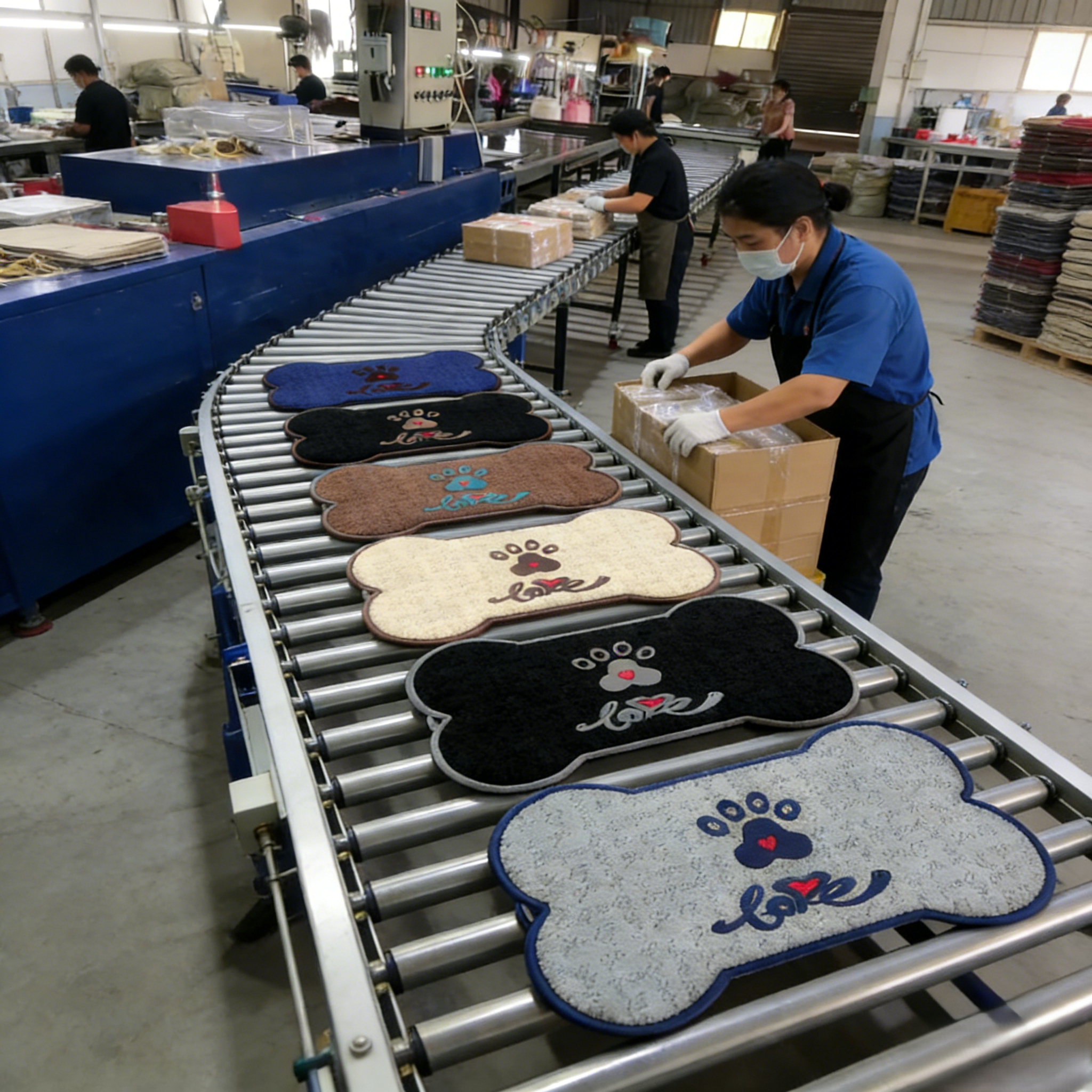
Selecting the right materials for heavy-duty pet feeding pads requires understanding the unique demands placed on these products in both residential and commercial environments. Pet owners and facility managers frequently encounter challenges with premature wear, water damage, and material degradation when feeding stations experience constant use from large breeds, multiple animals, or high-traffic settings. The durability of heavy-duty pet feeding pads depends fundamentally on the material composition, manufacturing process, and inherent resistance to moisture, mechanical stress, and chemical exposure from food acids and cleaning agents. This comprehensive analysis examines the specific material properties that deliver exceptional longevity and performance under demanding conditions.
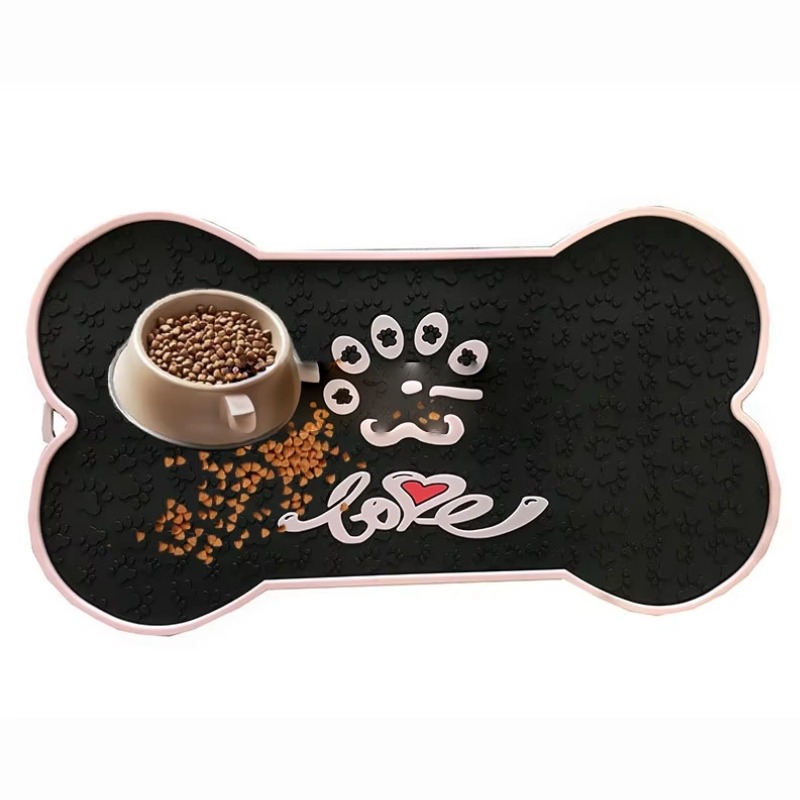
The distinction between standard feeding accessories and genuine heavy-duty solutions lies in material engineering designed to withstand daily abuse. Facilities such as veterinary clinics, boarding kennels, breeding operations, and multi-pet households require feeding station surfaces that maintain structural integrity through thousands of feeding cycles, repeated cleaning protocols, and exposure to aggressive substances. Understanding which materials deliver optimal durability enables informed procurement decisions that reduce replacement frequency, lower total ownership costs, and maintain hygienic feeding environments over extended operational periods. This article identifies the material classes that consistently demonstrate superior performance in heavy-duty applications and explains the specific properties that contribute to their exceptional durability.
Material Properties That Define Durability in Heavy-Duty Applications
Physical Strength and Abrasion Resistance
The foremost requirement for heavy-duty pet feeding pads involves resistance to physical wear from claws, repeated bowl movement, and aggressive eating behaviors exhibited by large or enthusiastic feeders. Materials must demonstrate high tensile strength to prevent tearing and puncture resistance to withstand concentrated pressure points. Natural rubber latex formulations provide exceptional elasticity combined with tear resistance, allowing the material to flex under stress without developing permanent deformations or surface damage. The molecular structure of crosslinked rubber creates a resilient matrix that absorbs impact energy and distributes stress across the material thickness rather than concentrating damage at specific points.
Surface hardness ratings indicate a material's resistance to scratching and abrasion from daily contact with food bowls, pet claws, and floor surfaces during repositioning. Heavy-duty pet feeding pads constructed from materials with Shore A hardness values between 60 and 80 typically offer the optimal balance between flexibility for comfort and firmness for durability. This hardness range prevents deep scratching while maintaining enough give to resist cracking under flexural stress. Materials that fall below this range may show rapid surface degradation, while excessively hard materials become brittle and prone to stress fractures at edges and corners where bending occurs most frequently.
Abrasion resistance testing quantifies how materials perform under repetitive friction conditions that simulate years of service in actual feeding environments. Premium latex and thermoplastic elastomer formulations demonstrate abrasion resistance values that exceed conventional vinyl or thin foam alternatives by factors of three to five times. This translates directly to extended service life in commercial settings where feeding pads experience continuous use throughout operating hours. The molecular cohesion within high-quality elastomers prevents surface particle detachment even after thousands of cleaning cycles, maintaining both functional performance and aesthetic appearance far longer than commodity-grade alternatives.
Chemical Resistance and Cleaning Durability
Heavy-duty pet feeding pads must withstand repeated exposure to food acids, oils, enzymatic cleaning products, and disinfectants without experiencing material degradation or surface breakdown. Natural latex rubber exhibits remarkable resistance to weak acids and alkaline substances commonly found in pet foods and cleaning solutions. The vulcanization process used in quality latex production creates chemical crosslinks that prevent polymer chain breakdown when exposed to typical pH ranges encountered in feeding applications. This chemical stability ensures that heavy-duty pet feeding pads maintain their structural properties and do not become sticky, brittle, or discolored after routine sanitization procedures.
The non-porous nature of properly manufactured rubber and thermoplastic surfaces prevents liquid penetration that would otherwise compromise internal structure and create bacterial harboring environments. When cleaning solutions contact porous materials, they can penetrate beneath the surface layer where microbial growth develops beyond the reach of surface sanitization efforts. Heavy-duty materials with sealed surface structures allow complete removal of food residues and biological contaminants during each cleaning cycle, maintaining hygienic conditions essential in multi-animal environments. This impermeability also prevents odor absorption that plagues lower-quality foam or fabric-based feeding accessories after extended use.
Repeated thermal cycling from hot water washing and disinfection processes subjects materials to expansion and contraction stresses that can cause delamination, warping, or surface cracking in inferior products. Premium rubber latex and engineered thermoplastics maintain dimensional stability across temperature ranges from below freezing to sanitization temperatures exceeding 80 degrees Celsius. This thermal resilience allows heavy-duty pet feeding pads to undergo commercial dishwasher cycles or pressure washing without degradation, supporting the intensive hygiene protocols required in veterinary and boarding facilities where disease prevention demands rigorous sanitation standards.
Natural Rubber Latex as the Premium Durability Standard
Molecular Structure and Performance Advantages
Natural rubber latex derived from Hevea brasiliensis trees contains polyisoprene polymers with molecular weights exceeding one million units, creating exceptionally long chain structures that contribute to superior elasticity and resilience. When properly vulcanized through sulfur crosslinking, these polymer chains form three-dimensional networks capable of stretching to several times their original length while returning to initial dimensions without permanent set or fatigue. This molecular architecture makes latex-based heavy-duty pet feeding pads uniquely resistant to the repeated flexing, compression, and recovery cycles that occur during daily use in active feeding environments.
The inherent tackiness of natural rubber surfaces provides exceptional grip characteristics that prevent feeding pad migration across smooth flooring without requiring additional backing materials or surface treatments. This self-gripping property results from van der Waals forces between the rubber surface and contact substrates, creating friction coefficients typically exceeding 0.8 even when wet. For heavy-duty applications involving large dogs or enthusiastic eaters that generate significant lateral forces during feeding, this natural slip resistance maintains feeding station stability without secondary adhesives that may leave residues or lose effectiveness over time.
Natural latex demonstrates excellent resistance to water penetration while remaining permeable to air molecules, allowing moisture vapor trapped beneath feeding pads to gradually escape rather than accumulating and promoting mold growth. This vapor permeability combined with liquid impermeability creates an ideal balance for maintaining dry surface conditions while preventing water damage to underlying floor surfaces. In commercial kennel environments where feeding areas undergo daily washing, this property prevents the waterlogging and bacterial growth issues common with closed-cell foam or impermeable vinyl alternatives that trap moisture indefinitely.
Production Quality Factors Affecting Longevity
The durability of latex-based heavy-duty pet feeding pads correlates directly with manufacturing quality controls governing latex concentration, vulcanization parameters, and impurity removal. Premium products utilize latex compounds with solid rubber content exceeding 60 percent by weight, resulting in dense, uniform matrices with minimal void spaces that could compromise structural integrity. Lower-grade formulations dilute latex with excessive filler materials that reduce both mechanical strength and chemical resistance while creating weak points where tearing initiates under stress.
Vulcanization temperature and duration critically influence the degree of crosslinking achieved between polymer chains, directly affecting the final product's resistance to permanent deformation and fatigue failure. Optimal vulcanization creates sufficient crosslinks to prevent creep and set while avoiding excessive crosslinking that makes materials brittle and prone to cracking. Professional-grade heavy-duty pet feeding pads undergo carefully controlled curing cycles that produce crosslink densities yielding Shore A hardness values in the optimal 65-75 range, balancing flexibility with durability for maximum service life under demanding conditions.
Surface finishing processes determine whether latex products develop the smooth, sealed exterior essential for easy cleaning and resistance to staining. Quality manufacturers employ calendering or similar techniques that compress surface layers while heating, creating a dense skin that resists penetration by liquids and food particles. This finishing step transforms the naturally porous structure of raw latex into an effectively impermeable barrier while maintaining the material's underlying flexibility and resilience. Inferior products lacking proper surface treatment exhibit rapid staining and odor absorption as food oils and bacteria penetrate surface irregularities beyond the reach of standard cleaning methods.
Thermoplastic Elastomers and Engineered Rubber Alternatives
Synthetic Material Advantages for Specific Applications
Thermoplastic polyurethane and other engineered elastomers offer specific performance advantages in heavy-duty pet feeding pads designed for extreme chemical exposure or specialized cleaning requirements. These synthetic materials exhibit exceptional resistance to oils, strong acids, and aggressive solvents that might degrade natural rubber in specialized industrial or laboratory animal care settings. The ability to formulate thermoplastic elastomers with precise hardness, flexibility, and chemical resistance profiles enables customization for unique application requirements that fall outside the capability range of natural latex alternatives.
Unlike thermoset rubbers that undergo irreversible chemical changes during curing, thermoplastic elastomers can be reprocessed through heating, offering potential advantages in manufacturing efficiency and end-of-life recycling. This thermoplastic behavior allows production of heavy-duty pet feeding pads through injection molding processes that achieve tighter dimensional tolerances and more complex geometries than possible with latex dipping or casting methods. For applications requiring precise edge profiles, integrated drainage channels, or interlocking connection systems, thermoplastic materials provide manufacturing flexibility that supports advanced product designs.
The color stability of engineered thermoplastics exceeds that of natural rubber when exposed to ultraviolet light, making these materials preferable for outdoor feeding stations or facilities with significant window exposure. While latex products may yellow or darken with prolonged UV exposure, properly stabilized thermoplastic formulations maintain original appearance for years of outdoor service. This aesthetic durability matters particularly in commercial settings where facility appearance influences client perceptions of cleanliness and professionalism, making visual aging as important as functional degradation in determining product replacement cycles.
Comparative Performance in Real-World Conditions
Field testing in commercial boarding facilities demonstrates that premium natural latex heavy-duty pet feeding pads typically deliver service lives of three to five years under continuous use conditions, compared to six months to two years for thermoplastic alternatives in equivalent applications. This longevity advantage stems from latex's superior resistance to tear propagation and its ability to maintain flexibility despite repeated stress cycling. The molecular structure of crosslinked natural rubber prevents small surface damage from developing into catastrophic failures, allowing products to remain functional even after developing minor cosmetic wear.
Cost-effectiveness analysis must consider both initial purchase price and expected replacement frequency to determine true value in heavy-duty applications. While thermoplastic products may offer lower unit costs, their shorter service life often results in higher total ownership costs over multi-year operational periods. Natural latex heavy-duty pet feeding pads commanding premium prices frequently prove more economical when their extended durability reduces replacement frequency and associated labor costs for procurement, installation, and disposal of failed products.
Environmental exposure testing reveals significant performance differences between material types when feeding pads experience temperature extremes common in garage feeding areas, outdoor kennels, or vehicles used for pet transport. Natural rubber maintains flexibility at temperatures well below freezing, preventing the brittleness that causes thermoplastic materials to crack when flexed in cold conditions. Conversely, some thermoplastic formulations resist softening at elevated temperatures better than natural rubber, making them preferable for feeding stations in hot vehicles or direct sunlight exposure where temperatures may exceed 60 degrees Celsius.
Composite Construction and Multi-Layer Engineering
Structural Layer Systems for Enhanced Performance
Advanced heavy-duty pet feeding pads often employ multi-layer constructions that combine materials with complementary properties to achieve performance characteristics unattainable with single-material designs. A typical high-performance composite structure might feature a natural latex top layer for food contact and cleaning resistance, a polyester reinforcement mesh for dimensional stability and tear resistance, and a synthetic rubber backing layer optimized for floor grip and moisture barrier properties. This engineered approach allows each material to contribute its strengths while the composite structure mitigates individual material limitations.
Reinforcement fabrics embedded within rubber matrices dramatically increase resistance to tear propagation and puncture damage from sharp objects or aggressive scratching. Polyester or nylon mesh materials with optimized thread spacing provide structural support without compromising flexibility, creating heavy-duty pet feeding pads that resist catastrophic failure even when surface damage occurs. The reinforcement prevents localized damage from spreading across the product, extending functional life by containing wear to specific zones rather than allowing failures to propagate through unreinforced materials.
Adhesive bonding technology between composite layers critically influences overall durability and delamination resistance. Premium products utilize specialized adhesive formulations or vulcanization bonding processes that create chemical bonds between layers rather than relying solely on mechanical adhesion. These chemical bonds prevent delamination even when composite structures undergo repeated flexing, thermal cycling, and exposure to cleaning solutions that might penetrate mechanical bond interfaces. Inferior composite products frequently fail through layer separation rather than material breakdown, with adhesive failure occurring long before the component materials reach end of service life.
Edge Sealing and Perimeter Protection
The edges of heavy-duty pet feeding pads represent vulnerable zones where layers meet and internal structures become exposed to external stresses. Quality manufacturing incorporates edge sealing processes that encapsulate cut edges within continuous rubber or thermoplastic borders, preventing moisture penetration into reinforcement layers and eliminating delamination initiation points. Molded edges that integrate smoothly with top and bottom surfaces eliminate the sharp transitions and exposed fabric edges common in cut-and-bound construction methods, creating products with uniform durability across entire surface areas including perimeter zones.
Corner reinforcement becomes particularly important in rectangular feeding pad designs where stress concentrations develop during handling and use. Radius corners with increased material thickness or supplementary reinforcement resist the tearing that frequently begins at sharp corners when products undergo repeated folding or experience impact loading. The corner geometry of heavy-duty pet feeding pads should feature curves rather than acute angles, distributing mechanical stress more evenly through the material structure and eliminating the stress concentration points where failure typically initiates in sharp-cornered designs.
Heat-sealed or molded perimeter construction methods create monolithic edge structures superior to sewn or adhesive-bonded alternatives common in economy-grade products. These advanced manufacturing techniques prevent edge fraying, thread deterioration, and adhesive degradation that compromise perimeter integrity in constructed products. For heavy-duty applications where feeding pads undergo frequent repositioning and cleaning, monolithic edge construction eliminates premature failure modes associated with edge finishing methods that rely on secondary assembly processes rather than integrated material structures.
Material Selection Criteria for Specific Use Cases
Commercial Facility Requirements
Veterinary clinics, boarding kennels, and grooming facilities require heavy-duty pet feeding pads that withstand intensive daily use combined with aggressive cleaning protocols mandated by health regulations. Natural latex products with antimicrobial surface treatments provide optimal performance in these environments, offering the durability necessary for continuous operation while supporting the hygiene standards essential for disease prevention. The ability to withstand daily pressure washing and chemical disinfection without degradation makes premium latex the material of choice for facilities where equipment replacement disrupts operations and cleaning effectiveness directly impacts business reputation.
Animal shelters and rescue operations face unique durability challenges from high animal turnover, limited maintenance budgets, and the need for products that function reliably despite minimal oversight. Heavy-duty pet feeding pads for these applications should prioritize resistance to neglect and abuse rather than aesthetic considerations, favoring thick, monolithic rubber construction over composite designs with multiple failure modes. The self-cleaning properties of smooth rubber surfaces reduce maintenance requirements while maintaining functionality even when cleaning schedules slip during periods of high intake or staff shortages.
Breeding facilities housing multiple animals require feeding station materials that resist bacterial colonization and remain hygienic through years of continuous use supporting successive generations of animals. The non-porous nature of properly manufactured heavy-duty pet feeding pads prevents biofilm development that can occur in porous materials, maintaining sanitary conditions essential for preventing disease transmission between animals and successive litters. Materials that can undergo autoclave sterilization provide additional safety margins in breeding operations where disease introduction could compromise entire bloodlines and years of genetic selection work.
Residential Multi-Pet Household Considerations
Households with multiple large dogs or cats generate feeding station demands approaching light commercial use levels, requiring heavy-duty pet feeding pads with durability exceeding standard consumer products. Natural latex materials provide residential users with professional-grade performance while offering aesthetic appeal through color options and surface patterns not typically available in purely industrial products. The investment in premium materials pays dividends through multi-year service life that eliminates the recurring expense and inconvenience of frequent replacement common with economy-grade alternatives designed for light-duty applications.
Floor protection becomes paramount in residential settings where feeding stations occupy finished hardwood, tile, or carpet surfaces susceptible to water damage and staining from spilled food and water. The waterproof barrier provided by quality rubber heavy-duty pet feeding pads prevents moisture migration to underlying floors while the non-slip backing eliminates the pad movement that allows water to escape beyond protected zones. This dual protection capability preserves floor finishes and prevents the subfloor water damage that can require expensive remediation if feeding station moisture reaches structural materials.
Aesthetic integration with home décor influences material selection for residential heavy-duty pet feeding pads, creating demand for products that balance functional durability with visual appeal. Modern manufacturing techniques enable production of natural latex products in diverse colors and surface patterns that coordinate with kitchen and utility room design themes while maintaining the material properties essential for heavy-duty performance. This convergence of function and aesthetics allows homeowners to install commercial-grade feeding station protection without the institutional appearance of purely utilitarian industrial products.
FAQ
How does material thickness affect the durability of heavy-duty pet feeding pads?
Material thickness directly influences puncture resistance, cushioning properties, and overall service life of heavy-duty pet feeding pads. Products with rubber thickness between 3mm and 6mm provide optimal balance between flexibility and protection for most applications. Thinner materials under 2mm lack sufficient mass to resist puncture from sharp objects and may telegraph surface irregularities from underlying floors. Excessively thick products above 8mm create tripping hazards and may become unwieldy during cleaning while providing minimal additional durability benefits compared to optimally engineered 4-5mm constructions that deliver excellent performance without unnecessary bulk.
Can heavy-duty pet feeding pads maintain durability when used outdoors?
Quality heavy-duty pet feeding pads manufactured from UV-stabilized materials maintain excellent durability in outdoor environments provided they receive basic care to prevent prolonged water submersion and extreme temperature exposure. Natural latex products with UV inhibitors resist sun damage for several years of outdoor service while maintaining flexibility through seasonal temperature cycles. The primary outdoor durability concerns involve preventing ice formation within material structures during freezing conditions and ensuring adequate drainage to prevent standing water accumulation that accelerates degradation. Outdoor feeding pads should be periodically cleaned and inspected for damage, with replacement indicated when surface cracking or significant flexibility loss occurs.
What maintenance practices extend the life of heavy-duty pet feeding pads?
Regular cleaning with mild detergent and water prevents food residue accumulation that can degrade materials over time while periodic inspection identifies minor damage before it propagates into major failures. Avoid petroleum-based cleaners and strong solvents that may attack rubber compounds, instead using enzymatic cleaners specifically formulated for pet accessories. Allow feeding pads to dry completely between uses when possible, and store rolled rather than folded to prevent permanent creasing that creates stress concentration zones. Rotate multiple pads in high-use environments to distribute wear across products rather than continuously stressing a single pad, effectively multiplying service life through periodic rest cycles that allow materials to recover from compression set.
Are recycled rubber materials suitable for durable pet feeding applications?
Recycled rubber products generally lack the material consistency and performance characteristics required for true heavy-duty pet feeding pad applications despite environmental appeal. The grinding and rebonding processes used to manufacture recycled rubber products create materials with significantly lower tensile strength, tear resistance, and flexibility compared to virgin natural latex or quality synthetic elastomers. Recycled rubber surfaces tend to be more porous and prone to bacterial harboring while the binder materials used to reform ground rubber particles may degrade when exposed to cleaning chemicals and repeated washing. For light-duty residential use where replacement frequency is acceptable, recycled rubber may provide adequate service, but commercial applications and demanding multi-pet households should specify virgin material products to achieve necessary durability and hygiene performance.
Table of Contents
- Material Properties That Define Durability in Heavy-Duty Applications
- Natural Rubber Latex as the Premium Durability Standard
- Thermoplastic Elastomers and Engineered Rubber Alternatives
- Composite Construction and Multi-Layer Engineering
- Material Selection Criteria for Specific Use Cases
-
FAQ
- How does material thickness affect the durability of heavy-duty pet feeding pads?
- Can heavy-duty pet feeding pads maintain durability when used outdoors?
- What maintenance practices extend the life of heavy-duty pet feeding pads?
- Are recycled rubber materials suitable for durable pet feeding applications?