
 EN
EN



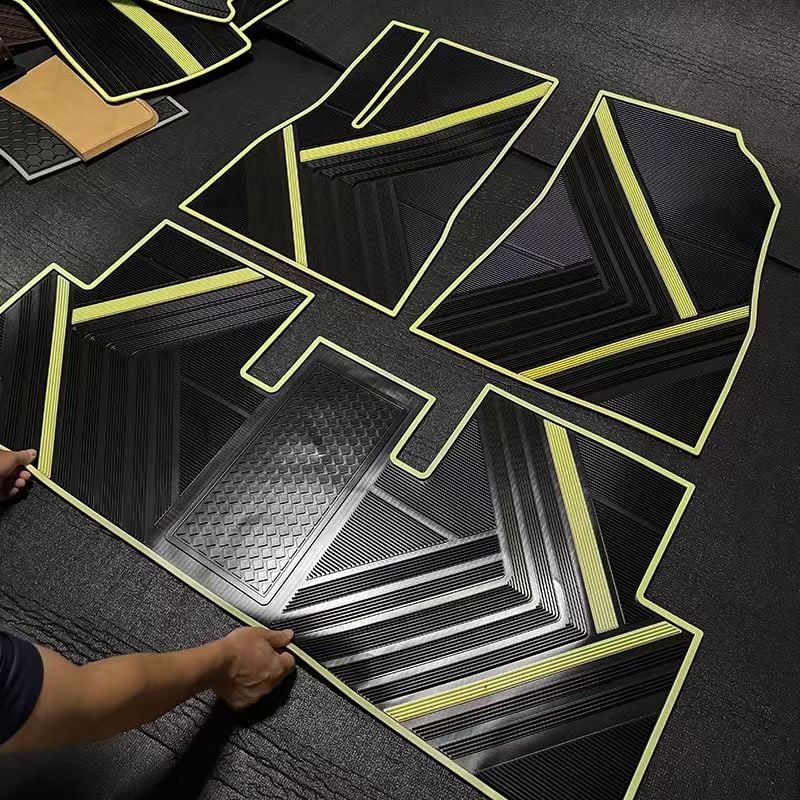
Manufacturing custom car floor mats involves a complex production process that requires careful planning, precise engineering, and quality control measures to deliver products that meet specific vehicle requirements. Understanding the typical lead times for these specialized automotive accessories is crucial for both businesses and consumers who need to plan their orders accordingly. The manufacturing timeline for custom car floor mats can vary significantly based on several factors including material selection, design complexity, production volume, and manufacturing capabilities.
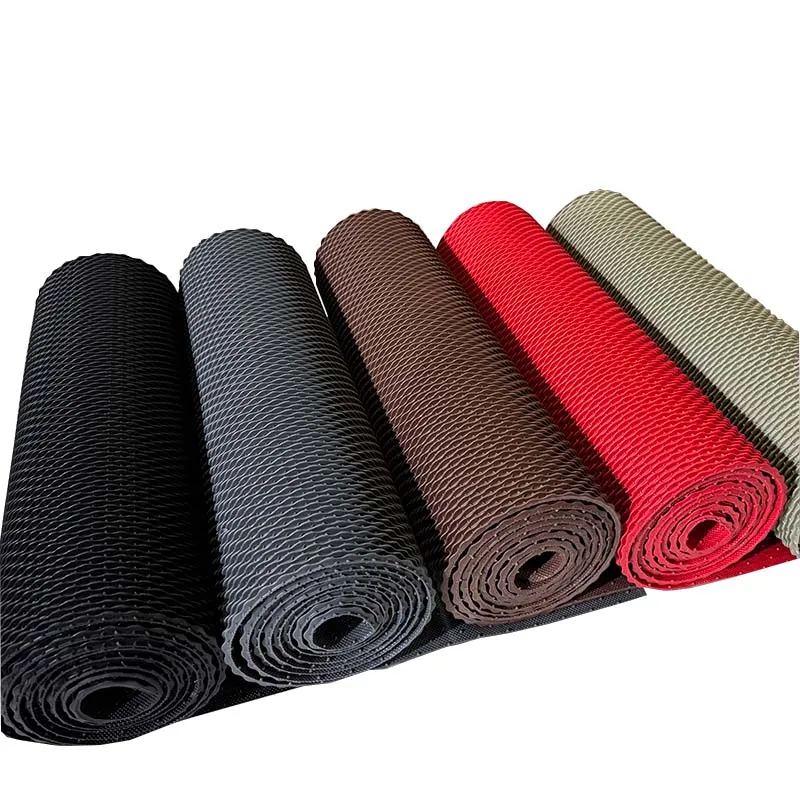
The automotive aftermarket industry has experienced tremendous growth in recent years, with consumers increasingly seeking personalized solutions for their vehicles. Custom car floor mats represent a significant segment of this market, offering vehicle owners the opportunity to enhance both the aesthetic appeal and functional protection of their car interiors. From luxury sedan owners to commercial fleet operators, the demand for tailored floor mat solutions continues to drive innovation in manufacturing processes and reduce overall production timelines.
Standard Lead Time Expectations for Custom Car Floor Mat Production
Typical Production Timeline Framework
Most manufacturers of custom car floor mats operate within a standard lead time framework of 2-4 weeks for regular orders, though this can extend to 6-8 weeks during peak seasons or for highly specialized requirements. The initial phase involves design consultation and template creation, which typically requires 3-5 business days depending on the complexity of the vehicle specifications and customer requirements. During this phase, manufacturers work closely with clients to finalize material selections, color schemes, and any special features such as logo embossing or unique stitching patterns.
The actual manufacturing process for custom car floor mats begins once the design specifications are approved and production materials are confirmed to be in stock. Standard production runs generally require 10-14 business days, during which time the mats undergo cutting, molding, finishing, and quality inspection procedures. This timeline assumes normal production capacity and availability of all required materials, including specialized components like backing materials, binding edges, and any custom hardware elements.
Factors Influencing Production Speed
Several critical factors can significantly impact the lead time for custom car floor mats, with material availability being one of the most important considerations. Premium materials such as high-grade rubber compounds, specialized synthetic fibers, or eco-friendly alternatives may require longer procurement times, especially if they need to be sourced from specific suppliers or manufactured to exact specifications. The complexity of the design also plays a crucial role, as mats requiring intricate cutting patterns, multiple layers, or specialized surface treatments will naturally require additional processing time.
Production volume represents another major factor affecting lead times, as larger orders may require scheduling coordination to ensure adequate manufacturing capacity while maintaining quality standards. Manufacturers must balance efficiency gains from larger production runs against the additional time required for setup, quality control, and packaging processes. Custom car floor mats ordered in quantities exceeding standard production batch sizes may experience extended lead times as manufacturers adjust their production schedules to accommodate the increased volume requirements.
Material Selection Impact on Manufacturing Timeline
Natural and Synthetic Material Processing
The choice of materials for custom car floor mats significantly influences both the manufacturing complexity and timeline requirements. Natural rubber materials, while offering excellent durability and performance characteristics, often require longer processing times due to curing requirements and quality stabilization periods. These materials must undergo specific temperature and humidity treatments to achieve optimal performance specifications, which can add 3-7 days to the overall production timeline depending on the thickness and density requirements of the final product.
Synthetic materials such as thermoplastic polyurethane (TPU) and specialized PVC compounds offer more predictable processing timelines but may require custom formulation for specific performance requirements. Modern custom car floor mats utilizing advanced synthetic materials can often be produced more quickly than traditional alternatives, as these materials offer consistent processing characteristics and reduced curing times. However, specialty treatments such as anti-bacterial coatings, UV resistance treatments, or specific texture applications may extend the timeline by several days.
Eco-Friendly and Sustainable Material Considerations
Growing environmental consciousness has led to increased demand for eco-friendly custom car floor mats manufactured from recycled or sustainable materials. These environmentally responsible options often require additional processing time due to the specialized handling requirements of recycled content and the need for certification compliance with environmental standards. Manufacturers must ensure that recycled materials meet stringent quality specifications while maintaining the performance characteristics expected from premium automotive floor mats.
Sustainable material sourcing can also impact lead times, as these materials may not be readily available in standard inventory and might require special ordering from certified suppliers. Bio-based materials and recycled content products often undergo additional quality verification processes to ensure long-term performance and durability, which can add 5-10 days to the overall manufacturing timeline. Despite these extended timelines, many customers find the environmental benefits and long-term sustainability advantages worth the additional wait time.
Design Complexity and Customization Levels
Standard Customization Options
Basic customization options for custom car floor mats typically include color selection, material choice, and simple logo or text embossing, which can generally be accommodated within standard lead time frameworks. These modifications require minimal additional processing time as they utilize established manufacturing processes and standard equipment configurations. Simple color matching to vehicle interiors or corporate branding requirements usually adds no more than 1-2 days to the standard production timeline, making these options attractive for customers with tight scheduling requirements.
Standard edge binding options, heel pad positioning, and basic texture selections are also considered routine customizations that most manufacturers can handle efficiently within normal production schedules. These features are typically incorporated during the primary manufacturing process without requiring separate processing steps or specialized equipment setup. Customers seeking custom car floor mats with these standard customization levels can generally expect lead times consistent with regular production schedules, typically falling within the 2-4 week timeframe for most manufacturers.
Advanced Customization and Special Features
More complex customization requirements, such as multi-layer construction, integrated lighting systems, or specialized mounting hardware, can significantly extend lead times for custom car floor mats. These advanced features often require specialized equipment, additional quality testing, and potentially custom tooling development, which can add several weeks to the overall production timeline. Manufacturers must carefully evaluate the technical feasibility of advanced customization requests and provide realistic timeline estimates based on their specific capabilities and equipment availability.
Custom scanning and digitization services for unusual vehicle models or modified vehicles represent another category of advanced customization that impacts lead times. When manufacturers need to create new templates or modify existing patterns for unique vehicle configurations, the design and verification process can require additional time for measurement accuracy and fit testing. These specialized services often require collaboration between design teams and production personnel to ensure that the final custom car floor mats meet exact specifications and performance requirements.
Production Capacity and Seasonal Considerations
Manufacturing Capacity Management
Production capacity plays a crucial role in determining lead times for custom car floor mats, as manufacturers must balance ongoing production commitments with new order requirements. Established manufacturers typically maintain production schedules that allow for reasonable lead times during normal operating periods, but capacity constraints can develop during peak demand seasons or when large commercial orders are being processed. Understanding these capacity dynamics helps customers plan their orders more effectively and avoid potential delays.
Many manufacturers implement sophisticated production planning systems to optimize capacity utilization while maintaining consistent quality standards for custom car floor mats. These systems consider factors such as material availability, equipment maintenance schedules, labor resources, and quality control requirements to provide accurate lead time estimates for new orders. Customers placing orders during periods of high demand may experience extended lead times, while those with flexible timing requirements may benefit from shorter timelines during slower production periods.
Seasonal Demand Patterns
The automotive aftermarket industry experiences predictable seasonal patterns that can significantly impact lead times for custom car floor mats. Spring and early summer months typically see increased demand as vehicle owners prepare for road trips and seasonal vehicle maintenance activities. Similarly, the period leading up to winter months often experiences heightened demand for weather-resistant floor mat solutions, particularly in regions with harsh winter conditions.
Holiday seasons and major automotive trade shows can also create temporary spikes in demand that affect production schedules and lead times. Manufacturers often recommend that customers place orders well in advance of anticipated peak seasons to ensure timely delivery of custom car floor mats. Some manufacturers offer expedited production services during high-demand periods, though these services typically come at premium pricing and may still experience some delays compared to normal production timelines.
Quality Control and Testing Requirements
Standard Quality Assurance Processes
Quality control represents an essential component of custom car floor mat manufacturing that directly impacts overall lead times. Standard quality assurance processes typically include dimensional verification, material property testing, and visual inspection procedures that ensure each product meets specified requirements before shipment. These quality control steps are generally integrated into the manufacturing workflow and contribute 1-2 days to the overall production timeline, though this time investment is crucial for maintaining product quality and customer satisfaction.
Manufacturers of custom car floor mats typically implement multi-stage quality control processes that begin with incoming material inspection and continue through final product verification. Each production batch undergoes systematic testing to verify dimensional accuracy, material integrity, and finish quality before being approved for shipment. This comprehensive approach to quality assurance helps prevent customer complaints and reduces the likelihood of product returns, though it does require dedicated time and resources within the overall production schedule.
Specialized Testing and Certification
Certain applications may require specialized testing and certification processes that can extend lead times for custom car floor mats beyond standard production schedules. Automotive OEM applications, commercial fleet requirements, and export orders may need to meet specific industry standards or regulatory requirements that necessitate additional testing and documentation. These specialized requirements can add several days to weeks to the overall production timeline, depending on the specific testing protocols and certification requirements involved.
Environmental and safety certifications, such as low-emission testing or fire resistance verification, represent common examples of specialized testing that can impact lead times. Manufacturers must coordinate with certified testing laboratories and allow adequate time for comprehensive evaluation of custom car floor mats against relevant standards. While these testing requirements extend production timelines, they provide important assurances regarding product safety, environmental impact, and regulatory compliance that many customers consider essential.
Expedited Production Options and Rush Orders
Fast-Track Manufacturing Services
Many manufacturers offer expedited production services for customers requiring custom car floor mats within shorter timeframes than standard lead times allow. These fast-track services typically involve prioritizing orders within the production schedule, dedicating specific resources to urgent projects, and potentially working extended hours to meet accelerated delivery requirements. While expedited services can significantly reduce lead times, they generally come at premium pricing and may have limitations regarding customization options or material selections.
Expedited production for custom car floor mats often requires advance communication between customers and manufacturers to ensure that all necessary materials and resources are available to support accelerated timelines. Manufacturers must evaluate their current production capacity, material inventory, and quality control capabilities before committing to expedited delivery schedules. Successful fast-track production typically requires close coordination between sales, production, and quality control teams to maintain product standards while meeting aggressive timeline requirements.
Rush Order Limitations and Considerations
While expedited production services can significantly reduce lead times, customers should understand the limitations and potential trade-offs associated with rush orders for custom car floor mats. Accelerated production schedules may limit material options to those readily available in inventory, potentially restricting color selections or specialized features that require longer procurement times. Additionally, quality control processes, while maintained, may operate under compressed timeframes that require careful management to ensure product standards are not compromised.
Rush order pricing typically reflects the additional costs associated with production schedule disruption, overtime labor, and priority material sourcing required to meet accelerated timelines. Customers should weigh these additional costs against the benefits of faster delivery when evaluating expedited production options. Some manufacturers offer tiered expedited services with different timeline and pricing options, allowing customers to select the service level that best balances their urgency requirements with budget considerations for their custom car floor mats.
FAQ
What is the shortest possible lead time for custom car floor mats?
The shortest possible lead time for custom car floor mats typically ranges from 5-10 business days for rush orders with limited customization options. This expedited timeline is only achievable when using standard materials already in inventory, simple design requirements, and when manufacturers have immediate production capacity available. Customers should expect premium pricing for such accelerated production schedules and may need to accept limitations on material choices and customization features.
How does order quantity affect manufacturing lead time?
Order quantity can significantly impact lead times for custom car floor mats, with smaller orders often processed more quickly than large volume orders. Small orders of 1-10 sets typically fit easily into existing production schedules, while orders exceeding 50-100 sets may require dedicated production runs and extended timelines. Large commercial orders might need 6-10 weeks for completion, as manufacturers must balance efficient batch production with quality control requirements and capacity constraints.
Can weather conditions affect custom car floor mat production timelines?
Weather conditions can impact custom car floor mat production timelines in several ways, particularly affecting material curing processes and transportation logistics. High humidity or temperature extremes can extend curing times for certain materials, potentially adding 2-3 days to production schedules. Additionally, severe weather events can disrupt material supply chains or shipping schedules, causing delays beyond manufacturer control. Indoor manufacturing facilities with climate control systems minimize these weather-related impacts on production timelines.
What information do I need to provide to get an accurate lead time estimate?
To receive an accurate lead time estimate for custom car floor mats, customers should provide detailed vehicle specifications including year, make, model, and any interior modifications that might affect fit. Additionally, information about desired materials, colors, customization features, quantity requirements, and delivery timeline preferences helps manufacturers provide precise estimates. Special requirements such as logo embossing, unique edge treatments, or expedited delivery needs should also be communicated upfront to ensure accurate timeline projections.
Table of Contents
- Standard Lead Time Expectations for Custom Car Floor Mat Production
- Material Selection Impact on Manufacturing Timeline
- Design Complexity and Customization Levels
- Production Capacity and Seasonal Considerations
- Quality Control and Testing Requirements
- Expedited Production Options and Rush Orders
- FAQ