
 EN
EN



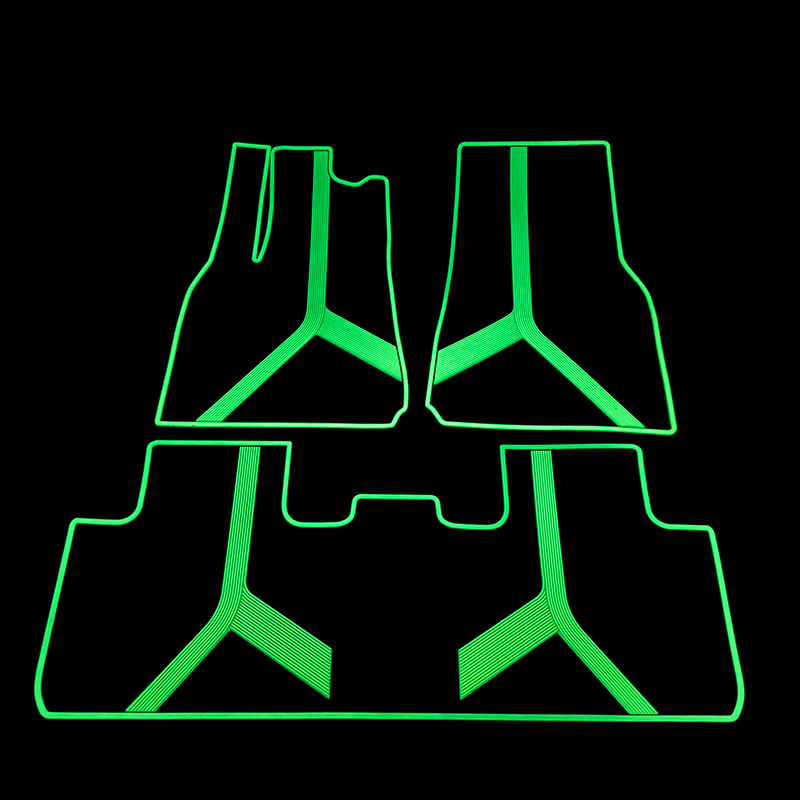
When selecting floor protection for modern vehicles, discerning owners increasingly turn to latex car mats as the preferred solution for combining durability, comfort, and environmental responsibility. Unlike conventional automotive matting materials that rely on synthetic polymers or thermoplastic compounds, latex car mats derive their exceptional performance from natural rubber latex formulations that offer a distinct combination of physical properties rarely matched by alternative materials. The unique cellular structure of latex provides inherent elasticity, moisture resistance, and acoustic dampening capabilities that transform the driving experience while simultaneously protecting the vehicle's original carpeting from wear, staining, and moisture damage.
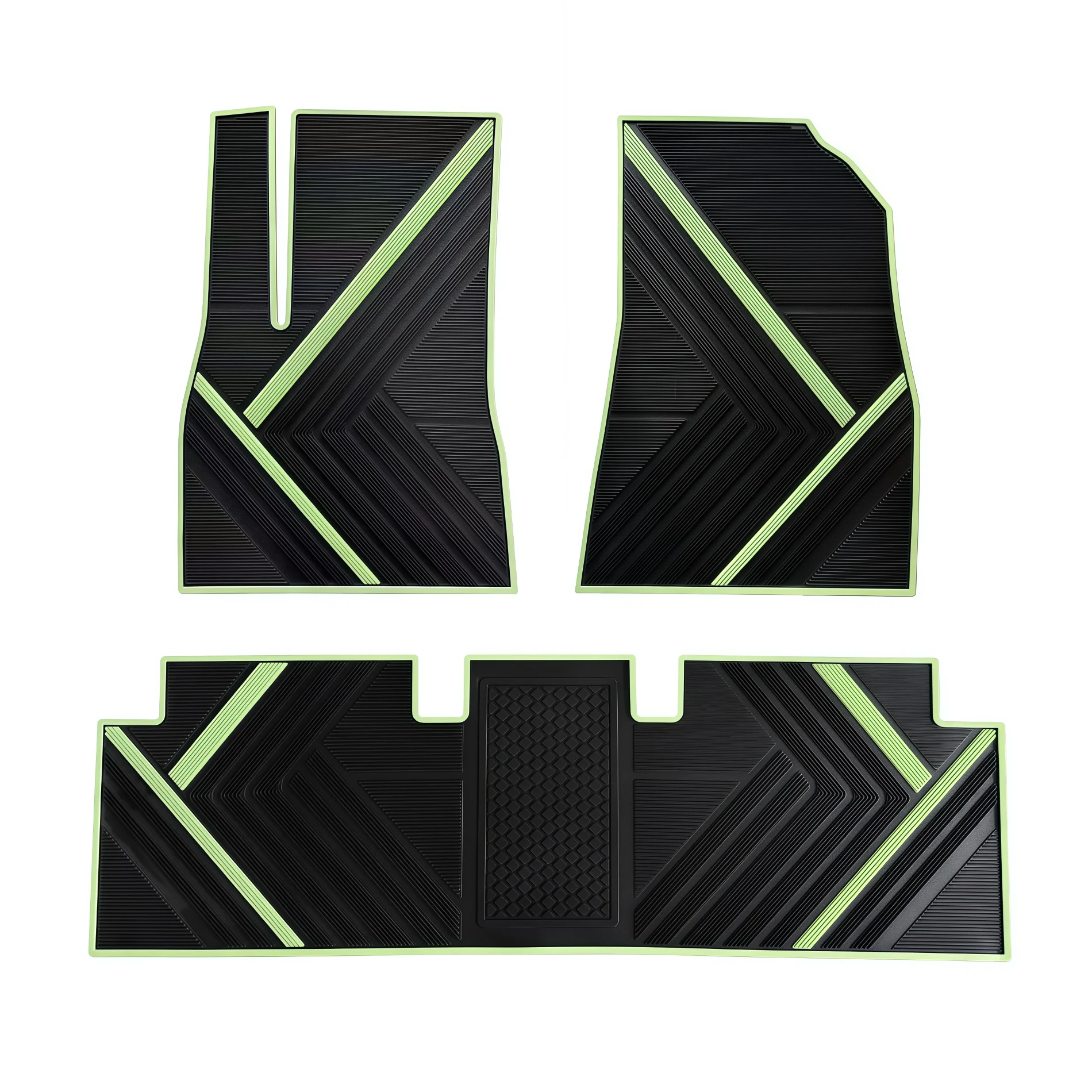
The premium positioning of latex car mats in the automotive accessories market stems from several distinctive material characteristics that address specific challenges faced by vehicle owners across diverse climates and usage patterns. From the molecular architecture of natural rubber latex to the manufacturing processes that preserve its beneficial properties, these mats represent a convergence of material science, ergonomic design, and sustainable production practices. Understanding what makes latex car mats uniquely suited for vehicle interiors requires examining both the inherent properties of the latex material itself and how these properties translate into tangible benefits for daily automotive use, maintenance efficiency, and long-term value retention.
Natural Material Composition and Molecular Advantages
Latex Polymer Structure and Elasticity
The fundamental advantage of latex car mats originates at the molecular level, where natural rubber latex consists of long-chain polyisoprene molecules that provide exceptional elastic recovery. This polymer structure allows latex car mats to compress under foot traffic and immediately return to their original shape without developing permanent depressions or wear patterns that compromise appearance and functionality. The cross-linked network within cured latex creates a three-dimensional matrix that distributes impact forces across the entire mat surface, preventing localized breakdown that commonly affects rigid thermoplastic alternatives. This molecular architecture ensures that latex car mats maintain their original thickness and surface texture throughout extended use cycles.
The elastic modulus of properly formulated latex provides an optimal balance between firmness and flexibility, creating a surface that feels substantial underfoot while conforming to the complex contours of vehicle floor pans. This conformability ensures complete coverage without gaps or lifting at edges, maintaining consistent protection across the entire footwell area. The natural resilience of latex prevents the material from becoming brittle in cold temperatures or excessively soft in heat, maintaining consistent performance across temperature ranges from negative twenty to positive sixty degrees Celsius. This thermal stability distinguishes latex car mats from materials that harden in winter or become sticky in summer heat.
Biocompatibility and Chemical Resistance
Natural latex exhibits inherent resistance to a broad spectrum of automotive fluids and chemicals commonly encountered in vehicle environments, including road salt solutions, de-icing compounds, petroleum distillates, and cleaning agents. The non-polar nature of the rubber hydrocarbon chains prevents absorption of water-based contaminants while the vulcanized structure resists degradation from mild acids and bases. This chemical stability means that latex car mats do not absorb odors from spilled beverages, food particles, or tracked-in organic matter, maintaining freshness without requiring intensive deodorizing treatments. The closed-cell structure in properly processed latex prevents liquid penetration into the mat body, containing spills at the surface level where they can be easily removed.
The biocompatible nature of natural latex makes these mats particularly suitable for vehicle occupants with sensitivities to synthetic chemicals commonly used in conventional automotive matting. Unlike PVC-based mats that may release plasticizers or EVA foam mats that can off-gas volatile organic compounds, latex car mats manufactured without excessive chemical additives present minimal indoor air quality concerns. This characteristic becomes especially important in enclosed vehicle cabins where temperature elevation can accelerate the release of volatile compounds from interior materials. The natural origin of latex, derived from rubber tree sap, provides an inherently lower chemical complexity compared to petroleum-derived synthetic alternatives.
Sustainable Production and Environmental Profile
The renewable nature of natural rubber latex positions these mats as an environmentally preferable choice compared to petroleum-derived synthetic rubber or plastic matting options. Rubber plantations actively sequester atmospheric carbon during tree growth, and responsible latex harvesting practices allow trees to produce material for decades without requiring replacement. Modern latex car mats often incorporate recycled rubber content or natural fiber backing materials that further reduce environmental impact while maintaining performance standards. The biodegradability of natural latex at end-of-life presents waste management advantages over synthetic materials that persist in landfills for centuries.
Manufacturing processes for quality latex car mats increasingly emphasize water-based processing and minimize the use of heavy metals or toxic curing agents, resulting in products that meet stringent environmental certifications. The energy intensity of latex processing generally falls below that required for synthetic polymer production, particularly when accounting for the full lifecycle from raw material extraction through finished product. This environmental consideration aligns with the preferences of vehicle owners who prioritize sustainability in purchasing decisions, making latex car mats particularly attractive for electric and hybrid vehicle owners seeking to minimize their overall environmental footprint.
Superior Moisture Management and Hygiene Properties
Liquid Containment Architecture
The design of premium latex car mats typically incorporates raised edge perimeters and textured surface patterns that create effective liquid containment zones, preventing water, snow melt, and accidental spills from migrating onto vehicle carpeting. The naturally waterproof character of cured latex ensures that moisture does not penetrate through the mat backing, providing complete protection even during extended exposure to wet conditions. This containment capability proves particularly valuable in climates with significant precipitation or winter weather, where vehicle occupants frequently track snow, slush, and road treatment chemicals into the interior. The ability to contain several liters of liquid within the mat boundaries prevents carpet saturation and the associated risks of mold growth, persistent odors, and corrosion of underlying floor pan metals.
The non-porous surface of latex car mats facilitates rapid drying after exposure to moisture, as water simply sits on the surface rather than being absorbed into the material structure. This quick-drying characteristic reduces the humidity levels within vehicle interiors and minimizes the time that dampness persists after wet weather exposure. The smooth yet textured surface can be easily wiped or shaken dry, restoring the mat to usable condition within minutes rather than requiring hours of air-drying as absorbent carpet-style mats demand. This moisture management efficiency translates directly into enhanced vehicle hygiene and reduced maintenance burden for owners.
Antimicrobial Properties and Odor Resistance
The chemical composition of natural latex inherently resists bacterial and fungal colonization, providing passive antimicrobial protection without requiring additional biocidal treatments. This resistance stems from the slightly acidic pH of cured latex and the absence of nutrients that microorganisms require for growth. In practical terms, latex car mats do not develop the musty odors associated with mildew formation in fabric or foam mats that retain moisture. The inability of bacteria to establish colonies on latex surfaces also reduces the health risks associated with pathogen accumulation in vehicle interiors, a concern particularly relevant for families with young children or individuals with compromised immune systems.
The non-absorbent nature of latex car mats prevents the accumulation of organic residues from spilled foods, beverages, and tracked-in debris that would otherwise create breeding grounds for odor-causing bacteria. Surface contamination on latex remains accessible to cleaning, whereas porous materials trap organic matter within their structure where it decomposes and produces persistent unpleasant smells. This fundamental difference in material behavior means that latex car mats maintain freshness with minimal maintenance intervention, requiring only periodic washing with mild soap and water rather than intensive shampooing or enzymatic treatments needed for absorbent alternatives. The hygienic advantages become especially apparent in commercial vehicle applications where mats face intensive use and frequent exposure to contaminants.
Allergen Reduction and Indoor Air Quality
The smooth, non-textile surface of latex car mats does not trap pollen, dust mites, pet dander, or other common allergens that accumulate in carpet-style mats with fibrous construction. This characteristic makes latex car mats particularly beneficial for vehicle occupants with respiratory sensitivities or allergies, as the mat surface can be effectively cleaned to remove allergenic particles rather than providing a reservoir where these materials accumulate over time. The inability of dust mites to colonize non-porous latex surfaces eliminates a major source of indoor allergens that commonly affects textile floor coverings. Regular cleaning of latex car mats removes allergens from the vehicle environment rather than simply redistributing them as vacuuming of fabric mats may do.
The minimal off-gassing profile of properly cured latex car mats contributes to superior vehicle interior air quality compared to synthetic alternatives that may release volatile organic compounds, particularly during initial use and when subjected to elevated temperatures. Natural latex contains fewer chemical additives than heavily plasticized vinyl or chemically complex synthetic rubbers, resulting in a cleaner indoor air profile. This air quality advantage proves especially important in modern vehicles with excellent cabin sealing that limits air exchange, creating conditions where any off-gassing materials significantly impact the breathing environment. Vehicle owners sensitive to chemical odors frequently report that latex car mats present no objectionable smells, unlike some synthetic alternatives that require extended airing before acceptable for use.
Acoustic and Thermal Insulation Benefits
Sound Dampening Performance
The viscoelastic properties of latex car mats provide measurable acoustic dampening that reduces both road noise transmission and interior sound reverberation. The cellular structure of latex absorbs vibrational energy across a broad frequency spectrum, converting mechanical energy into heat through internal friction within the polymer matrix. This damping effect proves particularly effective at attenuating the low-frequency rumble transmitted through vehicle floor pans from road surface interactions and drivetrain components. The mass and density of quality latex car mats contribute additional acoustic isolation, creating a barrier that impedes sound wave transmission between the exterior environment and the vehicle cabin.
The noise reduction achieved with latex car mats becomes especially noticeable in vehicles with minimal factory sound insulation or in premium vehicles where owners seek to maximize cabin quietness. The improvement in acoustic comfort enhances the driving experience by reducing fatigue during extended trips and improving the effectiveness of vehicle audio systems by lowering the background noise floor. The sound absorption properties of latex also reduce the harsh acoustic reflections that occur when hard surfaces predominate in vehicle interiors, creating a more acoustically balanced cabin environment. These acoustic benefits position latex car mats as a functional upgrade that contributes to perceived vehicle quality beyond their primary protective function.
Thermal Barrier Function
The cellular structure and inherent insulating properties of latex car mats provide thermal separation between occupants' feet and the vehicle floor pan, which can become uncomfortably cold in winter or radiantly hot in summer. This thermal buffering improves comfort during extreme weather conditions by maintaining a more moderate surface temperature underfoot. The insulating effect also contributes to more efficient vehicle climate control by reducing heat transfer through the floor, potentially decreasing the heating or cooling load on the HVAC system. In electric vehicles where energy efficiency directly impacts driving range, this thermal insulation benefit may contribute measurably to extended per-charge distance.
The thermal mass of latex car mats stabilizes footwell temperatures by absorbing and slowly releasing thermal energy, preventing the rapid temperature fluctuations that occur with thin, thermally conductive mat materials. This temperature stabilization enhances comfort during vehicle operation and reduces the shock of temperature extremes when entering a vehicle that has been parked in very hot or cold conditions. The combination of low thermal conductivity and moderate heat capacity makes latex an optimal material for managing the thermal environment at the vehicle floor level, contributing to overall occupant comfort in ways that extend beyond the obvious protective function of floor matting.
Vibration Isolation Characteristics
Beyond acoustic dampening, the elastic properties of latex car mats provide mechanical vibration isolation that reduces the transmission of high-frequency vibrations from the vehicle structure to occupants' feet and lower legs. This vibration isolation becomes particularly noticeable in vehicles with firm suspension tuning or when driving on rough road surfaces, where the latex mat acts as a mechanical filter that absorbs micro-vibrations before they reach vehicle occupants. The reduction in transmitted vibration contributes to decreased fatigue during long drives and improved perception of vehicle refinement, particularly in commercial vehicles or work trucks where ride quality may not match passenger car standards.
The vibration dampening effect of latex car mats also protects the vehicle's original carpeting from the mechanical wear that results from cyclic flexing under vibrational loads. By absorbing these dynamic forces, the latex mat preserves the underlying carpet from premature fiber breakage and backing deterioration that would otherwise occur from repeated flexing. This protective function extends the service life of factory carpeting, contributing to vehicle value retention and reducing the likelihood of needing expensive interior refurbishment. The combination of vibration isolation for occupant comfort and mechanical protection for underlying materials demonstrates how the unique properties of latex provide multiple simultaneous benefits that justify the premium positioning of these products.
Durability and Longevity Factors
Wear Resistance and Surface Integrity
The exceptional wear resistance of latex car mats derives from the material's ability to elastically deform under compressive and shear forces rather than permanently abrading away as rigid materials do. The resilient recovery of latex means that foot traffic compresses the surface temporarily but does not remove material, allowing properly formulated latex car mats to maintain their original thickness and appearance through years of daily use. The hardness specification of automotive-grade latex provides optimal resistance to heel wear and scuffing while maintaining sufficient flexibility for comfortable foot placement and mat conformability to floor contours.
Premium latex car mats often incorporate reinforced backing layers or embedded textile reinforcement that prevents stretching and dimensional distortion while maintaining the wear advantages of the latex contact surface. This composite construction combines the best properties of multiple materials, using latex for its surface performance characteristics while employing dimensionally stable backing layers to prevent mat creep or edge lifting. The manufacturing integration of these layers creates a unified product that maintains its precise fit to vehicle floor pans throughout its service life, unlike single-material mats that may distort with use. The superior wear characteristics of latex car mats translate directly into longer replacement intervals and better long-term value despite potentially higher initial acquisition costs.
UV Stability and Color Retention
Modern latex car mats incorporate UV stabilizers and antioxidants that protect the natural rubber from degradation caused by sunlight exposure, a particular concern for mats in vehicles parked outdoors or with significant window area. The formulation chemistry balances the need for UV protection with maintaining the desirable properties of natural latex, using carbon black pigmentation and chemical stabilizers to extend service life under photodegradative conditions. Quality latex car mats maintain their mechanical properties and appearance through years of exposure to sunlight streaming through vehicle windows, unlike unprotected natural rubber that would harden and crack under such conditions.
The color stability of pigmented latex car mats ensures that the aesthetic appearance remains consistent throughout the product life, avoiding the fading and discoloration that compromises the visual appeal of some synthetic mat materials. The pigment systems used in premium latex car mats provide colorfast performance that withstands both UV exposure and repeated cleaning with automotive interior products, maintaining the coordinated appearance with vehicle interior trim. This aesthetic durability contributes to vehicle interior appearance and owner satisfaction, factors that influence vehicle value perception and resale marketability. The combination of mechanical durability and aesthetic longevity positions latex car mats as a genuine long-term investment in vehicle protection and interior quality.
Resistance to Cracking and Edge Degradation
The inherent flexibility of latex car mats prevents the stress concentration and crack propagation that commonly affects rigid thermoplastic mats, particularly at edges and mounting points where mechanical stress concentrations occur. The elastic nature of latex allows the material to accommodate flexing and bending without developing the fatigue cracks that propagate through brittle materials after repeated stress cycles. This crack resistance proves especially valuable in maintaining the liquid containment function of raised-edge mats, as even small cracks in rigid materials can compromise waterproof integrity and allow moisture to escape onto vehicle carpeting.
The edge retention characteristics of quality latex car mats prevent the curling, lifting, and corner folding that commonly develops in mats that lose dimensional stability over time. The combination of elastic memory and proper backing reinforcement ensures that latex car mats remain flat against the floor pan with edges in contact with vertical surfaces, maintaining the protective coverage and professional appearance throughout their service life. This dimensional stability eliminates the safety concern associated with mat edges that curl upward and potentially interfere with pedal operation, a hazard that has prompted vehicle manufacturers to emphasize proper mat design and retention. The structural integrity of latex car mats addresses both functional performance and safety considerations that distinguish premium products from marginal alternatives.
Manufacturing Quality and Design Precision
Custom Contouring and Vehicle-Specific Fit
The manufacturing processes for premium latex car mats enable precise replication of complex floor pan geometries through molding techniques that capture every contour, transmission tunnel profile, and footwell curvature of specific vehicle models. This custom contouring ensures complete floor coverage without gaps where debris can accumulate or moisture can reach carpeting, maximizing the protective function that justifies investment in quality floor protection. The ability of latex to accurately reproduce fine surface details during molding allows inclusion of textured patterns, logos, and retention features that enhance both functionality and visual appeal.
Vehicle-specific design of latex car mats incorporates precisely positioned retention hooks, anchor points, and OEM mounting compatibility that ensures secure installation without interference with pedal operation or seat adjustment mechanisms. The engineering effort invested in creating accurate templates for each vehicle model demonstrates the quality differentiation between premium latex car mats and universal-fit alternatives that compromise coverage and function in exchange for broad market applicability. The precise fit achieved with engineered latex car mats creates a factory-integrated appearance that enhances vehicle interior presentation while providing superior protection compared to generic products that leave gaps and require improvised retention methods.
Surface Texturing and Traction Engineering
The molding processes used for latex car mats enable creation of sophisticated surface textures that optimize traction for safe foot placement while facilitating debris management and liquid drainage. The texture design balances the need for secure footing under wet conditions against the requirement for easy cleaning and debris removal, using geometric patterns that channel water toward low points while providing consistent grip across the mat surface. The three-dimensional texture also increases the effective surface area of the mat, enhancing dirt and moisture retention capacity compared to flat surfaces with equivalent perimeter dimensions.
Advanced latex car mats incorporate zone-specific texturing that provides enhanced wear resistance in high-traffic areas such as heel rest points while using finer patterns in less-stressed zones for aesthetic refinement. This engineering approach optimizes material performance for the actual stress distribution experienced during normal use, extending service life by reinforcing critical areas without unnecessary material bulk in regions that face minimal wear. The textural design also contributes to the acoustic and vibration dampening properties of latex car mats, as surface features create additional pathways for energy dissipation. The sophistication of texture engineering in premium latex car mats demonstrates how advanced manufacturing translates material properties into optimized user experience.
Quality Control and Performance Validation
Manufacturing excellence in latex car mats includes rigorous quality control protocols that verify dimensional accuracy, material properties, and performance characteristics against established specifications. Physical testing validates wear resistance through accelerated abrasion protocols, confirms liquid containment capacity through water immersion testing, and verifies retention system strength through pull-force measurements. Chemical resistance testing exposes samples to automotive fluids, cleaning products, and environmental contaminants to ensure long-term stability under real-world conditions. Environmental conditioning cycles verify that latex car mats maintain properties across temperature extremes and humidity variations.
The quality assurance processes for premium latex car mats also include inspection for aesthetic defects, verification of colorant uniformity, and validation of backing layer adhesion to ensure that finished products meet exacting standards before reaching customers. This multi-point validation approach distinguishes products from manufacturers committed to excellence from those pursuing cost minimization at the expense of reliability and longevity. The transparency of quality documentation and willingness to provide performance specifications indicates manufacturer confidence in product capabilities, helping informed buyers distinguish genuine premium latex car mats from marketing-driven alternatives that may not deliver expected service life or functional performance.
FAQ
How do latex car mats compare to rubber mats in terms of durability and performance?
While the term rubber mat often refers to synthetic rubber compounds, latex car mats utilize natural rubber latex which offers superior elasticity and recovery characteristics compared to most synthetic alternatives. Natural latex maintains flexibility across wider temperature ranges and exhibits better resistance to cracking and permanent deformation. The molecular structure of natural latex provides inherent antimicrobial properties and odor resistance that synthetic rubbers may lack unless specifically treated with additives. In terms of durability, quality latex car mats typically outlast conventional synthetic rubber mats due to better wear resistance and UV stability when properly formulated. The environmental profile of natural latex also surpasses petroleum-derived synthetic rubbers in sustainability metrics.
Are latex car mats suitable for all climate conditions including extreme temperatures?
Premium latex car mats are specifically formulated to perform across the full range of automotive environmental conditions, from arctic cold to desert heat. The incorporation of thermal stabilizers and plasticizing agents ensures that latex maintains flexibility and elasticity at temperatures well below freezing, preventing the brittleness that affects some materials in winter conditions. At elevated temperatures, properly cured latex resists softening and deformation, maintaining structural integrity even when vehicles are parked in direct sunlight during summer heat. The thermal stability of latex car mats makes them universally applicable across all climate zones, from northern regions with harsh winters to tropical environments with intense heat and humidity. Testing protocols for quality latex car mats include temperature cycling across ranges exceeding normal automotive environmental exposure.
What maintenance is required to keep latex car mats in optimal condition?
Maintaining latex car mats requires minimal effort compared to textile or carpeted alternatives, as the non-porous surface prevents absorption of dirt and liquids. Regular maintenance consists of removing the mats from the vehicle and shaking out loose debris, followed by washing with mild soap and water using a soft brush for textured surfaces. The mats should be thoroughly rinsed and allowed to air dry completely before reinstallation. Avoid using harsh solvents, petroleum-based cleaners, or abrasive scrubbing tools that could damage the latex surface. Periodic application of latex protectant products can enhance UV resistance and maintain surface appearance, though quality latex car mats require minimal chemical treatment. The quick-drying nature of latex means mats can typically be cleaned and returned to service within an hour, making maintenance convenient for busy vehicle owners.
Can latex car mats trigger allergic reactions in sensitive individuals?
While natural rubber latex proteins can cause allergic reactions in some individuals, the processing methods used for manufacturing latex car mats significantly reduce or eliminate the allergenic proteins through washing and vulcanization processes. The majority of latex allergy concerns relate to direct skin contact with medical-grade latex products such as gloves, where protein concentrations remain higher and contact is intimate and prolonged. The indirect contact through footwear that occurs with latex car mats presents minimal exposure risk even for individuals with documented latex sensitivities. However, individuals with severe latex allergies should consult medical professionals before selecting latex car mats, and alternative materials are available for those with confirmed sensitivities. Manufacturers of premium latex car mats often provide protein content testing data and can supply hypoallergenic formulations for sensitive applications.
Table of Contents
- Natural Material Composition and Molecular Advantages
- Superior Moisture Management and Hygiene Properties
- Acoustic and Thermal Insulation Benefits
- Durability and Longevity Factors
- Manufacturing Quality and Design Precision
-
FAQ
- How do latex car mats compare to rubber mats in terms of durability and performance?
- Are latex car mats suitable for all climate conditions including extreme temperatures?
- What maintenance is required to keep latex car mats in optimal condition?
- Can latex car mats trigger allergic reactions in sensitive individuals?