
 EN



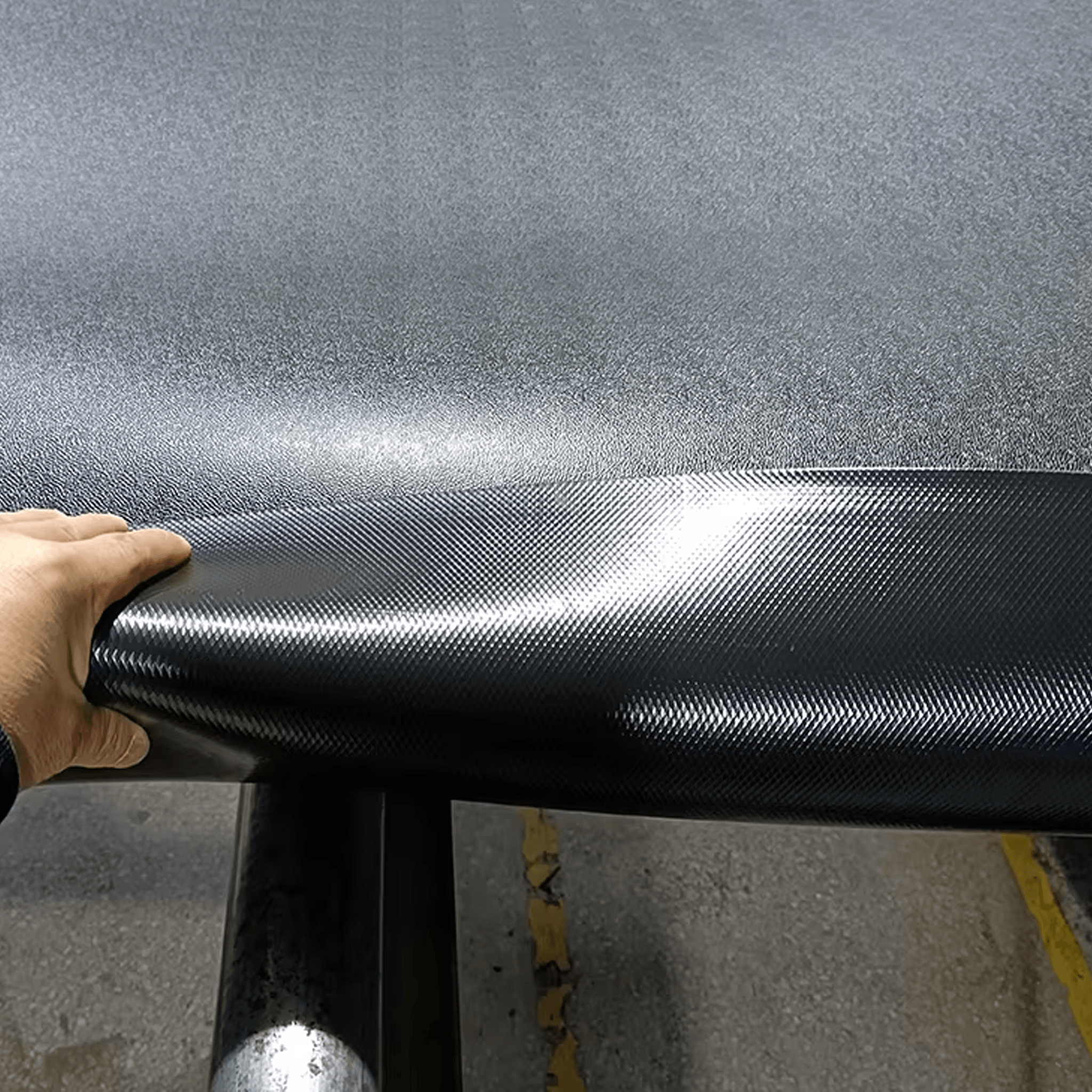
Car mat quality control works when it is tied to four checkpoints — incoming material, cutting, assembly and pre-packing — each with a measurable value and a recorded result. A factory that inspects only the finished mat is checking the outcome after the causes have already passed; by then a thickness shortfall, a pattern running the wrong direction or a mismatched colour has already been built into every piece in the run.
This page is written for buyers auditing a supplier, and for brand owners writing a QC clause into a purchase order. It sets out what to measure at each stage, what a useful inspection report contains, and when third-party inspection earns its cost.
The four stages where defects are actually created
Defects in car mats come from a small number of causes, and each cause sits at a known stage. Tying a check to each stage is what makes QC preventive rather than a final sorting exercise.
| Stage | What goes wrong here | Measurable check | Record |
|---|---|---|---|
| Incoming material | Polymer substitution, thickness drift, colour batch variation | Calliper thickness at several points; weight per roll; swatch comparison under daylight | Roll ID, measured range, pass/fail |
| Cutting | Pattern direction inverted, dimensional drift, nesting loss | Template overlay on first piece of each layout; pattern direction against drawing; key dimensions at fixed points | First-piece approval per layout |
| Assembly and edge | Edge lifting, clip position off, heel pad misaligned | Clip fitted and locked without lifting; heel pad within agreed position; edge run-out check | Assembly checklist per set |
| Pre-packing | Wrong SKU or colour in carton, label error, short count | Carton-level sample check against packing list; barcode and label scan; set count per carton | Carton numbers inspected and result |
Thickness and weight are the two checks worth insisting on first, because they are the cheapest to perform and the most common hidden substitution. A calliper and a scale cost less than one returned carton.
Incoming material: check the roll, not the datasheet
Incoming inspection is about proving that the material matches the approved swatch, not about reading a supplier's own certificate. Measure thickness at the pattern peaks and on the flat edge, because the two read differently and only the flat edge gives a stable value. Weigh a full roll — an underweight roll with correct-looking thickness usually means a denser filler or a shorter length, and both change the yield calculation you priced the order on.
Where a colour is critical, keep one approved physical swatch on site and compare each delivery against it under daylight. Colour drift across deliveries is normal at the edge of a tolerance band; drift beyond the approved swatch is a claim, and it can only be made if a physical reference exists.
Cutting: first-piece approval is the control point
Cutting is where pattern direction and dimensional drift are set, and both are locked in for the whole run within minutes. The economical control is a first-piece check for each cutting layout: overlay the template, confirm the pattern runs in the agreed direction, and measure a fixed set of dimensions rather than the whole outline.
Pattern direction deserves its own line on the checklist because it survives every other inspection. A set with three of four pieces running one way looks correct piece by piece and wrong when laid out together, and it will only be found by the customer.
Assembly and edge: the checks a customer will notice first
Edge behaviour and clip fit are the two assembly failures that reach the customer fastest. Fit the retention clip to a finished piece and confirm it locks without pulling out of the carpet; a mat that lifts its own clip is a return regardless of how good the material is. For edges, check run-out along the full perimeter rather than at one point — a single lifted section is enough to start a curl.
Where a heel pad or logo is applied, confirm position against the approved drawing on the first set and at intervals through the run, since position drift is a slow failure that accumulates.
What a usable QC report contains
A QC report is only useful if it can be tied to physical goods. At minimum it should carry the batch or roll identifiers, the sampling plan (how many pieces out of how many), the measured values rather than pass/fail words, the carton numbers covered, and photographs of any non-conformity with the carton number visible in the frame.
Three things make a report unusable: results recorded as "OK" with no numbers, reports that cover the batch but not the cartons, and photographs with no identifier. Ask for the numeric version before the first shipment, not after the first complaint.
When third-party inspection pays
Third-party inspection earns its cost at two points: the first order with a new supplier, and any order where a change has been made to material, cutting layout or packing. It earns least on repeat orders of an unchanged specification from a supplier whose last three batches matched — there, the money is better spent on your own incoming checks.
If you do commission an inspection, give the inspector the specification sheet and the golden sample reference, or the report will be a general quality opinion rather than a check against your requirements.
Next step
If you are writing a QC clause into a purchase order, the fastest route is to send the specification sheet and the drawing with it, so the checks are tied to values rather than to adjectives. Our OEM service page describes how development and sampling are handled, the custom fit range shows finished programmes, and car floor mat clips covers the retention part that most often fails inspection. Send your specification to our team and we will tell you which items can be measured at which stage.
For the sourcing decisions that come before inspection — material, thickness, format and pricing structure — see our car mats sourcing guide.